




menu

Rotting Fascia Boards in Charlotte – Fast Diagnosis and Permanent Wood Rot Solutions

Our roofing specialists identify the source of fascia board rot, remove all decaying wood, and install water-resistant materials that stand up to Charlotte's intense humidity and summer storms.

Slider Image 1
Slider Image 2
Slider Image 3
Slider Image 4
Slider Image 5
Slider Image 7
Slider Image 8
Slider Image 9
Slider Image 10
Slider Image 11

Why Charlotte's Climate Attacks Your Fascia Boards

Charlotte's subtropical climate creates perfect conditions for fascia board rot. With average humidity above 70% and annual rainfall exceeding 43 inches, water finds every vulnerable seam along your roofline. When gutters clog during spring storms or back up during fall leaf season, water spills directly onto fascia boards. The wood absorbs moisture, swells, then contracts when temperatures drop. This cycle repeats hundreds of times each year.

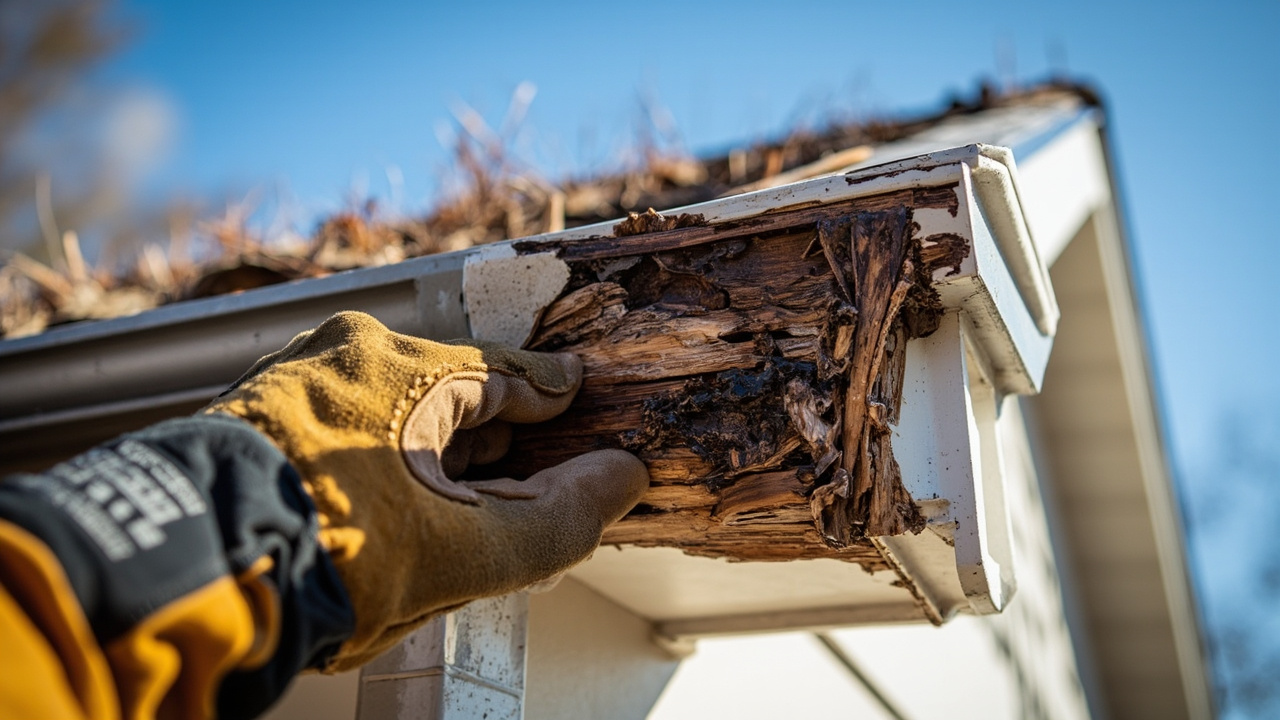
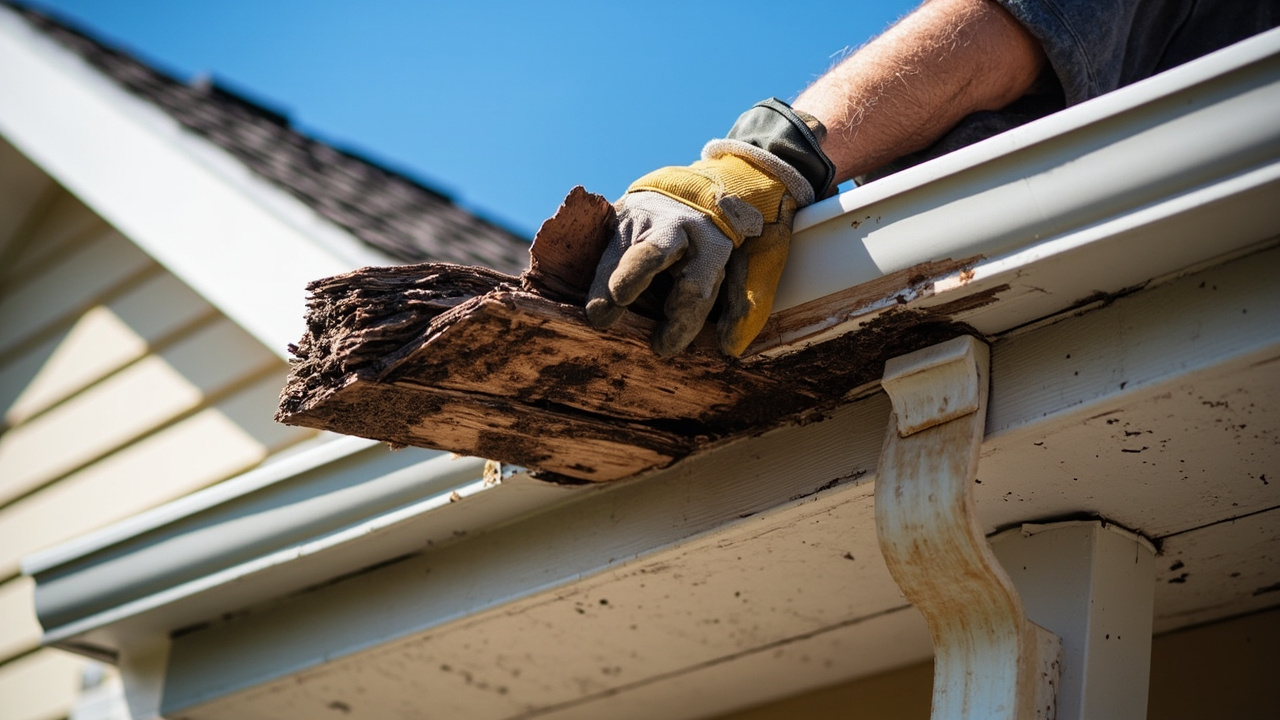
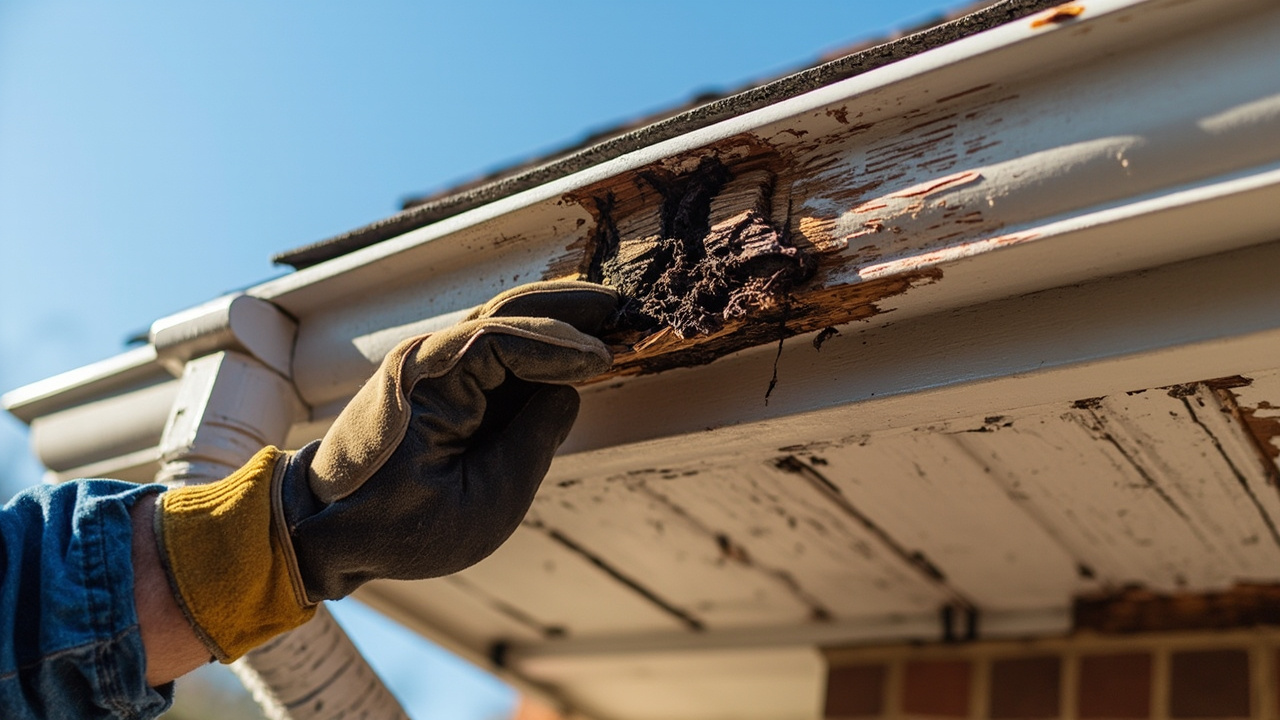
The damage starts small. A hairline crack in paint. A slight discoloration near a gutter joint. Within months, you notice soft spots when you press the wood. By the time you see visible decay or peeling paint, the rot has often spread behind the board into roof decking or rafter tails.

Charlotte's clay soil compounds the problem. As the ground expands and contracts with moisture changes, your foundation shifts slightly. This movement stresses roof connections and opens gaps where water penetrates. Add in the freeze-thaw cycles we experience each winter, and you have a recipe for accelerated wood deterioration.

Water damaged fascia does not heal. The decaying fascia wood weakens structural connections between your roof and walls. Rotted roof trim invites carpenter ants and termites. Once wood rot on fascia begins, it spreads quickly through capillary action, moving from board to board along the roofline. The longer you wait, the more boards need replacement and the higher your repair bill climbs.

Why Charlotte's Climate Attacks Your Fascia Boards
How We Fix Fascia Board Rot the Right Way

How We Fix Fascia Board Rot the Right Way

We do not patch rotted fascia. We remove it completely. Our process starts with moisture testing using infrared cameras and pin meters to map the full extent of decay. What looks like one bad board often reveals three or four compromised sections. We mark every area that shows elevated moisture or structural weakness.

Before removing a single board, we check the soffit ventilation system, examine gutter attachment points, and inspect drip edge flashing. Most fascia rot stems from a failure somewhere else in the roofing system. Fix the symptom without addressing the cause, and you will replace the same boards again in two years.

We remove fascia boards in sections, exposing rafter tails for inspection. If we find rot extending into structural members, we address it immediately. We do not cover problems with new wood. Once all compromised material is removed, we treat exposed lumber with borate solution to prevent future fungal growth.

For replacement material, we use either pressure-treated lumber or composite fascia boards, depending on your roof design and budget. Pressure-treated wood resists moisture but requires proper priming and painting. Composite materials cost more upfront but eliminate rot risk entirely. We install new drip edge flashing over the fascia top edge, creating a water barrier that directs runoff into gutters instead of behind boards.

All joints receive marine-grade caulk. All nail holes get sealed. We prime bare wood within 24 hours of installation because Charlotte's humidity attacks unprotected lumber immediately. The final step involves checking gutter pitch and adding splash guards at downspout locations where water volume is highest.

What Happens During Your Fascia Repair

Rotting Fascia Boards in Charlotte – Fast Diagnosis and Permanent Wood Rot Solutions
01

Complete Damage Assessment

We inspect your entire roofline, not just the visible damage. Using moisture meters and probes, we test every fascia board section to identify hidden rot. We check soffit condition, examine gutter mounting integrity, and look for gaps in drip edge flashing. You receive photos of problem areas and a written assessment before any work begins.
02

Surgical Removal and Treatment

We remove only the damaged sections, cutting back to solid wood. Exposed rafter tails get inspected and treated if needed. We clean all debris from behind the roofline and treat the area with anti-fungal solution. New flashing goes in before new boards. Every connection point receives proper waterproofing to prevent future moisture intrusion.
03

Weather-Sealed Installation

New fascia boards are cut, sealed, and installed with corrosion-resistant fasteners. All seams get caulked with exterior-grade sealant. Boards receive primer coat within 24 hours, then two finish coats matched to your existing trim. We reinstall gutters with proper spacing and pitch, then test water flow during final inspection to confirm proper drainage.

Why Charlotte Homeowners Choose Five Star Roofing Charlotte for Fascia Repairs

We have replaced fascia boards on hundreds of Charlotte homes, from Historic Dilworth bungalows to newer constructions in Ballantyne. We understand local building details like how builders in different decades attached fascia, which wood species were commonly used, and how Charlotte's specific weather patterns cause failure.

Charlotte requires permits for structural roof work in most cases. We handle the paperwork, schedule inspections, and ensure all work meets current building codes. Many handymen skip this step, leaving you liable if problems arise during a future home sale or insurance claim.

We know which lumber suppliers stock proper materials and which ones sell substandard boards that warp within months. We know that big box pressure-treated lumber often arrives with moisture content above 19%, which means it will shrink and crack after installation. We source kiln-dried materials or allow lumber to acclimate before installation.

Our crews recognize the difference between cosmetic damage and structural failure. We have seen fascia boards that looked solid but crumbled when we removed gutter brackets. We have found rafter tails rotted six inches back from the fascia edge. We do not guess about structural integrity. We verify, document, and fix problems correctly.

When we quote fascia repair, the price includes proper flashing, all sealants, primer, and finish paint. Other contractors lowball estimates, then add charges for materials they should have included. We explain exactly what you are paying for and why each step matters. You get one clear price that covers complete, permanent repair.

What to Expect from Your Fascia Repair Project

Project Timeline

Most fascia repairs take one to three days, depending on damage extent. We schedule inspections within 48 hours of your call. Simple replacements on single-story homes often finish in one day. Two-story homes or extensive rot that extends into soffits and rafter tails may require three days. Weather delays are rare because we can work in light rain once gutters are temporarily removed. You receive a firm start date when we schedule your project, and we show up on time with all materials loaded.

The Inspection Process

Our initial inspection takes 30 to 45 minutes. We walk your roofline with you, pointing out damage and explaining what caused it. We probe suspect areas with an awl to test wood firmness. We take measurements and photos. You receive a written estimate that breaks down material costs, labor, and any additional work like rafter tail sistering or soffit replacement. We explain your options for materials and answer questions about durability, maintenance, and appearance. No pressure, just information.

The Finished Product

Your new fascia boards will be straight, properly sealed, and painted to match existing trim. Gutters will be reattached with correct spacing and pitch. You will not see gaps, uneven joints, or exposed nail heads. We clean up all debris daily and complete a final walkthrough with you. We show you where we made repairs, explain what we found, and give you maintenance tips. The work should be invisible from the street, blending seamlessly with your existing roofline and trim.

Protecting Your Investment

Properly installed fascia with correct flashing should last 20 to 30 years for wood, longer for composite materials. We recommend annual gutter cleaning and inspection to catch small problems before they become big ones. Check fascia boards twice yearly for paint failure, soft spots, or separation from the roofline. Address any issues immediately to prevent water intrusion. Keep trees trimmed away from your roofline to improve air circulation and reduce moisture. We offer annual maintenance inspections that check all vulnerable areas and catch developing problems early.

Frequently Asked Questions

You Have Questions,
We Have Answers

Why is my fascia board rotting? +

Your fascia board rots when moisture gets trapped against the wood. In Charlotte, clogged gutters are the main culprit. Leaves and debris block water flow, causing overflow that soaks the fascia. Our high humidity and frequent summer thunderstorms accelerate the decay. Damaged or missing drip edge also channels water directly onto the wood. Poor attic ventilation traps moisture from inside your home, rotting the fascia from behind. If your roof is older, worn shingles may allow water penetration at the roofline. The combination of Charlotte's muggy climate and gutter neglect creates perfect conditions for wood rot.

How much does it cost to replace a rotted fascia board? +

Replacing rotted fascia in Charlotte typically depends on the extent of damage and access difficulty. A small section on a single-story home costs less than wrapping an entire two-story house. Material choice matters. Wood fascia runs cheaper upfront but rots again. Aluminum or composite fascia costs more initially but lasts longer in our humid climate. If the rafter tails behind the fascia are rotted, repair costs increase significantly. Most homes need gutter removal and reinstallation, which adds to the total. Get a detailed inspection first to understand what you are actually fixing before committing to any work.

How to fix wood rot on fascia? +

Fixing fascia wood rot starts with cutting out all decayed material. You cannot just patch over it. The rot will spread underneath and ruin your repair. Use a pry bar to remove damaged sections back to solid wood. Treat the remaining wood with a borate-based wood preservative to kill fungus and prevent future rot. Install a drip edge if one is missing. Replace the damaged section with matching lumber or upgrade to rot-resistant material like PVC or fiber cement. Prime and paint raw wood immediately. Fix the gutter issue that caused the rot, or you will be back here in two years doing this again.

Does homeowners insurance cover fascia damage? +

Homeowners insurance usually does not cover fascia damage from long-term neglect or wear. If a sudden storm event, like a hurricane or falling tree, damages your fascia, you may have coverage. Insurance treats rot as a maintenance issue. They expect you to clean gutters and maintain your home. If rot allowed water to damage your interior walls or ceiling, the interior damage might be covered, but not the fascia itself. Document everything if you file a claim. In Charlotte, after severe storms, get an inspection quickly. Wind-driven rain damage is easier to claim than slow decay from clogged gutters.

What is the life expectancy of a fascia board? +

A properly installed and maintained fascia board lasts 20 to 30 years in Charlotte, but our climate shortens that timeline. Wood fascia exposed to constant moisture from clogged gutters may rot in 10 years or less. Aluminum and vinyl fascia can last 30 to 50 years with minimal maintenance. Composite or PVC fascia boards resist rot and insects, often lasting 40 years or more. The key factor is not just the material, but how well you maintain your gutters and roof drainage. If water constantly hits your fascia, even the best materials degrade faster. Regular gutter cleaning is your best defense.

Does home insurance cover rotted wood? +

Home insurance rarely covers rotted wood because insurers classify rot as a maintenance issue, not a sudden loss. Policies cover unexpected damage, not predictable decay from neglect. If a covered peril, like a tree falling on your roof, causes immediate water intrusion that leads to rot, you might have a claim. But if rot developed slowly from clogged gutters or a leaking roof you ignored, the insurer will deny it. In Charlotte, after storms, document damage immediately. Take photos. Get a professional inspection. The faster you report storm-related damage, the better your chance of coverage.

What are the signs I need to replace my fascia? +

Peeling paint on your fascia is the first visible warning. Water soaks into the wood and pushes the paint off. You will notice soft spots if you press on the board. Rotted fascia feels spongy, not solid. Look for gaps between the fascia and your roofline where the wood has pulled away. Sagging gutters often indicate the fascia behind them is failing. Check for visible black or brown staining, which signals water damage. In Charlotte, carpenter bees also drill into weakened fascia. If you see round holes or insect activity, the wood is already compromised and needs replacement.

Do you need scaffolding to replace fascia? +

You do not always need scaffolding to replace fascia, but it depends on your home's height and roof pitch. Single-story homes with low eaves often allow work from an extension ladder. Two-story homes or homes with steep roofs usually require scaffolding for safety and efficiency. Working overhead for hours on a ladder is dangerous and slow. Scaffolding provides a stable platform and speeds up the job. In Charlotte, many older homes in neighborhoods like Dilworth or Myers Park have steep rooflines that make scaffolding necessary. If your contractor suggests it, listen. Falling from a ladder costs more than renting scaffolding.

Why are fascias so expensive? +

Fascia replacement is expensive because it involves more than just nailing up a board. Your gutters must come down first, then go back up after. If the rafter tails are rotted, those need repair before new fascia goes on. Working at roof height requires safety equipment, scaffolding, or specialized lifts. In Charlotte, our humidity means contractors often find hidden damage once they remove the old fascia. Material costs vary widely. Cheap wood fascia rots again quickly. Rot-resistant materials like PVC or aluminum cost more but last decades. You are paying for durability, safety equipment, and skilled labor at dangerous heights.

Does wood rot always mean termites? +

Wood rot does not always mean termites, but the two often occur together. Rot is caused by fungus that breaks down wet wood. Termites are insects that eat wood regardless of moisture content. In Charlotte, subterranean termites are common and love rotted wood because it is easier to chew. If you see rot, inspect closely for termite mud tubes, frass, or hollow-sounding wood. Carpenter ants also infest rotted fascia but do not eat wood. They excavate it to build nests. Get a pest inspection if you find rot. Treat the termites first, then replace the damaged wood, or the infestation will continue.

How Charlotte's Summer Humidity Accelerates Fascia Board Decay

Charlotte sits in USDA Hardiness Zone 7b with average summer humidity between 70% and 85%. This moisture-saturated air does not allow wood to dry completely between rain events. When afternoon thunderstorms dump two inches of rain in 30 minutes, gutters overflow and water cascades down fascia boards. The wood absorbs moisture, but the constant humidity prevents proper drying. Fungal spores, always present in our air, colonize the damp wood within 48 hours. This creates the brown rot you see when fascia boards start crumbling. Winter brings relief from humidity but introduces freeze-thaw cycles that crack paint and open new entry points for water. Charlotte's climate attacks fascia boards year-round from different angles.

Charlotte adopted the 2018 International Building Code in 2020, which includes specific requirements for roof edge flashing and water barriers. Many older homes were built before these standards existed. We follow current code requirements on all repairs, even when replacing boards on homes built in the 1960s or 1970s. This protects you during home sales and ensures your roof system performs as modern standards require. We have worked with local building inspectors for years and know exactly what they look for during inspections. Our familiarity with Charlotte's building department, common architectural styles in different neighborhoods, and local material suppliers means your project moves smoothly from start to finish.

Roofing Services in The Charlotte Area

Five Star Roofing Charlotte is proud to serve the entire community and surrounding areas. We’re dedicated to providing fast, reliable service right to your doorstep, no matter where you are. View our location on the map to see our central hub, and rest assured that our dedicated teams are ready to dispatch and bring our exceptional services to your neighborhood.

Address:
Five Star Roofing Charlotte, 3117 Whiting Ave, Charlotte, NC, 28205

Additional Services We Offer

Our news updates

Latest Articles & News from The Blogs

Dealing with Woodpecker and Bird Damage on Your Cedar Shake Roof in Quail Hollow Woodpeckers and other birds can cause…

Dealing with Woodpecker and Bird Damage on Your Cedar Shake Roof in Quail Hollow

Dealing with Woodpecker and Bird Damage on Your Cedar Shake Roof in Quail Hollow Woodpeckers and other birds can cause…

What Happens to Your Roof Warranty if You Install Holiday Lights the Wrong Way?

What Happens to Your Roof Warranty if You Install Holiday Lights the Wrong Way? Installing holiday lights on your roof…

Picking the Perfect Roof to Complement Your New James Hardie Siding

Picking the Perfect Roof to Complement Your New James Hardie Siding Choosing the right roof color for your home’s new…

Contact Us

Do not wait for small rot to become a major structural problem. Call (980) 352-5899 now for a free inspection. We will assess your fascia boards, identify the source of moisture intrusion, and give you a clear estimate for permanent repair. Same-week scheduling available.