




menu

Sagging Roof Deck in Charlotte – Expert Diagnosis and Structural Repair Before Collapse

When your roof deck starts dipping or bowing, you need a team that identifies the root cause fast and restores structural integrity with precision engineered solutions for Charlotte's climate.

Slider Image 1
Slider Image 2
Slider Image 3
Slider Image 4
Slider Image 5
Slider Image 7
Slider Image 8
Slider Image 9
Slider Image 10
Slider Image 11

Why Charlotte Roofs Suffer from Sagging Decks

A sagging roof deck is not cosmetic. It signals structural failure that will worsen with every rain, every heat cycle, and every freeze.

Charlotte's humid subtropical climate creates the perfect storm for roof deck deterioration. Summer humidity saturates plywood and OSB sheathing. Winter freeze-thaw cycles then expand moisture inside the wood fibers. This repetitive expansion and contraction leads to bowing roof sheathing and warped roof plywood over time.

Add in Charlotte's intense afternoon thunderstorms, which can dump two inches of rain in under an hour, and you create ponding issues on already weakened decking. When water sits on dipping roof decking instead of shedding, the problem accelerates.

Many Charlotte homes built between 1980 and 2005 used thinner roof sheathing to cut costs. These homes now face deflected roof sheathing issues as the material ages past its load-bearing lifespan. You may notice a visible sag from the street, or you may see it from inside the attic as sunken roof boards that bow between rafters.

Ignore it, and you risk collapse. The longer you wait, the more rafters, trusses, and structural framing get compromised. What starts as warped plywood becomes a full roof replacement when adjacent framing members twist out of alignment.

If you see a dip in your roofline, feel spongy areas when walking on the roof, or notice ceiling cracks that correspond to roof valleys, you have deflected sheathing that needs immediate attention.

Why Charlotte Roofs Suffer from Sagging Decks
How We Restore Structural Integrity to Sagging Roof Decks

How We Restore Structural Integrity to Sagging Roof Decks

We do not slap new shingles over bowing roof sheathing and call it fixed. That is a bandaid on a broken bone.

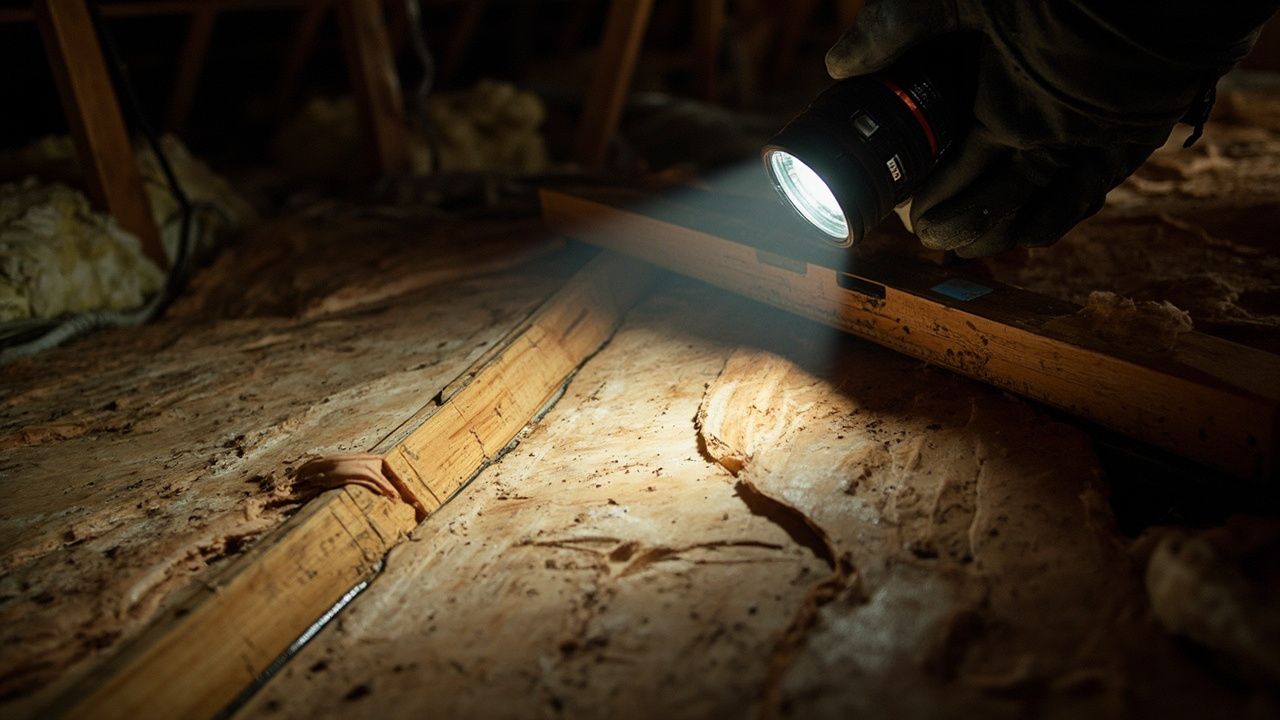
Our process begins with a load assessment. We measure deflection using a straight edge and laser level to determine how far the sheathing has sagged from the plane. Anything over half an inch indicates compromised structural integrity that requires decking replacement.

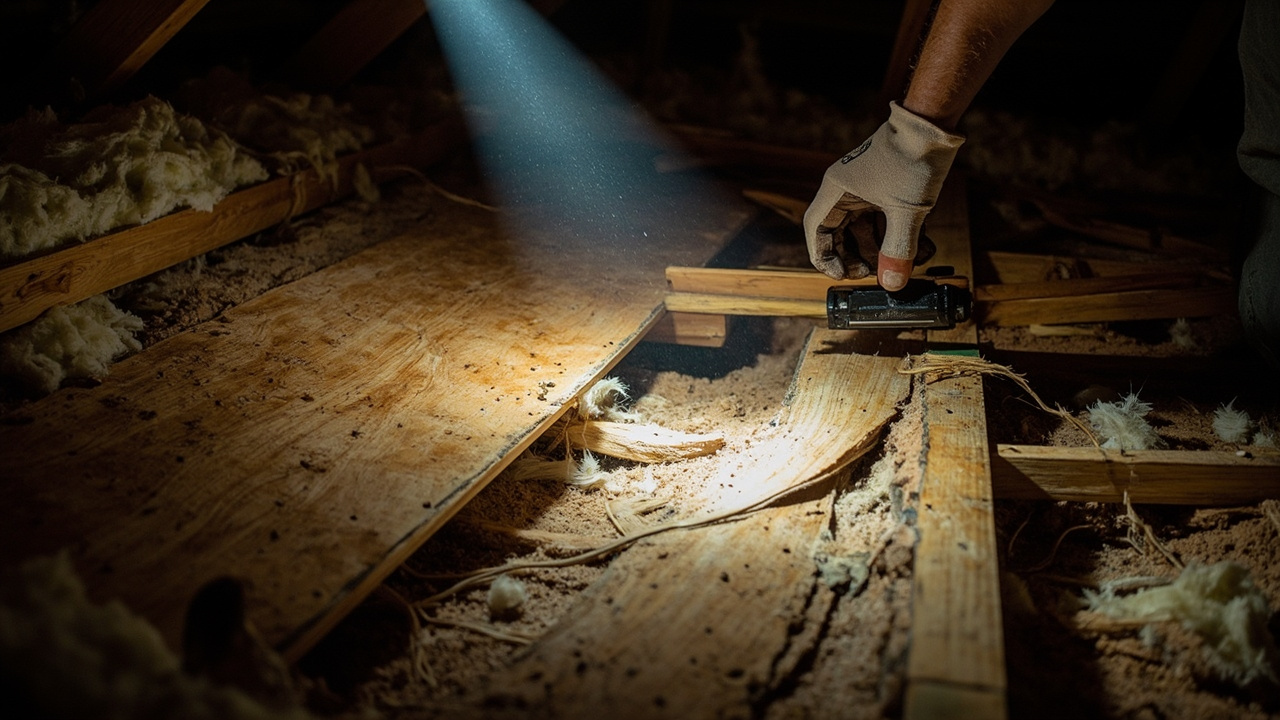
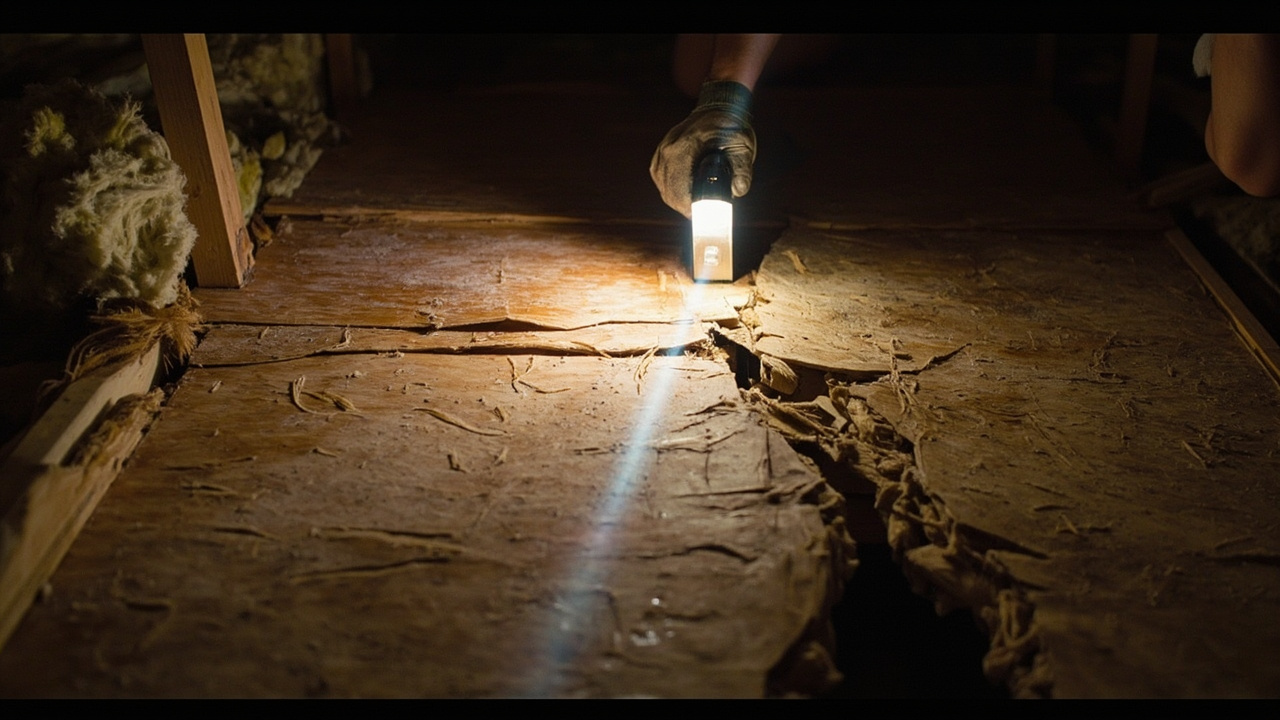
Next, we inspect from the attic. We look for water stains, mold growth, and delamination in the plywood layers. We check rafter spacing and evaluate whether the original framing can support new sheathing or if sistering is required. Sistering means adding a new board alongside a weakened rafter to restore load capacity.

We then remove the affected sheathing panels. This is surgical work. We do not tear off more than necessary. We cut along rafter centerlines to maintain structural support and ensure new panels have solid nailing surfaces.

For replacement, we use 5/8-inch CDX plywood or 7/16-inch ZIP System sheathing, depending on your rafter spacing and load requirements. Thicker is not always better. The key is matching the sheathing to the span and ensuring proper H-clip installation between panels to prevent future deflection.

We also inspect and replace rotted fascia boards and damaged soffit during decking work. Sagging decks often indicate water intrusion that has spread to perimeter framing.

Finally, we install a high-performance underlayment rated for Charlotte's wind-driven rain before re-roofing. This creates a secondary moisture barrier that protects the new decking from future saturation.

What Happens During Your Roof Deck Repair

Sagging Roof Deck in Charlotte – Expert Diagnosis and Structural Repair Before Collapse
01

Structural Assessment

We start with an attic inspection to measure deflection, check moisture levels, and evaluate rafter condition. This identifies whether the issue is isolated to sheathing or if framing members have also weakened. We document sagging areas with photos and measurements to create a scope that addresses the root cause, not symptoms.
02

Decking Replacement

We remove compromised sheathing panels and sister any damaged rafters before installing new decking. Each panel is cut to land on rafter centerlines with H-clips between sheets to eliminate bounce. We hand-nail perimeter edges and use pneumatic nailers on field nailing to meet code spacing. This restores the roof deck to factory-spec load capacity.
03

Weatherproofing and Re-Roofing

After decking replacement, we install synthetic underlayment with proper overlap and fastening. We then re-roof the affected area with shingles that match your existing roof in color and profile. Flashing is reinstalled or replaced to ensure water sheds correctly. The result is a structurally sound roof deck that will not sag, bow, or dip for decades.

Why Charlotte Homeowners Trust Us with Structural Roof Repairs

Roof deck repair is not shingle replacement. It requires carpentry skills, load calculations, and an understanding of how Charlotte's climate interacts with wood framing.

Most roofers avoid this work. They lack the framing experience to assess rafter damage, and they do not want to deal with the liability of structural repairs. They will tell you the sag is normal or that you just need new shingles. That is negligence.

We approach sagging decks as a structural problem first. Our crews include carpenters who have framed houses, not just roofed them. This means we can evaluate whether your trusses are spreading, whether ridge beams have settled, or whether poor attic ventilation has accelerated sheathing deterioration.

We also understand Charlotte building codes. Mecklenburg County requires specific wind load ratings for roof sheathing in our area. If your home was built before these codes were updated, your existing decking may not meet current standards. We bring your roof up to code during the repair, which protects your home and ensures you pass future inspections if you sell.

Our familiarity with Charlotte's housing stock also matters. We know which neighborhoods have homes with engineered trusses versus stick-framed roofs. We know which builders used substandard sheathing in the 1990s. This experience allows us to diagnose problems faster and avoid surprises once we open up the roof.

We also coordinate with insurance adjusters. Many Charlotte homeowners assume their policy will not cover sagging decks, but if the damage stems from a storm or a sudden failure, you may have coverage. We document everything and provide the technical language adjusters need to approve claims.

What to Expect When You Schedule Roof Deck Repair

Response Time and Scheduling

We schedule roof deck assessments within 48 hours of your call. If you have active leaking or visible interior damage, we prioritize your inspection and can often assess the same day. Repair timelines depend on the extent of damage, but most residential deck replacements are completed in two to four days. We tarp exposed areas overnight to protect your home during multi-day repairs.

The Inspection Process

Our inspection includes both attic access and exterior evaluation. We measure sag depth, check for soft spots, and probe sheathing with an awl to detect rot. We also inspect ventilation systems, as poor airflow accelerates moisture damage. You receive a written assessment with photos that explains what failed, why it failed, and what repair options you have. We never upsell unnecessary work.

The Quality of Completed Work

When we finish, your roof deck will meet or exceed current building codes. The new sheathing will be properly fastened, ventilated, and flashed. You will not see any visible sag, and the roofline will return to its original pitch. We clean up all debris, including old sheathing and nails, and we haul it away the same day. The work site is left cleaner than we found it.

Post-Repair Support

We provide documentation of all materials used, including sheathing grade, fastener type, and underlayment specs. This is critical for future insurance claims or home sales. We also offer a follow-up inspection after the first major rain to ensure water is shedding correctly. If you have concerns about other areas of your roof, we flag them during the initial assessment so you can plan ahead.

Frequently Asked Questions

You Have Questions,
We Have Answers

How to fix a sagging deck roof? +

Fixing a sagging deck roof requires structural reinforcement from below. A contractor inspects the roof deck to identify weakened sheathing, broken trusses, or water-damaged rafters. Common fixes include adding sistered rafters alongside existing ones, installing new support beams, or replacing rotted plywood sheathing. In Charlotte, high humidity accelerates wood decay, making early intervention critical. The contractor jacks up the sag gradually to avoid cracking existing materials, then secures new framing members. If moisture caused the sag, you need proper ventilation and underlayment upgrades to prevent recurrence. Do not attempt DIY structural repairs. Improper bracing can collapse under load.

How serious is a sagging roof? +

A sagging roof signals serious structural compromise. The sag you see means roof framing cannot support the load anymore. This happens from rotted rafters, undersized framing, water infiltration, or prolonged snow weight. In Charlotte, clay soil shifts put lateral stress on foundations, which can push walls inward and cause roof sag. Left unaddressed, the deck can collapse during storms or under HVAC equipment weight. Water pools in the sag, accelerating rot and creating leak entry points. Insurance may deny claims if you delay repairs after visible sagging. Get a structural assessment immediately. Sagging worsens fast once it starts.

Is it expensive to fix a sagging roof? +

Sagging roof repairs typically range from moderate to high cost depending on damage extent. Minor sag from a single broken truss costs less than full deck replacement. Factors affecting price include roof size, accessibility, sheathing replacement needs, and whether trusses or rafters need sistering. In Charlotte, older homes in neighborhoods like Dilworth often need more extensive work due to age and humidity exposure. If water damage spread to insulation or ceiling joists, costs increase. The expense of repair is always less than replacement or collapse damage. Delaying makes the problem worse and more expensive. Get multiple quotes from licensed structural roofers.

How much roof sagging is acceptable? +

No roof sag is acceptable. Any visible dip or low spot indicates structural failure in progress. Roofs should form clean, straight planes from ridge to eave. Even a one-inch sag means framing members have lost load capacity. In Charlotte, freeze-thaw cycles and summer heat expand and contract roofing materials, which worsens minor sags quickly. Some homeowners confuse poor framing installation with acceptable settlement, but settlement does not cause sag. If you see sagging between rafters or along ridge lines, the structure needs immediate evaluation. Do not wait for the sag to grow. Early repairs cost less and prevent secondary damage.

Why Charlotte's Humidity and Storm Patterns Accelerate Roof Deck Failure

Charlotte sits in a humid subtropical zone where average summer humidity exceeds 70 percent. This moisture saturates roof sheathing through poor attic ventilation or compromised underlayment. When afternoon thunderstorms drop heavy rain, water infiltrates nail holes and seams in aging roofs. Over time, this moisture causes plywood delamination and OSB swelling. The result is bowing roof sheathing that worsens every season. Homes near Lake Norman or along the Catawba River face even higher moisture exposure, which accelerates warped roof plywood and deflected roof sheathing.

Mecklenburg County building codes now require specific fastening schedules and sheathing thicknesses for new roofs, but older homes predate these standards. That is why Charlotte homeowners dealing with sunken roof boards need a contractor who understands both current code and legacy construction methods. Five Star Roofing Charlotte has repaired sagging decks in every neighborhood from Myers Park to University City. We know which homes are vulnerable and how to fix them correctly the first time. Local expertise is not optional when structural safety is on the line.

Roofing Services in The Charlotte Area

Five Star Roofing Charlotte is proud to serve the entire community and surrounding areas. We’re dedicated to providing fast, reliable service right to your doorstep, no matter where you are. View our location on the map to see our central hub, and rest assured that our dedicated teams are ready to dispatch and bring our exceptional services to your neighborhood.

Address:
Five Star Roofing Charlotte, 3117 Whiting Ave, Charlotte, NC, 28205

Additional Services We Offer

Our news updates

Latest Articles & News from The Blogs

Dealing with Woodpecker and Bird Damage on Your Cedar Shake Roof in Quail Hollow Woodpeckers and other birds can cause…

Dealing with Woodpecker and Bird Damage on Your Cedar Shake Roof in Quail Hollow

Dealing with Woodpecker and Bird Damage on Your Cedar Shake Roof in Quail Hollow Woodpeckers and other birds can cause…

What Happens to Your Roof Warranty if You Install Holiday Lights the Wrong Way?

What Happens to Your Roof Warranty if You Install Holiday Lights the Wrong Way? Installing holiday lights on your roof…

Picking the Perfect Roof to Complement Your New James Hardie Siding

Picking the Perfect Roof to Complement Your New James Hardie Siding Choosing the right roof color for your home’s new…

Contact Us

A sagging roof deck will not fix itself. Every day you wait, more framing members weaken and repair costs climb. Call Five Star Roofing Charlotte at (980) 352-5899 to schedule a structural assessment. We will tell you exactly what is wrong and what it takes to fix it right.