




menu

Roof Flashing Leaking in Charlotte – Expert Diagnosis and Permanent Repair Solutions

Our certified roofers identify the exact cause of your roof flashing leaking, from seal failure to corrosion, and deliver targeted repairs that stop water intrusion at the source.

Slider Image 1
Slider Image 2
Slider Image 3
Slider Image 4
Slider Image 5
Slider Image 7
Slider Image 8
Slider Image 9
Slider Image 10
Slider Image 11

Why Roof Flashing Fails in Charlotte's Climate

You notice water stains on your ceiling near the chimney or along an exterior wall. The problem is not your shingles. The problem is your flashing.

Charlotte's climate accelerates flashing failure. Summer humidity sits at 70 to 80 percent, creating constant moisture exposure. Winter brings freeze-thaw cycles that expand and contract metal flashing, breaking sealant bonds. Spring storms dump heavy rain that tests every vulnerable seam. These conditions cause leaky roof flashing faster than in drier climates.

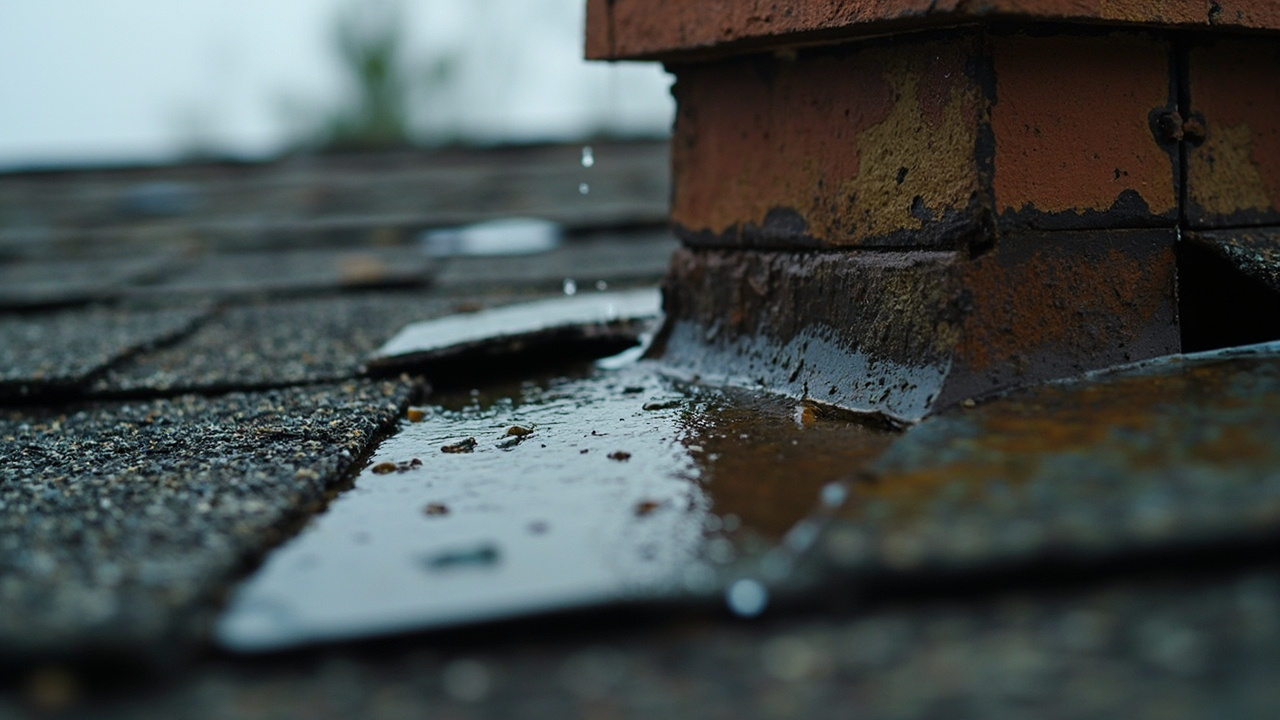
Damaged roof flashing shows up in predictable places. Chimneys, skylights, dormers, and roof valleys all require metal flashing to redirect water. When flashing seal failure occurs, water infiltrates the roof deck. You might see brown ceiling stains, peeling interior paint, or damp insulation in your attic. By the time you notice interior damage, the leak has been active for weeks or months.

Rusted roof flashing is common in older Charlotte homes, especially those built before 1990. Galvanized steel flashing corrodes over time, developing pinhole leaks that spread. Loose roof flashing happens when fasteners back out due to thermal expansion or when wind lifts improperly secured metal. Both conditions allow water to bypass your roof's primary barrier.

The longer you wait, the worse it gets. Water travels along roof decking and framing, causing wood rot and mold growth. What starts as a small flashing issue becomes a structural repair.

Why Roof Flashing Fails in Charlotte's Climate
How We Diagnose and Repair Leaking Flashing

How We Diagnose and Repair Leaking Flashing

We do not guess. We trace the water entry point using a systematic inspection protocol.

Our crew examines every flashing transition on your roof. We check the counter-flashing at your chimney, the step flashing along dormers, and the valley flashing where roof planes intersect. We look for gaps in the sealant, corrosion spots, and loose fasteners. We inspect the underlayment beneath the flashing to confirm water has not compromised the roof deck.

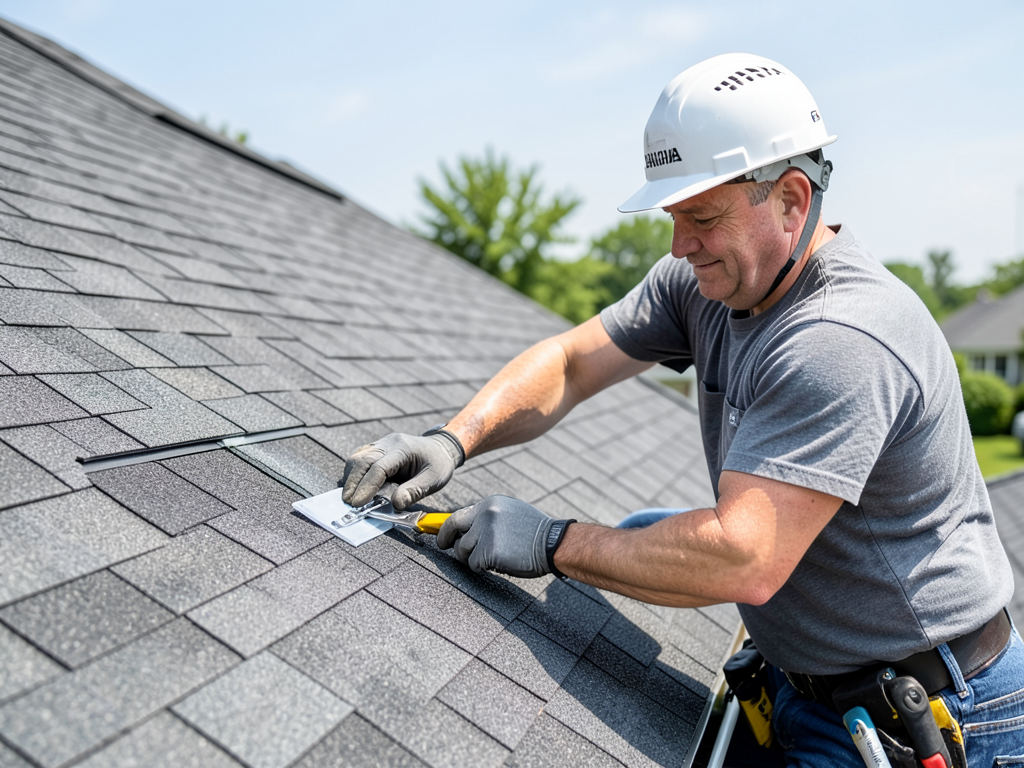
Many roofers apply caulk and call it fixed. That approach fails within months. We remove the damaged flashing completely. If the flashing is rusted or cracked, we fabricate new pieces from copper or heavy-gauge aluminum. If the existing flashing is structurally sound but improperly installed, we re-secure it with the correct fastening pattern and overlay.

We replace any water-damaged roof decking before reinstalling flashing. Wet plywood loses its structural integrity and will not hold fasteners. We cut out compromised sections and sister in new sheathing, creating a solid substrate for the flashing repair.

We use ice and water shield membrane at all flashing locations. This self-adhering barrier provides a secondary waterproof layer that protects against future leaks. We then install the new flashing with a 4-inch overlap at all seams and seal every penetration with polyurethane sealant rated for metal-to-shingle adhesion.

We do not leave until we verify the repair. We perform a water test, running a hose over the repaired area for 15 minutes while a crew member monitors the attic for moisture. This step confirms the repair is watertight before we leave your property.

What Happens During Your Flashing Repair

Roof Flashing Leaking in Charlotte – Expert Diagnosis and Permanent Repair Solutions
01

Roof and Attic Inspection

We start with a complete roof inspection, identifying every flashing location and tracing the leak path. Our crew checks your attic for water stains, mold, and structural damage. We use moisture meters to detect hidden water intrusion in the roof deck and framing. This diagnostic phase takes 30 to 60 minutes and determines the full scope of repair.
02

Flashing Removal and Repair

We remove the compromised flashing and inspect the underlying structure. If the roof deck is damaged, we replace it. We fabricate new flashing or re-secure existing pieces, depending on the condition. We install ice and water shield beneath all flashing, then fasten and seal every seam. This step ensures a permanent, watertight repair that withstands Charlotte's weather extremes.
03

Water Test and Verification

Before we consider the job complete, we test the repair. We run water over the flashing area while monitoring the attic and interior spaces for leaks. This verification step confirms the repair is successful. We clean up all debris, document the work with photos, and provide you with a detailed summary of the repairs performed and materials used.

Why Charlotte Homeowners Choose Five Star Roofing Charlotte

Flashing repair requires precision. A misplaced fastener or improper overlap creates a new leak. Our crew has repaired flashing on hundreds of Charlotte roofs, from historic bungalows in Dilworth to modern builds in Ballantyne. We understand how different roof designs handle water, and we know which materials hold up in this climate.

We work with your insurance company. Most homeowners do not realize that flashing leaks caused by storm damage are covered under standard policies. We document the damage, provide detailed estimates, and communicate directly with adjusters. This process removes the burden from you and increases the likelihood of claim approval.

We match your existing roof materials. If your home has architectural shingles, we integrate the flashing repair without disrupting the aesthetic. If you have a tile or slate roof, we use compatible flashing materials and techniques. The repair blends seamlessly with the surrounding roof.

We respond fast. Leaking flashing causes secondary damage every day it remains unfixed. Water spreads through insulation, drywall, and framing. Mold develops within 48 hours of water exposure. We schedule inspections within 24 to 48 hours of your call and prioritize active leaks for same-week repairs.

Charlotte's building codes require specific flashing details at roof penetrations and transitions. We comply with current code, which matters if you ever sell your home or file an insurance claim. Improper flashing installation can void warranties and create liability. Our work meets or exceeds local standards, protecting your investment and ensuring your roof performs as designed.

What You Can Expect from Our Flashing Repair Service

Fast Scheduling and Response

We schedule inspections within 24 to 48 hours of your call. If you have an active leak causing interior damage, we prioritize your repair. Most flashing repairs take one day to complete, depending on the extent of structural damage. We work in all weather conditions except heavy rain or high winds. If your leak is severe, we provide temporary tarping to prevent further water intrusion while we source materials and schedule the full repair.

Thorough Damage Assessment

Our inspection covers every flashing location on your roof. We check chimneys, skylights, dormers, valleys, and wall intersections. We enter your attic to trace the leak path and assess hidden damage to framing and insulation. We use moisture meters to detect water in the roof deck. We document everything with photos and provide a written estimate that breaks down material costs and labor. You will know exactly what needs repair before we start work.

Permanent, Code-Compliant Repairs

We do not use temporary fixes. We remove damaged flashing, replace compromised roof decking, and install new flashing with proper overlap and fastening. We use ice and water shield at all vulnerable areas and seal every seam with high-grade polyurethane sealant. Our repairs meet Charlotte building codes and manufacturer specifications. The result is a watertight roof that protects your home for decades, not months.

Post-Repair Documentation and Support

After completing the repair, we provide detailed documentation. You receive photos of the damaged flashing, the repair process, and the final installation. We include a list of materials used and a summary of work performed. This documentation is critical for insurance claims and future home sales. We stand behind our work. If you experience any issues with the repaired flashing, we return to inspect and address the problem at no additional cost.

Frequently Asked Questions

You Have Questions,
We Have Answers

How to fix leaking roof flashing? +

Fixing leaking roof flashing requires identifying the problem first. You need to remove old caulk or sealant, clean the area, and check for rust or cracks. Small gaps get sealed with roofing cement. Damaged flashing needs replacement, which means lifting shingles, removing the old metal, and installing new flashing properly integrated with your roof system. Charlotte's freeze-thaw cycles and summer storms make DIY repairs risky. Improper installation lets water penetrate deeper into your roof deck. A professional roofer ensures proper step flashing around chimneys and valleys, preventing future leaks. If you see water stains on your ceiling, act fast before rot spreads.

Can roof flashing cause leaks? +

Yes. Roof flashing causes leaks when it fails. Flashing seals vulnerable spots where your roof plane meets walls, chimneys, vents, and skylights. When flashing corrodes, separates, or gets installed wrong, water runs behind it straight into your home. Charlotte homes face high humidity and seasonal temperature swings that expand and contract metal flashing. This movement breaks sealant bonds over time. Cheap builder-grade flashing degrades faster. Most Charlotte roof leaks trace back to flashing failure around chimneys and valley intersections, not the shingles themselves. If your ceiling stains appear near walls or roof transitions, flashing is your problem.

How much does it cost to repair flashing on a roof? +

Flashing repair in Charlotte typically ranges based on damage extent and location. Minor resealing runs less than major replacement work. Chimney flashing costs more than simple vent boot repairs because it requires removing multiple shingle courses and fabricating custom counterflashing. Skylight flashing sits at the higher end due to complexity. Accessibility matters. Single-story repairs cost less than steep second-story work. Metal choice affects price. Aluminum costs less than copper or galvanized steel. Most Charlotte roofers charge separately for materials and labor. Get three written estimates that detail the specific flashing type, metal gauge, and square footage being replaced. Avoid bottom-dollar bids that use thin flashing.

Are roofers responsible for flashing? +

Yes. Licensed roofers handle flashing installation and repair as part of complete roof work. Flashing is not optional or separate. It integrates with your shingle system to create a watertight barrier. When you hire a roofer in Charlotte, proper flashing around chimneys, walls, vents, and valleys falls under their scope. A quality roofer uses correct step flashing techniques, not just slapping caulk on gaps. They understand local building codes and how Charlotte's weather patterns stress flashing joints. If your roofer skips proper flashing or uses shortcuts, you will get leaks. Always verify your contract explicitly covers flashing work, not just shingle replacement.

Does homeowners insurance cover flashing repair? +

Sometimes. Homeowners insurance covers flashing repair if a covered peril caused the damage. Sudden storm damage, fallen tree limbs, or hail that tears flashing qualifies. Insurance does not cover wear and tear, rust from age, or improper installation. Charlotte homeowners often face claim denials when adjusters label flashing failure as maintenance neglect. Document everything with photos before repairs start. Get a professional inspection report stating storm damage caused the flashing failure. Your policy deductible applies. If flashing failed because your roof is 20 years old and deteriorated naturally, you pay out of pocket. Review your policy declarations page for specific exclusions.

Does flex seal work on roof flashing? +

No. Flex Seal fails on roof flashing. It creates a temporary surface seal that does not address underlying flashing problems. Charlotte's temperature extremes make Flex Seal crack and peel within months. It does not bond permanently to metal flashing, especially when moisture or oxidation exists underneath. Water finds its way around the edges. Professional roofers never use Flex Seal because it complicates proper repairs later. You must scrape it all off before installing real flashing. If you need an emergency stopgap during a storm, use it, but schedule proper flashing repair immediately. Flex Seal commercials show controlled conditions, not real roof environments with thermal expansion and UV exposure.

Can you replace flashing without replacing the roof? +

Yes. You can replace flashing without replacing your entire roof if the shingles remain in good condition. Roofers carefully lift shingle courses around the damaged flashing, remove the old metal, install new flashing, and re-secure the shingles. This works well for isolated chimney flashing or single valley repairs. Charlotte homes with 10-year-old roofs often need flashing replacement while shingles still have life left. The key is doing it right. Lifting shingles risks breaking tabs on older, brittle asphalt. A skilled roofer knows how to work without causing collateral damage. If multiple flashing areas failed simultaneously, your whole roof may need replacement soon.

What are signs of failing roof flashing? +

Water stains on ceilings near walls, chimneys, or skylights signal failing flashing. Look for rust streaks on metal flashing or gaps where flashing pulls away from surfaces. Curled or lifted shingles around flashing areas show water infiltration underneath. In Charlotte attics, check for daylight visible through roof-to-wall joints. Musty odors near exterior walls indicate hidden moisture from flashing leaks. Peeling paint on chimney surrounds or exterior walls below the roofline points to water running behind flashing. After heavy rain, inspect your attic immediately. Fresh water stains appear darker. Catch flashing failure early before rot spreads into rafters and decking.

Is it normal for a roof to leak in heavy rain? +

No. A properly installed roof should not leak during heavy rain. If yours does, you have a problem. Charlotte gets intense summer thunderstorms and hurricane remnants that test every roof weakness. Heavy rain exposes flashing failures, missing shingles, and improper valley installation. Water should sheet off your roof, not penetrate it. Older homes sometimes leak during wind-driven rain when water gets forced under shingles, but this still indicates a deficiency needing repair. Do not ignore leaks just because they only happen in downpours. That water damages insulation, drywall, and framing every time. Get a professional inspection after the storm passes.

What is the lifespan of roof flashing? +

Roof flashing lasts 20 to 30 years depending on material and installation quality. Copper flashing outlasts aluminum and galvanized steel. Charlotte's humidity accelerates corrosion on cheaper metals. Properly installed step flashing with quality sealant reaches the higher end of that range. Exposed flashing on chimneys degrades faster than valley flashing protected under shingles. UV exposure, temperature cycling, and trapped moisture between flashing and wood shorten lifespan. If your roof is 15 years old and you see rust on flashing, plan for replacement soon. Flashing often fails before shingles do. Inspect flashing every five years to catch problems early.

How Charlotte's Humidity and Storms Accelerate Flashing Corrosion

Charlotte sits in a humid subtropical zone. Summer dew points regularly exceed 70 degrees, creating near-constant moisture on roof surfaces. This humidity accelerates oxidation in galvanized steel flashing, causing rust and pinhole leaks. Spring and summer thunderstorms deliver intense rainfall, testing every flashing seam. Homes in tree-covered neighborhoods like Myers Park and Eastover face additional risk from organic debris that traps moisture against flashing, speeding up corrosion and seal failure.

Charlotte's roofing standards require specific flashing installation methods to handle our weather. Many older homes were built before current code requirements and have undersized or improperly installed flashing. Our crew stays current with local building code updates and manufacturer specifications. We have worked with nearly every roof style in the Charlotte metro, from ranch homes in South End to multi-level colonials in Waxhaw. Local expertise matters when diagnosing and repairing leaky roof flashing.

Roofing Services in The Charlotte Area

Five Star Roofing Charlotte is proud to serve the entire community and surrounding areas. We’re dedicated to providing fast, reliable service right to your doorstep, no matter where you are. View our location on the map to see our central hub, and rest assured that our dedicated teams are ready to dispatch and bring our exceptional services to your neighborhood.

Address:
Five Star Roofing Charlotte, 3117 Whiting Ave, Charlotte, NC, 28205

Additional Services We Offer

Our news updates

Latest Articles & News from The Blogs

Dealing with Woodpecker and Bird Damage on Your Cedar Shake Roof in Quail Hollow Woodpeckers and other birds can cause…

Dealing with Woodpecker and Bird Damage on Your Cedar Shake Roof in Quail Hollow

Dealing with Woodpecker and Bird Damage on Your Cedar Shake Roof in Quail Hollow Woodpeckers and other birds can cause…

What Happens to Your Roof Warranty if You Install Holiday Lights the Wrong Way?

What Happens to Your Roof Warranty if You Install Holiday Lights the Wrong Way? Installing holiday lights on your roof…

Picking the Perfect Roof to Complement Your New James Hardie Siding

Picking the Perfect Roof to Complement Your New James Hardie Siding Choosing the right roof color for your home’s new…

Contact Us

Water damage spreads fast. Call Five Star Roofing Charlotte at (980) 352-5899 for a same-week inspection. We will diagnose the problem, provide a detailed estimate, and schedule your repair. Do not wait until the damage gets worse.