





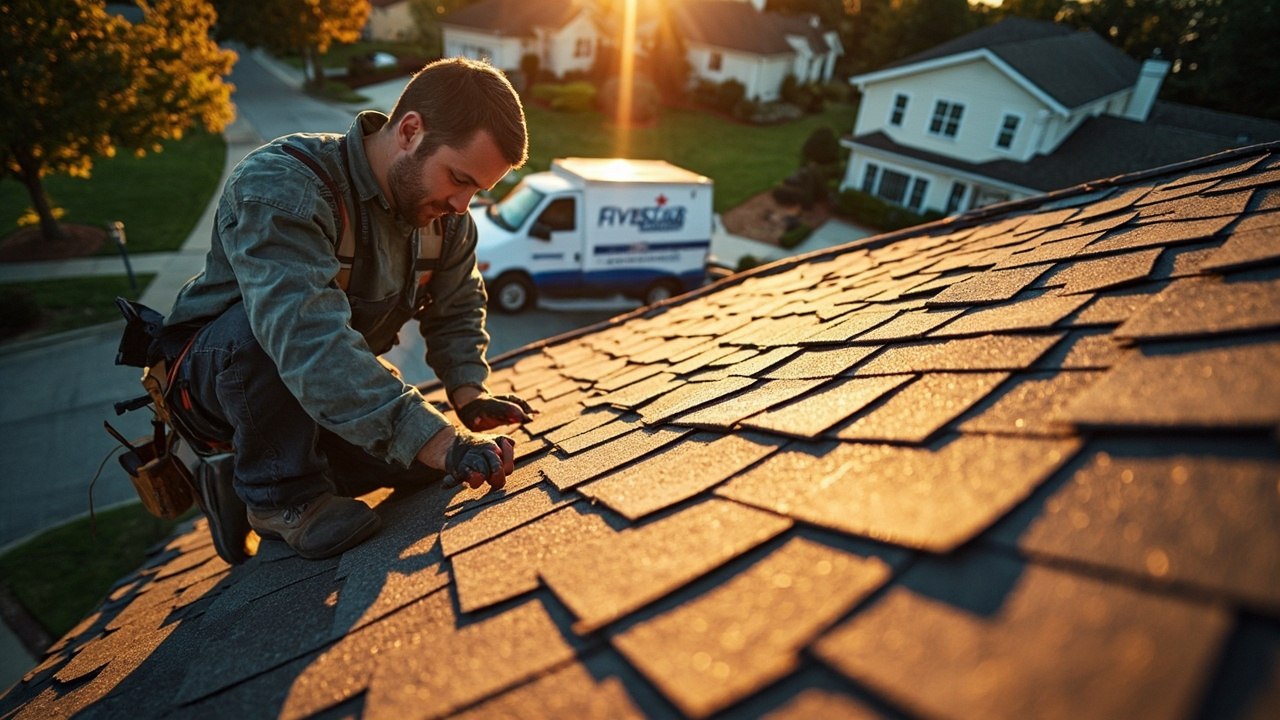
Charlotte averages 43 inches of rain per year, most of it falling in short, intense thunderstorms that test every weak point in your roof. Humidity stays above 70 percent for most of the summer, creating conditions where algae and moss thrive on north-facing slopes. Once algae takes hold, it feeds on the limestone filler in asphalt shingles and accelerates granule loss. The black streaks you see on roofs in Ballantyne and Huntersville are not just cosmetic. They signal that the protective layer of your shingles is being consumed. Add in wind gusts from afternoon storms and the occasional tropical system that pushes inland from the coast, and you have a roofing environment that punishes half-measures. A full roof replacement with proper underlayment, ventilation, and impact-resistant shingles is the only way to get ahead of these conditions.
Mecklenburg County requires permits for all reroofing services and enforces the North Carolina Building Code, which sets specific standards for wind resistance, fastener schedules, and flashing details. Inspectors check for proper drip edge installation, valley lining, and ventilation ratios. A roof that does not meet code will not pass inspection, and you will not get a certificate of occupancy if you are selling your home. Five Star Roofing Charlotte knows what county inspectors look for because we work with them every week. We pull the permits, schedule the inspections, and ensure your new roof installation meets or exceeds code requirements. You get a roof that protects your home and satisfies the county, your insurance company, and future buyers.