




menu

Emergency Tarping Service in Charlotte – Immediate Response Teams Dispatched Within 60 Minutes

When storm damage leaves your roof exposed, every minute counts. Our emergency tarping service provides 24 hour roof tarping protection to prevent water intrusion, structural damage, and insurance complications across Charlotte's metro area.

Slider Image 1
Slider Image 2
Slider Image 3
Slider Image 4
Slider Image 5
Slider Image 7
Slider Image 8
Slider Image 9
Slider Image 10
Slider Image 11

Storm Damage Doesn't Wait for Business Hours

Charlotte's weather patterns create perfect storm conditions. Summer thunderstorms bring sudden hail and wind gusts that rip shingles off in seconds. When Hurricane remnants push through the Piedmont region, the combination of saturated ground and sustained winds turns trees into projectiles aimed directly at your roof.

The moment your roof is compromised, the clock starts ticking. Water pours through damaged decking into your attic insulation. That first gallon spreads across ceiling joists, soaking drywall and creating the perfect breeding ground for mold in Charlotte's humid climate. Within 48 hours, secondary damage often exceeds the initial storm loss.

You need emergency roof tarp installation before the next rain band moves through. Our 24 hour roof tarping teams understand that temporary roof covering services are not just about stopping visible leaks. We secure vulnerable areas against wind-driven rain, prevent thermal envelope breaches that spike your energy bills, and protect your insurance claim by documenting damage before weather obscures the evidence.

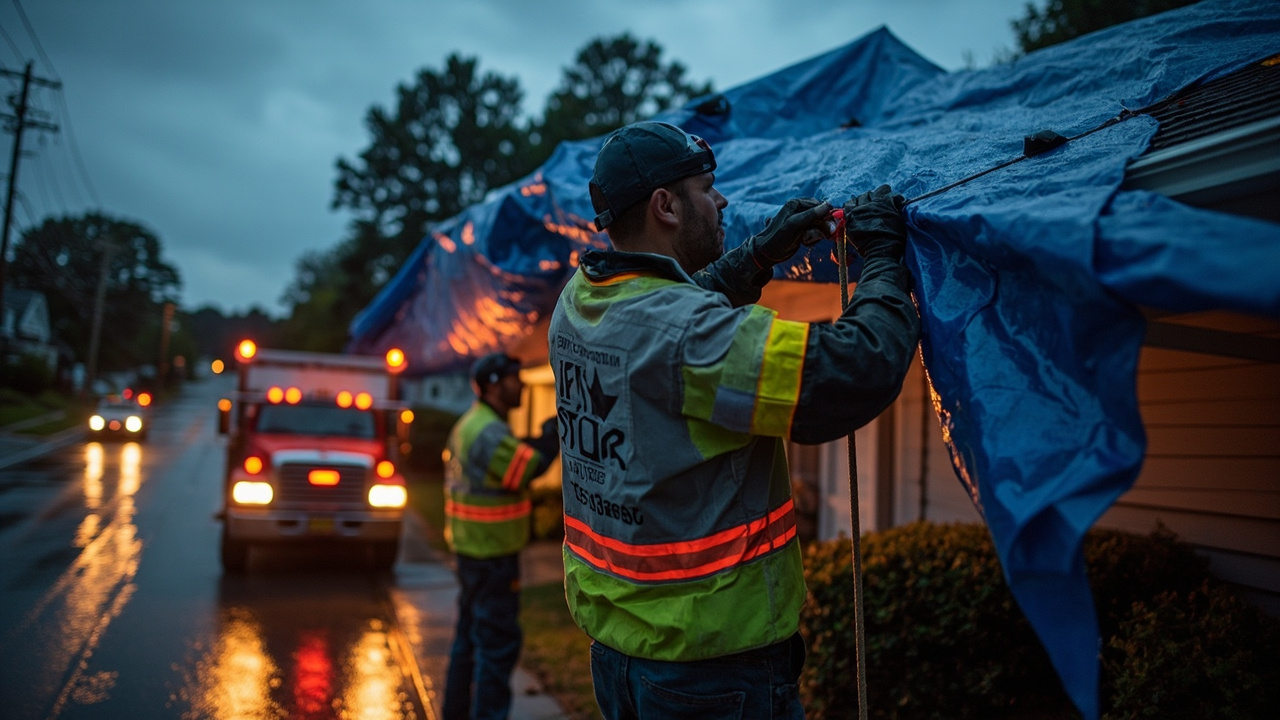
When branches punch through your roof at 2 AM or hail shreds your ridge cap during Sunday dinner, urgent roof tarping becomes the barrier between a manageable insurance claim and a total loss. Storm damage roof tarping is crisis management. We stop the bleed while you figure out the next steps.

Charlotte homeowners face a specific challenge. Our clay soil shifts with moisture changes. A compromised roof allows water infiltration that accelerates foundation movement. The damage cascades from roof to walls to slab. Emergency tarping service breaks that chain.

Storm Damage Doesn't Wait for Business Hours
How Professional Storm Tarping Prevents Escalating Damage

How Professional Storm Tarping Prevents Escalating Damage

Amateur tarping fails within hours. We see it constantly. Homeowners stretch a blue tarp over the hole, weight it with bricks, and wake up to the tarp flapping in the breeze and water pouring in worse than before.

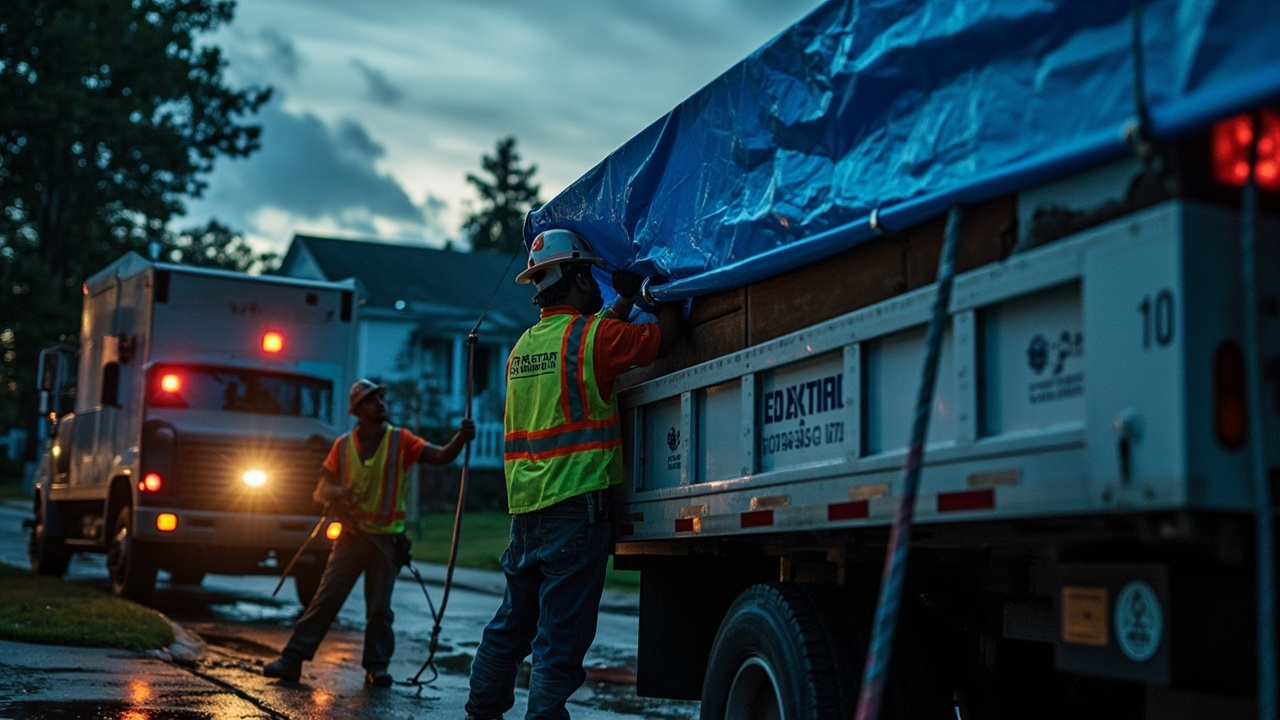
Professional storm damage roof tarping requires understanding roof geometry and wind loading. We anchor tarps using the deck screwing method, which penetrates through the tarp into sound decking with corrosion-resistant fasteners and oversized washers that distribute load. This creates a mechanical attachment that survives 50 mph gusts.

For larger damage areas, we deploy reinforced poly tarps with built-in grommets, securing them along existing roof lines rather than across open spans. The tarp follows the roof plane, shedding water toward gutters instead of collecting it in sagging pools that add hundreds of pounds of dead load to compromised trusses.

We extend coverage six feet beyond visible damage in all directions. Storm impacts create micro-fractures in surrounding shingles and hidden membrane tears that only reveal themselves during the next rain. Inadequate coverage turns a contained problem into a spreading disaster.

Edge sealing matters critically in Charlotte's wind-driven rain events. We use furring strips to create compression seals along the tarp perimeter, preventing water from wicking underneath. The tarp becomes a functional watershed, not just a cosmetic cover.

Our teams carry industrial staplers, pneumatic nailers, and battery-powered impact drivers. We work from secured ladder positions with fall protection, even during nighttime emergency calls. The temporary roof covering services we provide meet the same safety standards as permanent installations because your family is underneath that tarp.

What Happens When You Call for Emergency Roof Tarping

Emergency Tarping Service in Charlotte – Immediate Response Teams Dispatched Within 60 Minutes
01

Immediate Damage Assessment

Our dispatch team asks specific questions about damage location, leak severity, and interior impact while simultaneously routing the nearest available crew to your address. You receive an estimated arrival time within three minutes of your call. Our technicians arrive with commercial ladders, safety equipment, and sufficient tarping materials to cover up to 2,000 square feet of damaged roofing without requiring supply runs.
02

Secure Tarp Installation

The crew leader performs a safety inspection of the roof structure before anyone climbs up. We identify compromised decking, check for hidden punctures, and map the full extent of damage using thermal imaging when needed. The tarp installation follows wind direction patterns specific to your roof pitch and orientation. We photograph the damage from multiple angles for your insurance documentation before covering it.
03

Documentation and Follow-Up

You receive a detailed report including photos, damage description, and our professional assessment of repair scope. We coordinate directly with your insurance adjuster if requested and provide a repair estimate within 24 hours. Our tarps remain effective for 90 days under normal conditions, giving you time to navigate insurance procedures without panic. We schedule a follow-up inspection after the next significant rain to verify the temporary covering performs as expected.

Why Charlotte Homeowners Trust Our Emergency Response

Five Star Roofing Charlotte maintains four rapid response vehicles strategically positioned across Mecklenburg County. When storms hit South End, our Pineville team responds. When wind shears through University City, our North Charlotte crew rolls. This geographic coverage model cuts response times by 40 percent compared to single-location competitors.

We understand Charlotte's architectural diversity. Historic Dilworth bungalows have different roof structures than new construction in Ballantyne. The 1920s homes in Myers Park feature slate and tile that require specialized tarping approaches. We have worked on everything from the painted metal roofs in NoDa to the architectural shingles dominating suburban neighborhoods.

Local building codes matter during emergency repairs. Charlotte requires permits for temporary structures exceeding certain square footage. We know these thresholds and handle documentation so you avoid code violations that complicate insurance claims. Our crews understand that work in Historic Districts faces additional scrutiny and adjust methods accordingly.

The clay soil throughout Charlotte creates unique foundation vulnerability. We have seen how a tarped roof that channels water incorrectly creates concentrated drainage that undermines foundation walls. Our installation approach considers whole-house water management, not just roof protection.

You need a company that answers the phone at 3 AM and actually sends someone, not an answering service that takes a message. Our dispatch center operates 24/7 with live humans who can deploy crews, not automated systems that queue callbacks for morning. When you are watching water pour through your ceiling, the difference between immediate response and next-day service is thousands of dollars in additional damage.

We have worked through every major storm event in Charlotte for the past decade. We know what happens when systems overwhelm the market with simultaneous damage claims.

What to Expect During Emergency Tarping Service

Response Time and Availability

Our average response time during normal weather is 45 minutes. During active storm events with multiple simultaneous calls, we operate a triage system prioritizing active interior flooding over contained damage. You receive a realistic time estimate, not false promises. Our crews work through the night until every emergency call receives coverage. We maintain relationships with regional tarping specialists who supplement our capacity during major events, ensuring you get help even when demand spikes. Weekend and holiday calls receive the same priority as weekday emergencies.

On-Site Damage Evaluation

The crew leader walks your attic space with a flashlight, identifying water stains, wet insulation, and structural concerns invisible from the exterior. We check for secondary damage including compromised electrical systems, soaked insulation that needs removal, and hidden roof deck deterioration. You receive a verbal assessment on-site explaining what we found, what needs immediate attention, and what can wait for permanent repairs. This evaluation includes identifying whether damage resulted from storm impact, gradual deterioration, or installation defects, information that proves critical during insurance negotiations.

Quality of Temporary Protection

We use commercial-grade reinforced polyethylene tarps rated for 90-day exterior exposure, not the consumer tarps from hardware stores that deteriorate in weeks. Every penetration point receives a washer to prevent tearing. Edge treatments include furring strips or sand-filled tubes that create positive seals without damaging surrounding shingles. The installation withstands winds up to 60 mph when properly executed. You should experience zero interior leakage during subsequent rain events. If water penetrates our tarping within the first week, we return immediately to identify and correct the failure point at no charge.

Insurance Coordination Support

We document everything your insurance company needs to process emergency tarping as a covered expense. Our report includes time-stamped photos showing damage severity, detailed material lists, and labor documentation. Most policies cover emergency mitigation under dwelling coverage. We provide itemized invoices that separate tarping from future repair estimates, preventing confusion during claims processing. Our team can meet with adjusters on-site to explain damage patterns and advocate for complete repair scope. We have worked with every major insurance carrier operating in Charlotte and understand their documentation requirements.

Frequently Asked Questions

You Have Questions,
We Have Answers

How much does emergency roof tarping cost? +

Emergency roof tarping in Charlotte typically costs between $200 and $1,500, depending on roof size, damage severity, and accessibility. A basic tarp on a single-story home runs lower, while steep pitches or storm damage requiring multiple tarps cost more. You pay for speed and protection. Reputable contractors charge for materials, labor, and 24/7 availability. Charlotte's unpredictable weather means tarping prevents secondary water damage to insulation, drywall, and belongings. Most insurance policies cover emergency tarping as part of your claim. Get documentation and photos immediately. Delaying tarping can void coverage if additional damage occurs.

How much does insurance pay for tarping? +

Insurance typically covers 100% of emergency tarping costs when storm damage causes the leak. Tarping falls under immediate mitigation, which insurers require to prevent further loss. In Charlotte, carriers expect you to act fast after hail, wind, or fallen trees damage your roof. Save receipts and take photos before and after tarping. Your adjuster will review the bill during the claim process. If you wait and water destroys ceilings or floors, the insurer may deny secondary damage claims. Tarping is not your deductible. It protects your home until permanent repairs happen.

Will Fema put a tarp on my roof? +

FEMA provides free blue tarps through Operation Blue Roof after presidentially declared disasters affecting Charlotte or surrounding counties. Eligibility depends on the disaster declaration and your home's location within the affected zone. FEMA contractors install tarps at no cost, but availability is limited and demand is high after major storms. If FEMA deploys, registration is required. For non-declared events or faster service, hire a local contractor. FEMA tarps address immediate emergency needs but are temporary. You still need permanent roof repairs and must work with your insurance separately.

How do I get a new roof if I can't afford it? +

If you cannot afford a new roof in Charlotte, start with your insurance claim. Storm damage from hail, wind, or falling branches is usually covered. If denied or you lack coverage, explore financing options through roofing contractors offering payment plans or third-party lenders. North Carolina nonprofit programs occasionally assist low-income homeowners with critical repairs. Some contractors work directly with adjusters to maximize claims. Temporary tarping buys time while you secure funding. Ignoring a damaged roof leads to structural rot, mold, and higher costs. Address leaks immediately, then pursue long-term financing or assistance programs.

How much to put a roof on a 2000 sq ft house? +

A full roof replacement on a 2,000 square foot house in Charlotte generally costs between $8,000 and $15,000, depending on materials and complexity. Asphalt shingles are most affordable. Metal, tile, or architectural shingles increase costs. Factors include roof pitch, number of layers to remove, and flashing repairs. Charlotte's humidity and storm exposure make quality underlayment critical. This estimate covers labor, materials, permits, and disposal. Emergency tarping is separate and temporary. Always get multiple written estimates and verify contractor licensure. Insurance may cover replacement if storm damage is documented.

How long do Fema tarps last? +

FEMA blue tarps last three to six months under normal conditions. In Charlotte, high humidity, afternoon thunderstorms, and UV exposure degrade tarps faster. Wind can loosen fasteners, and heavy rain pools water if installation is poor. FEMA tarps are emergency measures, not permanent solutions. You must arrange roof repairs before the tarp fails. Prolonged tarp use risks underlying deck rot and mold growth in your attic. Insurance claims require timely permanent repairs. If a FEMA tarp is nearing failure and repairs are delayed, contact a local contractor to reinforce or replace it immediately.

Why Charlotte's Storm Patterns Make Emergency Tarping Critical

Charlotte sits at the western edge of the Piedmont plateau where warm, humid air from the southeast collides with cooler air masses moving down from the mountains. This creates explosive thunderstorm development, particularly during spring and summer months. The storms intensify rapidly, dropping golf ball sized hail and producing straight-line winds exceeding 70 mph with minimal warning. Hurricane season brings a different threat as systems weaken while moving inland but still pack enough punch to drop trees across rooflines. The combination of sudden severe weather and our dense tree canopy means roof damage happens fast and often. Emergency roof tarp installation becomes essential because the next storm cell often arrives within 24 hours of the first.

Charlotte building codes require specific attachment methods for temporary weather protection that many out-of-state emergency services ignore. Local inspectors understand that improper tarping creates liability issues and can void insurance coverage if done incorrectly. Five Star Roofing Charlotte maintains relationships with city and county building departments across the metro area. We understand that older homes in established neighborhoods like Eastover and Cotswold have different structural considerations than new construction in Waxhaw or Huntersville. Our crews know which local lumber yards stock materials after hours and which supply houses open early for emergency material needs. This local knowledge means faster response and proper execution.

Roofing Services in The Charlotte Area

Five Star Roofing Charlotte is proud to serve the entire community and surrounding areas. We’re dedicated to providing fast, reliable service right to your doorstep, no matter where you are. View our location on the map to see our central hub, and rest assured that our dedicated teams are ready to dispatch and bring our exceptional services to your neighborhood.

Address:
Five Star Roofing Charlotte, 3117 Whiting Ave, Charlotte, NC, 28205

Additional Services We Offer

Our news updates

Latest Articles & News from The Blogs

Dealing with Woodpecker and Bird Damage on Your Cedar Shake Roof in Quail Hollow Woodpeckers and other birds can cause…

Dealing with Woodpecker and Bird Damage on Your Cedar Shake Roof in Quail Hollow

Dealing with Woodpecker and Bird Damage on Your Cedar Shake Roof in Quail Hollow Woodpeckers and other birds can cause…

What Happens to Your Roof Warranty if You Install Holiday Lights the Wrong Way?

What Happens to Your Roof Warranty if You Install Holiday Lights the Wrong Way? Installing holiday lights on your roof…

Picking the Perfect Roof to Complement Your New James Hardie Siding

Picking the Perfect Roof to Complement Your New James Hardie Siding Choosing the right roof color for your home’s new…

Contact Us

Water damage multiplies every hour your roof remains exposed. Call (980) 352-5899 now for immediate dispatch. Our emergency tarping crews are standing by 24/7 to protect your home and prevent thousands in additional damage.