




Monroe sits in Union County where roofs face unique weather challenges. Summer humidity averages 70 percent, which accelerates algae growth and wood rot in poorly ventilated attic systems. Afternoon thunderstorms from May through September bring wind gusts over 50 mph and hail that damages shingles and flashing. Winter temperatures swing 40 degrees in a single day, causing expansion and contraction that loosens fasteners and cracks sealant around vents and chimneys.
The clay-rich soil common around Monroe expands when wet and contracts when dry. This soil movement stresses roof structures and can cause minor shifts that break seals and create leak points. Properties near Lake Lee and Lake Twitty face higher moisture exposure, making proper attic ventilation and moisture barriers critical for roof longevity.
Monroe's position between Charlotte and the rural areas south means homes range from newer subdivisions with architectural shingles to older properties with aging three-tab roofs. Many older roofs in historic areas near Downtown Monroe lack adequate underlayment by modern standards. The combination of weather exposure, soil conditions, and aging roof systems means Monroe homeowners need roofing contractors who understand local conditions and install systems built to last in this specific climate.
Five Star Roofing Charlotte has built a reputation in Monroe by showing up when we say we will and doing the work right the first time. We serve Union County with crews who live in the area and understand what Carolina weather does to roofs. Our estimators inspect every roof thoroughly, checking attic ventilation, decking condition, and flashing integrity before providing detailed written estimates with no hidden costs.
We install roofing systems designed for Monroe's climate. That means proper ventilation to combat humidity, ice and water shield in vulnerable areas, and fastening patterns that resist wind uplift. Our material suppliers are regional distributors who stock inventory year-round, so we don't delay projects waiting for materials. When storms damage roofs, we respond within hours to provide emergency tarping and schedule permanent repairs quickly.
Our approach differs from volume contractors who rush through jobs. We assign dedicated project managers who coordinate every phase from permit acquisition through final inspection. Crews arrive on schedule, protect landscaping and property, and complete thorough daily cleanup. We handle insurance claims documentation and work directly with adjusters to ensure proper coverage for storm damage repairs.
Monroe homeowners choose us because we communicate clearly, work efficiently, and stand behind every installation with manufacturer warranties backed by our workmanship guarantee. We're not the cheapest option in Union County, but we're the choice for homeowners who want their roof done right and want contractors who answer the phone after the job is complete.

When storms hit Monroe, we mobilize emergency crews within two hours. Our tarping service prevents further water damage while we schedule permanent repairs. We document all storm damage with photos and measurements for insurance claims. Homeowners get immediate protection and a clear plan for complete restoration without waiting days for contractor response.

We install roofing systems engineered for Monroe's humidity, temperature swings, and storm exposure. Proper ventilation prevents moisture buildup. Enhanced underlayment protects against wind-driven rain. Fastening meets North Carolina wind load requirements. Every installation addresses the specific weather conditions your roof will face over its lifetime, not generic specifications from manufacturer minimums.
Our estimators climb every roof and inspect attic spaces before providing quotes. We check decking for soft spots, measure ventilation adequacy, and photograph problem areas. You receive a written report detailing current conditions and recommended solutions. This inspection process prevents surprise costs and ensures we address underlying problems, not just surface symptoms.
Our crews live and work in Union County. We know Monroe's neighborhoods, understand local building inspection requirements, and maintain relationships with material suppliers for reliable inventory. When you call after project completion with questions or concerns, you reach the same team that installed your roof. We're invested in our reputation in this community.
Five Star Roofing Charlotte provides full-spectrum roofing services for Monroe residential properties. We handle everything from emergency leak repair after storms to complete roof replacement on aging systems. Our service structure separates emergency repairs, planned replacements, and ongoing maintenance because each requires different response times and approaches.
Emergency roof repairs demand immediate response to prevent water damage inside homes. Storm damage from wind, hail, or fallen trees requires fast temporary protection followed by permanent restoration. Planned roof replacements involve detailed inspection, material selection, and scheduled installation when weather permits quality work. Maintenance services extend roof life through proactive care.
We staff dedicated crews for each service type. Emergency technicians carry tarps, sealants, and temporary patching materials for rapid response. Installation crews specialize in complete tear-offs and new roof systems. Inspection teams provide detailed assessments for homeowners planning future replacements. This specialization ensures you get the right expertise for your specific roofing need, whether you're facing an active leak during a thunderstorm or planning a replacement for next spring.
When storms damage your roof or leaks appear, our emergency team responds within hours. We provide temporary tarping to stop water intrusion, then assess damage and perform permanent repairs. Common emergency calls include wind-lifted shingles, hail damage, tree impact, and sudden leaks around chimneys or vents. We carry materials for immediate repairs and coordinate insurance documentation. Emergency service includes temporary protection, damage assessment, permanent repair, and follow-up inspection to ensure the problem is completely resolved.
We remove old roofing systems completely and install new roofs built for Monroe's climate. Our replacement process includes decking inspection and repair, proper underlayment installation, ventilation assessment, and shingle application meeting manufacturer specifications. We offer architectural shingles in multiple colors, impact-resistant options for hail protection, and designer shingles for distinctive appearance. Every replacement includes new flashing, ridge venting, and manufacturer warranty registration. We handle permits, inspections, and complete site cleanup.
Our inspection service provides detailed assessment of roof condition, remaining life expectancy, and maintenance recommendations. We photograph problem areas, check attic ventilation, measure shingle wear, and test sealants around penetrations. Inspections help homeowners plan for future replacement, identify minor repairs before they become major leaks, and maintain manufacturer warranties. We provide written reports with photos and cost estimates for recommended repairs. Regular inspections extend roof life by catching problems early.
Monroe's climate and housing mix create specific roofing challenges. High summer humidity promotes algae growth that appears as black streaks on north-facing roof slopes. While algae doesn't damage shingles immediately, it indicates moisture problems and reduces curb appeal. The real concern is what happens beneath the surface when ventilation fails to manage moisture.
Afternoon thunderstorms bring intense rain and wind that test flashing around chimneys, skylights, and roof valleys. Improperly installed or aging flashing allows water to bypass shingles and enter attic spaces. Many leaks that appear during storms originate at flashing failure points, not damaged shingles. Winter temperature swings cause expansion and contraction that opens gaps in flashing sealant over time.
Properties in older Monroe neighborhoods often have roofs installed before current ventilation standards. Inadequate attic ventilation traps heat and moisture, cooking shingles from underneath and rotting decking. Homeowners notice premature shingle aging, higher cooling costs, and musty attic odors. Homes near Monroe's lakes face additional moisture exposure that accelerates these problems. Understanding these local challenges helps homeowners recognize problems early and prioritize the right repairs.
Monroe's spring and summer thunderstorms produce wind gusts that lift and tear shingles, especially on older roofs with degraded sealant strips. Missing shingles expose underlayment to direct sun and rain, leading to rapid deterioration and leaks. Hail from severe storms creates bruising that shortens shingle life even when damage isn't immediately visible.
Chimney flashing fails when sealant dries out or metal corrodes from temperature cycling and moisture exposure. Water enters where brick meets roofing, often running along rafters before appearing as ceiling stains far from the actual leak point. Many Monroe homes have original flashing that has exceeded its service life and needs replacement.
Homes built before modern building codes often lack proper ridge and soffit ventilation. Trapped attic heat reaches 150 degrees in summer, baking shingles from underneath and warping decking. Moisture accumulation leads to mold growth and wood rot. Proper ventilation extends roof life by keeping attic temperatures closer to outdoor ambient temperature.
Many Monroe homes still have three-tab shingles installed 15 to 20 years ago. These thinner shingles show granule loss, curling edges, and brittleness from UV exposure and temperature cycling. Once granules wear away, asphalt deteriorates rapidly. Patches of bare shingle indicate the roof has reached the end of its functional life and needs replacement.
From your first call to final inspection, Five Star Roofing Charlotte manages every detail of your roofing project. We schedule appointments within days, not weeks. Our estimators arrive on time, inspect thoroughly, and provide written quotes before leaving your property. You'll know exactly what work we recommend, why we recommend it, and what it costs with no pressure tactics or limited-time offers.
Once you approve the project, we schedule start dates based on weather and material availability. Our project manager contacts you three days before work begins to confirm timing and answer questions. Crews arrive when scheduled, introduce themselves, and walk you through the daily plan. We protect landscaping with tarps, use magnetic sweepers to collect nails, and remove debris continuously rather than letting it pile up.
Throughout the project, your project manager checks progress and addresses concerns immediately. We don't leave properties until you've inspected the completed work and confirmed satisfaction. Final walkthroughs include showing you new vents, flashing details, and cleanup completion. You receive warranty documentation, manufacturer registration, and our direct contact information. After completion, we follow up to ensure everything performs as expected.
You'll never wonder what's happening with your roofing project. Our estimators explain findings in plain language, not technical jargon. Written estimates detail every component and cost. Before work begins, your project manager reviews the schedule and explains what to expect each day. During installation, we provide daily updates on progress and any discoveries that affect the project. When we find rotten decking or other unexpected problems, we photograph the issue, explain the solution, and provide pricing before proceeding.
Our installation teams specialize in residential roofing and follow manufacturer specifications exactly. We don't rush through jobs to start the next one. Proper installation takes time because details matter. Underlayment must be smooth and properly lapped. Shingles need correct fastener placement and alignment. Flashing requires careful integration with both roofing and structure. Ventilation must be calculated and installed based on attic square footage. We take the time to do it right because shortcuts create callbacks and unhappy customers.
Roofing creates mess, but we don't leave it for you to handle. Crews use tarps to contain debris during tear-off. We run magnetic sweepers across your entire property multiple times to collect nails and metal fragments. Dumpsters are removed promptly when projects complete. The final walkthrough includes checking gutters, downspouts, and ground areas for any remaining debris. We inspect the completed roof with you, pointing out new components and explaining care recommendations. You shouldn't find a single nail in your driveway after we leave.
We've refined our process over hundreds of Monroe roofing projects. Three clear phases keep projects organized and minimize disruption to your daily routine. You'll know what's happening at each stage.
Call our office to schedule an inspection. Our estimator arrives at the scheduled time, climbs your roof to assess conditions, and checks your attic for ventilation and decking issues. The inspection takes 30 to 45 minutes. You receive a written estimate detailing recommended work, materials, labor costs, and warranty information. We answer all questions before leaving. There's no pressure to decide immediately. Take time to review the estimate and call us when you're ready to proceed.
Most residential roofs are completed in one to two days depending on size and complexity. Crews arrive early and work through the day. Tear-off happens first, exposing decking for inspection. We repair or replace any damaged decking before installing underlayment. Shingles go on next, followed by ridge caps and new vents. Flashing is installed around all penetrations. Throughout the day, we manage debris and protect your property. You're welcome to ask questions anytime.
When installation completes, we conduct a thorough cleanup using magnetic sweepers and removing all debris. Your project manager walks the property with you, inspecting the completed roof and answering questions about new components. We provide warranty documentation and manufacturer registration. The final invoice reflects the agreed estimate with any approved change orders. You receive our contact information for future questions or service needs. We follow up two weeks later to confirm satisfaction.
North Carolina residential roofing must meet standards established in the North Carolina Residential Code, which adopts International Residential Code provisions with state-specific amendments. Union County enforces these requirements through plan review and field inspection. Understanding these standards helps homeowners recognize quality installation and avoid contractors who cut corners.
Wind resistance requirements are critical in Monroe. Roofs must be rated for 90 mph wind zones under ASCE 7 wind load calculations. This requires specific fastening patterns, with shingles receiving four to six fasteners each depending on roof slope and exposure category. Enhanced fastening is mandatory in edge zones where wind uplift forces are highest. Contractors who install shingles with three fasteners or skip enhanced edge fastening create roofs that fail during storms.
Underlayment requirements separate quality installations from minimum-code work. Code requires one layer of asphalt-saturated felt or synthetic underlayment, but best practice in Monroe's climate includes ice and water shield in valleys, around penetrations, and at eaves. This self-sealing membrane prevents water intrusion at vulnerable points where standard underlayment can't protect against wind-driven rain.
Ventilation calculations determine required net free vent area based on attic square footage. The standard ratio is one square foot of net free ventilation per 150 square feet of attic space, with balanced intake at soffits and exhaust at ridge. Many older Monroe homes have inadequate ventilation by current standards. Proper ventilation removes heat and moisture that degrade roofing materials from underneath. Without adequate ventilation, even premium shingles fail prematurely.
Flashing installation around chimneys, skylights, and wall intersections must follow manufacturer details and code requirements. Step flashing integrates with each shingle course. Counter flashing embeds in masonry joints and covers step flashing. Kick-out flashing at roof-to-wall intersections directs water into gutters rather than behind siding. Proper flashing installation requires understanding water flow patterns and material compatibility. Most roof leaks originate at flashing failures, not shingle damage.
Monroe falls in a 90 mph wind zone requiring specific shingle ratings and installation methods. Shingles must meet ASTM D3161 Class F wind resistance or ASTM D7158 Class H impact resistance standards. Proper fastening includes four to six nails per shingle placed in the manufacturer-specified nailing zone. Edge zones receive enhanced fastening and sealant. Contractors who use fewer fasteners or improper placement create roofs that fail wind testing standards.
Shingle selection affects performance and longevity in Monroe's climate. Architectural shingles provide better wind resistance and longer warranties than three-tab products. Algae-resistant shingles with copper granules prevent black streaking on north-facing slopes. Impact-resistant shingles rated UL 2218 Class 4 resist hail damage and often qualify for insurance discounts. Premium shingles cost more initially but provide better protection and longer service life in Carolina weather.
Most residential roof replacements take one to two days for installation, plus preparation and cleanup time. Weather significantly affects scheduling. We don't install roofs during rain or when rain is forecast within 24 hours. Temperature must stay above 40 degrees for proper shingle sealing. Spring and fall offer ideal installation conditions in Monroe. Summer heat makes work uncomfortable but doesn't affect quality. Winter installations are possible during warm stretches.
Union County requires building permits for roof replacements. We handle permit applications including plan submission and fee payment. Code enforcement performs field inspections to verify proper installation. Inspectors check fastening patterns, flashing details, and ventilation adequacy. Final inspection approval is required before work is considered complete. Operating without permits risks code violations and affects future home sales. All our installations are permitted and inspected.
Expert guidance for Monroe homeowners hiring roofing contractors. Five Star Roofing Charlotte explains wind rating requirements, proper installation standards, ventilation needs, and quality indicators for residential roofing in North Carolina's climate. Covers storm damage repair, roof replacement planning, and contractor selection criteria specific to Union County building codes and weather conditions.
Five Star Roofing Charlotte serves Monroe and surrounding Union County communities with the same quality installation and responsive service. Our crews work throughout the greater Monroe area, from established neighborhoods near Downtown Monroe to newer developments off Highway 74 and properties around Lake Lee.
Downtown Monroe's historic district includes homes built in the early 1900s with steep roof pitches and complex flashing details around dormers and valleys. These older properties often need complete tear-offs because multiple layers of shingles have been installed over decades. We work carefully on historic homes to preserve architectural character while upgrading to modern roofing systems that meet current code requirements.
Neighborhoods around Walkup Avenue and the areas near Monroe High School feature mid-century homes with aging roofs approaching replacement age. Many of these properties have inadequate attic ventilation by current standards. Our installations in these neighborhoods typically include ventilation upgrades to extend the life of new roofing systems and reduce cooling costs.
Newer developments off Concord Highway and in the Waxhaw area southeast of Monroe have homes less than 15 years old with architectural shingles. Storm damage is the most common service need in these neighborhoods. We respond quickly to wind and hail damage, working with homeowners and insurance adjusters to restore roofs to pre-storm condition.
Properties near Lake Lee and Lake Twitty face higher moisture exposure from proximity to water. These homes benefit from enhanced underlayment and careful attention to ventilation details that manage humidity. We've completed numerous installations around Monroe's lakes and understand the additional moisture challenges these properties face.
The Unionville area south of Monroe includes rural properties with larger homes and outbuildings. These projects often involve multiple structures and require efficient scheduling to complete all roofing work during favorable weather windows. Our crews have the capacity to handle large-scale residential projects while maintaining quality standards across every building.
From emergency repairs during summer storms to planned replacements scheduled around your convenience, Five Star Roofing Charlotte provides consistent service across all Monroe-area communities. We maintain the same installation standards and customer communication regardless of property location or project size. When you call us, you get experienced roofers who know Union County and understand what your roof needs to perform in this climate.
Monroe experiences humid subtropical weather with hot summers and mild winters. Your roof faces intense sun exposure, heavy rainfall, and occasional severe storms. Asphalt shingles remain the most popular choice due to their affordability and performance in local conditions. Metal roofing has gained popularity for its longevity and energy efficiency. Most residential roofs in Monroe last 15-25 years depending on material quality and maintenance. Schedule annual inspections to catch minor issues before they become major problems. Pay attention to missing shingles, water stains on ceilings, and granules in gutters as warning signs.
Proper ventilation prevents moisture buildup and extends your roof's lifespan. Monroe's humidity makes this especially important for preventing mold growth and wood rot. Ridge vents combined with soffit vents create effective airflow through your attic space. Poor ventilation causes premature shingle failure and increases cooling costs during summer months. Your attic temperature should stay close to outdoor temperature when ventilation works correctly. Ice damming rarely affects Monroe homes, but ventilation still protects against heat damage. Professional assessment determines if your current system meets building codes and manufacturer specifications for your roof type.
Spring and fall offer ideal installation conditions in Monroe. Temperatures between 45-85 degrees allow shingles to seal properly. Summer heat makes work harder for crews but doesn't compromise quality when professionals take proper precautions. Winter installations remain possible during dry spells above freezing. Avoid scheduling during Monroe's peak storm season from April through June when possible. Most residential projects take 1-3 days to complete. Book your project 4-6 weeks in advance during busy seasons. Emergency repairs happen year-round regardless of weather. Plan major replacements when forecasts show several consecutive dry days.
Monroe experiences humid subtropical weather with hot summers and mild winters. Your roof faces intense sun exposure, heavy rainfall, and occasional severe storms. Asphalt shingles remain the most popular choice due to their affordability and performance in local conditions. Metal roofing has gained popularity for its longevity and energy efficiency. Most residential roofs in Monroe last 15-25 years depending on material quality and maintenance. Schedule annual inspections to catch minor issues before they become major problems. Pay attention to missing shingles, water stains on ceilings, and granules in gutters as warning signs.
Proper ventilation prevents moisture buildup and extends your roof's lifespan. Monroe's humidity makes this especially important for preventing mold growth and wood rot. Ridge vents combined with soffit vents create effective airflow through your attic space. Poor ventilation causes premature shingle failure and increases cooling costs during summer months. Your attic temperature should stay close to outdoor temperature when ventilation works correctly. Ice damming rarely affects Monroe homes, but ventilation still protects against heat damage. Professional assessment determines if your current system meets building codes and manufacturer specifications for your roof type.
Spring and fall offer ideal installation conditions in Monroe. Temperatures between 45-85 degrees allow shingles to seal properly. Summer heat makes work harder for crews but doesn't compromise quality when professionals take proper precautions. Winter installations remain possible during dry spells above freezing. Avoid scheduling during Monroe's peak storm season from April through June when possible. Most residential projects take 1-3 days to complete. Book your project 4-6 weeks in advance during busy seasons. Emergency repairs happen year-round regardless of weather. Plan major replacements when forecasts show several consecutive dry days.
Local building codes require permits for most roofing projects in Monroe. Your contractor typically handles permit applications and inspections as part of their service. Permits ensure work meets safety standards and protects your property value. The city inspector examines completed work to verify code compliance. Homeowner associations may have additional requirements for materials and colors. Historic districts often have strict guidelines about roof appearance. Replacement projects need permits while minor repairs under a certain square footage may not. Unpermitted work creates problems when selling your home. Verify your contractor pulls proper permits before work begins.
Wind damage from thunderstorms tops the list of common roofing problems in Monroe. High winds lift shingles and create entry points for water. Hail impacts cause bruising and granule loss that shortens roof life. Heavy rain exposes poor flashing around chimneys and vents. Falling branches during storms puncture roofing materials. Algae growth appears as dark streaks on north-facing slopes due to humidity. Missing or damaged shingles need immediate attention to prevent water intrusion. Document all damage with photos for insurance claims. Address storm damage promptly to prevent secondary issues like mold and structural deterioration.
Regular maintenance extends your roof's life and prevents expensive repairs. Clean gutters quarterly to prevent water backup and ice formation. Trim tree branches hanging within six feet of your roof surface. Remove debris like leaves and twigs that trap moisture against shingles. Inspect flashing around chimneys, vents, and skylights for gaps or rust. Check for loose or missing shingles after severe weather events. Look for signs of wear around roof penetrations and valleys. Moss and algae require professional treatment to prevent material degradation. Schedule professional inspections every 2-3 years to catch hidden problems early.
Review multiple estimates that break down materials and labor separately. Verify the contractor holds active Louisiana state licensing for roofing work. Check references from recent Monroe projects within the past year. Confirm they carry current liability and workers compensation coverage. Ask about their experience with your specific roofing material. Understand the timeline from start to completion for your project. Get warranty details in writing for both materials and workmanship. Discuss how they protect your property and handle cleanup. Request information about their crew size and subcontractor usage. Clear communication and detailed contracts prevent misunderstandings.
Asphalt shingles dominate Monroe roofing due to their balance of performance and affordability. Architectural shingles last longer and look better than basic three-tab options. Metal roofing reflects heat and withstands high winds common in Louisiana. Standing seam metal systems shed water effectively and resist algae growth. Composite materials offer improved durability without the weight of traditional options. Clay and concrete tiles work well but require structural support verification. Your choice depends on your home's architecture, budget, and long-term plans. Energy-efficient options reduce cooling costs in Monroe's hot climate. Manufacturer warranties vary widely by material type.
Most homeowner policies cover sudden storm damage like wind and hail. Gradual wear and poor maintenance typically fall outside coverage limits. Document damage immediately with photos and videos from multiple angles. Contact your insurance company before starting any repairs beyond emergency tarping. Your adjuster inspects the damage and determines covered losses. Get independent estimates to compare against insurance assessments. Understand your deductible and how it applies to roofing claims. Some policies have separate wind and hail deductibles. Keep all receipts and documentation throughout the claims process. Reputable contractors work with insurance companies regularly.
Complete replacement becomes necessary when your roof reaches the end of its expected lifespan. Widespread shingle curling, cracking, or missing granules indicate material failure. Multiple leaks in different areas suggest systemic problems beyond repair. Sagging sections point to structural damage requiring immediate attention. Daylight visible through roof boards from inside your attic means serious deterioration. Repairs make sense for localized damage affecting small areas. Age matters less than overall condition and performance. Professional inspection provides accurate assessment of remaining useful life. Repeated repairs often cost more than replacement over time.
Local building codes require permits for most roofing projects in Monroe. Your contractor typically handles permit applications and inspections as part of their service. Permits ensure work meets safety standards and protects your property value. The city inspector examines completed work to verify code compliance. Homeowner associations may have additional requirements for materials and colors. Historic districts often have strict guidelines about roof appearance. Replacement projects need permits while minor repairs under a certain square footage may not. Unpermitted work creates problems when selling your home. Verify your contractor pulls proper permits before work begins.
Wind damage from thunderstorms tops the list of common roofing problems in Monroe. High winds lift shingles and create entry points for water. Hail impacts cause bruising and granule loss that shortens roof life. Heavy rain exposes poor flashing around chimneys and vents. Falling branches during storms puncture roofing materials. Algae growth appears as dark streaks on north-facing slopes due to humidity. Missing or damaged shingles need immediate attention to prevent water intrusion. Document all damage with photos for insurance claims. Address storm damage promptly to prevent secondary issues like mold and structural deterioration.
Regular maintenance extends your roof's life and prevents expensive repairs. Clean gutters quarterly to prevent water backup and ice formation. Trim tree branches hanging within six feet of your roof surface. Remove debris like leaves and twigs that trap moisture against shingles. Inspect flashing around chimneys, vents, and skylights for gaps or rust. Check for loose or missing shingles after severe weather events. Look for signs of wear around roof penetrations and valleys. Moss and algae require professional treatment to prevent material degradation. Schedule professional inspections every 2-3 years to catch hidden problems early.
Review multiple estimates that break down materials and labor separately. Verify the contractor holds active Louisiana state licensing for roofing work. Check references from recent Monroe projects within the past year. Confirm they carry current liability and workers compensation coverage. Ask about their experience with your specific roofing material. Understand the timeline from start to completion for your project. Get warranty details in writing for both materials and workmanship. Discuss how they protect your property and handle cleanup. Request information about their crew size and subcontractor usage. Clear communication and detailed contracts prevent misunderstandings.
Asphalt shingles dominate Monroe roofing due to their balance of performance and affordability. Architectural shingles last longer and look better than basic three-tab options. Metal roofing reflects heat and withstands high winds common in Louisiana. Standing seam metal systems shed water effectively and resist algae growth. Composite materials offer improved durability without the weight of traditional options. Clay and concrete tiles work well but require structural support verification. Your choice depends on your home's architecture, budget, and long-term plans. Energy-efficient options reduce cooling costs in Monroe's hot climate. Manufacturer warranties vary widely by material type.
Most homeowner policies cover sudden storm damage like wind and hail. Gradual wear and poor maintenance typically fall outside coverage limits. Document damage immediately with photos and videos from multiple angles. Contact your insurance company before starting any repairs beyond emergency tarping. Your adjuster inspects the damage and determines covered losses. Get independent estimates to compare against insurance assessments. Understand your deductible and how it applies to roofing claims. Some policies have separate wind and hail deductibles. Keep all receipts and documentation throughout the claims process. Reputable contractors work with insurance companies regularly.
Complete replacement becomes necessary when your roof reaches the end of its expected lifespan. Widespread shingle curling, cracking, or missing granules indicate material failure. Multiple leaks in different areas suggest systemic problems beyond repair. Sagging sections point to structural damage requiring immediate attention. Daylight visible through roof boards from inside your attic means serious deterioration. Repairs make sense for localized damage affecting small areas. Age matters less than overall condition and performance. Professional inspection provides accurate assessment of remaining useful life. Repeated repairs often cost more than replacement over time.
Five Star Roofing Charlotte is proud to serve the entire community and surrounding areas. We’re dedicated to providing fast, reliable service right to your doorstep, no matter where you are. View our location on the map to see our central hub, and rest assured that our dedicated teams are ready to dispatch and bring our exceptional services to your neighborhood.
Address:
Monroe, NC, 28110
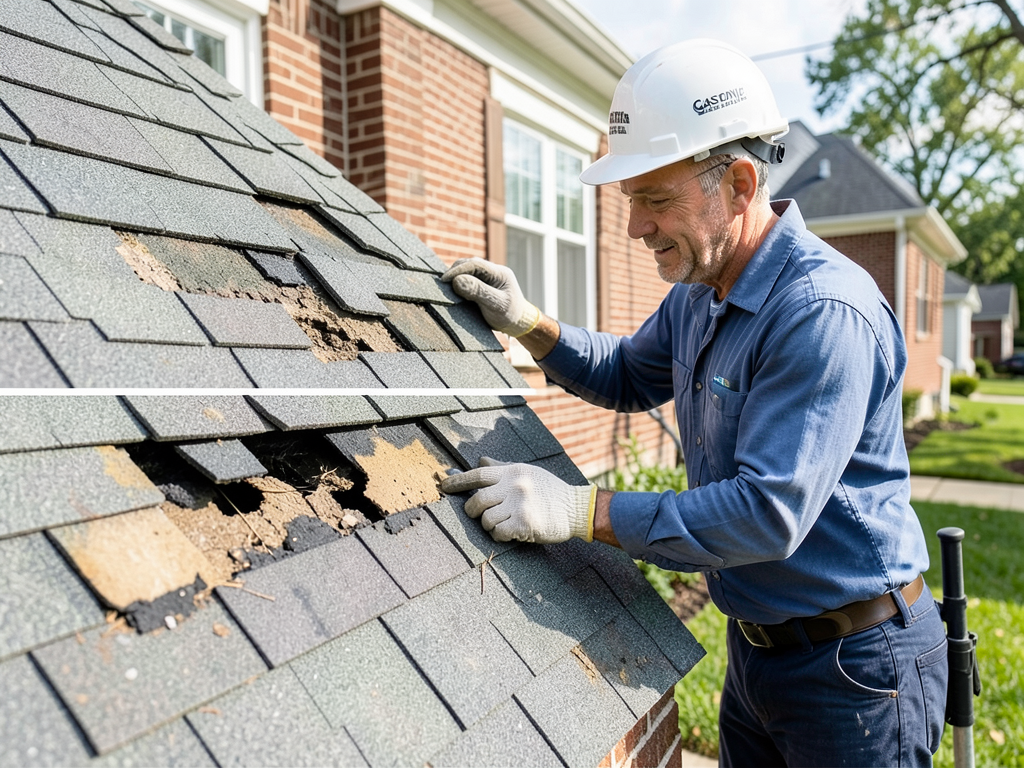
Roof Repair vs. Full Replacement (A Decision Guide for Homeowners in Older Gastonia Neighborhoods) Deciding between repairing your roof or replacing it entirely depends on several factors specific to your Gastonia home. The humid Piedmont…

Dealing with Woodpecker and Bird Damage on Your Cedar Shake Roof in Quail Hollow Woodpeckers…
What Happens to Your Roof Warranty if You Install Holiday Lights the Wrong Way? Installing…
Picking the Perfect Roof to Complement Your New James Hardie Siding Choosing the right roof…
Don't wait until leaks damage your home. Call Five Star Roofing Charlotte at (980) 352-5899 for a thorough roof inspection and honest assessment. We'll identify problems, explain your options, and provide a detailed written estimate with no pressure to decide immediately.