


menu

Mold & Algae Stain Removal in Charlotte | Stop Roof Damage Before It Spreads

Professional roof fungus cleaning and shingle algae treatment protect your Charlotte home from permanent damage, removing black streaks and organic stains that weaken your roof system.

Slider Image 1
Slider Image 2
Slider Image 3
Slider Image 4
Slider Image 5
Slider Image 7
Slider Image 8
Slider Image 9
Slider Image 10
Slider Image 11

Why Charlotte Roofs Turn Black and Green

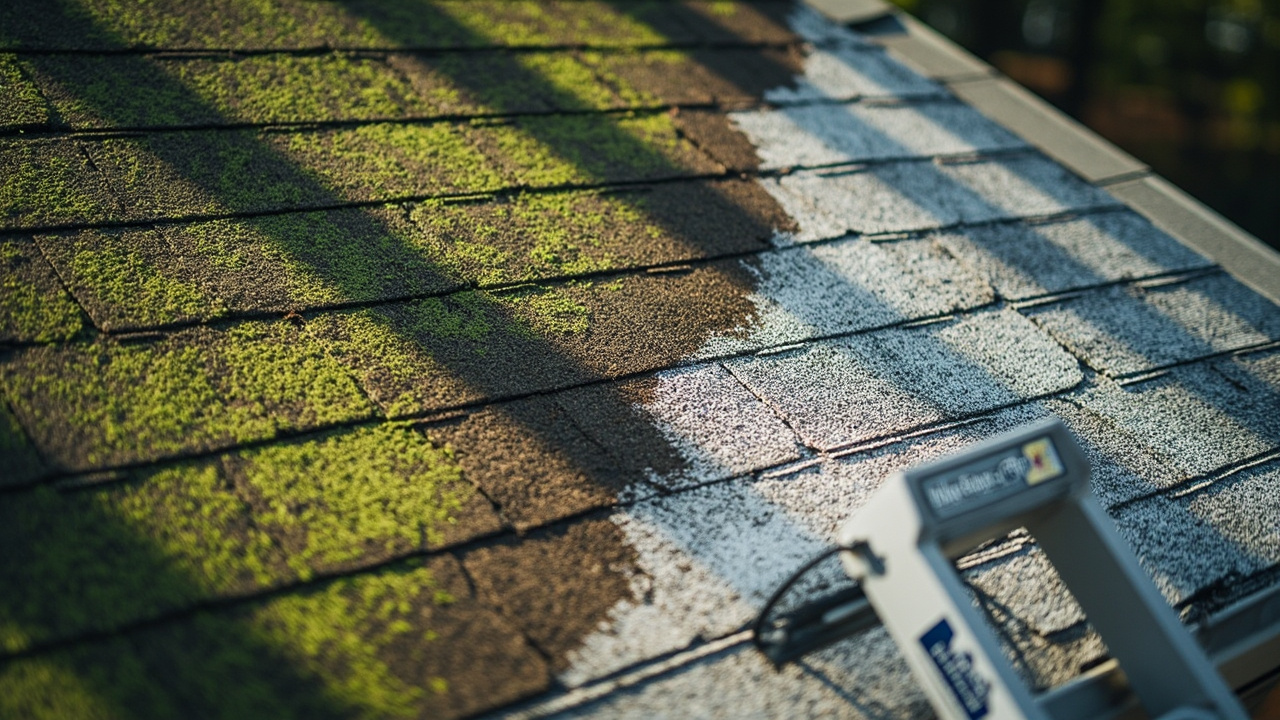
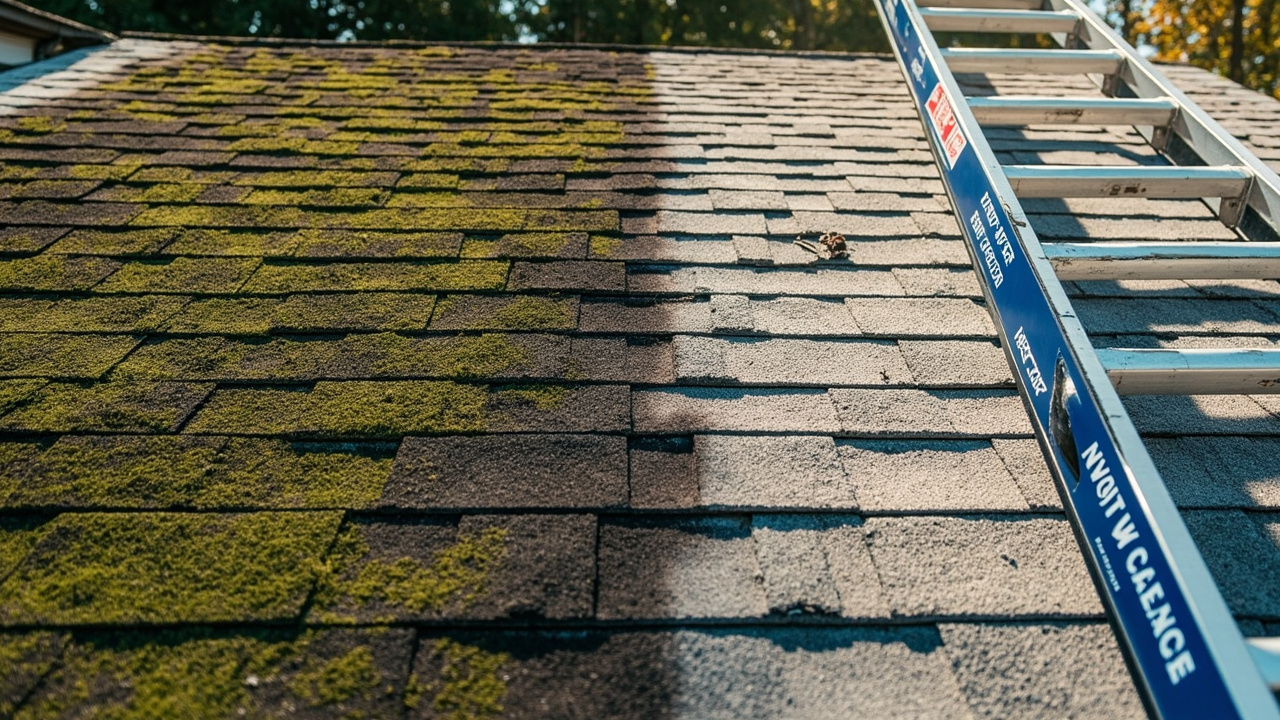
You see those dark streaks running down your roof. They look like dirt or oil stains, but they are alive. That black discoloration is gloeocapsa magma, a type of algae that feeds on the limestone filler in your asphalt shingles. The green patches are moss or lichen colonies embedding roots into the shingle surface.

Charlotte's humid subtropical climate creates perfect conditions for roof fungus growth. We get 43 inches of rain annually, and summer humidity regularly hits 70 to 90 percent. Your roof stays damp for extended periods, especially on north-facing slopes that receive less direct sunlight. The shade from Charlotte's mature oak and pine trees compounds the problem by keeping moisture trapped on the roof surface.

This is not just cosmetic damage. Algae colonies retain moisture against your shingles, accelerating granule loss and shortening your roof lifespan by 5 to 10 years. Moss roots pry up shingle edges, creating entry points for water. As these organic stains spread, they reduce your roof's reflectivity, increasing cooling costs during Charlotte's hot summers.

The issue intensifies in established neighborhoods like Myers Park, Dilworth, and Plaza Midwood, where mature tree canopies and older homes create ideal conditions for shingle algae treatment needs. If you notice black streaks on your roof or green growth accumulating in valleys and along ridge lines, the problem is already active. Removing organic roof stains now prevents costly repairs later. Roof mildew removal protects your investment and restores your home's curb appeal.

Why Charlotte Roofs Turn Black and Green
How Professional Roof Fungus Cleaning Works

How Professional Roof Fungus Cleaning Works

Removing black streaks on roof surfaces requires specialized knowledge and equipment. You cannot power wash your roof. High-pressure water dislodges granules, voids manufacturer warranties, and forces water under shingles, causing leaks. The correct approach uses low-pressure chemical cleaning with specific biocides formulated for asphalt shingles.

We apply a professional-grade solution containing sodium hypochlorite or copper sulfate compounds, mixed to precise ratios that kill algae and moss without damaging shingles. The solution penetrates the algae colonies and breaks down the root structures of moss and lichen. We let the chemical dwell on the surface for 15 to 20 minutes, allowing it to neutralize the organisms at the cellular level.

For heavy moss accumulation, we perform mechanical removal first, using soft brushes to lift the bulk growth without abrading the shingle surface. This exposes the root mat so the chemical treatment can reach the attachment points. We never scrape or use metal tools that gouge the protective granule layer.

The cleaning solution is applied from the ridge down to the eaves, working in sections to maintain proper coverage. We protect your landscaping with pre-wetting and barrier shields. Gutters and downspouts are flushed to remove dead algae and moss debris that could cause clogs.

After treatment, we rinse the roof using garden-hose pressure, not power washing equipment. This gentle rinse removes dead organic matter and excess cleaning solution without damaging shingles. The process restores your roof's original color and stops the deterioration caused by algae and moss growth. Five Star Roofing Charlotte uses EPA-registered products and follows manufacturer specifications to maintain your warranty coverage during roof mildew removal.

What Happens During Your Roof Cleaning

Mold & Algae Stain Removal in Charlotte | Stop Roof Damage Before It Spreads
01

Roof Inspection and Assessment

We start with a close examination of your roof to identify the extent of algae, moss, and lichen growth. We document the affected areas and check for underlying damage like lifted shingles, compromised flashing, or granule loss. This inspection determines the appropriate cleaning method and identifies any repairs needed before treatment. We photograph the condition so you can see the full scope of the problem.
02

Targeted Chemical Application

We apply the cleaning solution to affected areas using low-pressure spray equipment. The biocide penetrates algae colonies and moss root structures, killing organisms without harming your shingles. We adjust concentration and dwell time based on growth severity and shingle age. Heavy moss areas receive pre-treatment with soft brushing to lift the bulk material. Your landscaping is protected throughout the application process with ground covers and pre-watering.
03

Rinse and Final Cleanup

After the solution has neutralized the growth, we rinse your roof using controlled, low-pressure water flow. We clear gutters and downspouts of dead algae and moss debris to prevent drainage problems. The roof is left clean, with its original color restored. You will see immediate improvement, with any remaining staining continuing to fade over the next few weeks as rain naturally washes away residual dead algae.

Why Charlotte Homeowners Choose Local Roof Cleaning Experts

Roof fungus cleaning is not a DIY project. The chemicals required to kill algae and moss are hazardous without proper handling. Working on a pitched roof surface is dangerous, especially when that surface is slippery with algae growth. Improper technique damages shingles and creates leak points that cost thousands to repair.

We understand Charlotte's specific algae and moss challenges. The strains that grow in our humid climate require different treatment approaches than dry-climate algae. We know which cleaning solutions work on the dimensional shingles common in newer Charlotte subdivisions versus the three-tab shingles on older homes. We recognize when moss growth indicates a ventilation problem in your attic space, which needs correction to prevent recurrence.

Our experience with Charlotte's architectural styles matters. Historic homes in neighborhoods like Fourth Ward have steep roof pitches and decorative elements that require careful navigation. Ranch homes in areas like University City often have low-slope sections where water pools, creating persistent moss problems. We adapt our approach to your specific roof configuration.

We work within Charlotte-Mecklenburg building codes and follow manufacturer guidelines that protect your warranty. Some shingle manufacturers void warranties if improper cleaning methods are used. We document our process and use approved products that maintain your coverage.

You get transparency about what your roof needs. If we find damaged shingles or flashing problems during inspection, we explain the issue and provide options. We do not upsell unnecessary services. If your roof just needs cleaning, that is what we recommend. If underlying problems exist, you need to know before we apply treatment. Five Star Roofing Charlotte has built trust in this community by solving problems correctly the first time.

What to Expect From Professional Roof Cleaning

Timeline and Scheduling

Most residential roof cleaning projects take four to six hours, depending on roof size and growth severity. We schedule during dry weather with temperatures above 50 degrees for optimal chemical performance. You can typically schedule service within one to two weeks of your initial call. We avoid extreme heat days when chemical evaporation reduces effectiveness. The cleaning process is completed in one visit. You will see immediate results, with full color restoration visible within two to three weeks as rain continues the natural rinsing process.

Initial Inspection Process

Your service begins with a thorough roof assessment from ground level and close-up inspection of affected areas. We identify the types of growth present, check shingle condition, and document any pre-existing damage. We explain what we find in clear terms, showing you photos of problem areas. You receive a written scope of work detailing the cleaning approach, products used, and any additional repairs recommended. This inspection takes 20 to 30 minutes and ensures you understand exactly what your roof needs before work begins.

Results and Roof Appearance

Your roof will return to its original color, with black streaks and green growth eliminated. Heavily stained areas show dramatic improvement immediately, though some shadowing may remain until the next few rain cycles complete the natural rinsing. The cleaning process removes years of accumulated algae without damaging your shingles. Your roof will look years newer, improving curb appeal and property value. More importantly, you stop the ongoing damage that algae and moss cause to your shingle integrity and roof structure. The cleaning extends your roof lifespan and eliminates the moisture retention that increases cooling costs.

Prevention and Maintenance

After cleaning, we can apply zinc or copper strips along your ridge line to prevent algae regrowth. These metal strips release ions when it rains, creating an environment where algae cannot establish colonies. This preventive treatment extends the time between cleanings to five to seven years in most cases. We also provide guidance on tree trimming and gutter maintenance that reduces moisture retention. Annual inspections catch new growth early, when spot treatment is sufficient. We offer maintenance plans for homeowners who want scheduled monitoring and preventive care to keep their roofs clean and protected long-term.

Frequently Asked Questions

You Have Questions,
We Have Answers

Can active mold stains be removed? +

Active mold stains can be removed, but the process differs from cleaning dead mold. You need to kill the mold first with a proper biocide or antimicrobial solution before treating the stain. In Charlotte's humid climate, active mold spreads quickly. Scrubbing active mold without killing it first releases spores into your home. Once the mold is dead, you can treat the stain with specialized cleaners or professional-grade solutions. For roof surfaces, professional soft washing kills mold at the root and removes staining without damaging shingles. Never attempt stain removal on active mold colonies without proper safety equipment and containment.

How to get rid of algae stains? +

Algae stains on roofs and siding require more than surface cleaning. In Charlotte, that black streaking you see is typically gloeocapsa magma algae feeding on limestone filler in shingles. Soft washing with a bleach-based solution kills algae and removes stains without high pressure that damages surfaces. For driveways and walkways, a combination of algaecide and low-pressure washing works best. Avoid scrubbing, which embeds algae deeper into porous surfaces. The key is killing the organism first, then gently removing the stain. Preventative zinc or copper strips can slow regrowth on roofs after cleaning.

What's the best mold and mildew stain remover? +

Professional mold and mildew stain removers use sodium hypochlorite (bleach) or hydrogen peroxide as active ingredients. For roofs and exteriors, contractors use commercial-grade sodium hypochlorite solutions at controlled concentrations. These products kill mold and lift stains without damaging substrate materials when applied correctly. Store-bought products like Concrobium or RMR-86 work for small interior stains. In Charlotte's humidity, you need a product that kills the root system, not just bleaches the surface. Professional solutions include surfactants that help penetration and rinsing. The best remover depends on the surface material and stain severity.

Does hydrogen peroxide remove mold stains? +

Hydrogen peroxide removes mold stains on porous surfaces like wood, fabric, and drywall. It works through oxidation, breaking down mold cells and lifting stains without harsh fumes. Use 3% concentration for most household applications. Spray directly on the stain, let it sit for 10 minutes, then scrub and rinse. Hydrogen peroxide is less effective than bleach on non-porous surfaces like tile or metal. For Charlotte homeowners dealing with attic mold on wood decking, peroxide offers a safer alternative to bleach. It does not whiten or damage wood fibers. Repeat applications may be needed for deep stains.

Can white vinegar remove mold stains? +

White vinegar removes light mold stains on non-porous surfaces but has limitations. The acetic acid kills surface mold but does not penetrate deep into porous materials like wood or drywall. Apply undiluted white vinegar, let it sit for one hour, then scrub and rinse. Vinegar works well on tile, glass, and smooth plastics. In Charlotte's humid environment, vinegar alone will not address heavy roof staining or exterior mold growth. It leaves no harmful residue, making it useful for sensitive areas. For stubborn stains or large areas, vinegar lacks the strength professionals need for complete removal.

Does OxiClean get rid of mold stains? +

OxiClean can lighten mold stains on fabrics and some porous surfaces through oxygen bleaching action. Mix powder with hot water, apply to the stain, and let it work for 30 minutes before scrubbing. It works better on organic stains than living mold colonies. OxiClean does not kill mold as effectively as bleach or peroxide, so use it only after the mold is dead. For Charlotte homeowners, OxiClean is useful for patio cushions, outdoor fabrics, or light deck staining. It will not remove heavy roof algae stains or penetrate deep into shingles. Consider it a finishing treatment, not a primary mold killer.

Will Dawn remove algae? +

Dawn dish soap helps remove algae from smooth surfaces when combined with scrubbing but does not kill algae. Mix Dawn with water, apply to the stained area, scrub with a brush, and rinse thoroughly. This method works on patio furniture, vinyl siding, and small areas. Dawn breaks down the algae's oily coating, making it easier to remove mechanically. For Charlotte roofs with heavy algae staining, Dawn alone will not penetrate or kill the embedded organisms. It serves as a surfactant in professional cleaning solutions but needs a biocide partner for effective algae removal on exterior surfaces.

Will vinegar remove algae? +

Vinegar removes light algae stains from hard surfaces through mild acidity. Spray white vinegar directly on algae, let it sit for 30 minutes, then scrub and rinse. It works on concrete, brick, and vinyl but lacks the strength for heavy roof staining. In Charlotte's climate, algae grows deep into porous roofing materials. Vinegar only addresses surface layers and does not prevent regrowth effectively. For sidewalks and small patio areas, vinegar offers a non-toxic option. Professional algae removal on roofs requires stronger biocides that kill root systems and prevent spore spread. Vinegar is a temporary fix for minor problems.

How to get algae stains off clothes? +

Algae stains on clothes require immediate treatment before the stain sets. Rinse the fabric in cold water to remove loose algae. Apply a pre-treatment stain remover or rub liquid detergent directly into the stain. Let it sit for 15 minutes, then wash in the hottest water safe for the fabric with oxygen bleach (OxiClean or similar). Check the stain before drying. Heat sets algae stains permanently. For stubborn stains, soak in a mixture of oxygen bleach and water for several hours. Avoid chlorine bleach on colors. Charlotte's lake and creek activities mean algae-stained clothes are common during summer months.

Which kills mold better, bleach or vinegar? +

Bleach kills mold faster and more completely than vinegar but damages some materials. Bleach (sodium hypochlorite) kills mold on contact and removes stains on non-porous surfaces like tile, glass, and metal. Vinegar penetrates porous materials better but takes longer to work and is less effective on heavy growth. For Charlotte roofs and exteriors, professionals use bleach-based solutions for complete mold eradication. Bleach releases harsh fumes and can discolor fabrics or wood. Vinegar is safer for indoor use on sensitive surfaces. The best choice depends on the material, location, and severity of mold contamination.

How Charlotte's Urban Canopy Accelerates Roof Algae Growth

Charlotte is recognized as one of the most tree-covered cities in the nation, with nearly 50 percent canopy coverage in established neighborhoods. This urban forest creates beautiful streetscapes but also traps moisture on roof surfaces. Homes shaded by mature oaks, maples, and pines experience persistent dampness that allows algae and moss colonies to thrive. North-facing roof slopes in shaded areas never fully dry out between rain events, creating ideal conditions for shingle algae treatment needs. The falling leaves and organic debris from these trees add nutrients that feed roof fungus growth, accelerating the discoloration process.

Charlotte building codes require proper roof ventilation, but many older homes were built before current standards took effect. Homes in Dilworth, Myers Park, and Elizabeth often lack adequate ridge vents or soffit ventilation, creating moisture buildup in attic spaces that promotes roof mildew from the underside. We understand these local construction patterns and identify ventilation deficiencies during roof inspections. Our familiarity with Charlotte's neighborhoods means we recognize when your roof problem extends beyond surface cleaning to underlying structural issues that need correction. Choosing a local roofing contractor who knows these regional factors ensures you get the complete solution, not just temporary stain removal.

Roofing Services in The Charlotte Area

Five Star Roofing Charlotte is proud to serve the entire community and surrounding areas. We’re dedicated to providing fast, reliable service right to your doorstep, no matter where you are. View our location on the map to see our central hub, and rest assured that our dedicated teams are ready to dispatch and bring our exceptional services to your neighborhood.

Address:
Five Star Roofing Charlotte, 3117 Whiting Ave, Charlotte, NC, 28205

Additional Services We Offer

Our news updates

Latest Articles & News from The Blogs

Dealing with Woodpecker and Bird Damage on Your Cedar Shake Roof in Quail Hollow Woodpeckers and other birds can cause…

Dealing with Woodpecker and Bird Damage on Your Cedar Shake Roof in Quail Hollow

Dealing with Woodpecker and Bird Damage on Your Cedar Shake Roof in Quail Hollow Woodpeckers and other birds can cause…

What Happens to Your Roof Warranty if You Install Holiday Lights the Wrong Way?

What Happens to Your Roof Warranty if You Install Holiday Lights the Wrong Way? Installing holiday lights on your roof…

Picking the Perfect Roof to Complement Your New James Hardie Siding

Picking the Perfect Roof to Complement Your New James Hardie Siding Choosing the right roof color for your home’s new…

Contact Us

Those black streaks are eating your shingles right now. Call Five Star Roofing Charlotte at (980) 352-5899 for a free roof inspection and cleaning estimate. We serve the greater Charlotte metro with professional algae and moss removal that protects your home and restores your curb appeal.