




menu

Leaking Pipe Boot & Vents in Charlotte – Get Expert Diagnosis Before Your Ceiling Caves In

Our certified roofing technicians identify the exact failure point in your plumbing vent boot assembly and repair it correctly the first time, stopping water damage before it spreads through your Charlotte home.

Slider Image 1
Slider Image 2
Slider Image 3
Slider Image 4
Slider Image 5
Slider Image 7
Slider Image 8
Slider Image 9
Slider Image 10
Slider Image 11

Why Charlotte Roofs Destroy Pipe Boots Faster Than You Think

You saw the brown stain spreading across your bathroom ceiling. You checked the toilet. You looked at the shower pan. Everything seems fine. The problem is 15 feet above your head, where a cracked plumbing vent boot is letting Carolina rain pour straight into your attic.

Charlotte's brutal sun-to-storm cycle kills roof penetration seals faster than most climates. A plumbing vent boot that should last 15 years in Michigan fails in 8 here. Morning sun bakes the neoprene gasket until it cracks. Afternoon thunderstorms hammer water into those cracks. By the time you see ceiling damage, the decking around your pipe has been rotting for months.

The rubber roof collar around your bathroom vent stack faces direct south exposure on most Charlotte homes. That black rubber absorbs 160-degree surface temperatures in July. The material becomes brittle. The seal between the metal base and the neoprene ring separates. Water follows the pipe straight down into your insulation.

You might see a deteriorated rubber roof collar that looks fine from the ground. Walk the roof and you can push your finger through it. The damaged pipe flashing seal fails at the edges first, where the base plate meets the shingles. Water wicks under the flashing, saturates the felt paper, and spreads across the decking before it finally drips through your drywall.

A dry rotted neoprene gasket does not drip. It weeps. You get slow, consistent moisture that feeds mold growth in your attic before you ever see a water spot. The broken roof stack flashing around your main plumbing vent is the most common leak source we diagnose in homes built before 2010. The lead boots they used back then split at the seams.

Why Charlotte Roofs Destroy Pipe Boots Faster Than You Think
How We Fix Pipe Boot Failures the Right Way

How We Fix Pipe Boot Failures the Right Way

Most roofers see a leaking vent boot and slap caulk around it. That fix lasts six months. We replace the entire penetration assembly because the failure is never just the rubber collar. The problem is the system.

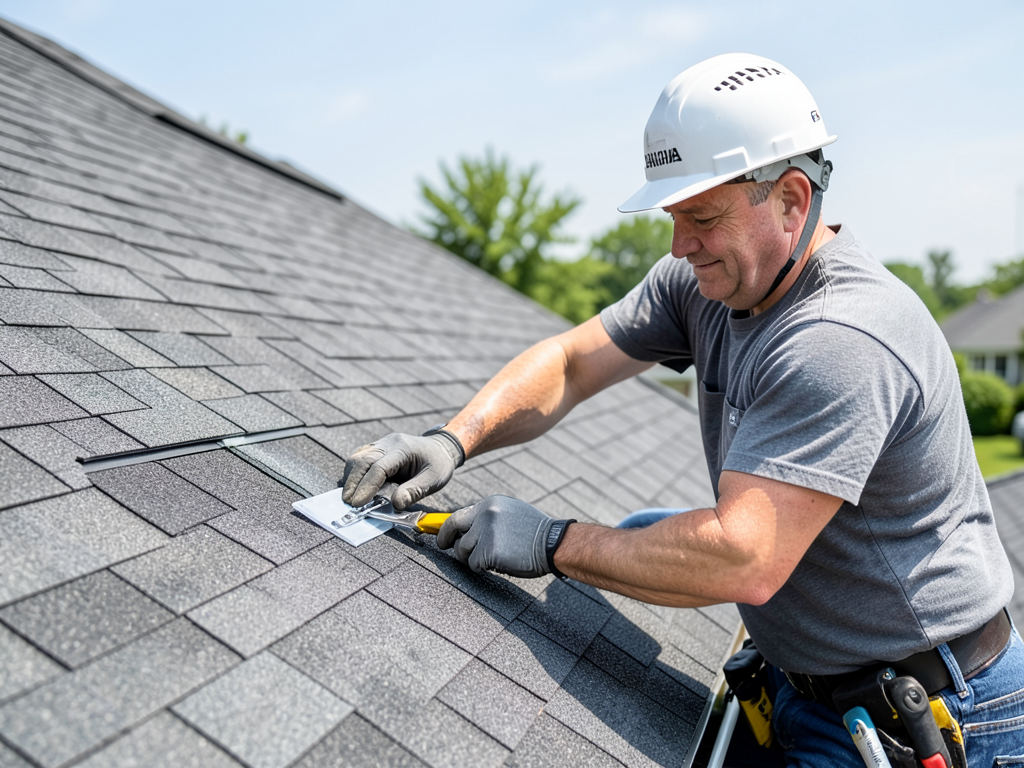
We start on the exterior. We pull the shingles around the failed boot in a 24-inch radius. This exposes the base flashing and lets us see the decking condition. If the wood shows black staining or soft spots, we cut out the damaged section and sister in new OSB. You cannot seal a boot to compromised decking. It will fail again in a year.

Next, we inspect the vent pipe itself. Older cast iron stacks crack at the roof line from thermal expansion. PVC pipes lose their glue joints when attic temperatures hit 140 degrees. If the pipe is compromised, we coordinate with a licensed plumber before we proceed. Sealing a boot over a cracked pipe just moves the leak inside your attic.

We install a retrofit pipe boot designed for Charlotte's climate. These units use EPDM rubber with UV inhibitors, not the cheap neoprene that fails in five years. The base flashing extends eight inches under the shingle course above the penetration and six inches to each side. We seal the edges with a polyurethane sealant rated for metal-to-asphalt adhesion, not the silicone caulk that lets go in two summers.

The top shingle course gets reinstalled with new roofing nails positioned to avoid the old holes. We hand-seal each shingle tab above the flashing with roofing cement. The final assembly sheds water in four directions, away from the pipe. We photograph the completed repair from three angles so you see exactly what you paid for.

What Happens During Your Pipe Boot Repair

Leaking Pipe Boot & Vents in Charlotte – Get Expert Diagnosis Before Your Ceiling Caves In
01

Attic and Roof Inspection

We access your attic space to trace the water stains back to the source pipe. We check every plumbing vent boot, furnace flue collar, and penetration seal. We document the damage with photos showing decking condition, insulation saturation, and mold growth if present. You get a written report identifying every compromised penetration on your roof before we quote the repair.
02

Failed Component Removal

We remove shingles around the failed boot without damaging surrounding materials. The old flashing base comes out completely, including any hidden underlayment damage. If the vent pipe shows cracks or separation, we document it and recommend plumber coordination before sealing. We clean all residual roofing cement and inspect the decking for structural integrity. Compromised wood gets replaced with matched OSB or plywood.
03

Sealed Installation

The new boot assembly gets installed with the base flashing positioned correctly under upper shingles and over lower courses. We seal every edge with professional-grade polyurethane sealant. The neoprene collar fits tight to the pipe diameter without gaps. We reinstall shingles using new nails in fresh decking locations. The final assembly gets a hand-applied roofing cement seal on all exposed edges. You receive photos of the completed repair.

Why Charlotte Homeowners Choose Five Star Roofing Charlotte for Pipe Boot Repairs

You need someone who understands how Charlotte weather destroys pipe boots specifically. We have repaired over 3,000 failed vent penetrations in Mecklenburg County. We know which boot manufacturers hold up in our climate and which ones fail in three years. We know that homes in Myers Park have different flashing challenges than homes in NoDa because of architectural style and roof pitch differences.

Local building codes require specific flashing methods for penetrations on roofs with slopes below 4:12. Most national roofing chains do not know that. Their crews install the same boot the same way whether they are in Charlotte or Colorado. We follow the North Carolina Residential Building Code requirements for roof penetration weatherproofing. Our installations pass inspection the first time because we know what the inspector is checking.

We stock retrofit pipe boots sized for every common vent diameter used in Charlotte construction from 1970 forward. That means we complete your repair in one visit. We do not order parts and come back next week while your ceiling keeps dripping. We carry EPDM boots, lead boots, and flexible silicone boots for complex installations. We match the solution to your specific roof type and penetration location.

You get a detailed photo record of the repair. We show you the damage before we start. We photograph the decking condition after we remove the old boot. We document the new installation from multiple angles. You see exactly what you paid for. If you ever sell your home and the buyer's inspector questions that vent boot, you have proof it was done right.

We operate year-round in Charlotte weather. We do not pause operations because it is hot. We do not stop working when it rains, unless conditions make roofing unsafe. We understand you need this fixed now, before the next storm dumps more water into your attic.

What You Get When We Fix Your Pipe Boot

Fast Response and Scheduling

We schedule most pipe boot repairs within 72 hours of your call. Emergency situations with active leaking get priority response, often same-day or next-day service. We provide a two-hour arrival window and call 30 minutes before we arrive. Most single boot replacements take two to four hours, depending on roof access and decking condition. You do not wait two weeks for a 200-dollar repair while water ruins your ceiling.

Complete Damage Assessment

We inspect every plumbing vent, furnace flue, and roof penetration during our evaluation, not just the one you called about. You receive a written report identifying all compromised seals, with photos showing current condition. We explain which failures are urgent and which ones can wait. You make informed decisions about your roof instead of guessing which leak to fix first. We provide separate line-item pricing for each repair so you can prioritize based on your budget.

Professional-Grade Materials and Installation

We install retrofit pipe boots designed for high-UV environments, not the basic boots that fail in five years. Our EPDM collars resist cracking in Charlotte heat. The base flashings extend properly under and over shingle courses to create overlapping water barriers. We use polyurethane sealants rated for metal-to-asphalt adhesion, not hardware store caulk. Every reinstalled shingle gets new nails in solid decking. You get a repair that matches the expected lifespan of your roof system.

Documentation and Follow-Up

You receive before, during, and after photos of your pipe boot repair. We provide a written invoice detailing materials used and work performed. If you experience any issues with the repaired penetration, we return to inspect it at no charge. We keep your photos and repair details on file so you have documentation if you sell your home. Our work meets manufacturer specifications, which protects your roof warranty coverage.

Frequently Asked Questions

You Have Questions,
We Have Answers

How much does it cost to replace a vent pipe boot? +

Replacing a vent pipe boot in Charlotte typically depends on several factors. Boot material matters. Basic rubber boots cost less than lead or high-grade EPDM options. Roof accessibility affects labor time. Steep pitches or multi-story homes increase complexity. The condition of surrounding flashing also plays a role. If decking underneath shows water damage from prolonged leaks, repairs expand the scope. Charlotte's humidity can accelerate wood rot around compromised boots, so inspecting substrate condition is critical. Most replacements take one to two hours. Get a detailed estimate that includes material type, labor, and any discovered substrate issues.

How to seal a vent boot? +

Sealing a vent boot requires proper surface prep and compatible sealant. Clean the boot and pipe thoroughly, removing debris, old caulk, and biological growth common in Charlotte's humid climate. Use a roofing-grade sealant designed for your boot material. EPDM boots need rubber-compatible products, while metal boots require polyurethane or similar adhesives. Apply sealant around the pipe-boot interface and where the boot base meets shingles. Press firmly to eliminate air pockets. Charlotte's temperature swings demand flexible sealants that expand and contract without cracking. This is a temporary fix. Deteriorated boots need replacement, not just resealing, to prevent recurring leaks.

How to fix a leak around a vent pipe? +

Fixing a leak around a vent pipe starts with locating the failure point. Water often travels from the leak source, so inspect the boot collar, base flashing, and surrounding shingles. Remove damaged shingles carefully to access the boot. If the boot shows cracks or separation from the pipe, replace it entirely. Resealing alone masks the problem temporarily. Install the new boot by sliding it over the pipe, securing the base under shingles, and sealing edges with roofing cement. Charlotte's freeze-thaw cycles and UV exposure degrade boots faster than mild climates. Address leaks immediately to prevent interior damage and mold growth.

How to fix a leaking boot? +

Fixing a leaking boot depends on damage severity. Minor cracks in the rubber collar can receive temporary sealant patches, but replacement is the reliable solution. Remove shingles surrounding the boot base. Lift the old boot off the pipe and inspect the decking underneath for water stains or rot, which is common in Charlotte after prolonged exposure. Install a new boot by sliding it over the vent pipe, positioning the base flat against the roof deck, and layering shingles over the flange. Seal all edges with roofing cement. Charlotte's high humidity accelerates deterioration, so use quality EPDM or neoprene boots rated for southern climates.

Will homeowners insurance cover a leaky roof? +

Homeowners insurance coverage for leaky roofs in Charlotte depends on the cause. Sudden, accidental damage like storm-related leaks typically qualifies for coverage. Gradual deterioration from age or neglect does not. If a fallen tree limb punctures your roof and water damages your ceiling, you can file a claim. If a boot leaked for months due to deferred maintenance and interior damage resulted, insurers will likely deny the claim. Document all damage immediately with photos. Review your policy for specific exclusions related to roof age and maintenance requirements. Many Charlotte policies require roofs older than 15 years to pass inspections before coverage applies.

How long do pipe boots last? +

Pipe boots last 10 to 20 years, depending on material quality and Charlotte's climate exposure. Basic rubber boots deteriorate faster under constant UV bombardment and temperature extremes. High-grade EPDM or neoprene boots handle southern heat better and resist cracking longer. Metal boots, particularly lead or copper, outlast rubber alternatives but cost more upfront. Charlotte's humidity promotes biological growth on rubber, accelerating breakdown. Inspect boots annually for cracks, separation from pipes, or brittleness. Replace proactively at first signs of wear. Waiting until leaks appear risks interior water damage and wood rot, which costs significantly more to repair than preventive boot replacement.

Does rain water get into a vent pipe? +

Rainwater should not enter a properly functioning vent pipe. Plumbing vents allow sewer gases to escape and equalize drain pressure, but they include internal traps and design features that prevent bulk water entry. If water enters your vent pipe during Charlotte's heavy downpours, the boot or flashing has failed. Gaps between the pipe and boot collar let water funnel directly into the attic or wall cavities. This causes staining, insulation damage, and mold growth. Inspect vent boots after severe weather. Charlotte's intense summer storms test weak points in roofing systems. Address compromised boots immediately to prevent recurring water intrusion and structural deterioration.

What is a plumbing vent boot? +

A plumbing vent boot is the rubber, plastic, or metal seal surrounding pipes that penetrate your roof. It creates a watertight barrier where the vertical vent pipe exits through shingles. The boot has two components: a base flange that slides under shingles and a collar that wraps tightly around the pipe. This prevents water from flowing into the roof deck opening. Boots must flex with temperature changes and pipe movement while maintaining the seal. In Charlotte, UV exposure and humidity degrade rubber boots over time, causing cracks and separation. Failed boots are a top source of attic leaks. Regular inspection prevents costly interior damage.

Is WD-40 good for waterproofing boots? +

No. WD-40 is not a waterproofing solution for roof vent boots. It is a lubricant and moisture displacer, not a roofing sealant. Applying WD-40 to cracked rubber boots will not stop leaks. It breaks down further under UV exposure and Charlotte's heat. Use roofing-specific products designed for your boot material. Rubber boots need flexible, UV-resistant sealants like polyurethane or silicone formulated for roofing. These products bond to rubber, expand with temperature changes, and resist weathering. WD-40 belongs in your garage, not on your roof. If your boot leaks, replace it properly with quality materials rated for southern climates. Shortcuts create bigger problems.

Does homeowners insurance cover water pipe repair? +

Homeowners insurance typically covers sudden pipe failures but excludes gradual deterioration. If a pipe bursts due to freezing during Charlotte's occasional hard freezes, your policy likely covers repair costs and resulting water damage. Slow leaks from corrosion or age-related wear fall under maintenance, which insurers exclude. Coverage also depends on pipe location. Pipes inside your home's structure usually qualify. Exterior yard lines often do not. Review your policy declarations for water damage exclusions and pipe age restrictions. Some Charlotte insurers require homes with older plumbing to pass inspections. Document all damage immediately and contact your agent before repairs to understand your specific coverage limits.

How Charlotte Humidity Accelerates Pipe Boot Failure

Charlotte sits at 750 feet elevation with 75 percent average humidity. That combination creates brutal conditions for roof penetration seals. The neoprene gasket around your plumbing vent absorbs moisture during humid nights, then bakes dry during sunny days. This expansion-contraction cycle happens 200 times per year. The material fatigues and cracks, usually along the pipe contact line where stress is highest. Once the seal cracks, water enters the gap and accelerates deterioration. Your pipe boot fails faster in Charlotte than it would in drier climates like Colorado or Arizona. The cracked plumbing vent boot that takes 12 years to fail in Denver fails in 7 here.

We work with home inspectors, insurance adjusters, and property managers throughout Mecklenburg County. They refer clients to us because we document everything and we do not upsell unnecessary work. When a buyer's home inspector flags a questionable pipe boot on a house in Dilworth, we provide a written assessment within 24 hours so the transaction stays on schedule. We understand Charlotte roofing styles, from the steep gable roofs common in older neighborhoods to the low-slope architectural designs popular in new construction. That local expertise matters when you need a repair done right the first time.

Roofing Services in The Charlotte Area

Five Star Roofing Charlotte is proud to serve the entire community and surrounding areas. We’re dedicated to providing fast, reliable service right to your doorstep, no matter where you are. View our location on the map to see our central hub, and rest assured that our dedicated teams are ready to dispatch and bring our exceptional services to your neighborhood.

Address:
Five Star Roofing Charlotte, 3117 Whiting Ave, Charlotte, NC, 28205

Additional Services We Offer

Our news updates

Latest Articles & News from The Blogs

Why Your Roof Actually Needs a Spring Cleaning After the Charlotte Pollen Season Yellow dust coats everything in Charlotte each…

Why Your Roof Actually Needs a Spring Cleaning After the Charlotte Pollen Season

Why Your Roof Actually Needs a Spring Cleaning After the Charlotte Pollen Season Yellow dust coats everything in Charlotte each…

What First-Time Homebuyers in South End Should Look for During a Roof Walkthrough

What First-Time Homebuyers in South End Should Look for During a Roof Walkthrough Buying your first home in Charlotte’s South…

Why the Valleys of Your Roof Are Most Likely to Leak (And How to Protect Them)

Why the Valleys of Your Roof Are Most Likely to Leak (And How to Protect Them) Your roof’s valleys are…

Contact Us

Call (980) 352-5899 now to schedule your pipe boot inspection. We provide same-day emergency response for active leaks and detailed written assessments for all roof penetration failures. Stop guessing where the water is coming from.