




menu

Can You Roof Over Existing Shingles in Charlotte? – Expert Guidance on Code Compliance and Long-Term Durability

Get clear answers on whether a shingle overlay is right for your Charlotte home, including local building code requirements, structural limitations, and when reroofing over existing shingles makes sense versus full tear-off replacement.

Slider Image 1
Slider Image 2
Slider Image 3
Slider Image 4
Slider Image 5
Slider Image 7
Slider Image 8
Slider Image 9
Slider Image 10
Slider Image 11

Why Charlotte Homeowners Ask About Installing New Shingles Over Old Ones

You see the estimate for a full roof replacement and wonder if there is a cheaper option. Installing new shingles over old ones sounds simple. You save on labor, dump fees, and time. But Charlotte's building environment creates specific problems that make a roof layover risky.

Charlotte sits in a humid subtropical climate zone. Summers bring intense heat and UV exposure that degrades asphalt shingles faster than in cooler regions. When you add a second layer of shingles, you trap moisture between the old and new layers. That moisture has nowhere to escape. The result is accelerated rot in the roof deck, mold growth, and premature shingle failure.

Charlotte's afternoon thunderstorms deliver high winds and driving rain. A shingle overlay adds weight to your roof structure without addressing underlying issues. If the original layer has lifting tabs, damaged flashing, or compromised valleys, the new layer simply hides the problem. Water infiltration continues underneath. You end up with two failed roofing systems instead of one.

Mecklenburg County enforces the North Carolina Building Code, which limits residential roofs to two layers of asphalt shingles maximum. Most homes built before 2000 already have at least one layer. Adding another layer without inspecting what is underneath violates code and creates liability during resale. The county requires permits for reroofing projects. Inspectors check for structural capacity and proper ventilation before approving a shingle overlay.

Charlotte's clay-heavy soil shifts with seasonal moisture changes. This movement stresses roof structures. Adding 600 to 800 pounds of additional shingle weight per thousand square feet increases deflection in roof trusses. Older homes in neighborhoods like Dilworth and Myers Park often lack the structural margin to support a roof layover safely.

Why Charlotte Homeowners Ask About Installing New Shingles Over Old Ones
When a Shingle Overlay Works and When It Does Not

When a Shingle Overlay Works and When It Does Not

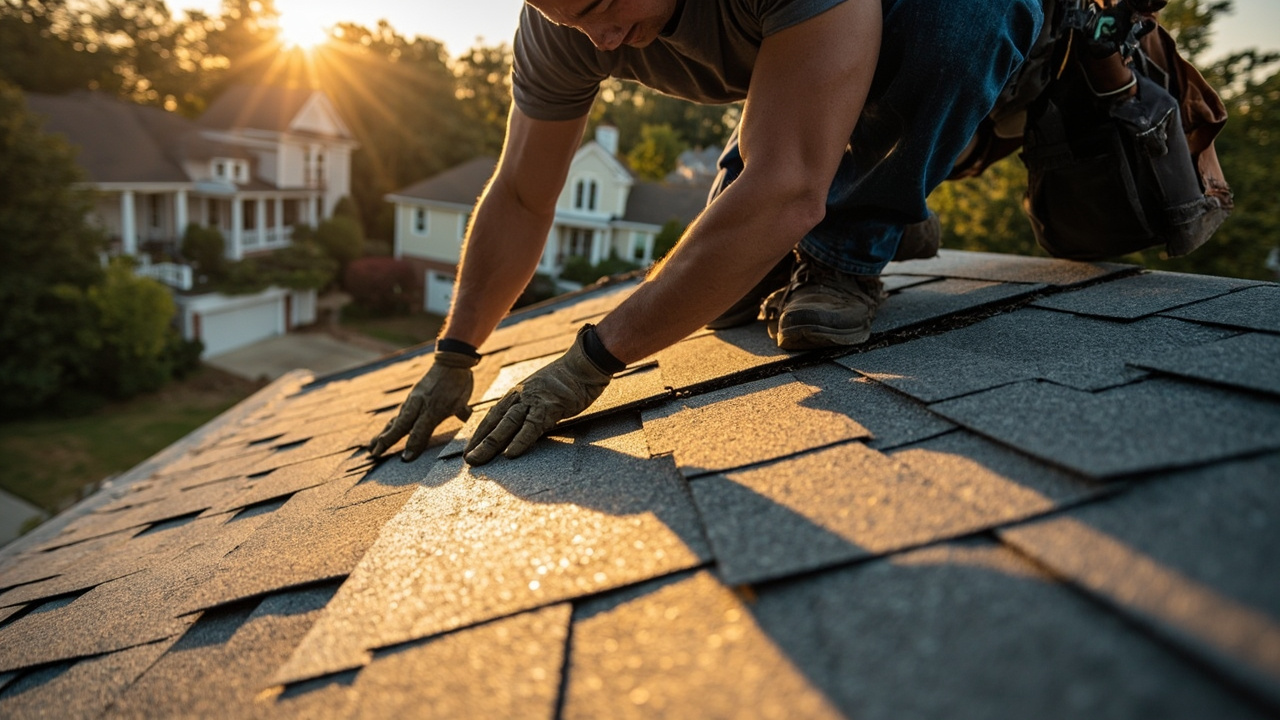
A shingle overlay can work under very specific conditions. The existing roof must be structurally sound with no soft spots in the decking. The current shingles must lie flat with no curling, cupping, or missing granules. The roof must have only one existing layer. Flashing around chimneys, skylights, and valleys must be intact and watertight. Ventilation must meet current code standards to prevent heat buildup.

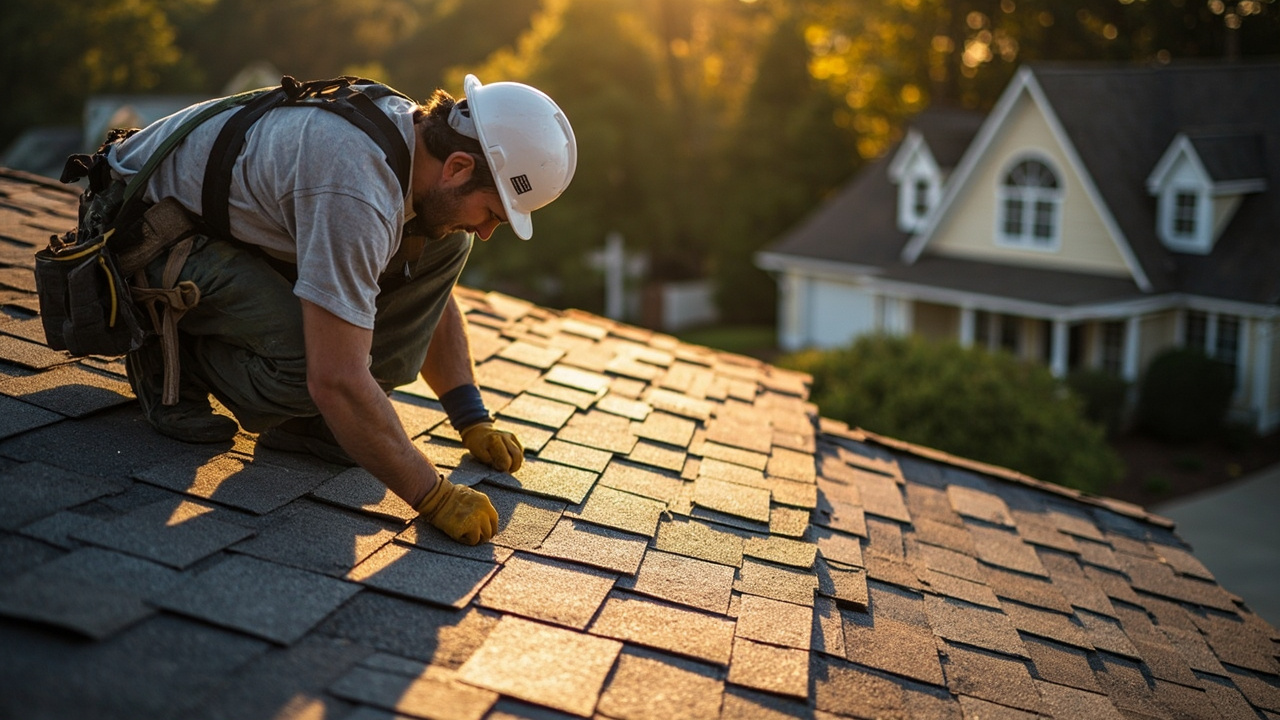
We inspect the roof deck from both the exterior and the attic. Soft or spongy areas indicate water damage that requires deck replacement. You cannot overlay damaged decking. We check rafter spacing and truss design to confirm the structure can handle additional load. Homes built before 1980 often have undersized framing that cannot support the extra weight.

We examine the existing shingles for thermal damage. Charlotte's summer temperatures can exceed 95 degrees. Your roof surface reaches 160 degrees or higher. Shingles bake and lose their flexibility. If the current layer shows heat blistering or extensive granule loss, adding new shingles over the top creates a failure sandwich. The old layer continues to deteriorate and pulls the new layer down with it.

We pull back shingles at the eaves, ridges, and valleys to inspect the underlayment. Torn or missing felt paper allows water penetration. A roof layover does not replace the underlayment. If the original barrier has failed, water will migrate through both shingle layers and rot the deck.

We verify compliance with Mecklenburg County permit requirements. Most overlay projects require a building permit. The county wants to confirm the roof can handle the load and that proper ventilation exists. Skipping the permit process creates problems when you sell the house. Title companies flag unpermitted work during closing.

Most Charlotte homes need full tear-off replacement rather than a shingle overlay. The upfront cost is higher, but you get a roof system built to current code with proper flashing, ventilation, and a warranty that actually means something.

How We Determine if Your Charlotte Roof Qualifies for a Shingle Overlay

Can You Roof Over Existing Shingles in Charlotte? – Expert Guidance on Code Compliance and Long-Term Durability
01

Structural Load Assessment

We inspect your attic to evaluate rafter size, spacing, and truss design. We check for sagging, previous repairs, or undersized framing common in older Charlotte homes. We measure deck thickness and look for soft spots that indicate water damage. We calculate total dead load with a second shingle layer to confirm your roof structure has adequate capacity. If the framing cannot handle the additional 600 to 800 pounds per square, we stop here.
02

Existing Shingle Condition Analysis

We walk the entire roof surface looking for curling, cupping, missing tabs, and granule loss. We pull back shingles at the eaves and ridges to inspect the underlayment and deck. We check flashing condition around penetrations, valleys, and sidewalls. We verify you have only one existing layer. If the current roof shows widespread thermal damage, moisture intrusion, or code violations, a shingle overlay will fail quickly and void any manufacturer coverage.
03

Code Compliance Verification

We confirm your roof meets Mecklenburg County requirements for ventilation, drainage, and layer limits. We review building permit history to identify previous roofing work. We calculate required intake and exhaust ventilation based on attic square footage. We explain permit requirements and inspection checkpoints. We provide documentation showing whether your roof qualifies for reroofing over existing shingles or requires full tear-off. You get a written recommendation based on structure, condition, and code compliance.

Why Charlotte Homeowners Choose Full Tear-Off Over Shingle Overlay

We recommend full tear-off replacement for 90 percent of Charlotte roofs. The climate here punishes shortcuts. A shingle overlay might save you money today, but you pay for it within five years when both layers fail.

Charlotte's heat and humidity create ideal conditions for mold and algae growth. When you trap moisture between two shingle layers, you accelerate biological degradation. The old shingles never dry out. They become a sponge that holds water against your roof deck. We see this constantly in neighborhoods like Plaza Midwood and NoDa where older homes get quick-fix overlays that fail within three to four years.

A full tear-off lets us inspect and repair the entire roof deck. We find rotted plywood, missing blocking, and inadequate ventilation that a shingle overlay would hide. We replace damaged decking, upgrade ventilation to current code, and install new ice and water shield in valleys and around penetrations. You get a roof system designed to handle Charlotte's weather, not just a cosmetic cover-up.

Manufacturer warranties matter when your roof fails. Most shingle manufacturers void their warranty if you install over an existing layer. They know the old shingles trap heat and moisture that degrades the new product. You lose 20 to 30 years of warranty protection to save a few thousand dollars on installation. That math does not work.

Mecklenburg County building inspectors scrutinize roof overlays. They require structural certification for older homes. They check ventilation calculations and flashing details. Most overlay projects fail inspection because the existing roof does not meet current code. You end up tearing off both layers anyway and paying twice.

We know Charlotte's building codes, climate challenges, and common roof failures. We have worked on homes in every neighborhood from Ballantyne to University City. We understand how soil movement, thermal cycling, and storm exposure affect roof performance. We give you honest assessments based on what your roof actually needs, not what sounds cheapest.

What to Expect When You Ask About Reroofing Over Existing Shingles

Initial Consultation and Inspection Timeline

We schedule your roof inspection within 48 hours of your call. The inspection takes 60 to 90 minutes. We examine your roof from the exterior and inspect the attic space to evaluate structure and ventilation. We document shingle condition, flashing integrity, and deck soundness with photos and measurements. You receive a written assessment within 24 hours explaining whether your roof qualifies for a shingle overlay or requires full replacement. We include code compliance notes and structural observations. No pressure, just facts about what your roof needs to perform in Charlotte's climate.

Detailed Structural and Code Analysis

We measure rafter spans, truss configurations, and deck thickness to calculate load capacity. We verify your home has proper ventilation ratios required by Mecklenburg County code. We check for existing permits and previous roofing work that might affect your options. We pull back shingles in multiple locations to inspect underlayment and deck condition. We photograph problem areas and explain what we find in plain language. You get a complete picture of your roof system, including hidden issues that affect whether adding a second layer of shingles makes sense. We explain permit requirements and inspection checkpoints if you move forward.

Long-Term Performance and Durability Factors

We explain how Charlotte's climate affects roof layover performance. You learn why trapped moisture between shingle layers accelerates failure in humid environments. We show you how heat buildup reduces shingle life expectancy when you cannot ventilate properly. We discuss manufacturer warranty implications and insurance considerations. You understand the true cost comparison between overlay and tear-off when you factor in shortened lifespan and potential warranty voids. We help you make an informed decision based on your budget, how long you plan to own the home, and what level of risk you are comfortable accepting. Most homeowners choose tear-off once they understand the performance difference.

Post-Installation Support and Documentation

If you move forward with a roof replacement, we handle all permit applications and inspector coordination. We provide copies of building permits, inspection certificates, and manufacturer warranty documentation. You receive a detailed invoice showing materials used, labor performed, and code compliance measures implemented. We photograph the completed installation for your records. We explain maintenance steps that protect your investment and what to watch for as your roof ages. We remain available for questions about your roof system. You get documentation that satisfies insurance companies and helps during home resale. We stand behind our work and the recommendations we make.

Frequently Asked Questions

You Have Questions,
We Have Answers

Should you roof over existing shingles? +

Roofing over existing shingles is legal in Charlotte but rarely the best choice. The decision depends on your current roof deck condition, the number of existing layers, and how well the old shingles are sealed. Charlotte's humid summers and occasional freeze-thaw cycles can hide deck rot and moisture damage underneath old shingles. If your decking has soft spots, leaks, or structural issues, an overlay simply masks problems. Most professional roofers recommend a full tear-off to inspect the deck, update ventilation, and ensure proper ice and water shield installation. An overlay might save money upfront but can cost more long-term.

Do roofers always remove old shingles? +

Professional roofers typically remove old shingles before installing a new roof. This practice allows them to inspect the roof deck for rot, structural damage, and improper ventilation. In Charlotte, moisture intrusion from summer thunderstorms and high humidity can weaken decking without visible exterior signs. Removal also ensures proper flashing installation around chimneys, skylights, and roof penetrations. Some contractors offer overlays to cut costs, but reputable roofers prioritize long-term performance over short-term savings. Removing old shingles also keeps your roof within building code limits, which restrict the number of shingle layers allowed on residential structures.

Are roof overs a good idea? +

Roof overs are rarely a good idea for Charlotte homeowners. While they reduce labor costs and project time, they create multiple problems. You cannot inspect the deck for water damage, mold, or structural issues common in our humid climate. The added weight stresses roof framing, especially on older homes not designed for multiple shingle layers. Overlays also trap heat and moisture between layers, accelerating deterioration. Most quality roofing warranties require a clean deck installation. Insurance companies often deny claims on overlay roofs because hidden damage cannot be assessed. A proper tear-off provides better performance, longer lifespan, and full warranty protection.

Is it okay to put a new roof on top of an old roof? +

Putting a new roof over an old one is technically possible but not recommended. Charlotte's building code allows up to two layers of asphalt shingles, but just because it is legal does not make it wise. The practice hides existing damage, adds excessive weight to your structure, and voids most manufacturer warranties. Summer heat in Charlotte already shortens shingle lifespan. Adding another layer creates an insulation effect that bakes shingles from below, causing premature failure. You also lose the chance to upgrade underlayment, improve attic ventilation, or install modern ice and water barriers. Most experienced contractors refuse overlay jobs.

How long will a roof overlay last? +

A roof overlay typically lasts 10 to 15 years in Charlotte, significantly shorter than a properly installed tear-off roof, which can last 20 to 30 years. The reduced lifespan occurs because trapped moisture between shingle layers accelerates deterioration. Charlotte's humidity and afternoon thunderstorms create ideal conditions for trapped moisture. The bottom layer continues aging while supporting new shingles, meaning both layers fail faster. Overlays also prevent proper ventilation, causing heat buildup that degrades shingles from the inside out. You essentially inherit the existing roof's remaining lifespan while adding stress to your structure. Factor replacement costs when calculating true value.

Is it cheaper to put new shingles over old shingles? +

An overlay is cheaper upfront, saving 20 to 25 percent on labor and disposal costs. You avoid dumpster fees, tear-off labor, and deck repairs. However, this short-term savings creates long-term expenses. When the overlay fails prematurely, you pay to remove two shingle layers instead of one, increasing future replacement costs significantly. Charlotte's insurance companies often reduce coverage or deny claims on overlay roofs. You also miss the chance to address hidden deck damage, poor ventilation, or outdated flashing. The cheaper initial price rarely justifies the compromised performance, shorter lifespan, and limited warranty protection you receive.

How much does it cost to overlay a roof? +

Overlay costs in Charlotte typically run 20 to 25 percent less than a full tear-off replacement. The savings come from eliminating tear-off labor, dumpster rental, and disposal fees. However, specific pricing depends on roof size, pitch, complexity, and shingle quality. Many contractors refuse overlay work because it compromises quality and limits warranty options. When comparing bids, factor in the shorter lifespan, potential insurance complications, and eventual cost of removing two shingle layers. Most homeowners find that investing in a proper tear-off provides better long-term value. Request multiple quotes and ask contractors to explain why they recommend or discourage overlays.

How old may a roof be before insurance claims it's too old? +

Most insurance companies in North Carolina reduce coverage or deny claims on roofs older than 15 to 20 years. The exact age threshold varies by insurer and policy type. Some carriers require roof inspections on homes with roofs over 10 years old. After major storms, adjusters carefully assess roof age and condition before approving claims. Overlay roofs face additional scrutiny because hidden damage cannot be evaluated. If your roof approaches 15 years old, document its condition with photos and maintenance records. Some insurers offer full replacement cost coverage for newer roofs but only actual cash value for older systems, significantly reducing your claim payout.

Is it illegal to put shingles over shingles? +

Putting shingles over shingles is legal in Charlotte and throughout North Carolina, provided you do not exceed two total layers. Building codes restrict additional layers because of weight concerns and fire safety. However, legal does not mean advisable. Most building inspectors approve overlay permits but professional roofers discourage the practice. Some homeowner association covenants prohibit overlays to maintain neighborhood standards. If you are considering an overlay, check with your HOA and insurance carrier first. Many policies contain clauses that limit coverage on overlay roofs. When you eventually need replacement, removing multiple layers costs significantly more than removing one.

Why not put metal roof over shingles? +

Installing metal roofing over shingles creates serious problems despite some contractors promoting the shortcut. Metal roofs require proper ventilation and a smooth substrate. Old shingles trap moisture, create uneven surfaces, and prevent adequate airflow. Charlotte's humidity accelerates rust and corrosion when moisture gets trapped between layers. Metal roofing manufacturers void warranties on overlay installations because they cannot guarantee performance. The weight of metal panels on top of shingles also stresses roof framing. Proper metal roof installation requires removing old shingles, inspecting and repairing decking, installing synthetic underlayment, and adding ventilation channels. Skipping these steps guarantees premature failure.

How Charlotte's Clay Soil and Storm Patterns Affect Roof Layover Decisions

Charlotte sits on heavy clay soil that expands when wet and contracts when dry. This seasonal movement stresses roof structures through constant deflection cycles. Homes in established neighborhoods like Cotswold, Eastover, and Sedgefield experience more structural movement than newer developments with modern foundation designs. Adding 700 pounds of shingles per thousand square feet to an already stressed roof structure accelerates truss deflection and ridge sagging. Summer thunderstorms deliver intense rain that tests flashing and valley systems. A roof layover does not replace failed flashing. Water finds the path of least resistance between the two shingle layers and spreads across a larger deck area before you notice interior leaks.

Mecklenburg County requires building permits for most roofing projects, including shingle overlays. County inspectors verify structural capacity, proper ventilation, and compliance with current North Carolina Building Code standards. They check that you have not exceeded the two-layer maximum and that the existing roof provides a suitable substrate. Experienced roofing contractors in Charlotte understand these requirements and build them into project planning. Unlicensed contractors often skip permits to save time and avoid scrutiny. That creates title problems during home sales and leaves you without recourse when the roof fails prematurely. Working with local professionals who know Mecklenburg County inspectors and code enforcement ensures your roofing project meets legal requirements and performs as expected.

Roofing Services in The Charlotte Area

Five Star Roofing Charlotte is proud to serve the entire community and surrounding areas. We’re dedicated to providing fast, reliable service right to your doorstep, no matter where you are. View our location on the map to see our central hub, and rest assured that our dedicated teams are ready to dispatch and bring our exceptional services to your neighborhood.

Address:
Five Star Roofing Charlotte, 3117 Whiting Ave, Charlotte, NC, 28205

Additional Services We Offer

Our news updates

Latest Articles & News from The Blogs

Dealing with Woodpecker and Bird Damage on Your Cedar Shake Roof in Quail Hollow Woodpeckers and other birds can cause…

Dealing with Woodpecker and Bird Damage on Your Cedar Shake Roof in Quail Hollow

Dealing with Woodpecker and Bird Damage on Your Cedar Shake Roof in Quail Hollow Woodpeckers and other birds can cause…

What Happens to Your Roof Warranty if You Install Holiday Lights the Wrong Way?

What Happens to Your Roof Warranty if You Install Holiday Lights the Wrong Way? Installing holiday lights on your roof…

Picking the Perfect Roof to Complement Your New James Hardie Siding

Picking the Perfect Roof to Complement Your New James Hardie Siding Choosing the right roof color for your home’s new…

Contact Us

Call (980) 352-5899 now for a thorough roof inspection and written assessment. We will tell you whether your roof qualifies for a shingle overlay or needs full replacement. You get clear answers based on structure, code, and climate, not sales pressure.