




menu

Signs You Need a New Roof in Charlotte – Protect Your Home Before Small Problems Become Expensive Disasters

Learn the critical warning signs of roof failure and understand when repair won't cut it anymore, so you can make informed decisions about roof replacement before water damage destroys your ceilings, insulation, and structural integrity.

Slider Image 1
Slider Image 2
Slider Image 3
Slider Image 4
Slider Image 5
Slider Image 7
Slider Image 8
Slider Image 9
Slider Image 10
Slider Image 11

Charlotte's Climate Accelerates Roof Deterioration

Your roof takes a beating in Charlotte. The combination of intense summer heat, high humidity, and sudden temperature swings creates the perfect environment for accelerated roof failure. When temperatures spike above 95 degrees, asphalt shingles expand. When they drop overnight, they contract. This constant expansion and contraction breaks down the granular coating and weakens the adhesive seal between layers.

Charlotte's humidity compounds the problem. Moisture infiltrates small cracks and creates an environment where algae and moss thrive. You see those black streaks on your roof? That's Gloeocapsa magma, an algae that feeds on the limestone filler in shingles. It retains moisture against the surface and accelerates deterioration from the inside out.

The warning signs of roof failure show up differently here than in drier climates. Curling shingles appear faster. Granule loss accelerates. Flashing around chimneys and valleys fails quicker because thermal expansion creates constant stress on the sealant. When you notice indicators for roof replacement like missing shingles after a storm, sagging sections near your ridge line, or daylight visible through roof boards in your attic, the damage extends far beyond what you see from the ground.

Understanding how to tell if you need a new roof means looking at the whole system, not just individual problems. One missing shingle is a repair. Twenty curled shingles, visible wear patterns, and granules clogging your gutters? Those are symptoms of a failing roof that replacement will solve, but patching will only delay.

Charlotte's Climate Accelerates Roof Deterioration
The Comprehensive Roof Assessment Process

The Comprehensive Roof Assessment Process

Evidence for roof replacement requires more than a visual inspection from the driveway. A proper assessment examines five critical areas: the shingle condition, the underlayment integrity, the deck structure, the ventilation system, and the flashing condition. Each element affects the others.

We start by examining shingle adhesion. Proper seal-down between shingle tabs protects against wind uplift. In Charlotte's summer heat, aged adhesive strips lose their bond. You can test this yourself by gently lifting a shingle tab. If it comes up easily without resistance, the thermal seal has failed. This happens after 15 to 20 years on most three-tab shingles, sooner on south-facing slopes that absorb more UV radiation.

Next comes granule retention analysis. Run your hand across the shingle surface. If granules come off easily, the protective layer is compromised. Check your gutters after rain. Excessive granules washing down indicate the asphalt base is exposed to direct UV damage. Once you lose 30 percent of the granular coating, water absorption increases and the remaining shingles deteriorate rapidly.

The underlayment condition matters more than most homeowners realize. We inspect attic spaces for water stains on the felt paper or synthetic underlayment. Dark streaks indicate chronic moisture penetration. In Charlotte's humidity, even small leaks create mold growth on roof decking within weeks. If the plywood shows soft spots or visible rot, the entire section requires replacement. You cannot patch compromised decking.

Flashing inspection focuses on transition points where the roof meets vertical surfaces. Step flashing along chimneys, counter-flashing on walls, and valley flashing between roof planes fail first because they handle the most water volume. Rust, separation, or gaps larger than one-eighth inch allow water into the wall cavity.

How We Determine Replacement Necessity

Signs You Need a New Roof in Charlotte – Protect Your Home Before Small Problems Become Expensive Disasters
01

Exterior Documentation

We photograph every roof plane from multiple angles and use a drone for steep or complex rooflines. This creates a permanent record of current conditions. We document shingle alignment, flashing condition, and wear patterns. We measure the slope using a digital inclinometer because pitch affects water drainage speed. Steeper roofs shed water faster and last longer. We note the orientation of each slope since south and west-facing sections age faster from UV exposure.
02

Interior Inspection

We enter the attic and examine the underside of roof decking with a high-powered flashlight. Water stains tell us where leaks originate. We check insulation for compressed areas that indicate chronic moisture problems. We measure ventilation intake and exhaust to calculate if airflow meets building code requirements. Poor ventilation traps heat and moisture, cutting shingle lifespan by 40 percent. We probe suspected soft spots with an awl to test wood integrity without causing damage.
03

Replacement Recommendation

We compile findings into a written assessment that explains which problems require immediate attention and which you can monitor. We identify whether you need full replacement or if targeted repairs buy you additional years. We provide material options appropriate for your home's architectural style and your budget. We explain how proper installation techniques and upgraded underlayment extend the lifespan of your investment. We never pressure you into unnecessary work, but we clearly explain the consequences of delaying needed replacement.

Why Local Experience Matters for Roof Replacement Decisions

Charlotte's building codes have specific requirements that affect roof replacement. The 2018 North Carolina Residential Code requires ice and water shield installation in valleys and along eaves, even though we rarely see ice dams. The requirement exists because of our freeze-thaw cycles in January and February. Understanding these nuances prevents failed inspections and callbacks.

We know which neighborhoods have homes built during the boom years when builders cut corners. Many subdivisions constructed between 2003 and 2007 used minimum-grade shingles rated for 20 years but failing at 15. If your home was built during this period in areas like Ballantyne, Providence, or University City, you likely face replacement sooner than expected. We have replaced hundreds of roofs in these communities and recognize the patterns.

Local material selection matters more than most roofers admit. Charlotte sits in Wind Zone 2, which requires shingles rated for 110 mph wind resistance. But our summer storms produce microbursts with winds exceeding 80 mph. We recommend architectural shingles with a four-nail installation pattern rather than the standard three-nail because the extra fastener significantly improves wind resistance. This costs more upfront but prevents the middle-of-the-night emergency calls when storms blow through.

The clay soil throughout Mecklenburg County causes foundation settlement that creates stress points on roof structures. Homes in Myers Park, Dilworth, and other established neighborhoods built on older foundations often show ridge line sagging or hip rafter deflection. These structural issues require more than shingle replacement. We identify foundation-related problems early so you can address the root cause, not just the symptom. A roof replacement on a settling foundation fails prematurely if you don't correct the underlying movement.

What to Expect During the Evaluation Process

Same-Day Assessment Availability

We schedule inspections within 48 hours of your call, often same-day for urgent concerns. The evaluation takes 45 to 90 minutes depending on roof complexity and attic accessibility. We do not rush the process. You receive a detailed verbal explanation immediately after the inspection, followed by a written report with photos within 24 hours. We work around your schedule, including evenings and weekends, because we know roof problems do not wait for business hours. If weather prevents safe roof access, we reschedule promptly rather than risk injury or incomplete assessment.

Comprehensive Diagnostic Methods

Our inspection goes beyond visual observation. We use moisture meters to detect hidden water intrusion in roof decking and measure ventilation airflow with an anemometer. We check fastener pull-through by examining how securely nails grip the decking. We inspect every penetration point including plumbing vents, exhaust fans, and skylights because these create the most common leak sources. We document the condition of gutters and downspouts since improper drainage accelerates roof edge deterioration. We calculate the remaining service life based on current condition and typical degradation rates for your specific shingle type in Charlotte's climate.

Clear Replacement Criteria

You receive honest answers about whether you need replacement now or can wait. We explain the difference between cosmetic aging and structural failure. We show you the photos and physical evidence that support our recommendation. We provide options at different price points with material comparisons. We never use fear tactics or pressure sales techniques. If your roof has five good years left, we tell you. If replacement should happen before next winter, we explain exactly why waiting creates risk. You get the information you need to make the right decision for your situation and budget.

Post-Installation Expectations

After replacement, we provide documentation that includes material specifications, installation photos, and maintenance recommendations. We explain how to identify normal settling versus problems requiring callback service. We schedule a 90-day follow-up inspection to check fastener seal-down and ensure proper adhesion. We give you direct contact information for our project manager, not a call center. We remove all debris and use magnetic rollers across your entire property to collect stray nails. Most manufacturers provide material warranties between 25 and 50 years depending on shingle grade. We explain exactly what these warranties cover and the maintenance required to keep them valid.

Frequently Asked Questions

You Have Questions,
We Have Answers

How do you know when it's time to replace your roof? +

You know it's time when you spot multiple warning signs simultaneously. Curling or missing shingles signal material failure. Granules collecting in gutters mean your shingles are breaking down. Water stains on ceilings or attic dampness indicate leaks. If your roof is 20 years old or older, replacement often makes more sense than repeated repairs. Charlotte's humid summers and occasional winter freeze-thaw cycles accelerate wear. Check for daylight visible through roof boards in your attic. Sagging sections mean structural damage. If neighbors in your subdivision are replacing roofs, yours likely needs attention too.

What are the signs of a failing roof? +

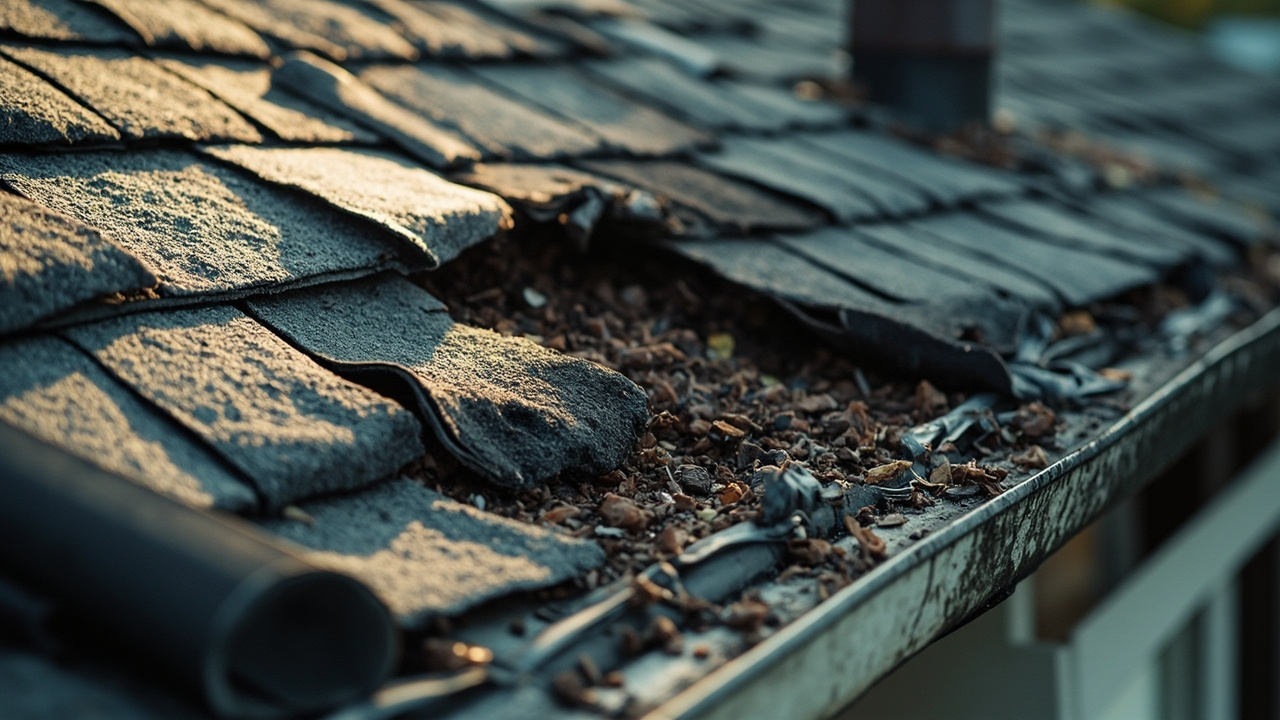
Failing roofs show clear distress signals. Shingles crack, curl, or blow off during storms. You find granules in gutters after rain. Flashing around chimneys and vents pulls away or rusts through. Interior ceiling stains appear, especially after heavy Charlotte thunderstorms. Your energy bills climb because damaged roofing reduces insulation effectiveness. Moss or algae growth indicates trapped moisture. Sagging roof lines mean decking or structural damage. Daylight shows through attic boards. Shingles look bald where granules wore away. Multiple leaks in different locations signal systemic failure rather than isolated damage.

How much should it cost to fix a roof? +

Minor repairs typically cost a few hundred dollars for isolated fixes. Moderate repairs addressing flashing, multiple shingles, or small sections run higher. Extensive repairs involving structural decking, multiple leak sources, or significant storm damage approach replacement costs. Charlotte contractors price based on roof pitch, accessibility, material type, and extent of hidden damage. Get three detailed written estimates. Be cautious if one bid is dramatically lower. Quality materials and proper installation matter more than saving upfront. Factor in Charlotte's humidity and storm exposure when evaluating repair longevity versus replacement value.

What is the average age of a roof before replacement? +

Asphalt shingle roofs typically need replacement at 20 to 25 years. Architectural shingles may reach 30 years under ideal conditions. Metal roofs last 40 to 70 years. Tile and slate can exceed 50 years. Charlotte's climate affects these ranges. High humidity, intense summer heat, and storm exposure shorten lifespan. Poor attic ventilation accelerates aging. Installation quality matters significantly. A roof installed improperly may fail in 10 to 15 years. Regular inspections help you plan financially. If your roof approaches 20 years, budget for replacement within five years.

How old may a roof be before insurance claims it's too old? +

Most insurance carriers consider roofs over 20 years old high-risk. Some will not insure homes with roofs older than 15 years without a professional inspection. Others reduce coverage to actual cash value rather than replacement cost once a roof exceeds 20 years. This means depreciation reduces your claim payout significantly. When shopping for homeowners insurance in Charlotte, expect questions about roof age and condition. If your roof is 15 years or older, get a professional inspection before policy renewal. Documentation of good condition may help maintain full coverage.

What is the most expensive part of replacing a roof? +

Labor represents the largest expense, typically 60 percent of total project cost. Material costs follow. Premium shingles, underlayment, and flashing add up quickly. Decking replacement drives costs higher when installers discover rotted plywood or OSB sheathing beneath old shingles. This hidden damage is common in Charlotte due to humidity and undetected leaks. Steep pitch roofs require more safety equipment and time, increasing labor costs. Tear-off and disposal of old materials add expense. Complex roof designs with multiple valleys, dormers, or skylights require more labor and materials than simple gable roofs.

Does homeowners insurance pay for a leaky roof? +

Coverage depends on the leak cause. Insurance typically covers storm damage, fallen trees, or sudden accidents. Gradual leaks from wear, poor maintenance, or age are usually excluded. If a Charlotte thunderstorm damages your roof and causes leaks, you have coverage. If slow deterioration created the leak, you pay out of pocket. Document damage immediately with photos. File claims quickly. Adjusters look for evidence of proper maintenance. Keep records of inspections and repairs. Your deductible applies. If your roof is old, expect depreciation to reduce payouts significantly.

What is the average lifespan of a roof? +

Asphalt shingles last 15 to 30 years depending on quality and conditions. Three-tab shingles typically reach 15 to 20 years. Architectural shingles may last 25 to 30 years. Metal roofs last 40 to 70 years. Tile and slate exceed 50 years with proper maintenance. Charlotte's climate shortens these ranges. Humidity encourages algae growth. Summer heat accelerates shingle breakdown. Poor ventilation traps heat and moisture, aging materials faster. Installation quality significantly affects lifespan. Regular maintenance, prompt repairs, and adequate attic ventilation help maximize your roof's service life.

What does a worn out roof look like? +

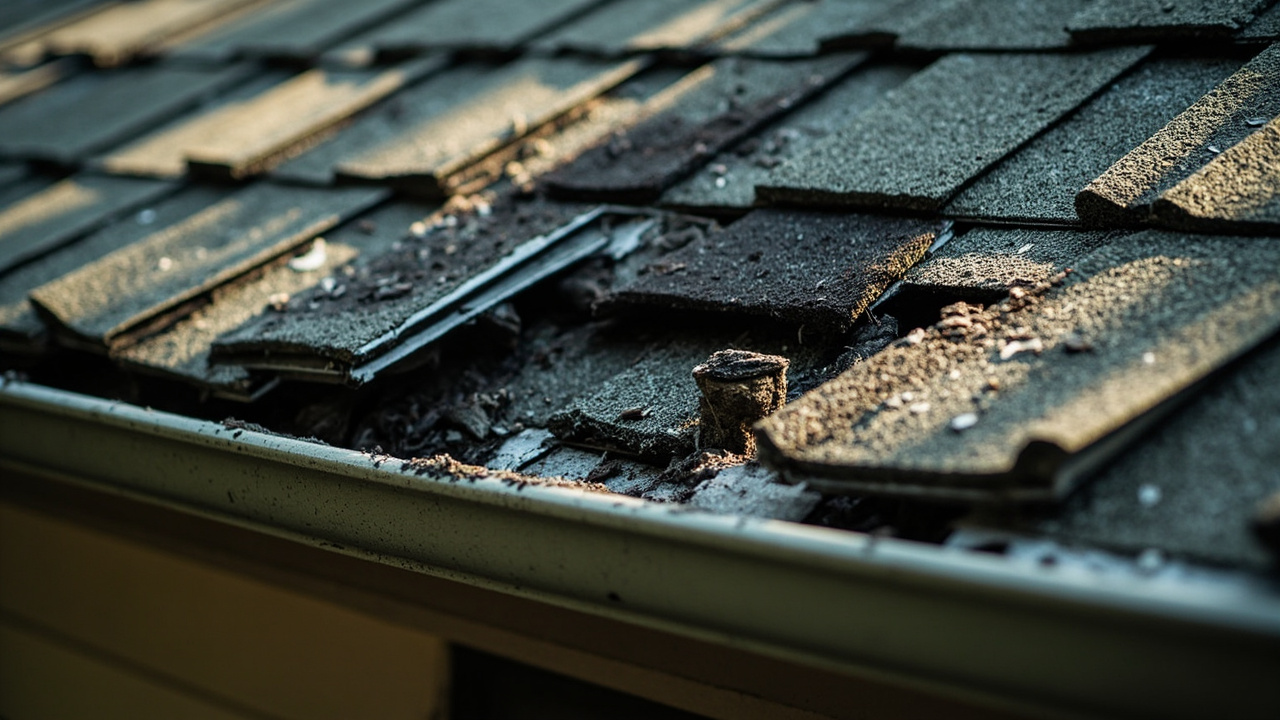
Worn roofs show visible material breakdown. Shingles lose granules, exposing black asphalt underneath. Edges curl upward or tabs curl downward. Shingles crack or tear easily. You see bald spots where granules completely wore away. Flashing rusts through or pulls away from chimneys and vents. Algae or moss grows in damp areas. The roof looks uneven or wavy rather than straight. Charlotte's humidity accelerates these signs. From the ground, worn roofs look darker or discolored compared to newer installations. Missing shingles leave exposed gaps after wind events.

Is it cheaper to repair or replace a roof? +

Repairs are cheaper upfront if damage is isolated to one area. Replace specific sections for localized storm damage or small leaks. Full replacement makes more financial sense when your roof is 15 years or older, has multiple problem areas, or requires extensive decking work. Repeated repairs add up quickly. If annual repair costs approach 25 percent of replacement cost, replace instead. Charlotte's climate means patched roofs often develop new problems nearby. Mixing old and new materials creates appearance issues. Consider resale value. A new roof offers buyers peace of mind that repeated repairs cannot match.

How Charlotte's Humidity and Temperature Swings Shorten Roof Lifespan

Charlotte averages 43 inches of rain annually with humidity levels regularly exceeding 70 percent during summer months. This moisture-rich environment creates ideal conditions for organic growth on roof surfaces. Algae colonies retain water against shingles and prevent proper drying between rain events. The freeze-thaw cycles we experience 15 to 25 times each winter cause any water trapped in shingle cracks to expand and contract, which accelerates splitting and curling. Temperature differentials between day and night often exceed 30 degrees, creating thermal stress that breaks down asphalt binder faster than in more temperate climates. These factors combine to reduce the effective lifespan of standard architectural shingles from the rated 30 years to 22 to 25 years in real-world conditions.

Understanding local failure patterns requires experience with Charlotte's specific conditions. We have inspected thousands of roofs across every neighborhood from NoDa to Ballantyne and recognize how different architectural styles and installation eras affect deterioration rates. The ranch homes built in the 1970s throughout east Charlotte used different underlayment than modern construction and show different failure modes. The newer developments in Waxhaw and Weddington face different drainage challenges due to lot grading requirements. This local knowledge helps us accurately predict remaining service life and recommend the right replacement timing for your specific situation, not generic timelines from manufacturer charts that do not account for regional climate factors.

Roofing Services in The Charlotte Area

Five Star Roofing Charlotte is proud to serve the entire community and surrounding areas. We’re dedicated to providing fast, reliable service right to your doorstep, no matter where you are. View our location on the map to see our central hub, and rest assured that our dedicated teams are ready to dispatch and bring our exceptional services to your neighborhood.

Address:
Five Star Roofing Charlotte, 3117 Whiting Ave, Charlotte, NC, 28205

Additional Services We Offer

Our news updates

Latest Articles & News from The Blogs

Dealing with Woodpecker and Bird Damage on Your Cedar Shake Roof in Quail Hollow Woodpeckers and other birds can cause…

Dealing with Woodpecker and Bird Damage on Your Cedar Shake Roof in Quail Hollow

Dealing with Woodpecker and Bird Damage on Your Cedar Shake Roof in Quail Hollow Woodpeckers and other birds can cause…

What Happens to Your Roof Warranty if You Install Holiday Lights the Wrong Way?

What Happens to Your Roof Warranty if You Install Holiday Lights the Wrong Way? Installing holiday lights on your roof…

Picking the Perfect Roof to Complement Your New James Hardie Siding

Picking the Perfect Roof to Complement Your New James Hardie Siding Choosing the right roof color for your home’s new…

Contact Us

Stop wondering if your roof will make it through another season. Call Five Star Roofing Charlotte at (980) 352-5899 for a thorough inspection that gives you clear answers about replacement timing and cost factors. We provide the information you need to plan appropriately and avoid emergency situations.