




menu

Emergency Roof Leak Detection in Charlotte – Active Roofs Dispatched Within 90 Minutes

When water breaches your roof, every minute increases structural damage and interior loss. Our emergency roof leak detection service locates the exact entry point fast, stops active water infiltration, and prevents mold growth before it starts.

Slider Image 1
Slider Image 2
Slider Image 3
Slider Image 4
Slider Image 5
Slider Image 7
Slider Image 8
Slider Image 9
Slider Image 10
Slider Image 11

Why Roof Leaks Escalate So Fast in Charlotte

You see water dripping through the ceiling. You hear it pooling in the attic. The stain is spreading across drywall. That is not just moisture. That is structural damage accelerating by the hour.

Charlotte's humid subtropical climate makes emergency roof leak detection critical. Our average annual rainfall exceeds 43 inches. When storms roll through the Piedmont, wind-driven rain finds every compromised seal, cracked flashing, and lifted shingle. The moisture does not evaporate in our 70 percent average humidity. It sits. It soaks into decking. It feeds mold colonies.

Sudden leaks during thunderstorms often indicate flashing failure around chimneys or valley compromises where two roof planes meet. Slow leaks that appear hours after rain usually trace back to nail pops or deteriorated underlayment. Both scenarios demand urgent roof leak inspection because what you see inside represents only a fraction of the saturation happening in your roof assembly.

Water follows the path of least resistance. It enters at one point, travels along rafters or sheathing, then drips through the weakest ceiling spot. That drip location is rarely the actual breach point. Same day roof leak detection requires infrared scanning, moisture meters, and attic access to trace the flow path backward to the true entry point.

Charlotte's clay soil creates another risk factor. Ground settlement shifts foundations, which torques roof framing and breaks previously sound seals. The leak you are dealing with today might stem from structural movement that happened months ago but only manifested during last night's downpour.

The window for damage control is narrow. Within 24 hours, water-saturated insulation loses R-value. Within 48 hours, mold spores begin colonization. Within 72 hours, you are looking at drywall replacement and potential health remediation costs.

Why Roof Leaks Escalate So Fast in Charlotte
How We Locate the Breach Point Under Pressure

How We Locate the Breach Point Under Pressure

Most companies show up, look at the drip, and make assumptions. We perform 24/7 roof leak diagnosis using a three-layer methodology that eliminates guesswork.

First response focuses on stopping active water entry. We deploy tarps or emergency patching to halt infiltration while we work. This protects your interior and gives us time to conduct a proper trace without panic.

The infrared scan comes next. We use thermal imaging to map temperature differentials across your roof deck and ceiling plane. Wet materials hold heat differently than dry materials. The camera reveals saturation patterns invisible to the eye. This technology cuts detection time from hours to minutes and shows us exactly where moisture has traveled through your roof assembly.

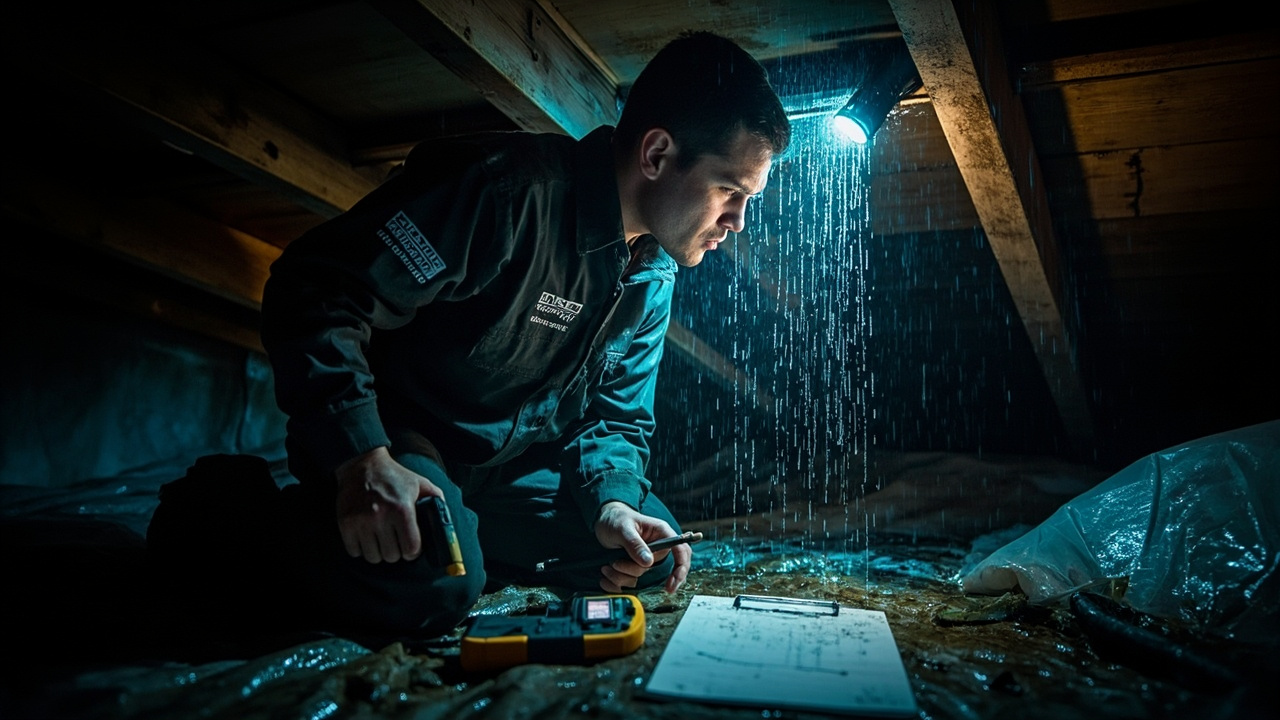
Moisture mapping follows the thermal scan. We use pin-type and non-invasive meters to measure moisture content in sheathing, rafters, and insulation. This data tells us how long the leak has been active and whether hidden mold growth has already started. We document moisture levels because your insurance adjuster will need this information.

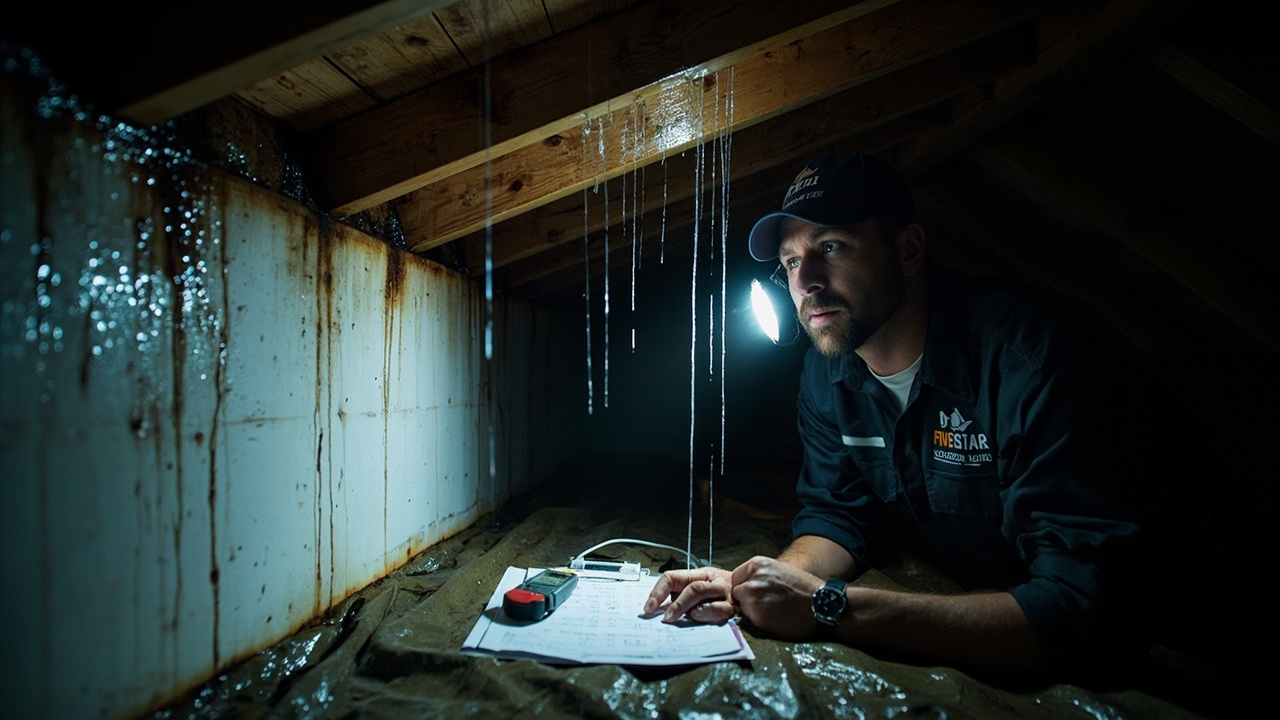
The attic inspection reveals the smoking gun. We trace water stains along framing members back to the entry point. We look for rust on nail shanks, which indicates chronic moisture exposure. We check ventilation adequacy because insufficient airflow compounds moisture problems even after we fix the breach.

Exterior examination confirms the diagnosis. We inspect flashing at all penetrations, check shingle integrity in the suspected zone, and evaluate valley metal or underlayment exposure. We look for granule loss, which signals UV degradation. We check for lifted tabs that allow wind-driven rain under the shingle mat.

Emergency roof leak tracing is not about finding a hole. It is about understanding the failure mechanism so the repair actually holds.

What Happens When You Call for Emergency Detection

Emergency Roof Leak Detection in Charlotte – Active Roofs Dispatched Within 90 Minutes
01

Immediate Dispatch and Triage

You call our emergency line. We answer, not a voicemail system. You describe what you are seeing. We ask about attic access, roof age, and recent weather events. We dispatch a technician within 90 minutes and provide an arrival window. If the leak is active and severe, we talk you through temporary containment using buckets and towels to minimize interior damage while our truck is en route.
02

On-Site Detection and Mapping

Our technician arrives with infrared equipment and moisture meters. We start inside, scanning ceilings and attic spaces to map the moisture trail. We move to the roof, conducting a grid search of the suspected area. We photograph everything. We take moisture readings at multiple points. The entire immediate roof leak locator process takes 45 to 90 minutes depending on roof complexity and the number of potential breach points.
03

Damage Report and Action Plan

We show you the thermal images and explain exactly what failed. We provide a written damage assessment that documents moisture levels, identifies the breach location, and outlines necessary repairs. We explain whether this is an insurance claim situation. We give you a repair timeline and pricing. If structural drying or mold remediation is needed, we refer you to certified specialists and coordinate the sequencing so repairs happen in the correct order.

Why Charlotte Property Owners Choose Five Star Roofing Charlotte for Crisis Response

When water is pouring through your ceiling at 11 p.m., you need a company that answers the phone and shows up prepared. We have been performing emergency roof leak detection in Charlotte for over a decade. We know the failure patterns common to the area's architectural styles.

The predominant roof types in Charlotte are architectural shingle systems on 4/12 to 8/12 pitches. These roofs typically fail at flashing transitions, not in the field. We know to check step flashing at brick chimneys, which corrodes faster in our humid environment. We know that valley metal on older homes often lacks ice and water shield underlayment, creating a chronic weak point during heavy rain events.

We understand Charlotte's building code requirements. Any roof repair that exceeds 25 percent of a roof section triggers re-permitting and must meet current code for underlayment and ventilation. We know when your leak repair will require a permit and how to navigate the Mecklenburg County inspection process without delays.

Our trucks carry infrared cameras, moisture meters, emergency tarping supplies, and common flashing materials. We do not show up, take notes, and leave. We stop the water intrusion during the initial visit whenever physically possible.

Local insurance adjusters recognize our documentation standards. We provide the moisture mapping, thermal images, and failure analysis they need to process emergency claims quickly. We work with every major carrier active in the Charlotte metro and understand their photo requirements and preferred repair protocols.

We also know the local contractor community. If your leak has caused electrical hazards or requires immediate structural drying, we can connect you with licensed electricians and restoration companies that operate on the same emergency timeline we do. You get one coordinated response, not a dozen phone calls to separate vendors.

Geographic familiarity matters in crisis response. We know where Ballantyne is, how to access SouthPark highrises, and the quickest routes to Myers Park historic homes during rush hour. Response time is not theoretical. It is actual wheels rolling to your address.

What the Emergency Detection Service Includes

Response Time and Availability

We maintain 24/7 dispatch availability every day of the year, including holidays. When you call our emergency line at (980) 352-5899, a live person answers and initiates the dispatch process immediately. Technician arrival windows are typically 90 minutes during daytime hours and two hours during overnight calls. We provide real-time updates via text as the technician travels to your location. If severe weather or road closures create delays, we communicate proactively and help you implement temporary containment measures while we navigate to your property.

Diagnostic Process and Documentation

The on-site diagnostic includes thermal imaging of affected areas, moisture content measurement at multiple points, attic inspection when accessible, and exterior roof examination of the suspected breach zone. We photograph all findings and provide a written report that documents moisture levels, identifies the failure point, and explains the cause. This documentation meets insurance carrier requirements for emergency claim filing. You receive digital copies of all thermal images and moisture readings before we leave your property. The diagnostic process typically takes 60 to 90 minutes depending on roof size and access complexity.

Immediate Water Stoppage

When we locate the breach point, we implement immediate stoppage measures during the same visit whenever weather and safety conditions allow. This includes emergency tarping, temporary flashing patches, or sealant application to halt active infiltration. The goal is to stop further interior damage while permanent repairs are scheduled. For leaks requiring extensive flashing replacement or structural work, we secure the area and schedule repair crews to return during daylight hours with proper materials and equipment. You will know exactly what was done to stop the water and what permanent repairs are needed before we leave the site.

Repair Coordination and Follow-Through

After emergency detection and temporary stoppage, we provide a detailed repair estimate within 24 hours. If insurance is involved, we work directly with your adjuster and provide all required documentation to support your claim. We schedule permanent repairs based on material availability and weather windows, typically within three to seven days for standard flashing work. Complex repairs involving deck replacement or structural issues may require longer lead times for permitting. We conduct a final moisture check after repairs to verify the leak is resolved and provide documentation of successful remediation for your records and insurance file.

Frequently Asked Questions

You Have Questions,
We Have Answers

Is a leaking roof considered an emergency? +

Yes. A leaking roof is an emergency if water actively enters your home. Charlotte's sudden thunderstorms and high humidity accelerate water damage. Ceiling stains, dripping water, or wet insulation require immediate action. Water spreads fast through drywall and attic spaces, causing mold growth within 24 to 48 hours. Electrical hazards increase if water reaches wiring or fixtures. Do not wait. Place buckets under active leaks, move furniture, and call a roofer immediately. Tarping the damaged area stops further intrusion until repairs begin. The longer you wait, the costlier the damage becomes.

How to figure out where a roof leak is coming from? +

Start in your attic during daylight. Look for water stains, wet insulation, or light penetrating through the roof deck. Trace the stain uphill because water travels along rafters before dripping. Check around roof penetrations like chimneys, skylights, and vent pipes. These are common failure points. Outside, inspect shingles for cracks, missing granules, or lifted edges. Check flashing around valleys and walls. Charlotte's clay soil shifts can stress roof-to-wall connections. If you cannot pinpoint the source, a professional uses moisture meters and infrared cameras to locate hidden leaks trapped inside roof layers.

How urgent is a leaking roof? +

Very urgent. A small leak quickly becomes structural damage. Charlotte's humid climate feeds mold growth in attic insulation and drywall within days. Water weakens roof decking, leading to sagging or collapse in severe cases. It damages ceilings, ruins belongings, and creates electrical fire risks. Insurance companies often deny claims if you delay repairs, viewing neglect as preventable damage. Even minor drips indicate compromised waterproofing. Address leaks the same day you discover them. Temporary tarps buy time, but permanent repairs must happen fast. Waiting turns a fixable issue into a total roof replacement.

What to do when you can't find a roof leak? +

Call a professional immediately. Hidden leaks often originate far from where water appears inside your home. Water travels along roof decking, rafters, and insulation before dripping through ceilings. Charlotte's frequent storms and wind-driven rain push water into unexpected entry points. Roofers use thermal imaging cameras to detect moisture trapped in roof layers. They perform water tests by running hoses on suspected areas while someone monitors the attic. Do not ignore mystery leaks. They indicate compromised waterproofing that worsens with every storm. Persistent leaks without obvious sources require expert equipment and experience to diagnose correctly.

Will homeowners insurance cover a leak in your roof? +

It depends on the cause. Homeowners insurance typically covers sudden, accidental damage like storm damage, fallen trees, or wind-blown shingles. Charlotte's severe thunderstorms and occasional tropical systems often qualify. Insurance denies claims for gradual wear, poor maintenance, or aging roofs past their lifespan. Document damage immediately with photos and videos. File your claim within days of discovery. Insurers send adjusters to inspect damage and determine coverage. Keep all repair estimates and correspondence. If your claim is denied unfairly, challenge it with documentation. Always repair emergency leaks immediately to prevent secondary damage, which insurance may not cover.

Is it normal for a roof to leak in heavy rain? +

No. A properly installed roof should never leak, even during Charlotte's heavy downpours or tropical storms. Leaks during intense rain indicate failed flashing, missing shingles, clogged gutters, or worn sealant around penetrations. Wind-driven rain can exploit small gaps that remain dry during light showers. Older roofs with brittle shingles or degraded underlayment fail under pressure. If your roof leaks only during heavy storms, the problem exists but worsens under stress. Do not accept leaks as normal. They signal damage requiring immediate repair. Ignoring storm leaks leads to rot, mold, and structural failure.

How do plumbers find hidden leaks? +

Plumbers handle interior pipe leaks, not roof leaks. For roof leaks, roofers use moisture meters to measure water content in wood and drywall. Infrared cameras detect temperature differences caused by trapped moisture. They perform dye tests by adding colored tracers to suspected entry points and tracking where water travels. Some use electronic leak detection equipment that senses moisture behind surfaces. In Charlotte's humid climate, distinguishing roof leaks from condensation or plumbing issues requires expertise. If water damage appears near bathrooms or kitchens, call a plumber. If it traces to exterior walls or ceilings below the attic, call a roofer.

How to tell if a roofer is lying? +

Ask specific questions. A legitimate roofer explains the damage clearly, shows you photos, and details the repair process. Red flags include pressure to sign immediately, requests for full payment upfront, or vague estimates without itemized costs. Check their physical business address in Charlotte, not just a phone number. Ask for references from recent jobs in your neighborhood. Verify they pull permits for structural work. Be wary of storm chasers who canvass after severe weather offering free inspections. Trust roofers who provide written estimates, explain material choices, and answer questions without evasion. Experience and transparency separate professionals from scammers.

How much will it cost to fix a roof leak? +

Costs vary widely based on damage extent, accessibility, and materials. Minor repairs like replacing a few shingles or resealing flashing cost less than extensive decking replacement or valley repairs. Charlotte's clay soil can shift foundations, stressing roof connections and increasing repair complexity. Steep-pitch roofs or multi-story homes add labor costs. Emergency repairs during storms cost more due to urgency and tarping needs. Insurance may cover storm damage but not wear-related issues. Get multiple written estimates from licensed Charlotte roofers. Focus on quality materials and workmanship, not the lowest bid. Cheap repairs fail quickly in our humid climate.

What is the average cost to repair a roof leak? +

Repair costs depend on leak severity and location. Small fixes like replacing damaged shingles or resealing penetrations are less expensive than structural repairs involving decking, underlayment, or extensive flashing work. Charlotte's weather extremes, from summer heat to winter freeze-thaw cycles, stress roofing materials and influence repair needs. Multi-story homes or complex roof designs increase labor time. Emergency callouts during active storms carry premium pricing. Request itemized estimates from multiple licensed contractors. Avoid roofers who quote without inspecting your attic and roof surface. Investing in proper repairs now prevents costlier replacements later. Quality materials suited to Charlotte's climate matter more than price alone.

How Charlotte's Thunderstorm Patterns Create Unique Leak Risks

Charlotte sits in a convergence zone where humid air from the Atlantic meets cooler Piedmont elevations, creating intense summer thunderstorms with wind gusts that regularly exceed 40 mph. These storms do not just drop rain. They drive it horizontally under shingle edges and through flashing gaps that remain dry during calm rainfall. The city averages 41 thunderstorm days per year, and each event tests every seal and transition point on your roof. Wind-driven rain exploits weaknesses that standard weather never reveals. That is why leaks often appear suddenly during storms even though the underlying vulnerability has existed for months. Emergency roof leak tracing in Charlotte requires understanding how wind direction and rain intensity interact with specific roof orientations and architectural features common to the area's housing stock.

Five Star Roofing Charlotte maintains relationships with local building inspectors, insurance adjusters, and restoration specialists throughout Mecklenburg County. We understand the permitting requirements specific to Charlotte's jurisdiction and know which repairs trigger re-inspection requirements. Our familiarity with neighborhood architecture, from the historic bungalows in Plaza Midwood to the modern construction in Ballantyne, means we recognize common failure patterns before we even climb the ladder. When you need same day roof leak detection, you need a company that knows the building styles, weather patterns, and regulatory environment specific to this city. Generic roofing knowledge does not cut it when water is pouring through your ceiling and the clock is ticking on structural damage.

Roofing Services in The Charlotte Area

Five Star Roofing Charlotte is proud to serve the entire community and surrounding areas. We’re dedicated to providing fast, reliable service right to your doorstep, no matter where you are. View our location on the map to see our central hub, and rest assured that our dedicated teams are ready to dispatch and bring our exceptional services to your neighborhood.

Address:
Five Star Roofing Charlotte, 3117 Whiting Ave, Charlotte, NC, 28205

Additional Services We Offer

Our news updates

Latest Articles & News from The Blogs

Dealing with Woodpecker and Bird Damage on Your Cedar Shake Roof in Quail Hollow Woodpeckers and other birds can cause…

Dealing with Woodpecker and Bird Damage on Your Cedar Shake Roof in Quail Hollow

Dealing with Woodpecker and Bird Damage on Your Cedar Shake Roof in Quail Hollow Woodpeckers and other birds can cause…

What Happens to Your Roof Warranty if You Install Holiday Lights the Wrong Way?

What Happens to Your Roof Warranty if You Install Holiday Lights the Wrong Way? Installing holiday lights on your roof…

Picking the Perfect Roof to Complement Your New James Hardie Siding

Picking the Perfect Roof to Complement Your New James Hardie Siding Choosing the right roof color for your home’s new…

Contact Us

Water damage accelerates every hour you wait. Call Five Star Roofing Charlotte at (980) 352-5899 right now for immediate dispatch. Our emergency detection team arrives equipped with thermal imaging and moisture meters to locate the breach fast and stop the infiltration. We answer the phone 24/7. No voicemail. No waiting until morning.