




menu

Roof Cricket Drainage Issues in Charlotte – Expert Diagnosis and Permanent Fixes That Stop Water Damage Before It Spreads

Five Star Roofing Charlotte identifies hidden roof cricket ponding, chimney saddle water pooling, and improper cricket pitch before they compromise your roof deck, attic insulation, or interior ceilings.

Slider Image 1
Slider Image 2
Slider Image 3
Slider Image 4
Slider Image 5
Slider Image 7
Slider Image 8
Slider Image 9
Slider Image 10
Slider Image 11

Why Charlotte Roofs Struggle with Cricket Drainage Failures

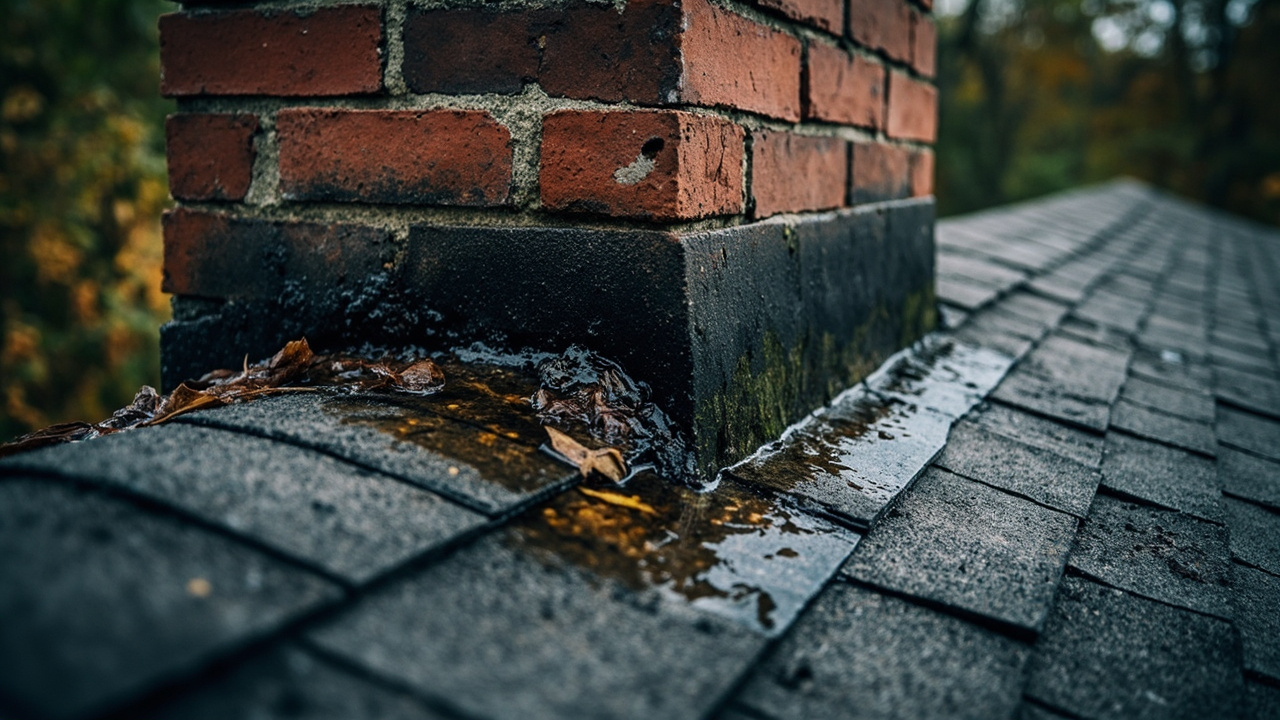
Charlotte's humid subtropical climate dumps over 43 inches of rain annually, and that water has to go somewhere. When roof crickets fail to divert water around chimneys or mechanical equipment, you get chimney saddle water pooling that accelerates rot, leaks, and structural damage.

Most homeowners do not even know what a roof cricket is until water stains appear on their ceiling. A cricket is a small peaked structure built behind chimneys to redirect water flow and prevent ponding. When installed with improper cricket pitch or undersized dimensions, water collects instead of draining. Over time, this standing water penetrates flashing seals, saturates roof decking, and creates entry points for mold and rot.

Charlotte's clay soil and seasonal temperature swings add another layer of complexity. Freeze-thaw cycles during winter months cause expansion and contraction that loosens flashing connections. Summer heat bakes trapped moisture into the roof deck, weakening adhesives and sealants. These factors combine to make roof cricket ponding a persistent problem across Myers Park, Dilworth, and Plaza Midwood neighborhoods.

Chimney diverter leaks often go unnoticed until the damage spreads beyond the roofline. You might see water stains on interior walls, peeling paint near the chimney, or damp insulation in the attic. By the time these symptoms appear, the underlying wood framing may already require replacement. Roof saddle drainage failure is not a cosmetic issue. It is a structural threat that compounds with every storm.

Why Charlotte Roofs Struggle with Cricket Drainage Failures
How We Fix Cricket Drainage Problems the Right Way

How We Fix Cricket Drainage Problems the Right Way

Five Star Roofing Charlotte does not patch over symptoms. We rebuild failed crickets with proper geometry, correct pitch angles, and permanent flashing integration.

Our process starts with infrared moisture scanning to map water infiltration patterns around the chimney or roof penetration. This technology reveals hidden saturation in the roof deck that standard visual inspections miss. We document the extent of rot, measure existing cricket dimensions, and calculate the correct pitch angle needed for your specific roof slope and chimney width.

Most cricket failures stem from undersized structures or incorrect pitch ratios. Building codes require crickets on chimneys wider than 30 inches, but many older Charlotte homes lack them entirely. Others have crickets built with insufficient height, creating shallow valleys that trap debris and water. We rebuild crickets to a minimum 4-inch rise per foot of run, ensuring positive drainage even during heavy downpours.

Material selection matters. We use pressure-treated plywood for the cricket framing, not standard decking that rots under constant moisture exposure. Flashing integration is critical. We install step flashing up the cricket sides, counter flashing embedded into chimney mortar joints, and a continuous apron flashing across the cricket base. Every seam gets sealed with polyurethane sealant rated for 50-year UV and moisture resistance.

We also address the underlying roof deck damage. Rotted sections get cut out and replaced with matching thickness plywood. Compromised rafters receive sister reinforcements. This is not a surface repair. We rebuild the structural foundation so your roof performs correctly for decades.

What Happens During a Cricket Drainage Repair

Roof Cricket Drainage Issues in Charlotte – Expert Diagnosis and Permanent Fixes That Stop Water Damage Before It Spreads
01

Moisture Assessment and Documentation

We start with infrared scanning and moisture meter testing to map water penetration around your chimney. This reveals hidden rot in the roof deck and identifies whether the problem extends into attic framing or insulation. Photos and measurements document the existing cricket dimensions, pitch angle, and flashing condition. You get a detailed report showing exactly what needs replacement before any tear-off begins.
02

Cricket Rebuild and Deck Repair

We remove the failed cricket structure and strip back shingles to expose the full chimney base. Rotted roof decking gets cut out and replaced with pressure-treated plywood. The new cricket gets framed with correct pitch geometry, typically 6 to 8 inches of rise depending on your chimney width and roof slope. Step flashing and counter flashing install in layers, creating overlapping barriers that channel water down and away from the chimney penetration.
03

Final Integration and Water Testing

After the cricket structure and flashing install, we tie the new shingles into the existing roof field using proper overlap and sealant placement. Before leaving, we run water tests to verify drainage patterns and confirm no pooling occurs behind the chimney. You receive documentation of the repair with photos showing the rebuilt cricket geometry and flashing details. This is permanent work, not a temporary patch that fails in two years.

Why Charlotte Homeowners Trust Five Star Roofing for Cricket Repairs

Roof cricket drainage issues require specialized knowledge that general roofers often lack. Many contractors patch flashing or reseal joints without addressing the root cause, which is improper cricket geometry. Five Star Roofing Charlotte rebuilds crickets to engineered specifications that match your roof pitch, chimney dimensions, and local rainfall intensity.

We understand Charlotte's building codes and how they apply to chimney crickets on both residential and commercial structures. Mecklenburg County requires crickets on chimneys wider than 30 inches, but the code does not specify pitch ratios or material standards. We follow best practices from the National Roofing Contractors Association, which recommends a minimum 4-inch rise per 12 inches of run for adequate drainage. This creates a steep enough slope to shed water and debris without creating ice dam risks during winter freezes.

Our crews work on Charlotte's historic homes in Dilworth and Myers Park, where roof configurations vary widely. Victorian and Craftsman-style homes often have multiple chimneys with complex roof valleys. We know how to integrate new crickets with existing flashing systems without disrupting the architectural details that define these neighborhoods.

Material quality separates permanent repairs from temporary fixes. We use copper or aluminum step flashing that will not corrode under Charlotte's humid conditions. Counter flashing embeds into mortar joints with mechanical fasteners, not surface-applied sealant that fails when bricks shift. These details prevent the callbacks and repeat repairs that plague homeowners who choose the lowest bid.

You also get transparent communication. We explain what failed, why it failed, and what we are doing differently to prevent recurrence. No jargon, no upselling, just clear answers about your roof's condition and the repair process.

What to Expect During Your Cricket Drainage Repair

Repair Timeline and Scheduling

Most cricket drainage repairs take one to two days depending on the extent of roof deck damage and chimney accessibility. We schedule work during dry weather windows to prevent additional water exposure during tear-off. If your repair requires multiple days, we tarp the exposed area each evening to protect your attic and interior spaces. Emergency repairs for active leaks get prioritized, often starting within 24 to 48 hours of your call. We coordinate around your schedule and provide daily updates on progress and any additional issues discovered during tear-off.

Initial Inspection and Diagnosis

Your assessment begins with a roof inspection that includes infrared moisture scanning and attic examination. We measure the existing cricket dimensions, check flashing integration, and test for soft spots in the roof deck. You receive a written diagnosis explaining the failure cause, which might be improper pitch, missing crickets, corroded flashing, or rotted decking. We provide photo documentation showing the problem areas and a detailed estimate breaking down materials, labor, and timeline. This inspection typically takes 45 to 90 minutes depending on roof complexity and access challenges.

The Quality of the Final Repair

You get a rebuilt cricket with engineered pitch angles that match your roof slope and chimney width. Flashing integrates in layers with proper overlap and mechanical fastening, not surface sealants that fail under UV exposure. All rotted roof decking gets replaced with pressure-treated plywood rated for moisture resistance. Shingle tieins match your existing roof color and style, blending the repair invisibly into the surrounding roof field. We clean up all debris daily and perform a final walkthrough showing you the completed work and explaining the drainage improvements. Your roof will shed water correctly and protect the structure underneath.

Aftercare and Maintenance Recommendations

Cricket drainage systems require minimal maintenance once properly installed, but you should inspect flashing seams annually for cracks or separation. We recommend clearing leaves and debris from behind chimneys twice per year, especially after fall storms when organic matter accumulates in roof valleys. If you notice water stains reappearing or flashing pulling away from the chimney, call immediately. Catching small issues early prevents major roof deck damage. We provide a detailed maintenance checklist with your final invoice and offer annual inspection services to monitor flashing condition and cricket performance over time.

Frequently Asked Questions

You Have Questions,
We Have Answers

Does rooftop cricket damage roofs? +

No, rooftop crickets protect your roof. A cricket is a small peaked structure installed behind chimneys or large roof penetrations to divert water and debris around the obstruction. Without a cricket, water pools behind the chimney and accelerates shingle deterioration, flashing failure, and wood rot. In Charlotte's high humidity and frequent summer storms, this standing water becomes a breeding ground for mold and leaks. Crickets prevent these problems by channeling water toward gutters. A missing or poorly built cricket is a drainage liability that shortens your roof's lifespan.

What are the signs of a failing roof drain? +

Watch for water stains on interior ceilings near drains, pooling water on the roof surface after rain, and slow drainage during Charlotte's heavy thunderstorms. Exterior signs include rust stains around the drain opening, cracked drain housing, and separated flashing. You may notice debris accumulation around the drain or sagging roof sections where water weight collects. Gurgling sounds during rain indicate partial blockages. Failed drains often leak into wall cavities before you see ceiling damage, so exterior inspection matters. Charlotte's clay soil expansion can also shift drain connections over time.

What is a drainage cricket? +

A drainage cricket is a peaked diverter structure built on flat or low-slope roofs to redirect water flow around obstacles like chimneys, HVAC units, or skylights. It resembles a small tent or ridge that splits water to either side of the obstruction, preventing pooling and ice dam formation. Crickets are framed with wood or metal, then covered with the same roofing material as the main roof. They are code-required in many applications where an obstruction exceeds 30 inches wide. In Charlotte, crickets prevent moisture damage from our humid summers and occasional winter freeze-thaw cycles.

When should I consider a roof cricket? +

Consider a roof cricket when installing a chimney wider than 30 inches, adding large HVAC units, or creating any roof penetration that blocks natural water flow. If you notice water pooling behind existing chimneys after rain, you need a cricket retrofit. Charlotte homes with multiple roof planes or low-slope sections benefit from crickets to manage our intense summer downpours. Any time you replace roofing around a chimney, add a cricket if one does not exist. It is cheaper to install during initial construction than to fix water damage later. Crickets are preventive investments.

Can crickets cause structural damage? +

Yes, roof crickets prevent structural damage rather than cause it. Crickets divert water away from vulnerable areas, stopping the rot, mold, and wood deterioration that weaken roof framing. Without crickets, water pools behind chimneys and penetrations, saturating roof decking and compromising structural integrity over time. In Charlotte's humid climate, this moisture creates ideal conditions for fungal decay and termite activity. A properly built cricket protects your roof structure by eliminating standing water. Poorly constructed crickets with inadequate flashing can leak, but the cricket itself is not the problem. Poor installation is the culprit.

Should you try to remove an ice dam on your roof in winter? +

No, do not attempt ice dam removal yourself. Chipping ice with tools damages shingles, flashing, and gutters. The weight of ice combined with ladder work in freezing conditions creates serious fall risk. In Charlotte, ice dams are rare but occur during unusual winter storms when melting snow refreezes at roof edges. If you face an ice dam, contact a professional roofer who uses steam equipment to safely melt the ice without roof damage. Focus on interior damage control by placing buckets under active leaks and moving valuables. Professional removal prevents you from turning a drainage issue into a roofing emergency.

How much does it cost to replace a roof drain? +

Roof drain replacement costs vary widely based on drain size, roof accessibility, and existing damage to surrounding materials. Expect costs to increase if decking replacement is needed or if the drain location requires scaffolding. Commercial drains on flat roofs cost more than residential installations. Charlotte's clay soil can complicate below-roof drain connections if settling has occurred. Material choice matters. Cast iron drains cost more than PVC but last longer. Get multiple quotes and ask if the price includes flashing replacement and deck repairs. Quality installation prevents future leaks and justifies the investment.

Does homeowners insurance pay for a leaky roof? +

Homeowners insurance typically covers roof leaks caused by sudden, accidental events like storm damage or fallen trees. Insurance rarely covers leaks from poor maintenance, gradual wear, or aging materials. If your roof cricket failed due to a covered peril, your claim may be approved. Document the damage with photos and contact your insurer immediately. In Charlotte, wind-driven rain damage from severe thunderstorms often qualifies for coverage. Insurance adjusters will investigate the cause. Maintenance-related failures like clogged drains or deteriorated flashing usually fall on you. Review your policy and keep maintenance records to strengthen claims.

How to tell if a roofer is lying? +

Red flags include refusing to provide proof of insurance, demanding full payment upfront, and offering suspiciously low bids that seem too good to be true. Dishonest roofers avoid written contracts, pressure you to decide immediately, and cannot provide local references. In Charlotte, watch for storm chasers with out-of-state plates who appear after severe weather. Legitimate roofers provide detailed written estimates, pull permits when required, and explain the scope of work clearly. Ask about their experience with Charlotte building codes and specific roof types common here. Trust roofers who diagnose problems honestly rather than upselling unnecessary work.

Do roof crickets need to be inspected? +

Yes, inspect roof crickets during annual roof maintenance or after severe storms. Check for separated flashing, cracked sealant, and debris accumulation that blocks water flow. In Charlotte, inspect crickets before hurricane season and after winter freeze-thaw cycles. Look for shingle damage on the cricket surface and verify that water diverts properly around the obstruction. Missing or damaged crickets allow water pooling that leads to leaks and structural damage. Professional inspections catch small problems before they become expensive repairs. Crickets are small structures but play an outsized role in protecting your roof's vulnerable areas.

How Charlotte's Clay Soil and Humidity Accelerate Cricket Failures

Charlotte sits on expansive clay soil that shifts with seasonal moisture changes, causing foundation movement that transfers stress to roof structures and chimney connections. This movement loosens flashing seals and opens gaps where water infiltrates around crickets. The region's 70 percent average humidity keeps roof decking damp even between storms, accelerating rot in areas where chimney saddle water pooling occurs. Summer temperatures regularly exceed 90 degrees, baking moisture into roof materials and breaking down sealants faster than in drier climates. These conditions make properly engineered crickets with correct pitch angles essential for long-term roof performance in Myers Park, Dilworth, and surrounding neighborhoods.

Five Star Roofing Charlotte understands Mecklenburg County building codes and how local inspectors evaluate chimney cricket installations during roof replacements and major repairs. We work regularly with historic preservation committees in older Charlotte neighborhoods where maintaining architectural integrity matters as much as functional performance. Our crews know which flashing materials hold up best under local humidity and temperature swings, and we source products rated for the Southeast's harsh UV exposure. Choosing a local contractor means you get repairs designed for Charlotte's specific climate challenges, not generic solutions that fail within a few years.

Roofing Services in The Charlotte Area

Five Star Roofing Charlotte is proud to serve the entire community and surrounding areas. We’re dedicated to providing fast, reliable service right to your doorstep, no matter where you are. View our location on the map to see our central hub, and rest assured that our dedicated teams are ready to dispatch and bring our exceptional services to your neighborhood.

Address:
Five Star Roofing Charlotte, 3117 Whiting Ave, Charlotte, NC, 28205

Additional Services We Offer

Our news updates

Latest Articles & News from The Blogs

Dealing with Woodpecker and Bird Damage on Your Cedar Shake Roof in Quail Hollow Woodpeckers and other birds can cause…

Dealing with Woodpecker and Bird Damage on Your Cedar Shake Roof in Quail Hollow

Dealing with Woodpecker and Bird Damage on Your Cedar Shake Roof in Quail Hollow Woodpeckers and other birds can cause…

What Happens to Your Roof Warranty if You Install Holiday Lights the Wrong Way?

What Happens to Your Roof Warranty if You Install Holiday Lights the Wrong Way? Installing holiday lights on your roof…

Picking the Perfect Roof to Complement Your New James Hardie Siding

Picking the Perfect Roof to Complement Your New James Hardie Siding Choosing the right roof color for your home’s new…

Contact Us

Call Five Star Roofing Charlotte at (980) 352-5899 for a complete cricket drainage assessment. We diagnose the root cause, rebuild failed structures with correct pitch geometry, and eliminate water pooling that threatens your home. Schedule your inspection today.