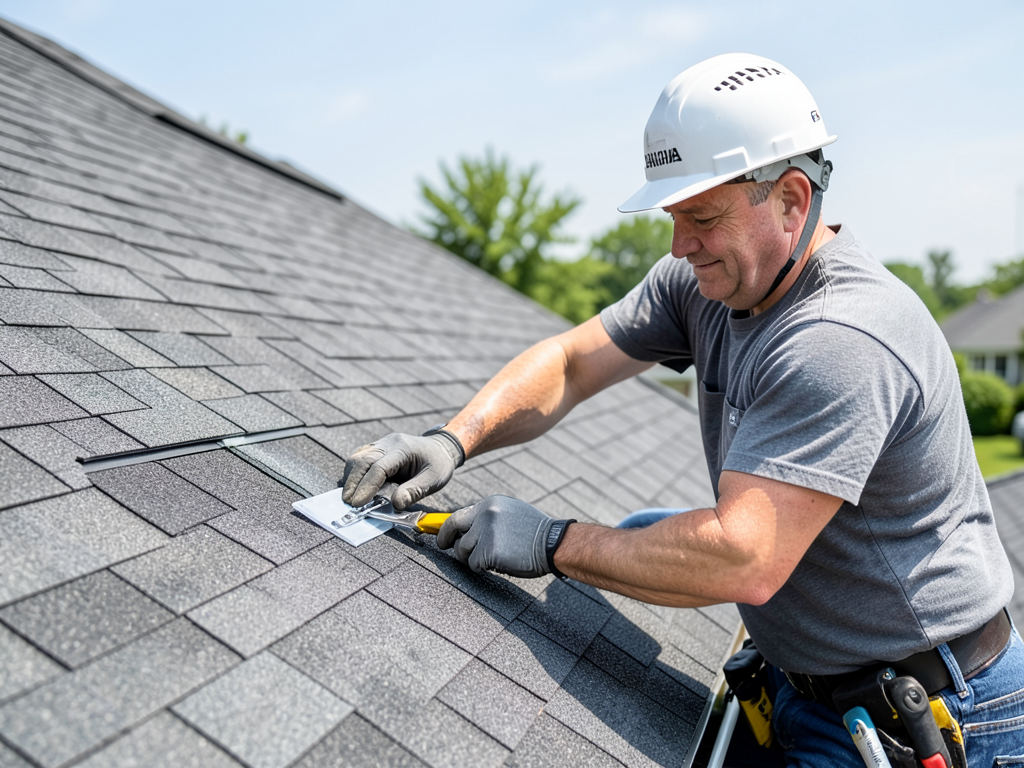





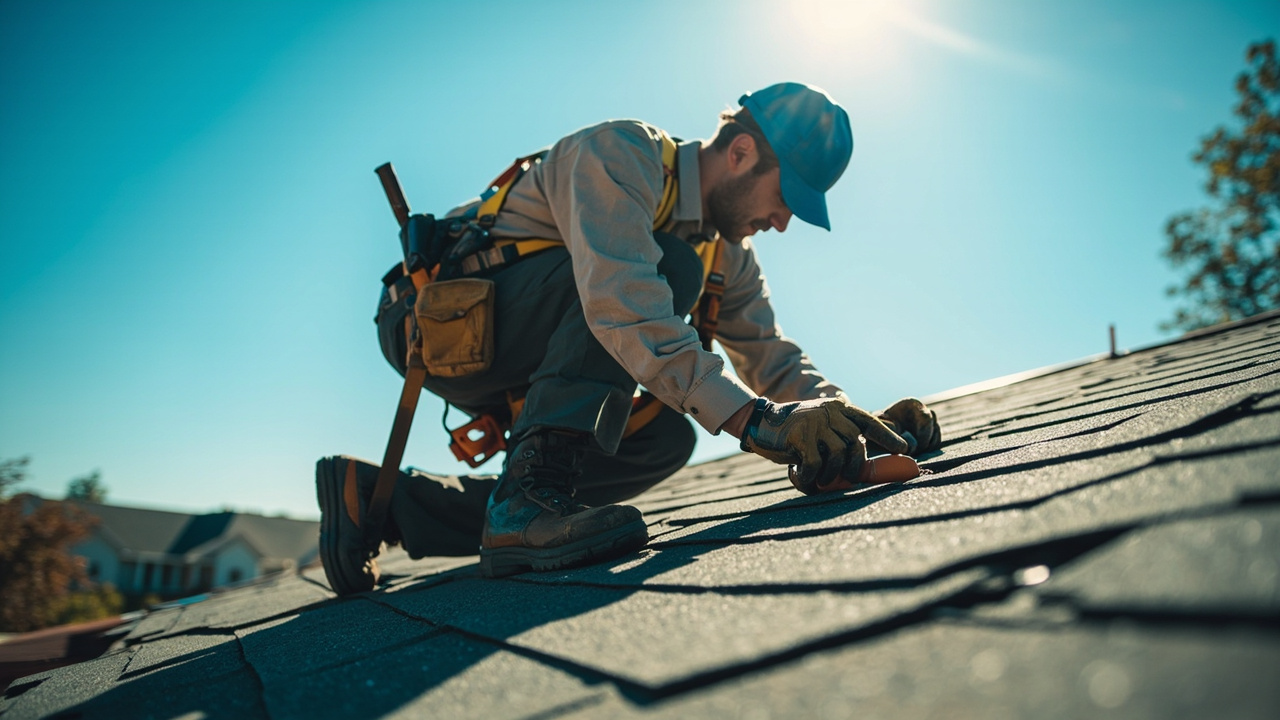

Charlotte sits in a unique weather zone where warm, humid air from the south collides with cooler systems moving through the Piedmont. This creates the intense thunderstorm activity residents know too well, especially during late spring and summer. These storms produce damaging straight-line winds that exceed 60 mph, large hail, and torrential rainfall that tests every weak point in your roof system. The high humidity between storms prevents roofing materials from drying completely, accelerating rot in any areas where water has penetrated. This one-two punch of violent weather followed by persistent moisture creates roof deterioration patterns you do not see in drier or more temperate climates. Professional roof damage repair in Charlotte must account for these conditions, using moisture-resistant materials and installation techniques that can handle repeated wet-dry cycles.
Charlotte's rapid growth has created a patchwork of roofing standards across different development eras. Homes built in the 1970s and 1980s often have inadequate attic ventilation by current standards, which compounds moisture problems. Newer developments in areas like Ballantyne or Weddington follow updated building codes, but these neighborhoods face their own challenges with builder-grade materials reaching end-of-life simultaneously across entire subdivisions. Working with roofing repair specialists who understand these local variables matters. We know which neighborhoods have clay tile roofs requiring specialized repair techniques, where to source materials for mid-century ranch homes, and how Charlotte's building inspection department evaluates repair work. This local knowledge prevents the compliance issues and failed inspections that plague contractors from outside the metro area.