


menu

Critter & Pest Damage in Charlotte – Expert Diagnosis and Permanent Wildlife Exclusion

Five Star Roofing Charlotte identifies hidden entry points and repairs structural damage caused by raccoons, squirrels, and rodents before they compromise your roof deck and attic insulation.

Slider Image 1
Slider Image 2
Slider Image 3
Slider Image 4
Slider Image 5
Slider Image 7
Slider Image 8
Slider Image 9
Slider Image 10
Slider Image 11

Why Charlotte Roofs Are Magnets for Wildlife Intrusion

Charlotte's dense tree canopy and mild winters create perfect conditions for roof wildlife damage. Squirrels leap from overhanging oaks onto your shingles. Raccoons pry up ridge vents searching for attic access. Rats follow power lines straight to your fascia boards.

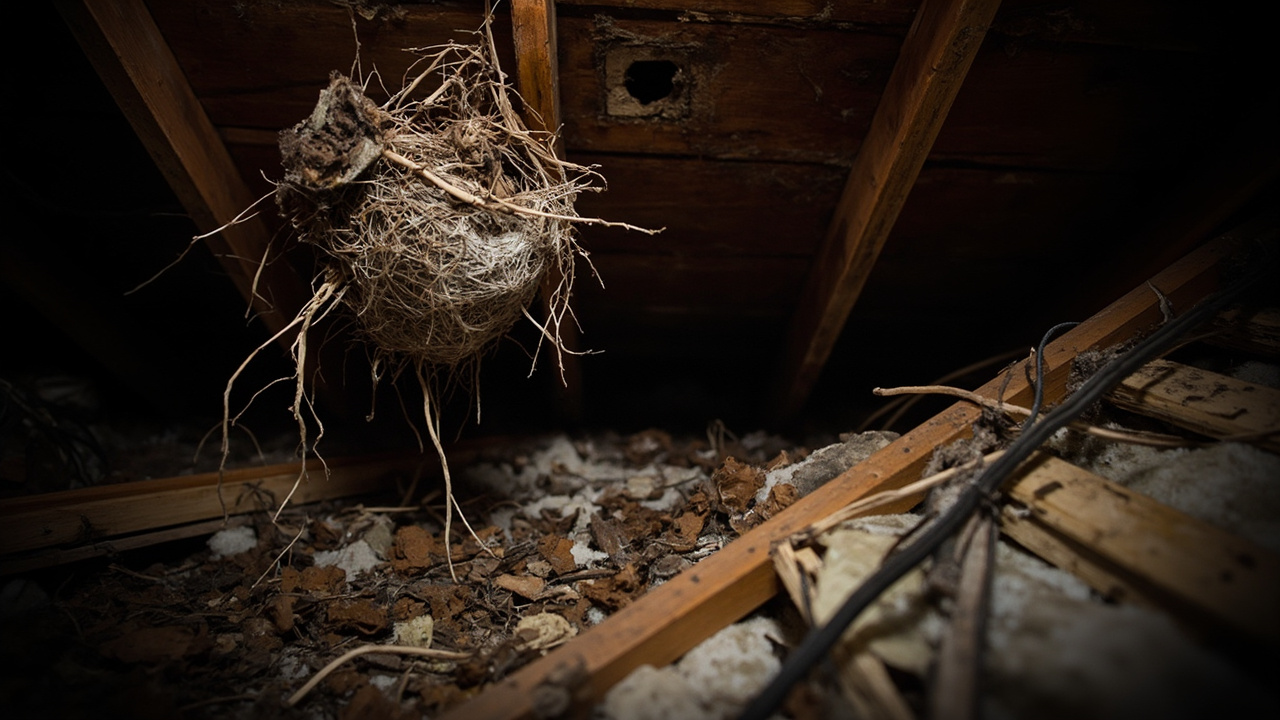
The problem starts small. A squirrel chews through a single soffit vent. Within weeks, you hear scratching in your ceiling at night. The animal intrusion roofing damage spreads fast because pests tunnel through rotted wood and insulation. They gnaw on electrical wiring. They leave urine-soaked insulation that grows mold in Charlotte's humid climate.

Rodent roof damage often hides until you spot daylight through your attic boards or notice shingle granules scattered across your driveway. By then, the vermin roof destruction includes chewed flashing around chimneys, torn underlayment, and compromised roof decking. You smell the feces before you see the real structural harm.

Homeowners in neighborhoods like Dilworth and Myers Park face constant pressure from tree-dwelling pests. The older homes feature wood siding and complex rooflines with dozens of potential entry points. Pest damage shingles appear as lifted tabs, missing sections, and holes chewed straight through asphalt layers.

Charlotte's freeze-thaw cycles worsen the damage. Water seeps into pest-created gaps, freezes overnight, and expands the cracks. What started as a nuisance becomes a leak, then rot, then a failing roof system. You need more than pest control. You need structural repair and permanent exclusion methods that address both the animal problem and the roofing damage they caused.

Why Charlotte Roofs Are Magnets for Wildlife Intrusion
How We Stop Animal Damage and Restore Roof Integrity

How We Stop Animal Damage and Restore Roof Integrity

We approach critter damage as a roofing problem first. Pest control companies trap animals but ignore the torn shingles and rotted decking. We fix both. Our process starts with a full roof inspection from ridge to eave, identifying every compromised penetration, vent, and soffit panel.

We document chewed flashing around plumbing stacks and HVAC vents. We check for lifted drip edge where rodents squeeze underneath. We probe fascia boards for soft spots caused by persistent gnawing. If animals breached your roof deck, we assess whether the plywood needs replacement or if targeted repairs will restore structural integrity.

Exclusion comes next. We install heavy-gauge mesh over gable vents and ridge vents. We seal soffit gaps with steel flashing that animals cannot chew through. We replace damaged sections of trim and fascia with materials resistant to gnawing. We cut back tree limbs within six feet of your roofline to eliminate jump points.

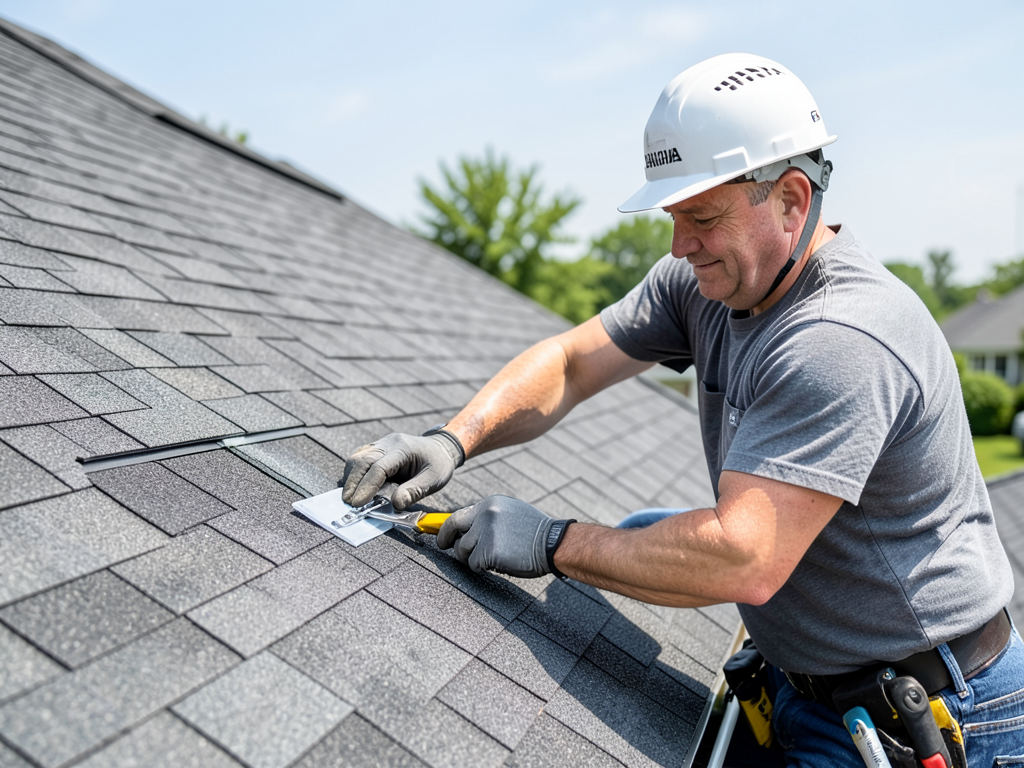
Then we repair the roofing damage. We replace torn shingles and underlayment. We re-flash penetrations with properly sealed step flashing and counterflashing. If rodents destroyed sections of your roof deck, we cut out the compromised plywood and install new sheathing. We match your existing shingle color and style so repairs blend seamlessly.

We also address the attic contamination left behind. Urine-soaked insulation grows mold and attracts more pests. We remove contaminated material, treat surfaces with antimicrobial solutions, and install fresh insulation to restore your thermal barrier. The result is a roof system that keeps animals out and protects your home from water intrusion and energy loss.

What Happens During a Wildlife Damage Roof Repair

Critter & Pest Damage in Charlotte – Expert Diagnosis and Permanent Wildlife Exclusion
01

Thorough Damage Assessment

We inspect your entire roof system from the ground and attic. We photograph every compromised vent, torn shingle, and chewed fascia board. We check for secondary water damage like stained decking or wet insulation. You receive a detailed report showing the extent of structural damage and all entry points animals used to access your roof.
02

Exclusion and Structural Repair

We seal all entry points with materials animals cannot penetrate, including steel mesh and metal flashing. We replace damaged fascia boards, soffits, and trim. We remove compromised roof decking and install new plywood where pests destroyed structural integrity. We re-shingle affected areas using proper underlayment and flashing techniques. We trim back overhanging branches that serve as wildlife highways.
03

Attic Restoration and Prevention

We remove contaminated insulation and treat surfaces to eliminate odors that attract new pests. We install fresh insulation to restore your attic's thermal performance. We verify all vents are properly screened and secured. You get a roof system that protects against future animal intrusion while addressing the water damage and structural issues caused by the initial breach.

Why Charlotte Homeowners Choose Local Expertise for Wildlife Damage

Charlotte's specific pest patterns require local knowledge. Squirrels in the Queen City are aggressive chewers who target specific roof vulnerabilities common in homes built before 1990. Raccoons favor certain vent styles popular in neighborhoods near Reedy Creek Park and McDowell Nature Preserve. We know which materials resist local wildlife and which fail within months.

We understand Charlotte building codes for roof repairs and ventilation requirements. When we replace damaged decking or install new flashing, the work meets current standards for wind resistance and water protection. We know which permit situations require inspection and which repairs qualify as maintenance.

Our familiarity with Charlotte's architectural styles helps us source matching materials. If you own a brick Tudor in Myers Park or a Craftsman bungalow in Plaza Midwood, we match your original shingle profile and color. Repairs blend with your existing roof instead of standing out as obvious patches.

We also know the seasonal patterns. Spring brings nesting activity that drives animals into attics. Fall sends squirrels searching for winter shelter. We time exclusion work to avoid trapping animals inside your attic, which creates bigger problems than the original intrusion.

Local suppliers give us access to specialized materials within hours, not days. If your roof needs custom flashing or specific gauge screening, we get it fast. We do not wait for shipments while your damaged roof remains exposed to weather.

Five Star Roofing Charlotte has repaired hundreds of wildlife-damaged roofs across Mecklenburg County. We have seen every type of animal intrusion and every failure point in common roof designs. We know what works long-term and what fails after the first storm. You get solutions based on proven results, not generic advice.

What to Expect When You Call for Wildlife Damage Repair

Fast Response and Emergency Tarping

We schedule inspections within 24 hours of your call. If animals created holes that expose your attic to rain, we provide emergency tarping to prevent further water damage while we prepare your repair estimate. Most wildlife damage repairs begin within three to five business days depending on material availability and weather conditions. We prioritize active leaks and structural compromises that threaten your home's integrity.

Comprehensive Inspection and Documentation

Our inspection covers your entire roof system, not just the obvious damage. We check for secondary issues like water-stained decking, compromised flashing, and hidden entry points animals might use after we seal the primary breach. You receive photos and a written assessment explaining exactly what needs repair and why. We identify which damage resulted from animals versus normal wear so you understand the full scope before work begins.

Professional Repairs That Last

We use roofing-grade materials designed for Charlotte's weather, not temporary fixes that fail during the next storm. Replaced decking receives proper fastening and flashing integration. New shingles are sealed and secured to withstand high winds. Exclusion materials resist chewing and weather exposure. The work blends with your existing roof and restores full protection against water intrusion. You get repairs that solve the problem permanently, not patches that buy you six months.

Follow-Up and Future Prevention

After completing repairs, we provide guidance on maintaining your exclusion barriers and monitoring for new pest activity. We recommend tree trimming schedules and inspection intervals based on your property's specific risk factors. If you discover new animal activity within the first year, we return to assess whether additional exclusion work is needed. Our goal is permanent protection, not repeat service calls for the same problem.

Frequently Asked Questions

You Have Questions,
We Have Answers

What is the hardest pest to get rid of? +

Bed bugs are the hardest pest to eliminate in Charlotte homes. They hide in tiny cracks, reproduce fast, and resist many DIY treatments. German cockroaches come in second, thriving in our humid climate and building resistance to store-bought sprays. Termites are also tough because they hide inside walls and structural wood where you cannot see them until damage is done. Professional treatment is necessary for all three. Heat treatments, fumigation, or integrated pest management work better than sprays alone. If you see signs of any of these pests, call a licensed exterminator immediately.

Is critter control the same as pest control? +

Critter control and pest control overlap but target different animals. Pest control focuses on insects like roaches, ants, termites, and spiders. Critter control handles larger wildlife like raccoons, squirrels, bats, opossums, and snakes common in Charlotte neighborhoods near wooded areas. Critter specialists also deal with entry point repairs, attic cleanup, and exclusion work to keep animals out permanently. Some companies handle both services, while others specialize in one. Charlotte homes near creeks or parks often need both. Make sure your provider is licensed for wildlife removal, as North Carolina requires separate permits for trapping certain animals.

What are the types of damage by pests? +

Pests cause three main damage types in Charlotte homes. Structural damage happens when termites, carpenter ants, or rodents chew through wood framing, wiring, and insulation. This weakens your roof deck, attic joists, and wall studs. Contamination damage occurs when rodents, bats, or raccoons leave droppings and urine in attics or crawl spaces, creating health hazards and foul odors. Surface damage includes chewed siding, torn screens, gnawed fascia boards, and destroyed ductwork. Squirrels and rats often chew electrical wiring, which creates fire risks. All three types worsen over time if ignored, leading to expensive repairs.

What pest is most damaging to a house? +

Termites cause the most expensive damage to Charlotte houses. They eat structural wood silently for years before you notice sagging floors, hollow-sounding walls, or cracked drywall. Subterranean termites thrive in our clay soil and humid climate, attacking foundation sills and floor joists first. A single colony can consume a pound of wood per day. Carpenter ants come second, hollowing out beams and studs to build nests. Rodents rank third, chewing wiring that causes house fires and destroying insulation. Termite damage alone costs homeowners thousands in repairs. Annual inspections catch infestations early before major structural failure occurs.

How to permanently get rid of pests? +

Permanent pest elimination requires exclusion, elimination, and prevention. First, seal every entry point where pests get inside. Rodents squeeze through dime-sized holes, so inspect your roofline, foundation vents, and utility penetrations carefully. Second, eliminate the current infestation with professional treatments like baiting, trapping, or targeted pesticide applications. Third, remove attractants like standing water, unsealed trash, firewood piles near the house, and overgrown vegetation. In Charlotte, our humidity and mild winters let pests breed year-round, so ongoing monitoring and quarterly treatments keep them out permanently. DIY efforts fail because you miss hidden entry points and nesting areas.

What is considered a severe pest infestation? +

A severe infestation means pests are reproducing faster than you can control them and causing visible damage or health risks. Signs include seeing pests during daylight hours, finding droppings in multiple rooms, smelling strong odors from urine or nesting materials, hearing scratching sounds in walls at night, or discovering structural damage like chewed wiring or weakened wood. In Charlotte attics, severe rodent infestations show trampled insulation and contaminated ductwork. Multiple generations of pests are present. Severe infestations require professional fumigation, exclusion work, and attic restoration. Waiting makes treatment harder and more expensive.

What are the signs of a critter problem? +

Critter problems show specific warning signs in Charlotte homes. You hear scratching, scurrying, or thumping noises in your attic or walls, especially at dawn or dusk when animals are active. You find droppings near food sources, in attic corners, or along baseboards. You smell musky odors or ammonia from urine saturation in insulation. You see chewed entry holes in soffits, fascia boards, or foundation vents. You notice torn insulation, damaged ductwork, or chewed electrical wiring during attic inspections. Outdoor signs include burrows near your foundation, overturned trash cans, or damaged garden areas. Act fast before animals nest and multiply.

What is the average cost for an exterminator to get rid of mice? +

Mouse extermination costs vary based on infestation severity and home size. Expect to pay between several hundred to over a thousand dollars for professional mouse removal in Charlotte. Initial inspection and trapping typically cost less, while severe infestations requiring multiple visits, exclusion work, and attic cleanup cost significantly more. Costs increase if mice chewed through wiring or contaminated insulation that needs replacement. Most companies charge for the initial treatment, then offer follow-up visits at reduced rates. DIY traps cost less upfront but rarely solve the problem because you miss entry points and nesting areas. Professional removal includes sealing entry holes to prevent re-infestation.

Is Critter Control a one-time service? +

Critter control is rarely a one-time fix in Charlotte. The initial visit includes trapping and removing animals, but follow-up visits confirm all critters are gone and no new ones entered. Effective critter control requires three steps spread over weeks. First, trap and remove current animals. Second, seal every entry point with metal mesh, caulk, or hardware cloth. Third, monitor for new activity and clean contaminated areas. Many Charlotte homes near wooded areas need seasonal monitoring because wildlife pressure is constant. Raccoons, squirrels, and bats return if entry points reopen. Reputable companies offer warranties requiring follow-up inspections to guarantee results.

Is pest damage covered by homeowners insurance? +

Homeowners insurance rarely covers pest damage in Charlotte. Policies exclude damage from insects, rodents, birds, and wildlife because insurers consider it preventable through regular maintenance. Termite damage, rodent chewing, and bat guano cleanup are your responsibility. However, if a covered peril like a storm creates an entry point and animals immediately cause damage, some policies may cover repairs to the structure but not pest removal or cleanup. Always check your specific policy. Sudden water damage from chewed pipes might be covered, but the rodent removal is not. Prevention and regular inspections are cheaper than paying out of pocket for extensive repairs later.

How Charlotte's Urban Forest Increases Roof Wildlife Damage Risk

Charlotte's tree canopy coverage reaches over 40 percent in established neighborhoods, creating constant contact between branches and rooflines. Squirrels, raccoons, and rats use this aerial highway to access homes throughout Dilworth, Myers Park, and Eastover. The combination of mature oaks, dense undergrowth, and mild winters means pest pressure never stops. Homes near greenways and parks face even higher intrusion rates because wildlife populations concentrate in these areas. The city's suburban expansion pushes animals into residential zones where your roof becomes the most attractive shelter option.

Charlotte roofing contractors who specialize in wildlife damage understand local construction patterns and common failure points. Homes built in the 1960s and 1970s feature soffit designs that deteriorate quickly under pest pressure. Newer construction uses better vent screening, but builders often skip proper flashing details that animals exploit. Local expertise means knowing which neighborhoods face repeat problems and which materials hold up against Charlotte's specific pest species. Choosing a contractor familiar with Mecklenburg County's building requirements ensures your repairs meet code and protect your home long-term.

Roofing Services in The Charlotte Area

Five Star Roofing Charlotte is proud to serve the entire community and surrounding areas. We’re dedicated to providing fast, reliable service right to your doorstep, no matter where you are. View our location on the map to see our central hub, and rest assured that our dedicated teams are ready to dispatch and bring our exceptional services to your neighborhood.

Address:
Five Star Roofing Charlotte, 3117 Whiting Ave, Charlotte, NC, 28205

Additional Services We Offer

Our news updates

Latest Articles & News from The Blogs

Dealing with Woodpecker and Bird Damage on Your Cedar Shake Roof in Quail Hollow Woodpeckers and other birds can cause…

Dealing with Woodpecker and Bird Damage on Your Cedar Shake Roof in Quail Hollow

Dealing with Woodpecker and Bird Damage on Your Cedar Shake Roof in Quail Hollow Woodpeckers and other birds can cause…

What Happens to Your Roof Warranty if You Install Holiday Lights the Wrong Way?

What Happens to Your Roof Warranty if You Install Holiday Lights the Wrong Way? Installing holiday lights on your roof…

Picking the Perfect Roof to Complement Your New James Hardie Siding

Picking the Perfect Roof to Complement Your New James Hardie Siding Choosing the right roof color for your home’s new…

Contact Us

Call Five Star Roofing Charlotte at (980) 352-5899 for a comprehensive wildlife damage inspection. We identify every entry point and structural compromise, then provide permanent repairs that keep animals out and your home protected.