


menu

Commercial Roof Coatings in Charlotte – Minimize Downtime with Industrial-Grade Restoration Systems

Extend your roof's lifespan by 15 years with liquid applied roofing systems engineered for Charlotte's high humidity and thermal cycling. Commercial roof coatings reduce energy costs and eliminate costly tear-offs.

Slider Image 1
Slider Image 2
Slider Image 3
Slider Image 4
Slider Image 5
Slider Image 7
Slider Image 8
Slider Image 9
Slider Image 10
Slider Image 11

Charlotte's Climate Accelerates Commercial Roof Deterioration

Your flat roof endures relentless stress in Charlotte. Summer heat pushes temperatures above 90°F for weeks, causing thermal expansion and UV degradation. Winter freeze-thaw cycles crack membranes. Spring storms dump heavy rain on already compromised drainage systems. The result is ponding water, membrane splits, and interior leaks that shut down operations.

Most commercial roofs in the greater Charlotte metro were installed with modified bitumen or single-ply membranes. These systems break down faster here due to humidity levels that average 70 percent year-round. Moisture penetrates seams, blisters form under the membrane, and you face a choice between expensive tear-off or business interruption.

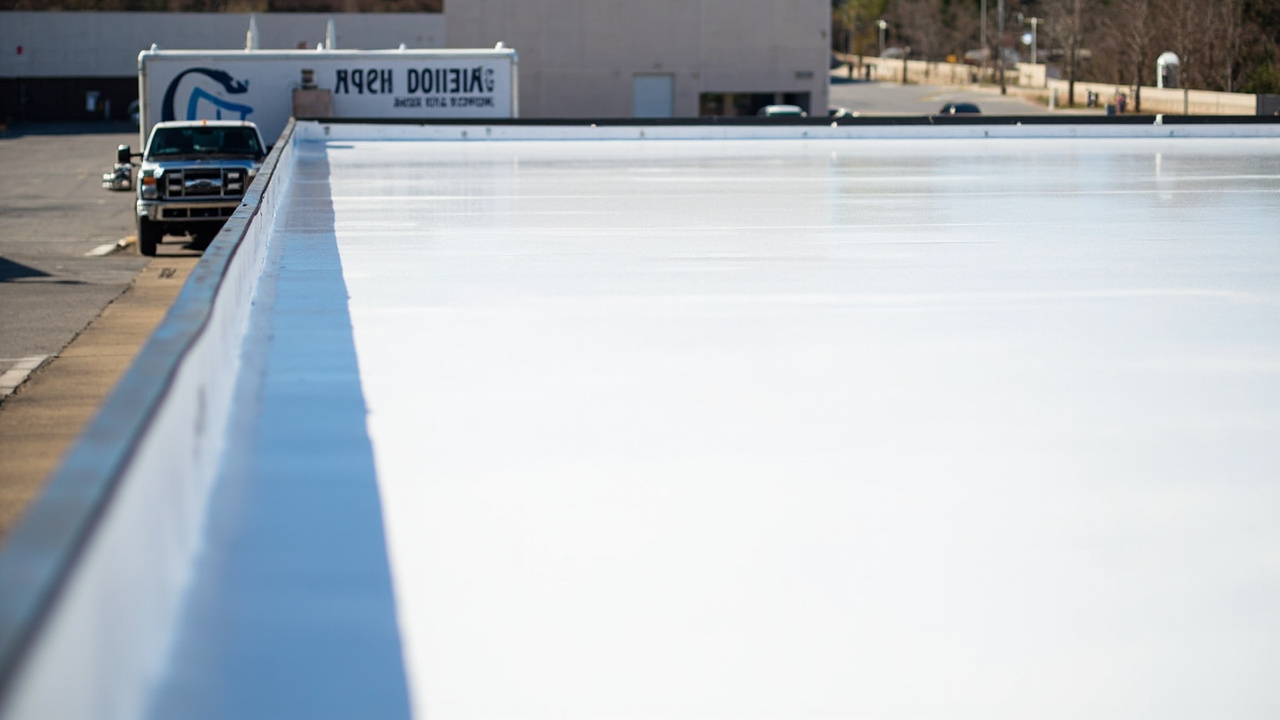
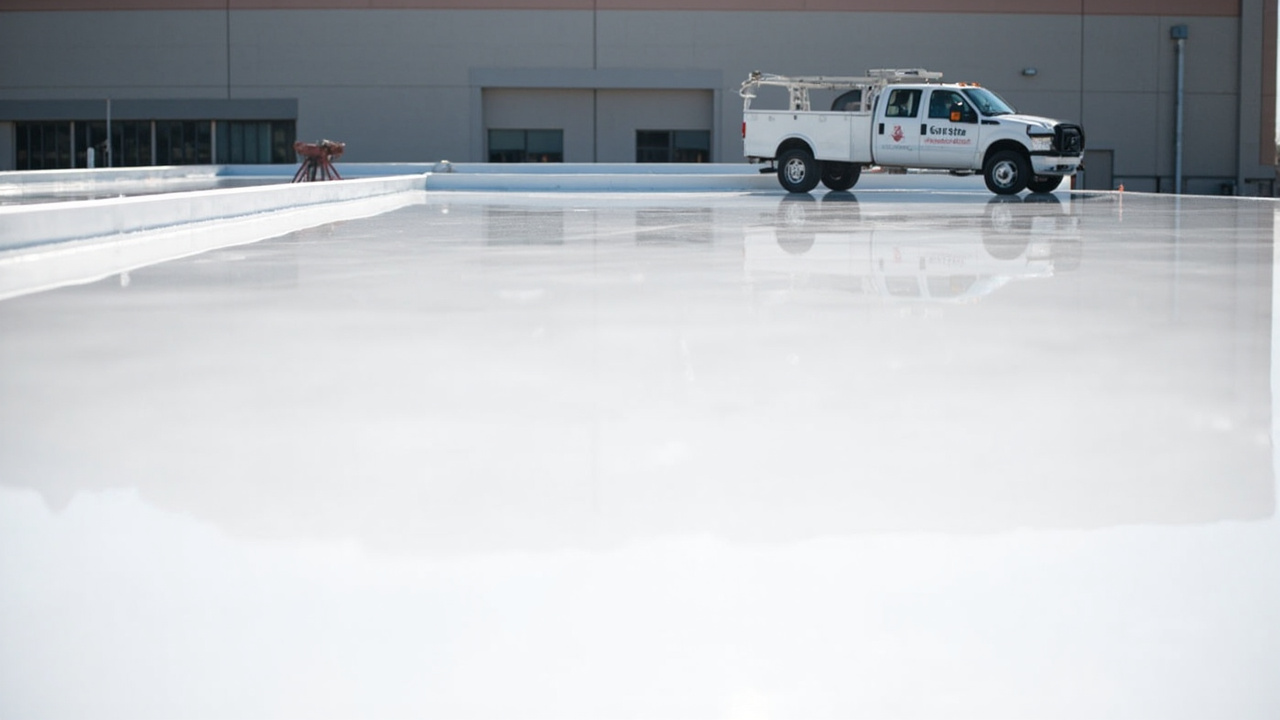
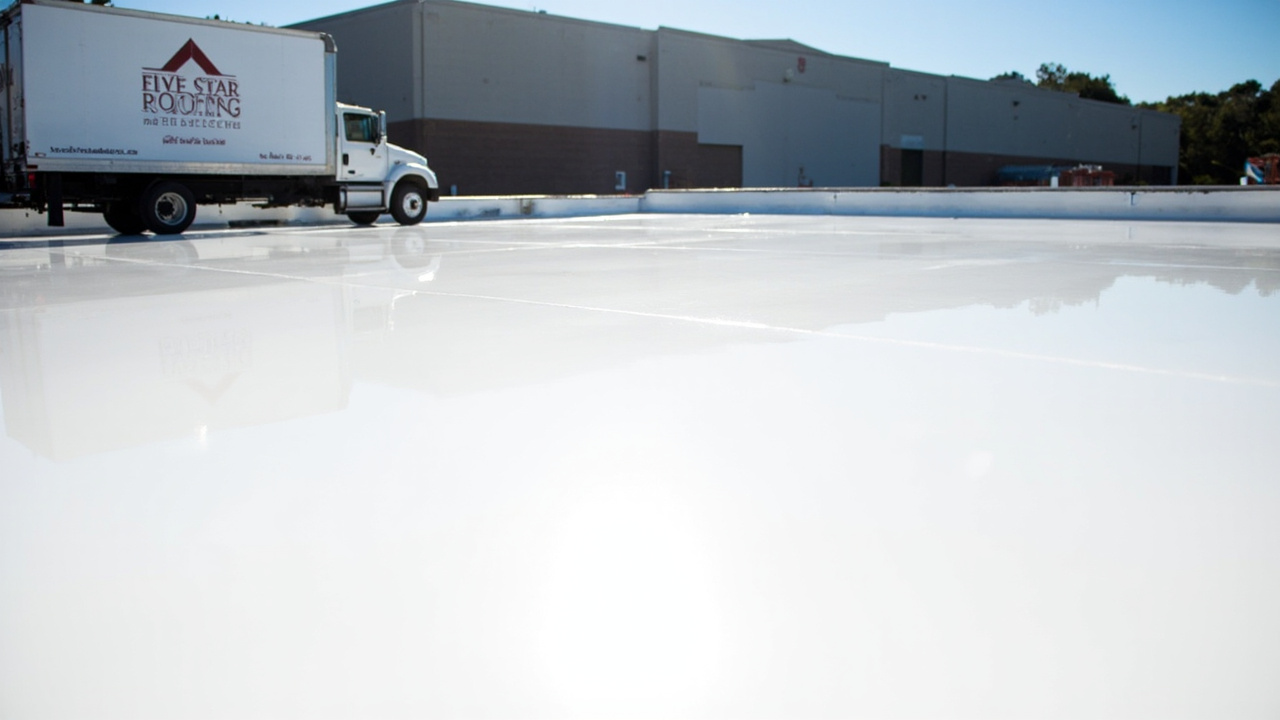
Elastomeric roof coatings provide a third option. These industrial roof coatings form a seamless, monolithic barrier over your existing roof. They expand and contract with temperature swings, reflect up to 85 percent of solar heat, and stop leaks without the disruption of a full replacement. Commercial roof restoration systems eliminate landfill waste and reduce your energy footprint.

Liquid applied roofing works on nearly every substrate: TPO, EPDM, metal, modified bitumen, even spray foam. The coating bonds directly to the existing roof, reinforcing weak spots and extending service life by a decade or more. You avoid the liability and downtime of a tear-off. Your facility stays operational. Your budget stays intact.

Commercial flat roof coatings make financial sense for warehouses, office buildings, and manufacturing facilities across Charlotte. The return on investment typically occurs within three to five years through energy savings alone. Add the avoided cost of replacement, and the case becomes clear.

Charlotte's Climate Accelerates Commercial Roof Deterioration
How We Engineer Long-Term Roof Performance

How We Engineer Long-Term Roof Performance

We do not apply coatings over failing roofs. That guarantees failure. Our process starts with a detailed substrate analysis. We use infrared scanning to map moisture intrusion, identify saturated insulation, and locate hidden structural damage. If your roof deck shows soft spots or your insulation is waterlogged, we address those deficiencies before any coating touches the surface.

Next, we clean and prepare the substrate. This means power washing to remove dirt, grease, and biological growth. We strip loose coatings and failed seams. We repair all penetrations, flashing details, and transitions. Every scupper, every pipe boot, every HVAC curb gets reinforced with compatible fabric and mastic. We eliminate the weak points that cause 90 percent of coating failures.

Then we apply the coating system in multiple passes. The first coat saturates the substrate and locks down any remaining particles. The second coat builds mil thickness and establishes the waterproof membrane. The third coat delivers UV protection and reflectivity. We measure wet mil thickness with a gauge at every pass to ensure you receive the coverage rate specified by the manufacturer.

We use only elastomeric roof coatings rated for commercial applications. These are not the consumer-grade products sold at big-box stores. Industrial roof coatings contain higher solids content, better elongation properties, and superior adhesion chemistry. They meet ASTM standards for tensile strength, water resistance, and weathering. They perform in Charlotte's environment because they were engineered for it.

Our liquid applied roofing systems include a granular topcoat option for high-traffic areas. This adds impact resistance and extends service life on roofs with heavy foot traffic or equipment placement. The granules also improve fire ratings, which matters for facilities near wildland interfaces or those with strict insurance requirements.

What Happens During Your Coating Project

Commercial Roof Coatings in Charlotte – Minimize Downtime with Industrial-Grade Restoration Systems
01

Roof Assessment and Moisture Mapping

We conduct infrared thermography to identify trapped moisture within your roof assembly. This non-invasive scan reveals saturated insulation and hidden leaks invisible during visual inspection. We document every deficiency with GPS-tagged photos and provide a written report detailing repair requirements. You receive a clear scope of work before any coating application begins. This diagnostic phase prevents premature coating failure and protects your investment.
02

Surface Preparation and Repairs

We power wash the entire roof to remove contaminants that compromise adhesion. All damaged membrane sections are cut out and replaced. Flashing details around penetrations are rebuilt using compatible materials. We install reinforcing fabric at seams, transitions, and stress points. Every repair is inspected and approved before coating application. This phase determines the long-term performance of your commercial roof restoration system. We do not rush it.
03

Multi-Coat Application and Quality Control

We apply elastomeric coatings in three controlled passes, measuring wet mil thickness with precision gauges to ensure manufacturer specifications. Each coat cures fully before the next application. Final inspection includes adhesion testing and a comprehensive walkthrough. You receive documentation showing coverage rates, cure times, and warranty activation. The result is a seamless, reflective membrane that extends your roof's service life and reduces cooling costs immediately.

Why Charlotte Facility Managers Choose Us for Roof Coatings

We understand the specific challenges commercial buildings face in the Charlotte region. The city's location in the Piedmont creates unique weather patterns. You experience intense summer heat combined with high humidity. You get sudden temperature drops in spring and fall that stress roofing membranes. You deal with afternoon thunderstorms that dump inches of rain in minutes, overwhelming inadequate drainage systems.

First Choice Roofing Atlanta brings that climate knowledge to every coating project. We have worked on distribution centers in the University area, manufacturing facilities near Charlotte Douglas International Airport, and office complexes throughout Uptown. We know which coating systems perform best on flat roofs versus low-slope applications. We understand local building code requirements for fire ratings and wind uplift resistance.

Our crew operates with minimal disruption to your business. We schedule work during off-hours if needed. We coordinate with your facility management team to ensure HVAC systems remain operational and roof access does not interfere with production schedules. For multi-building campuses, we phase the work to maintain business continuity.

We also provide documentation that satisfies your insurance carrier and property management requirements. You receive a detailed specification sheet, product data sheets, and warranty paperwork. If you need to demonstrate proactive roof maintenance to reduce insurance premiums, we supply the records that prove it.

Our coating projects meet or exceed manufacturer specifications because we follow their installation protocols exactly. We are not inventing processes on your roof. We use proven methods developed through decades of field testing. When a manufacturer backs a coating system with a warranty, they base that warranty on proper installation. We deliver that installation every time.

You also gain a local partner who responds when issues arise. If a storm damages your roof, we arrive quickly to assess and mitigate damage. We work directly with your insurance adjuster to document loss and expedite claims.

What You Can Expect from Our Coating Process

Project Timeline and Scheduling Flexibility

Most commercial roof coating projects take three to seven days, depending on roof size and weather conditions. We provide a detailed schedule before work begins and update you daily on progress. We accommodate your operational needs by working nights or weekends if necessary. Our crew arrives on time, completes the specified work, and cleans up thoroughly each day. Weather delays are unavoidable with coating applications, but we monitor forecasts closely and reschedule proactively to minimize disruption. You receive 48-hour notice before mobilization.

Comprehensive Roof Inspection and Proposal

We conduct a thorough roof assessment using infrared scanning and physical inspection. You receive a written report documenting current conditions, moisture intrusion, and required repairs. Our proposal includes detailed line items for surface preparation, substrate repairs, and coating application. We explain which coating system best suits your roof type and budget. You see exactly what work will be performed and what materials we will use. No surprises, no upselling. The proposal includes coverage rates, mil thickness specifications, and warranty terms. You make an informed decision with complete information.

Measurable Results and Performance

Your coated roof will show immediate energy savings through reduced cooling costs. The reflective coating lowers surface temperatures by 30 to 50 degrees, reducing heat transfer into your building. You stop interior leaks and eliminate water damage to inventory and equipment. The seamless membrane prevents ponding water infiltration and extends your roof's service life by 10 to 15 years. We provide before and after thermal imaging to document temperature reduction. Most clients see a 15 to 25 percent decrease in summer energy bills.

Warranty Coverage and Maintenance Support

Commercial roof coatings carry material warranties ranging from 10 to 20 years, depending on the system you choose. We provide workmanship coverage for our installation. Annual inspections help maintain warranty validity and catch minor issues before they become major problems. We offer preventive maintenance agreements that include debris removal, drain cleaning, and coating touch-ups. Regular maintenance extends coating life and protects your investment. You receive documentation after each service visit for your facility records. We track your roof's condition over time and alert you when recoating becomes necessary.

Frequently Asked Questions

You Have Questions,
We Have Answers

How much does commercial roof coating cost? +

Commercial roof coating costs depend on building size, existing substrate condition, coating type, and required prep work. Silicone and acrylic systems typically cost less upfront, while polyurethane and elastomeric coatings run higher. Charlotte's high humidity and UV exposure require durable formulations that resist ponding water and thermal cycling. Most commercial projects factor in square footage, membrane repairs, and reflective properties for energy savings. Request a detailed scope that includes surface cleaning, primer application, and mil thickness to compare bids accurately. Focus on total lifecycle value and reduced HVAC costs, not just initial installation price.

What type of roof coating is best? +

The best coating depends on your existing roof system and Charlotte's climate conditions. Silicone excels in ponding water situations common on flat commercial roofs. Acrylic offers strong UV resistance and reflectivity, lowering cooling loads during humid summers. Polyurethane provides superior impact resistance and durability for foot traffic. Elastomeric systems work well on metal substrates. Charlotte's freeze-thaw cycles and afternoon thunderstorms demand coatings with flexibility and water resistance. Match the chemistry to your substrate, whether TPO, EPDM, metal, or modified bitumen. Professional assessment of membrane condition and drainage determines the right product for maximum service life.

What is seal best roof coating? +

Seal Best is a brand of roof coating, not a coating type. The term refers to specific product lines within the acrylic or elastomeric categories. Many commercial contractors in Charlotte prefer Seal Best for metal roof applications due to adhesion properties and reflectivity. The formulation typically includes rust inhibitors and flexible polymers that expand and contract with temperature swings. However, product selection should align with your specific roof system and climate demands. Compare warranty terms, mil thickness, and compatibility with existing membranes. Focus on proven chemistry and application standards rather than brand names alone when evaluating commercial coating options.

How much does a commercial TPO roof cost? +

TPO roofing systems cost varies based on membrane thickness, insulation requirements, fastening method, and roof complexity. Commercial buildings in Charlotte often require 60-mil or 80-mil TPO for wind uplift resistance and puncture protection. Mechanically attached systems typically cost less than fully adhered or ballasted installations. Factor in tear-off expenses if replacing existing membranes, flashing details around HVAC units, and drainage improvements. TPO offers strong heat-weldable seams and reflectivity, reducing cooling costs in hot, humid climates. Request itemized proposals that separate material, labor, and warranty components. Prioritize certified installers who understand Charlotte's wind load requirements and building codes.

How many years does roof coating last? +

Quality commercial roof coatings last 10 to 20 years when properly applied and maintained. Service life depends on coating type, mil thickness, substrate condition, and exposure to Charlotte's weather patterns. Silicone systems often reach 15 to 20 years due to resistance to ponding water and UV degradation. Acrylic coatings may require recoating every 10 to 12 years. Factors like foot traffic, HVAC condensate, and maintenance frequency affect longevity. Annual inspections catch early wear before leaks develop. Properly prepared substrates and adequate dry mil thickness extend performance. Budget for periodic cleaning and minor repairs to maximize your coating investment.

Can roofers make 100k a year? +

This question addresses career earnings, not commercial roofing services. Experienced commercial roofers in Charlotte can earn six figures through specialized skills like coating application, metal fabrication, or project management. Certifications in TPO welding, silicone systems, or safety training increase earning potential. Commercial projects demand precision and code knowledge, commanding higher wages than residential work. However, income varies with company size, project volume, and individual productivity. Focus on selecting qualified contractors with proven commercial experience rather than individual technician salaries. Verify installer certifications and company credentials to ensure proper application and warranty compliance for your commercial property.

Which is better, silicone or elastomeric roof coating? +

Silicone outperforms elastomeric coatings in ponding water conditions common on flat commercial roofs in Charlotte. Silicone resists moisture intrusion without breaking down, making it ideal for roofs with poor drainage. Elastomeric coatings offer better substrate adhesion and flexibility for metal roofs experiencing thermal movement. Charlotte's humidity and UV exposure favor silicone's durability and dirt-shedding properties. Elastomeric systems cost less upfront but may require more frequent recoating. Evaluate your roof's drainage, substrate type, and foot traffic patterns. Silicone works best for minimal-slope membranes, while elastomeric suits metal or modified bitumen with proper slope and drainage.

How much does Rhino RV roof coating cost? +

Rhino RV roof coating is a residential product designed for recreational vehicles, not commercial buildings. The chemistry and application standards differ significantly from commercial-grade roofing systems. Commercial properties in Charlotte require coatings engineered for larger square footage, higher wind loads, and code compliance. Professional-grade silicone, acrylic, or polyurethane systems meet commercial warranty requirements and performance standards. RV coatings lack the mil thickness, UV resistance, and substrate compatibility needed for commercial roofs exposed to ponding water and thermal cycling. Focus on commercial-rated products with proven track records in flat roof applications and manufacturer-backed warranties for business continuity.

What is better, TPO or EPDM? +

TPO and EPDM serve different commercial applications in Charlotte's climate. TPO offers heat-reflective properties that reduce cooling costs during humid summers and heat-weldable seams that resist leaks. EPDM costs less upfront and provides proven performance in freeze-thaw cycles. TPO resists punctures better and maintains flexibility across temperature extremes. EPDM requires adhesive or tape seams that may fail in high heat. Charlotte's sun exposure and afternoon storms favor TPO's UV resistance and watertight welded seams. EPDM suits budget-conscious projects with proper drainage. Consider roof slope, existing insulation, and long-term energy savings when choosing between these single-ply membranes.

Is urethane or silicone roof coating better? +

Urethane excels in foot traffic areas and provides superior impact resistance for commercial roofs in Charlotte. The chemistry creates a tough, wear-resistant surface ideal for rooftop HVAC maintenance or frequent inspections. Silicone outperforms urethane in ponding water situations and resists UV degradation longer. Charlotte's humidity and drainage challenges often favor silicone for flat roofs with minimal slope. Urethane requires a topcoat in many applications to prevent chalking from sun exposure. Silicone needs no topcoat and sheds dirt naturally. Evaluate roof access patterns, drainage conditions, and existing substrate. Combine both systems for optimal performance on specific commercial applications.

Why Charlotte's Humidity Makes Commercial Roof Coatings Essential

Charlotte averages 43 inches of annual rainfall and maintains relative humidity above 70 percent for most of the year. This moisture saturates conventional roofing membranes, causing blisters, seam failures, and accelerated degradation. Flat roofs on commercial buildings lack the natural drainage that sloped roofs provide. Water sits on the surface, penetrates seams, and works into the substrate. Elastomeric roof coatings create a seamless barrier that eliminates these vulnerable points. The coating's flexibility allows expansion and contraction without cracking. UV inhibitors prevent the breakdown that occurs on unprotected membranes exposed to Carolina sun.

Mecklenburg County requires commercial roofing work to comply with the North Carolina Building Code, which references specific wind uplift and fire rating standards. Industrial roof coatings must meet these requirements to pass inspection. First Choice Roofing Atlanta maintains current knowledge of local code updates and ensures every coating system we install meets or exceeds these standards. We pull permits, coordinate inspections, and provide documentation that satisfies both code officials and your insurance carrier. Working with a contractor who understands Charlotte's regulatory environment protects you from compliance issues and ensures your coating project adds value rather than creating liability.

Roofing Services in The Charlotte Area

Five Star Roofing Charlotte is proud to serve the entire community and surrounding areas. We’re dedicated to providing fast, reliable service right to your doorstep, no matter where you are. View our location on the map to see our central hub, and rest assured that our dedicated teams are ready to dispatch and bring our exceptional services to your neighborhood.

Address:
Five Star Roofing Charlotte, 3117 Whiting Ave, Charlotte, NC, 28205

Additional Services We Offer

Our news updates

Latest Articles & News from The Blogs

Dealing with Woodpecker and Bird Damage on Your Cedar Shake Roof in Quail Hollow Woodpeckers and other birds can cause…

Dealing with Woodpecker and Bird Damage on Your Cedar Shake Roof in Quail Hollow

Dealing with Woodpecker and Bird Damage on Your Cedar Shake Roof in Quail Hollow Woodpeckers and other birds can cause…

What Happens to Your Roof Warranty if You Install Holiday Lights the Wrong Way?

What Happens to Your Roof Warranty if You Install Holiday Lights the Wrong Way? Installing holiday lights on your roof…

Picking the Perfect Roof to Complement Your New James Hardie Siding

Picking the Perfect Roof to Complement Your New James Hardie Siding Choosing the right roof color for your home’s new…

Contact Us

Stop throwing money at temporary leak repairs. Get a permanent solution with commercial roof coatings that last 15 years or more. Call (980) 352-5899 now for a free infrared roof scan and coating proposal.