




menu

Homeowner's Guide to Roofing in Charlotte – Everything You Need to Know Before Making a Decision

Your complete residential roofing handbook covering materials, costs, maintenance, and Charlotte's unique climate challenges to help you protect your biggest investment with confidence.

Slider Image 1
Slider Image 2
Slider Image 3
Slider Image 4
Slider Image 5
Slider Image 7
Slider Image 8
Slider Image 9
Slider Image 10
Slider Image 11

Why Charlotte Homeowners Need a Different Approach to Roofing

Charlotte sits at the intersection of three distinct weather patterns. You get the humidity from the coast, the freeze-thaw cycles from the mountains, and the unpredictable wind events that sweep across the Piedmont. This combination creates roofing challenges most generic residential roofing guides ignore.

Your roof faces 40 to 50 inches of annual rainfall. The clay soil common throughout Mecklenburg County expands and contracts with moisture changes, creating subtle but constant stress on your home's structure. This foundation movement transfers directly to your roof system, accelerating wear at vulnerable points like valleys and penetrations.

The historic neighborhoods around Dilworth and Myers Park feature architectural styles from the 1920s and 1930s. These homes often have original slate or tile roofing systems that require specialized knowledge to maintain properly. Modern subdivisions in Ballantyne and Weddington use different materials but face their own challenges with attic ventilation in our humid climate.

Charlotte's building codes require specific wind ratings for shingle installations. Most homeowners don't know their roof needs to withstand 90 mph wind gusts, or that improper nailing patterns void manufacturer warranties. This roofing basics for homeowners guide addresses these local factors head-on.

Temperature swings from 20 degrees in winter to 95 degrees in summer cause expansion and contraction cycles that stress every component. The black algae staining you see on roofs throughout South Charlotte isn't just cosmetic. It indicates moisture retention that shortens shingle life by years.

Understanding these regional factors separates a functional home roofing handbook from generic advice that doesn't apply here.

Why Charlotte Homeowners Need a Different Approach to Roofing
The Five Critical Roofing Decisions Every Charlotte Homeowner Must Get Right

The Five Critical Roofing Decisions Every Charlotte Homeowner Must Get Right

This residential roofing 101 section covers the decisions that determine whether your roof lasts 15 years or 30 years.

Material selection comes first. Architectural shingles offer the best value for Charlotte's climate. They handle thermal expansion better than three-tab shingles and provide stronger wind resistance. Metal roofing works well but requires proper underlayment to prevent condensation issues in our humid summers. Tile and slate look beautiful on historic homes but need structural verification before installation.

Ventilation matters more here than in dry climates. Your attic needs proper intake at the soffits and exhaust at the ridge. Without balanced airflow, summer heat turns your attic into an oven that bakes shingles from below while the sun attacks from above. This dual heat source cuts shingle life dramatically.

Underlayment choice separates professional installations from quick jobs. Synthetic underlayment resists our humidity better than traditional felt paper. It won't deteriorate if exposed during multi-day installations when afternoon thunderstorms interrupt work.

Flashing installation around chimneys, skylights, and wall intersections causes most leak problems. Proper step flashing with counterflashing creates a layered defense against water intrusion. Sealant alone fails within years when UV exposure breaks down the compounds.

Ice and water shield placement protects vulnerable areas. Charlotte doesn't get heavy snow, but ice dams form when temperatures hover around freezing. Valleys and eaves need this added protection layer.

This homeowner roofing manual approach means examining how each component works together as a system rather than treating your roof as individual parts.

What to Expect During Your Roofing Education Journey

Homeowner's Guide to Roofing in Charlotte – Everything You Need to Know Before Making a Decision
01

Assessment and Material Education

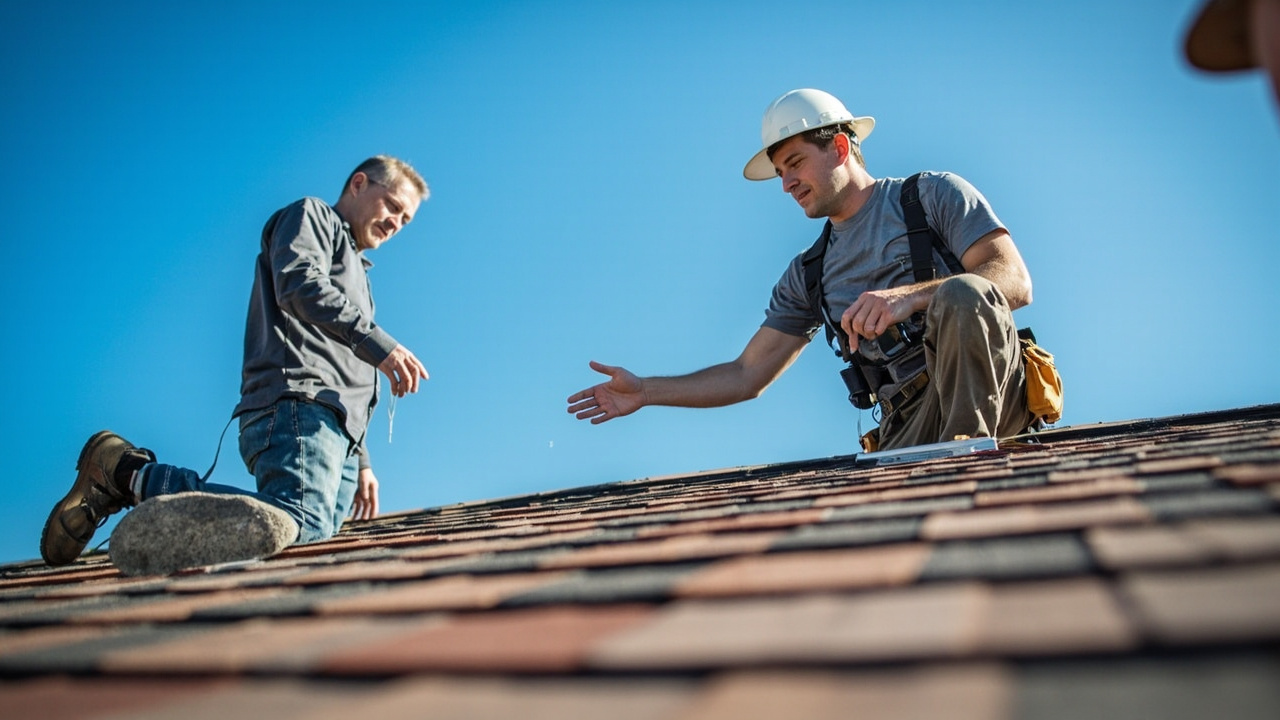
You start with a roof inspection that identifies current conditions and remaining lifespan. We measure pitch, examine decking accessibility, check ventilation adequacy, and photograph problem areas. You receive detailed explanations of material options with samples showing actual products rated for Charlotte's wind zone. We discuss your home's architectural style and neighborhood considerations that affect material choice.
02

Cost and Timeline Planning

You learn what drives roofing costs in Charlotte. We explain how roof complexity affects labor hours, why certain materials cost more but last longer, and what hidden issues like decking replacement might add. You get realistic timelines that account for weather delays during our rainy season. We outline the permit process required by Mecklenburg County and explain how code compliance protects your investment.
03

Maintenance and Longevity Strategy

You receive a customized maintenance plan based on your specific roof system. We explain which seasonal inspections matter most, how to identify early warning signs of problems, and when professional evaluation becomes necessary. You understand the relationship between proper attic ventilation and shingle longevity. This knowledge helps you protect your investment and avoid premature replacement costs.

Why Local Knowledge Changes Everything for Charlotte Roofing

National roofing guides don't address the afternoon thunderstorms that roll through Charlotte between April and September. These storms drop intense rainfall in short bursts. Your roof needs properly installed drip edge and gutter systems sized for this rainfall intensity, not the gentle rain patterns common in other regions.

The I-77 corridor from Lake Norman down through South Charlotte creates distinct microclimates. Homes near the lake face different moisture loads than homes in the urban heat island downtown. Properties in Providence Country Club deal with mature tree canopies that keep roofs damp longer than open subdivisions in Waxhaw.

Charlotte's contractor licensing through the North Carolina Licensing Board requires specific classifications for roofing work. This regulation protects you from unlicensed operators who skip proper installation steps. Local contractors understand the inspection requirements that out-of-town crews often miss.

The historic tax credit program in Charlotte's four local historic districts has specific requirements for roofing materials and methods. If you own property in these designated areas, your material choices need approval from the Historic District Commission. This process requires knowledge of acceptable products and proper application procedures.

Charlotte's explosive growth means newer subdivisions often have builder-grade roofs nearing their 15-year replacement point. These production roofs frequently used minimum-specification materials installed quickly. Upgrading to quality materials during replacement adds decades to your next roof's lifespan.

Storm damage claims require documentation that satisfies insurance adjusters familiar with Charlotte weather patterns. Local expertise means knowing which damage qualifies for claims and how to document it properly for the major insurance carriers operating here.

The Details That Matter When Planning Your Roofing Project

Project Timeline and Scheduling

Most Charlotte roof replacements take two to four days depending on size and complexity. Weather delays extend timelines during spring and summer storm season. You need contractors who start projects they can finish before weather moves in, not crews who tear off your roof then disappear when rain arrives. Fall offers the most consistent weather windows. Winter works well for emergency replacements but cold temperatures affect sealant activation. Plan around Charlotte's unpredictable weather by choosing contractors with proper equipment to protect your home if delays occur. Material delivery schedules also affect timing since quality products sometimes require ordering ahead rather than pulling from warehouse stock.

The Inspection and Planning Phase

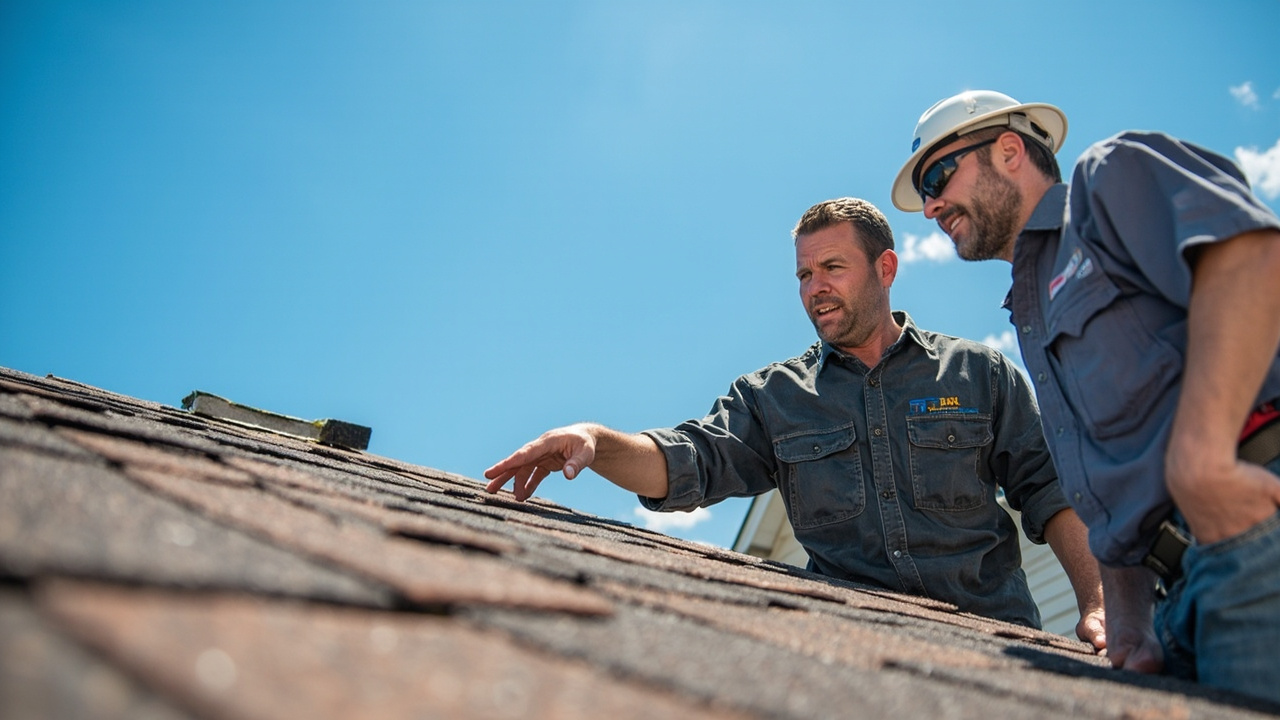
Proper roof evaluation goes beyond walking the surface. Inspectors need to examine your attic space for ventilation adequacy, insulation levels, and signs of previous leaks that indicate underlying problems. Decking inspection identifies soft spots where moisture damage compromised structural integrity. Flashing examination around chimneys and dormers reveals whether previous installations followed proper techniques. You should receive detailed documentation including measurements, photographs, and specific recommendations. This inspection process determines accurate material quantities and identifies potential complications before work begins. Thermal imaging can reveal hidden moisture in insulation that indicates active leaks not visible from surface inspection alone.

Quality Standards and Installation Methods

Your new roof should meet or exceed Charlotte's building code requirements, but codes establish minimums. Quality installations use six nails per shingle in our wind zone instead of the minimum four. Starter strips get installed at eaves and rakes to prevent wind uplift. Ridge venting provides continuous exhaust rather than static vents that create uneven airflow. Valleys use either woven or metal valley techniques depending on roof pitch and aesthetic preferences. Flashing gets installed in layers with proper overlaps, not caulked into place. The final result should pass close inspection from ground level and show straight lines, proper alignment, and uniform appearance. You deserve installation that matches manufacturer specifications exactly because warranty coverage depends on proper installation methods.

Warranties and Long-Term Protection

Roofing warranties have two components. Material warranties from manufacturers cover defects in the product itself and range from 25 to 50 years depending on shingle grade. These warranties prorate over time and require proper installation to remain valid. Labor warranties from your contractor cover installation defects and typically run five to ten years. You want both warranties in writing with clear terms about what triggers coverage. Some manufacturers offer enhanced warranties when certified contractors use complete systems including their underlayment and accessories. Annual inspections help identify small problems before they become major issues. Charlotte's weather demands proactive maintenance including debris removal, flashing checks, and sealant inspection around penetrations. Document all maintenance and repairs to support future warranty claims if needed.

Frequently Asked Questions

You Have Questions,
We Have Answers

How Charlotte's Clay Soil and Seasonal Weather Patterns Affect Your Roofing Decisions

The red clay soil throughout Mecklenburg County creates foundation challenges that transfer stress to roof systems. This soil expands when wet and contracts during dry periods, causing subtle but continuous home movement. Your roof framing flexes with this movement, creating stress at connection points between roofing components. Homes built on slabs experience less movement than pier and beam foundations common in older Charlotte neighborhoods. This geological reality means your roofing system needs flexibility to handle structural movement without failing. Proper installation techniques account for this movement by avoiding rigid connections that crack under stress. The residential roofing guide principles that work in stable soil conditions require modification here.

Charlotte contractors who understand local building evolution know how construction methods changed over decades. Homes built before 1980 often lack proper attic ventilation because builders didn't recognize its importance in humid climates. The 1990s construction boom produced homes with adequate ventilation but often used minimum-grade materials. Modern construction includes better ventilation and materials but sometimes sacrifices proper installation technique for speed. This local knowledge matters because your roof replacement should address deficiencies from original construction. Working with contractors who understand Charlotte's building history means getting solutions tailored to your home's specific era and construction method. This expertise separates competent roof replacement from true problem-solving that extends your roof's functional life.

Roofing Services in The Charlotte Area

Five Star Roofing Charlotte is proud to serve the entire community and surrounding areas. We’re dedicated to providing fast, reliable service right to your doorstep, no matter where you are. View our location on the map to see our central hub, and rest assured that our dedicated teams are ready to dispatch and bring our exceptional services to your neighborhood.

Address:
Five Star Roofing Charlotte, 3117 Whiting Ave, Charlotte, NC, 28205

Additional Services We Offer

Our news updates

Latest Articles & News from The Blogs

Dealing with Woodpecker and Bird Damage on Your Cedar Shake Roof in Quail Hollow Woodpeckers and other birds can cause…

Dealing with Woodpecker and Bird Damage on Your Cedar Shake Roof in Quail Hollow

Dealing with Woodpecker and Bird Damage on Your Cedar Shake Roof in Quail Hollow Woodpeckers and other birds can cause…

What Happens to Your Roof Warranty if You Install Holiday Lights the Wrong Way?

What Happens to Your Roof Warranty if You Install Holiday Lights the Wrong Way? Installing holiday lights on your roof…

Picking the Perfect Roof to Complement Your New James Hardie Siding

Picking the Perfect Roof to Complement Your New James Hardie Siding Choosing the right roof color for your home’s new…

Contact Us

Stop guessing about your roof's condition and get expert answers. Call Five Star Roofing Charlotte at (980) 352-5899 for a detailed inspection and customized recommendations based on your home's specific needs and Charlotte's unique climate challenges.