Could a Roof Coating Save You from a Full Replacement?
If your commercial building or flat-roof home in Charlotte is showing signs of age, you might be facing a tough decision: invest in a full roof replacement or explore restoration options. Roof coatings have emerged as a cost-effective alternative that can extend your roof’s life by 10 to 20 years while addressing common issues like ponding water and UV damage. Getting Your Charlotte Roof Repaired After a Hail Storm — A Local Guide to Insurance Claims.
Roof coatings work by creating a seamless, reflective membrane over your existing roof surface. This restoration approach can be particularly valuable in Charlotte’s climate, where intense summer heat and humidity accelerate roof deterioration. But not every roof qualifies for coating, and understanding when this option makes sense could save you thousands of dollars compared to a complete replacement.. Read more about Can You Actually Lay New Shingles Over an Existing Roof in Gastonia or Rock Hill?.
Before you commit to tearing off your old roof, let’s examine how coatings work, what they can fix, and when a full replacement is still your best bet. The right choice depends on your roof’s current condition, your budget, and your long-term property goals.
Understanding Roof Coatings (Restoration): Benefits and Limitations
Roof coatings are liquid-applied membranes that cure into a durable, weather-resistant surface. The most common types in Charlotte are silicone, acrylic, and polyurethane, each with specific strengths for our climate challenges.
Silicone coatings excel at ponding water resistance, making them ideal for flat roofs that collect water after Charlotte’s heavy summer thunderstorms. These coatings maintain flexibility in temperature extremes and typically last 15 to 20 years when properly applied.
Acrylic elastomeric coatings offer excellent UV reflectivity, helping reduce cooling costs during our hot Piedmont summers. They’re more affordable than silicone but less effective with standing water, making them better suited for roofs with good drainage.
Polyurethane coatings provide superior impact resistance and chemical durability. They’re often used in industrial settings where roofs face harsh conditions or chemical exposure.. Read more about Industrial TPO Roofing Solutions for Commercial Properties in North Charlotte.
The restoration process involves cleaning the existing roof, repairing damaged areas, and applying multiple coating layers. This typically adds only 10 to 15 pounds per square foot to your roof structure, compared to 100+ pounds for a complete tear-off and replacement. EPA Cool Roof Benefits.
However, coatings cannot fix structural damage. If your roof deck is rotted or your support system is compromised, coating only delays the inevitable. This is where the 25% rule becomes critical for Charlotte property owners.
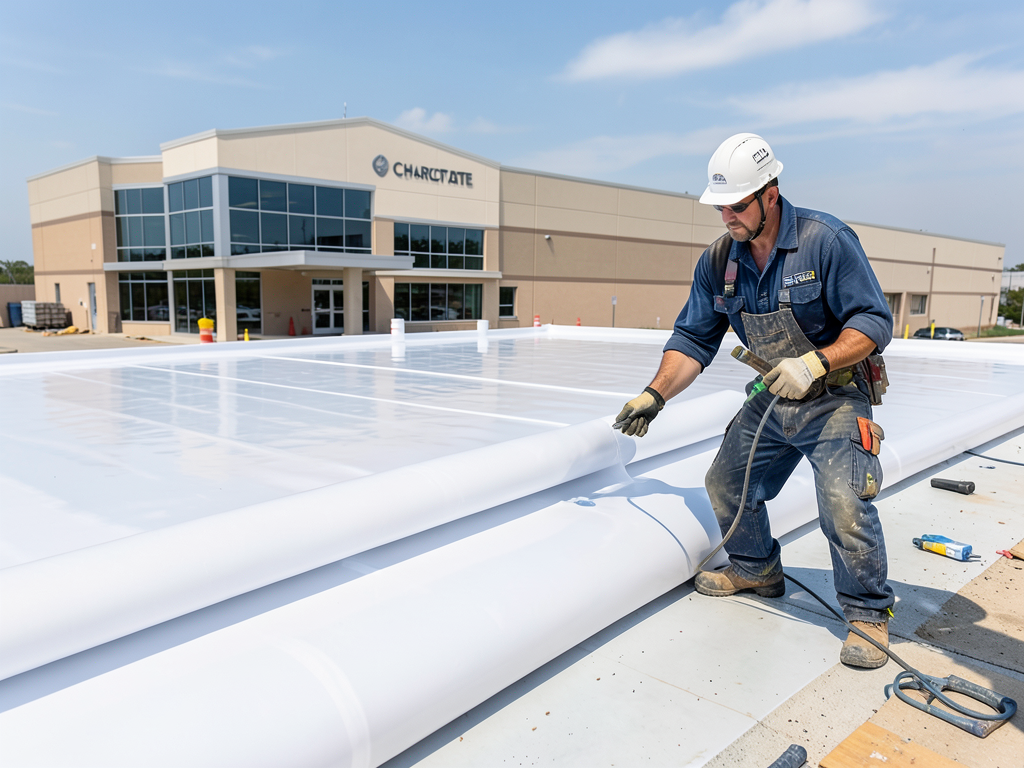
Diagram showing the multi-layer application process of roof coating restoration, including surface preparation, primer application, and final coating layers.
The Case for Full Roof Replacement: When Restoration Isn’t Enough
Sometimes a coating is just a Band-Aid on a deeper problem. Several conditions make full replacement the smarter long-term investment, even if the upfront cost is higher.
Structural integrity tops the list. If your roof deck shows signs of rot, sagging, or water damage that extends beyond surface-level issues, a coating won’t address the underlying problem. Charlotte’s humid climate accelerates wood deterioration, and trapped moisture under a coating can lead to catastrophic failure.
Multiple roof layers present another challenge. While coatings can go over existing materials, building codes in Mecklenburg County limit total roof weight and layering. If your building already has two roof systems, adding a coating might push you over code limits, requiring complete removal anyway.
Energy efficiency considerations matter too. Older roofs often lack proper insulation or ventilation. A full replacement lets you upgrade to modern energy-efficient materials, potentially cutting cooling costs by 20 to 30% during Charlotte’s long summers.
Property value impacts shouldn’t be overlooked. If you’re planning to sell within five years, a new roof provides clear ROI and appeals to buyers. A coating might save money now but could raise questions about the roof’s true condition during inspections. Expert Roof Inspections for Waterfront Homes in Cornelius and Davidson.
Finally, warranty coverage differs significantly. New roof installations typically include 20 to 30-year manufacturer warranties. Coating warranties often range from 10 to 15 years and may have more exclusions, particularly regarding substrate issues.
Side-by-Side Comparison: Cost, Lifespan, and ROI
| Factor | Roof Coating | Full Replacement |
|---|---|---|
| Initial Cost (per sq ft) | $3 to $7 | $8 to $15 |
| Typical Lifespan | 10 to 20 years | 20 to 30+ years |
| Installation Time | 2 to 5 days | 1 to 3 weeks |
| Weight Added | 10 to 15 lbs/sq ft | 100+ lbs/sq ft (tear-off) |
| Energy Savings | 10 to 20% cooling reduction | 20 to 30% cooling reduction |
| Warranty Length | 10 to 15 years | 20 to 30 years |
Cost analysis reveals interesting patterns. While coating costs less upfront, the math changes when considering replacement cycles. A $5 per square foot coating lasting 15 years costs $0.33 annually per square foot. A $12 per square foot replacement lasting 25 years costs $0.48 annually, but requires no maintenance during that period.
Energy savings add another dimension. Charlotte’s cooling season runs from May through September, with average July temperatures around 90°F. A reflective coating can reduce roof surface temperatures by 50 to 80 degrees, directly impacting your AC runtime and electricity bills.
Property owners should also factor in business interruption. Coating installations typically allow building occupancy, while replacements often require temporary relocation of operations, especially for commercial spaces.
Charlotte Climate Considerations: Performance in NC Weather
Charlotte’s climate creates unique challenges that directly impact coating performance and lifespan. Our combination of high humidity, intense UV exposure, and severe thunderstorms requires specific material selection and application timing.
Summer humidity levels often exceed 70%, affecting coating cure times and adhesion. Most manufacturers recommend application when relative humidity stays below 85%, which means timing projects around Charlotte’s weather patterns. Spring and fall typically offer the most reliable application windows.
UV radiation in the Piedmont region is among the highest on the East Coast. This accelerates coating degradation, particularly for acrylic products. Silicone coatings generally outperform acrylics in UV resistance, maintaining their properties 30 to 40% longer under our sun exposure.
Charlotte’s thunderstorm pattern creates specific challenges. We average 43 thunderstorm days annually, with June and July being peak months. These storms bring not just rain but hail and wind that can damage roofing systems. Silicone’s superior impact resistance makes it more resilient to hail damage compared to acrylic coatings. Built-Up Roofing.
Temperature fluctuations also matter. Charlotte experiences 30 to 40 days annually where temperatures exceed 90°F. Most coatings require specific temperature ranges for application and curing, typically between 50 and 100°F. This limits viable application windows during peak summer months.
Winter presents different challenges. While we don’t experience extreme cold, occasional freezing temperatures can affect coating flexibility. Polyurethane coatings maintain better flexibility in cold conditions, making them suitable for buildings that need year-round roof access.
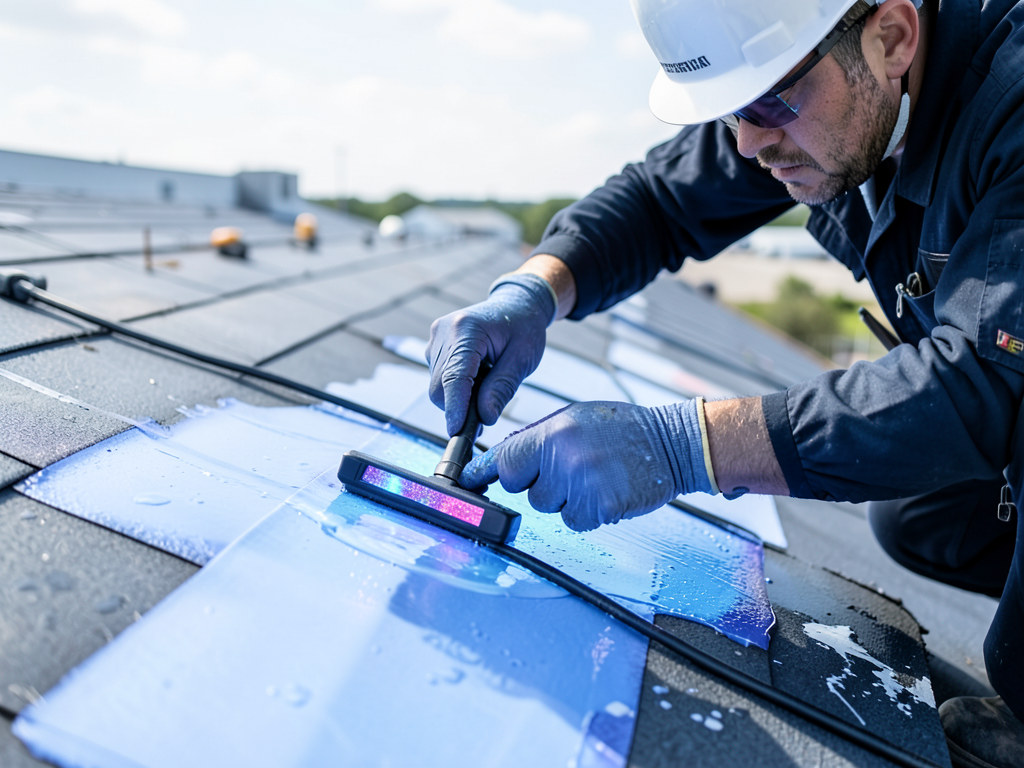
Photo showing a commercial building in Charlotte with a newly applied silicone roof coating, demonstrating the seamless white membrane that reflects sunlight and protects against UV damage.
How to Tell if Your Roof is a Candidate for Coating (The 25% Rule)
Determining coating eligibility requires a professional assessment, but you can perform preliminary checks to see if your roof might qualify. The 25% rule serves as a primary guideline for Charlotte property owners considering restoration versus replacement.
This rule states that if 25% or less of your roof shows damage, coating is often a viable option. The damage must be limited to surface-level issues like minor blisters, small leaks, or UV degradation. Structural problems, extensive water damage, or widespread membrane failure typically disqualify a roof for coating.
Start with a visual inspection. Look for these indicators of coating eligibility: minimal ponding water (less than 10% of roof area), no active leaks inside the building, intact roof seams and flashings, and a solid substrate underneath. If you see widespread bubbling, large cracks, or areas where the membrane has separated from the deck, coating won’t solve these problems.
Professional assessment methods provide more accurate diagnosis. Infrared moisture surveys can detect trapped water within roof assemblies without destructive testing. This technology shows temperature differences that indicate moisture presence, helping identify problem areas that aren’t visible to the naked eye.
Adhesion testing measures how well existing materials will bond with new coating. This involves applying test patches and measuring pull strength after curing. Poor adhesion suggests the existing roof surface has degraded too much for successful coating application.
Consider your roof’s age relative to its expected lifespan. A 15-year-old built-up roof with a 20-year design life might be a good coating candidate. However, a 25-year-old roof of the same type likely has underlying deterioration that coating cannot address.
Document any previous repairs or modifications. Roofs with multiple patch jobs or areas of built-up roofing may have different material compatibility issues that affect coating success. Consistency in roof composition increases coating reliability.
Financial Incentives: Tax Credits and Maintenance vs. Capital Expense
The financial implications of roof coating versus replacement extend beyond the initial installation cost. Understanding these differences can significantly impact your decision, especially for commercial property owners managing operating budgets and tax strategies.
Roof coatings often qualify as maintenance expenses rather than capital improvements. This classification allows businesses to deduct the full cost in the year of installation rather than depreciating it over decades. For a $20,000 coating project, this could mean immediate tax savings of $4,000 to $7,000 depending on your tax bracket.
Energy efficiency incentives add another layer of savings. Duke Energy offers rebates for cool roof installations that meet specific Solar Reflectance Index (SRI) requirements. In Charlotte, coatings with SRI values above 78 qualify for rebates of $0.10 to $0.20 per square foot, potentially saving thousands on installation costs.
Section 179 tax deductions provide additional benefits for commercial properties. This provision allows businesses to deduct the full purchase price of qualifying equipment, including certain roofing improvements, up to annual limits. Roof coatings installed as part of energy efficiency upgrades may qualify, providing substantial tax advantages.
Insurance considerations also factor in. Some carriers offer premium discounts for buildings with cool roofs or reflective coatings, particularly in areas prone to heat-related issues. While Charlotte doesn’t mandate cool roofs, the energy savings and potential insurance benefits make them attractive investments.
Maintenance costs differ significantly between coated and replaced roofs. Coated roofs typically require inspection every two years and may need recoating after 10 to 15 years. This ongoing maintenance is far less expensive than the major repairs often needed for aging traditional roofs.
Property owners should also consider the opportunity cost of capital. Money saved on coating versus replacement can be invested in other business improvements or emergency funds. For small businesses, preserving cash flow often outweighs the long-term benefits of a complete replacement. Chimney Leak Emergency Repair.
Close-up photo of a roofing technician performing an infrared moisture scan on a commercial roof, using thermal imaging technology to detect water intrusion before coating application.
Making Your Decision: A Charlotte Property Owner’s Framework
After examining all factors, how do you decide between coating and replacement? Use this decision framework specific to Charlotte’s market conditions and your property’s characteristics.
First, assess your timeline. If you need a solution within 30 days, coating typically offers faster completion. Most coating projects finish in under a week, while replacements often take two to three weeks including material delivery and weather delays common in our storm season.
Next, evaluate your roof’s condition using the 25% rule. If damage exceeds this threshold or involves structural issues, replacement becomes necessary regardless of cost considerations. Don’t let short-term savings lead to long-term problems that could interrupt your business operations.
Consider your energy usage patterns. Buildings with high cooling demands benefit more from reflective coatings. Charlotte’s 4-month cooling season means energy savings accumulate quickly, often paying for coating costs within 3 to 5 years through reduced utility bills.
Factor in your property plans. If you’re selling within five years, a new roof provides clearer value to buyers and inspectors. However, if you’re committed to long-term ownership, coating’s lower initial cost and proven performance make it attractive for budget-conscious owners.
Review your insurance and warranty needs. Some policies require specific roofing standards or may not cover coated roofs. New installations typically include comprehensive manufacturer warranties that provide peace of mind for property owners concerned about future issues.
Finally, get multiple professional assessments. Reputable Charlotte roofing contractors can provide detailed analysis of your roof’s condition, coating compatibility, and replacement requirements. Look for companies offering free inspections and written proposals that outline both options with cost breakdowns.
The decision ultimately balances immediate costs against long-term value, urgency against durability, and your specific property needs against Charlotte’s challenging climate conditions.
Frequently Asked Questions
How long does a roof coating last in Charlotte’s climate?
Most roof coatings in Charlotte last 10 to 20 years, with silicone coatings typically lasting 15 to 20 years and acrylic coatings lasting 10 to 15 years. Factors affecting lifespan include UV exposure, ponding water, and maintenance. Charlotte’s intense summer sun and humidity can accelerate degradation, making regular inspections important for maximizing coating life.
Can I apply a roof coating myself to save money?
While DIY coating kits exist, professional application is strongly recommended for Charlotte properties. Proper surface preparation, correct material selection for our climate, and warranty requirements all favor professional installation. Mistakes in application can void warranties and lead to premature failure, ultimately costing more than professional installation would have.
Will a roof coating fix my leaking roof?
Roof coatings can fix minor leaks caused by surface deterioration or small cracks, but they cannot repair structural damage or extensive water intrusion. If your roof has active leaks, a professional assessment is needed to determine if coating will provide a lasting solution or if underlying damage requires replacement.
How much can I save on cooling costs with a reflective coating?
Reflective roof coatings typically reduce cooling costs by 10 to 20% in Charlotte’s climate. For a 10,000 square foot commercial building, this could mean annual savings of $1,000 to $3,000 depending on your AC usage and electricity rates. The white or light-colored surface reflects up to 85% of solar heat compared to 20% for traditional dark roofing.
What’s the best time of year to apply roof coating in Charlotte?
Late spring through early fall offers the best conditions for roof coating in Charlotte. These months provide warm temperatures for proper curing while avoiding the extreme heat of July and August. Most manufacturers recommend application when temperatures stay between 50 and 100 degrees Fahrenheit with humidity below 85%.
Call (980) 352-5899 today to schedule your free roof assessment. Our Charlotte-based experts will evaluate your roof’s condition and help you determine whether coating or replacement is the right choice for your property. Don’t wait until a small problem becomes a major expense.
Pick up the phone and call (980) 352-5899 before the next storm hits. Whether you need emergency leak repair, a professional coating assessment, or a complete roof replacement, Five Star Roofing Charlotte is ready to protect your investment with solutions tailored to our local climate and building codes. For more information, visit National Roofing Contractors Association.
{
“@context”: “https://schema.org”,
“@type”: “BlogPosting”,
“headline”: “Could a Roof Coating Save You from a Full Replacement?”,
“description”: “Discover if roof coating can save you from a full replacement in Charlotte. Learn about costs, benefits, and when restoration is the right choice for your property.”,
“wordCount”: 2492,
“datePublished”: “2026-04-10T12:01:00.000Z”,
“dateModified”: “2026-04-10T12:01:00.000Z”,
“inLanguage”: “en-US”,
“mainEntityOfPage”: {
“@type”: “WebPage”,
“@id”: “https://fivestarroofingcharlotte.com”
},
“publisher”: {
“@type”: “LocalBusiness”,
“name”: “Five Star Roofing Charlotte”,
“url”: “https://fivestarroofingcharlotte.com”
},
“author”: {
“@type”: “Organization”,
“name”: “Five Star Roofing Charlotte”,
“url”: “https://fivestarroofingcharlotte.com”
},
“image”: {
“@type”: “ImageObject”,
“url”: “https://fivestarroofingcharlotte.com/wp-content/uploads/2026/03/could-a-roof-coating-save-you-from-a-full-replacem-1.png”
}
}
{
“@context”: “https://schema.org”,
“@type”: “RoofingContractor”,
“name”: “Five Star Roofing Charlotte”,
“url”: “https://fivestarroofingcharlotte.com”,
“address”: {
“@type”: “PostalAddress”,
“addressLocality”: “Charlotte”
},
“areaServed”: {
“@type”: “City”,
“name”: “Charlotte”
}
}
{
“@context”: “https://schema.org”,
“@type”: “FAQPage”,
“mainEntity”: [
{
“@type”: “Question”,
“name”: “How long does a roof coating last in Charlotte’s climate?”,
“acceptedAnswer”: {
“@type”: “Answer”,
“text”: “Most roof coatings in Charlotte last 10 to 20 years, with silicone coatings typically lasting 15 to 20 years and acrylic coatings lasting 10 to 15 years. Factors affecting lifespan include UV exposure, ponding water, and maintenance. Charlotte’s intense summer sun and humidity can accelerate degradation, making regular inspections important for maximizing coating life.”
}
},
{
“@type”: “Question”,
“name”: “Can I apply a roof coating myself to save money?”,
“acceptedAnswer”: {
“@type”: “Answer”,
“text”: “While DIY coating kits exist, professional application is strongly recommended for Charlotte properties. Proper surface preparation, correct material selection for our climate, and warranty requirements all favor professional installation. Mistakes in application can void warranties and lead to premature failure, ultimately costing more than professional installation would have.”
}
},
{
“@type”: “Question”,
“name”: “How much can I save on cooling costs with a reflective coating?”,
“acceptedAnswer”: {
“@type”: “Answer”,
“text”: “Reflective roof coatings typically reduce cooling costs by 10 to 20% in Charlotte’s climate. For a 10,000 square foot commercial building, this could mean annual savings of $1,000 to $3,000 depending on your AC usage and electricity rates. The white or light-colored surface reflects up to 85% of solar heat compared to 20% for traditional dark roofing.”
}
},
{
“@type”: “Question”,
“name”: “What’s the best time of year to apply roof coating in Charlotte?”,
“acceptedAnswer”: {
“@type”: “Answer”,
“text”: “Late spring through early fall offers the best conditions for roof coating in Charlotte. These months provide warm temperatures for proper curing while avoiding the extreme heat of July and August. Most manufacturers recommend application when temperatures stay between 50 and 100 degrees Fahrenheit with humidity below 85%.”
}
}
]
}
{
“@context”: “https://schema.org”,
“@type”: “BreadcrumbList”,
“itemListElement”: [
{
“@type”: “ListItem”,
“position”: 1,
“name”: “Home”,
“item”: “https://fivestarroofingcharlotte.com”
},
{
“@type”: “ListItem”,
“position”: 2,
“name”: “Blog”,
“item”: “https://fivestarroofingcharlotte.com/blog”
},
{
“@type”: “ListItem”,
“position”: 3,
“name”: “Could a Roof Coating Save You from a Full Replacement?”
}
]
}
{
“@context”: “https://schema.org”,
“@type”: “Service”,
“serviceType”: “Roofing”,
“provider”: {
“@type”: “LocalBusiness”,
“name”: “Five Star Roofing Charlotte”,
“url”: “https://fivestarroofingcharlotte.com”
},
“areaServed”: {
“@type”: “City”,
“name”: “Charlotte”
},
“description”: “Discover if roof coating can save you from a full replacement in Charlotte. Learn about costs, benefits, and when restoration is the right choice for your property.”
}