
How Heavy Rain Can Overwhelm the Internal Gutters on Your Modernist Home in Grier Heights
Heavy rain hitting Charlotte’s Grier Heights neighborhood can turn your modernist home’s internal gutter system into a liability. These built-in gutters, common in mid-century and contemporary designs, sit flush with the roofline and carry water through hidden channels. When storms drop several inches of rain in a short time, these systems often can’t keep up, leading to overflow that damages walls, ceilings, and foundations. Getting Your Charlotte Roof Repaired After a Hail Storm — A Local Guide to Insurance Claims.
Internal gutters differ from traditional K-style gutters because they’re integrated into the roof structure itself. They’re typically lined with metal or membrane materials and drain through scuppers or downspouts hidden within the home’s walls. While this creates a clean architectural look, it also means problems aren’t visible until significant damage occurs.
Charlotte’s climate makes these systems particularly vulnerable. The Piedmont region experiences intense summer thunderstorms that can drop 2-3 inches of rain in an hour. Combined with the area’s high humidity and frequent debris from mature oak and pine trees, internal gutters face constant stress that standard systems don’t encounter.
Understanding how these systems work and why they fail is the first step to protecting your home. This guide explains the warning signs, technical causes, and solutions specific to Grier Heights and similar Charlotte neighborhoods.
5 Warning Signs of Internal Gutter Failure
Internal gutter problems often show up as damage inside your home before you see anything on the roof. These warning signs indicate your system is overwhelmed or failing:
- Water stains on interior ceilings or walls – Brown or yellow discoloration near exterior walls suggests water backing up from overwhelmed internal gutters
- Rotting fascia boards or soffits – Though hidden, internal gutters connect to these structures. Wood rot indicates chronic moisture exposure
- Foundation erosion and basement dampness – Overflow from internal systems often escapes at ground level, washing away soil and creating basement moisture problems
- Peeling exterior paint near the roofline – Moisture seeping through walls shows your internal gutter system isn’t containing water properly
- Hidden mold growth within wall cavities – The most dangerous sign, mold indicates long-term moisture problems from gutter failure
These issues develop gradually. A single heavy storm might not cause visible damage, but repeated stress weakens the system over time. The red clay soil common in Grier Heights exacerbates foundation problems when water isn’t properly channeled away from your home.
Why Internal Gutters Fail (The Technical Causes)
Internal gutters fail for specific technical reasons that differ from traditional gutter systems. Understanding these causes helps you identify problems before they cause major damage.
Thermal expansion and contraction of metal liners causes seams to separate over time. Charlotte’s temperature swings from summer heat to winter cold stress soldered joints and membrane connections. The National Roofing Contractors Association (NRCA) recommends specific expansion joint spacing for these systems, but many older installations don’t meet current standards.
Clogged scuppers and downspouts create the most immediate failure point. Internal systems rely on small openings to drain water. Pine needles, oak leaves, and even small animals can block these passages. When debris accumulates, water has nowhere to go except back into your home.
Improper pitch leading to standing water is a common installation error. Internal gutters need precise slope – typically 1/4 inch per foot – to drain effectively. If installed incorrectly, water pools in low spots, accelerating deterioration of liners and creating mosquito breeding grounds.
Aging seams in EPDM or TPO membranes represent another failure point. These synthetic liners, while durable, degrade over time. UV exposure through skylights, foot traffic during maintenance, and chemical exposure from roofing materials all contribute to membrane failure. The International Building Code requires specific testing for these materials in concealed applications.
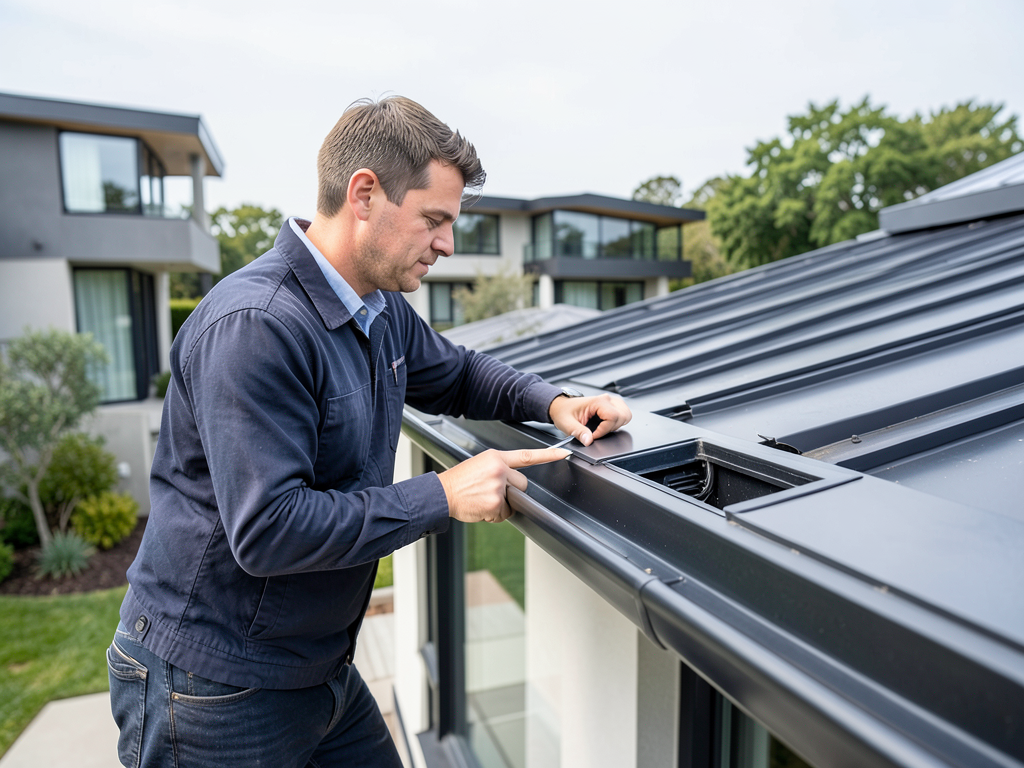
Image description: Cross-section diagram showing internal gutter assembly with metal liner, scupper drainage, and connection to downspout within wall cavity. Labels indicate thermal expansion joints and membrane seams.
The Charlotte Climate Factor
Charlotte’s weather patterns create unique challenges for internal gutter systems. The Piedmont region’s climate differs significantly from other parts of North Carolina, affecting how these systems perform.
Impact of heavy NC rainfall rates on built-in systems – Mecklenburg County experiences some of the highest rainfall intensities in the state. A 2-inch per hour storm is common during summer months. Internal gutters designed for average rainfall can’t handle these peak events, especially when combined with debris blockage.
Debris from local oak and pine canopies – Grier Heights and surrounding areas have mature tree cover that sheds leaves, needles, and small branches year-round. Pine needles are particularly problematic because they don’t decompose quickly and can form dense mats that block drainage.
Humidity and mold growth – Charlotte’s high humidity accelerates mold growth in wall cavities where internal gutter failures occur. The EPA recommends relative humidity below 60% to prevent mold, but internal gutter failures often create localized humidity levels much higher than this threshold.
Freeze-thaw cycles in winter – Though rare, freezing temperatures can cause trapped water in internal gutters to expand and crack liners. The North Carolina Building Code requires freeze protection for concealed gutters in all climate zones, but many older systems don’t meet this requirement.
UV exposure through skylights – Many modernist homes feature skylights that expose internal gutter liners to direct sunlight. UV radiation degrades EPDM and TPO materials, reducing their effective lifespan by 30-50% according to NRCA research.
Repair vs. Replacement: What are your options?
When internal gutters fail, homeowners face difficult decisions about repair versus replacement. The right choice depends on your home’s specific situation and your long-term plans. EPA mold prevention guidelines.
Relining with modern membranes offers a cost-effective repair option for systems with sound structure but failed liners. Modern EPDM and TPO materials last 25-30 years and resist UV degradation better than older materials. This process involves removing the old liner, repairing any structural damage, and installing new membrane with proper expansion joints.
Converting to traditional external gutters eliminates the hidden failure points of internal systems. This approach maintains your home’s appearance while providing reliable drainage. However, it requires careful design to avoid altering your home’s architectural lines. Many Grier Heights homeowners choose this option when internal repairs become too frequent.
Custom metal fabrication provides the most durable solution for historic or architecturally significant homes. Copper and stainless steel liners can last 50+ years when properly installed. This option costs more upfront but often proves most economical over the long term.
Adding overflow protection can prevent damage even if your internal system is overwhelmed. Secondary drainage channels and water sensors alert you before overflow causes interior damage. This is particularly useful for homes that can’t easily modify their existing systems.
The decision often comes down to cost versus longevity. A complete internal gutter replacement might cost $15,000-$30,000 depending on your home’s size and complexity, while relining might cost $8,000-$15,000. However, frequent repairs on failing systems can exceed replacement costs within 5-7 years.
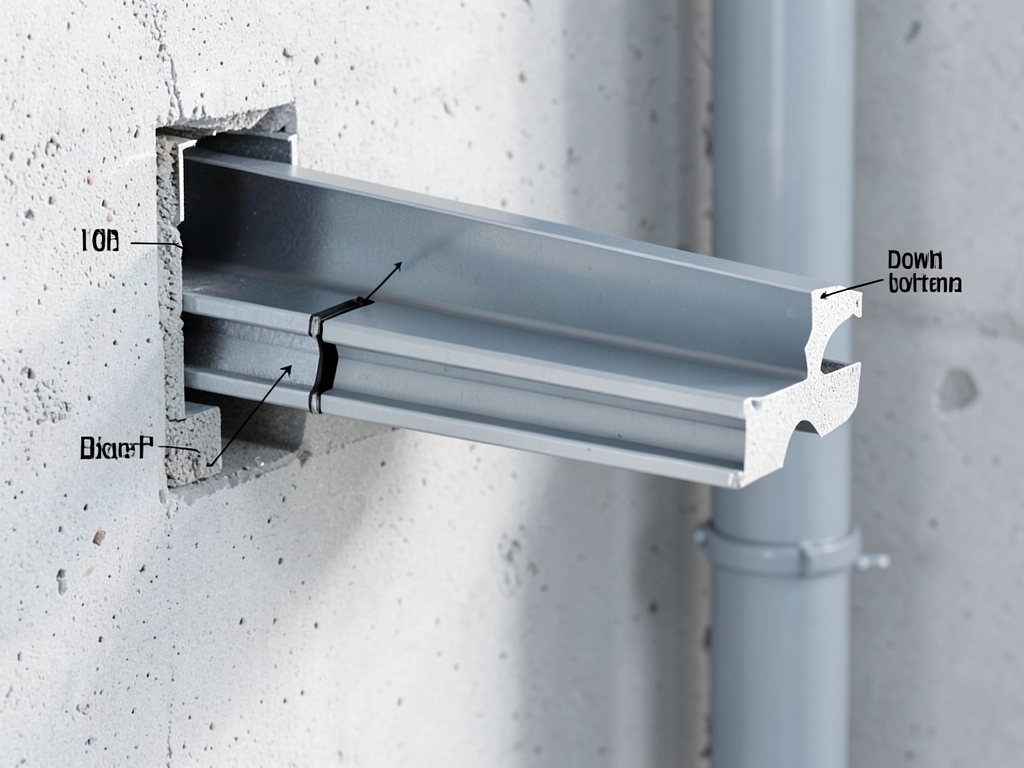
Image description: Technician using moisture meter to test wall cavity for hidden water damage near internal gutter failure point. Shows diagnostic equipment and moisture reading display.
Protecting Your Modernist Home Investment
Internal gutters represent a significant investment in your home’s design and function. When they work properly, they protect your walls, foundation, and interior spaces from water damage. When they fail, the consequences can be severe and expensive.
Regular maintenance is your best defense against heavy rain overwhelm. Annual inspections can identify problems before they cause damage. Look for signs of overflow after storms, check for debris accumulation seasonally, and consider professional inspection every 2-3 years for systems over 15 years old. Expert Roof Inspections for Waterfront Homes in Cornelius and Davidson.
Don’t wait for water stains to appear on your ceiling. By then, damage has already occurred inside your walls. If you notice any warning signs or if your home is due for maintenance, call (980) 352-5899 today to schedule your inspection. Our technicians understand the specific challenges Grier Heights homes face and can recommend solutions that protect your investment.
Pick up the phone and call (980) 352-5899 before the next storm hits. Heavy rain waits for no one, but proper preparation can save you thousands in water damage repairs.
Frequently Asked Questions
How can I tell if my internal gutters are failing?
Look for water stains on interior ceilings or walls, rotting fascia boards, foundation erosion, peeling exterior paint near the roofline, and hidden mold growth. These signs often appear before visible roof problems.
Are internal gutters more prone to failure than traditional gutters?
Yes, internal gutters are more vulnerable because problems aren’t visible until significant damage occurs. They’re also more susceptible to debris blockage and thermal stress. However, when properly maintained, they can last as long as traditional systems.
How often should internal gutters be inspected?
Annual inspections are recommended, with professional inspection every 2-3 years for systems over 15 years old. More frequent checks are needed if your home has many trees or experiences heavy rainfall.
Can I convert my internal gutters to traditional gutters?
Yes, conversion is possible and often recommended when repairs become frequent. This maintains your home’s appearance while eliminating hidden failure points. The process requires careful design to preserve architectural lines.
What’s the typical lifespan of internal gutter systems?
Modern internal gutter systems with quality materials typically last 25-30 years. Older systems may fail earlier due to inferior materials or installation methods. Regular maintenance can extend system life significantly. For more information, visit NRCA roofing manual.
You may also find this helpful. Velvet vs. Acrylic (A Real-World Comparison of Skylight Materials for the North Carolina Sun).
You may also find this helpful. Why Your Steep Driveway in Mountain Island Lake Needs Better Gutter Drainage Solutions.
{
“@context”: “https://schema.org”,
“@type”: “BlogPosting”,
“headline”: “How Heavy Rain Can Overwhelm the Internal Gutters on Your Modernist Home in Grier Heights”,
“description”: “Heavy rain can flood internal gutters in Grier Heights modernist homes. Learn why these systems fail and how Five Star Roofing Charlotte prevents costly water damage.”,
“wordCount”: 1589,
“datePublished”: “2026-05-28T06:24:00.000Z”,
“dateModified”: “2026-05-28T06:24:00.000Z”,
“inLanguage”: “en-US”,
“mainEntityOfPage”: {
“@type”: “WebPage”,
“@id”: “https://fivestarroofingcharlotte.com”
},
“publisher”: {
“@type”: “LocalBusiness”,
“name”: “Five Star Roofing Charlotte”,
“url”: “https://fivestarroofingcharlotte.com”
},
“author”: {
“@type”: “Organization”,
“name”: “Five Star Roofing Charlotte”,
“url”: “https://fivestarroofingcharlotte.com”
},
“image”: {
“@type”: “ImageObject”,
“url”: “https://fivestarroofingcharlotte.com/wp-content/uploads/2026/03/how-heavy-rain-can-overwhelm-the-internal-gutters-1.png”
}
}
{
“@context”: “https://schema.org”,
“@type”: “RoofingContractor”,
“name”: “Five Star Roofing Charlotte”,
“url”: “https://fivestarroofingcharlotte.com”,
“address”: {
“@type”: “PostalAddress”,
“addressLocality”: “Charlotte”
},
“areaServed”: {
“@type”: “City”,
“name”: “Charlotte”
}
}
{
“@context”: “https://schema.org”,
“@type”: “FAQPage”,
“mainEntity”: [
{
“@type”: “Question”,
“name”: “Repair vs. Replacement: What are your options?”,
“acceptedAnswer”: {
“@type”: “Answer”,
“text”: “When internal gutters fail, homeowners face difficult decisions about repair versus replacement. The right choice depends on your home’s specific situation and your long-term plans. EPA mold prevention guidelines.”
}
},
{
“@type”: “Question”,
“name”: “How can I tell if my internal gutters are failing?”,
“acceptedAnswer”: {
“@type”: “Answer”,
“text”: “Look for water stains on interior ceilings or walls, rotting fascia boards, foundation erosion, peeling exterior paint near the roofline, and hidden mold growth. These signs often appear before visible roof problems.”
}
},
{
“@type”: “Question”,
“name”: “Are internal gutters more prone to failure than traditional gutters?”,
“acceptedAnswer”: {
“@type”: “Answer”,
“text”: “Yes, internal gutters are more vulnerable because problems aren’t visible until significant damage occurs. They’re also more susceptible to debris blockage and thermal stress. However, when properly maintained, they can last as long as traditional systems.”
}
},
{
“@type”: “Question”,
“name”: “How often should internal gutters be inspected?”,
“acceptedAnswer”: {
“@type”: “Answer”,
“text”: “Annual inspections are recommended, with professional inspection every 2-3 years for systems over 15 years old. More frequent checks are needed if your home has many trees or experiences heavy rainfall.”
}
},
{
“@type”: “Question”,
“name”: “Can I convert my internal gutters to traditional gutters?”,
“acceptedAnswer”: {
“@type”: “Answer”,
“text”: “Yes, conversion is possible and often recommended when repairs become frequent. This maintains your home’s appearance while eliminating hidden failure points. The process requires careful design to preserve architectural lines.”
}
},
{
“@type”: “Question”,
“name”: “What’s the typical lifespan of internal gutter systems?”,
“acceptedAnswer”: {
“@type”: “Answer”,
“text”: “Modern internal gutter systems with quality materials typically last 25-30 years. Older systems may fail earlier due to inferior materials or installation methods. Regular maintenance can extend system life significantly. For more information, visit NRCA roofing manual.”
}
}
]
}
{
“@context”: “https://schema.org”,
“@type”: “BreadcrumbList”,
“itemListElement”: [
{
“@type”: “ListItem”,
“position”: 1,
“name”: “Home”,
“item”: “https://fivestarroofingcharlotte.com”
},
{
“@type”: “ListItem”,
“position”: 2,
“name”: “Blog”,
“item”: “https://fivestarroofingcharlotte.com/blog”
},
{
“@type”: “ListItem”,
“position”: 3,
“name”: “How Heavy Rain Can Overwhelm the Internal Gutters on Your Modernist Home in Grier Heights”
}
]
}
{
“@context”: “https://schema.org”,
“@type”: “Service”,
“serviceType”: “Roofing”,
“provider”: {
“@type”: “LocalBusiness”,
“name”: “Five Star Roofing Charlotte”,
“url”: “https://fivestarroofingcharlotte.com”
},
“areaServed”: {
“@type”: “City”,
“name”: “Charlotte”
},
“description”: “Heavy rain can flood internal gutters in Grier Heights modernist homes. Learn why these systems fail and how Five Star Roofing Charlotte prevents costly water damage.”
}