The Best Shingles to Withstand the Charlotte Summer Heat and Humidity
Charlotte summers push asphalt shingles to their limits. Temperatures routinely climb above 90°F while humidity hovers near 70%, creating a perfect storm for roof deterioration. The intense UV exposure bakes granules off shingles while the moisture fosters algae growth that turns roofs black and traps heat. Add in the occasional severe thunderstorm with 60+ mph winds and you need shingles engineered specifically for the North Carolina Piedmont climate. North Carolina Department of Transportation Air Quality.
Through 15 years of installing roofs across Matthews, Monroe, and Charlotte’s inner suburbs, I’ve seen which shingles survive and which ones fail. The right choice isn’t just about upfront cost—it’s about preventing premature replacement when your roof can’t handle the heat.. Read more about The Real Cost of a Roof Replacement in Charlotte (What Local Homeowners Actually Pay).
Why Charlotte’s Climate Demands Specialized Shingle Features
The Piedmont region’s weather creates unique challenges that generic shingles can’t handle. High humidity levels above 65% year-round mean algae grows rapidly on north-facing slopes where sunlight never reaches. Gloeocapsa magma, the black algae that plagues Charlotte homes, feeds on limestone filler in standard shingles and spreads across entire roof planes within 3-5 years. North Carolina Department of Revenue Property Tax Information.
Thermal shock from 30°F temperature swings between day and night causes shingles to expand and contract repeatedly. This movement breaks the seal between overlapping tabs and creates stress points where cracks form. The UV index in Mecklenburg County ranks among the highest in the Southeast, degrading asphalt binders and causing granule loss that accelerates aging.. Read more about Asphalt Shingles vs Metal Roofing — Which One is Better for Your Charlotte Home?.
Wind uplift becomes critical during summer thunderstorms. Standard 4-nail installation patterns fail when gusts exceed 70 mph, while hurricane-force winds from systems moving up from the Gulf can reach 90+ mph. Building codes now require enhanced fastening patterns for new installations in most Charlotte neighborhoods.
Top 3 Shingle Recommendations for Charlotte Homeowners
1. GAF Timberline HDZ (Best All-Rounder)
The GAF Timberline HDZ leads our recommendations for Charlotte homes because it balances performance with cost-effectiveness. The LayerLock adhesive technology creates a mechanical bond between shingles that resists wind uplift up to 130 mph when installed with the required 6-nail pattern. The StainGuard Plus time-release algae protection uses copper-lined granules that release biocide gradually over 15+ years.
Energy efficiency matters in Charlotte’s cooling season. The HDZ’s Solar Reflective technology reduces roof surface temperatures by 5-10°F compared to standard shingles, translating to 5-10% lower cooling costs during peak summer months. The Class A fire rating provides additional protection for homes in older Charlotte neighborhoods with mature tree canopies.
Local availability through distributors in the Montclaire area means faster installation scheduling and better warranty support. The 50-year limited transferable warranty covers both materials and labor when installed by certified contractors.
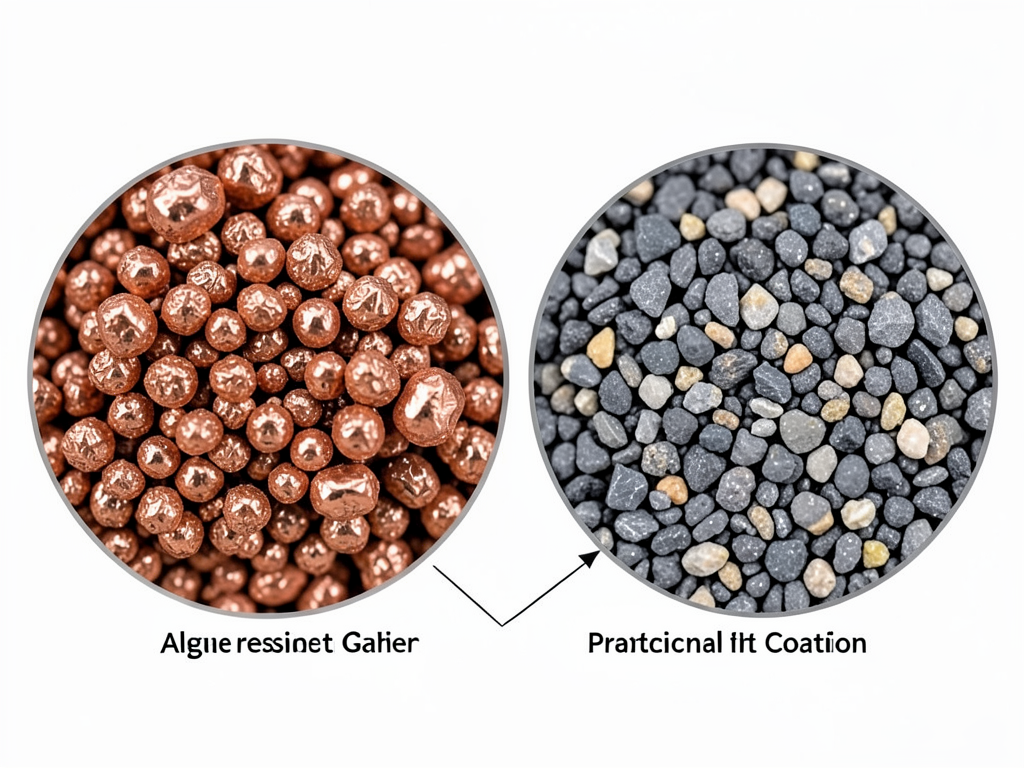
Image Description: Close-up comparison showing copper-lined algae-resistant granules versus standard asphalt granules under magnification, demonstrating the protective coating technology.
2. Owens Corning Duration (Best for Wind Resistance)
Owens Corning’s Duration series excels where wind resistance matters most. The SureNail technology creates a triple-layer reinforcement at the nailing zone, increasing pull-through resistance by 40% compared to standard shingles. This matters in Matthews and Mint Hill where older homes often sit on elevated lots exposed to stronger gusts.
The Duration Storm variant carries a 130 mph wind rating with 6-nail installation, matching the highest standards required by Mecklenburg County’s wind zone maps. The patented fabric strip also prevents nail blow-through that can occur with pneumatic nailers during rapid installation.
Algae resistance comes from the StreakGuard protection system, which uses zinc and copper granules to inhibit growth. While effective, the protection typically lasts 10-12 years before requiring cleaning. The 50-year limited warranty covers wind damage up to the rated speed when installed to manufacturer specifications.
3. CertainTeed Landmark (Best for Longevity & Aesthetics)
CertainTeed Landmark shingles offer the most authentic wood-shake appearance while delivering superior durability. The dual-layer construction provides 200% more asphalt than standard 3-tab shingles, creating deeper shadow lines that enhance curb appeal in Charlotte’s established neighborhoods like Myers Park and Eastover.
The Max Def color technology uses UV-resistant ceramic granules that maintain their appearance longer than standard mineral granules. This matters in areas like SouthPark where HOA regulations often require specific color palettes that must remain consistent over decades.
Landmark’s StreakFighter technology provides 15-year algae resistance using copper-infused granules. The Class 4 impact rating makes these shingles ideal for homes in hail-prone areas of Union County where insurance companies offer premium discounts for impact-resistant roofing.. Read more about Navigating Your HOA Roofing Requirements in Providence and Piper Glen.
Key Factors to Consider: Humidity, Algae, and UV Protection
Algae resistance isn’t just cosmetic—it affects roof performance. Black algae streaks absorb heat rather than reflecting it, raising roof temperatures by 10-15°F. This additional heat transfers into attic spaces, forcing air conditioning systems to work harder during Charlotte’s 4-month cooling season.
The North Carolina Department of Insurance recognizes the impact of algae on roof longevity. Their engineering guidelines recommend copper or zinc strips installed at roof peaks for existing roofs showing algae growth. These strips release metal ions during rainfall that wash down the roof surface, creating a protective barrier.
UV protection becomes critical when considering Charlotte’s 216 sunny days annually. Standard shingles lose 20-30% of their granules within the first 5 years of exposure. Premium shingles use ceramic-coated granules that maintain their reflective properties for the full warranty period.
Moisture management underneath shingles prevents rot and mold growth in the roof deck. Synthetic underlayment provides better tear resistance than traditional felt during installation and maintains its integrity when exposed to moisture during the construction process.
Cost vs. Value: Roofing ROI in the Charlotte Market
Premium shingles cost 30-50% more than basic 3-tab options but deliver superior ROI in Charlotte’s climate. A $12,000 premium shingle installation typically returns $18,000 in added home value while basic shingles might only add $8,000 to a $250,000 home.
Energy savings compound over time. Premium reflective shingles reduce cooling costs by $200-400 annually in Charlotte’s climate. Over a 20-year period, this equals $4,000-8,000 in utility savings that offset the higher initial investment.
Insurance considerations matter too. Many Charlotte-area insurers offer 5-10% premium discounts for Class 4 impact-resistant shingles. In hail-prone areas of Union County, these discounts can offset 15-20% of the premium shingle cost over the roof’s lifetime.
Maintenance costs differ significantly. Basic shingles require cleaning every 3-4 years to remove algae at $300-500 per cleaning. Premium algae-resistant shingles eliminate this expense while maintaining better appearance throughout their service life.
Comparison Table: Warranty, Wind Rating, and Algae Protection
| Shingle Brand | Wind Rating (mph) | Algae Protection | Warranty Length | Cost per Square |
|---|---|---|---|---|
| GAF Timberline HDZ | 130 | StainGuard Plus (15+ years) | 50 years | $450-500 |
| Owens Corning Duration | 130 | StreakGuard (10-12 years) | 50 years | $425-475 |
| CertainTeed Landmark | 110 | StreakFighter (15 years) | 50 years | $475-525 |
| Atlas Pinnacle | 120 | Scotchgard (10 years) | 30 years | $400-450 |
| Tamko Heritage | 110 | Limited (5 years) | 25 years | $350-400 |
Installation Best Practices for Charlotte’s Climate
Proper installation determines whether premium shingles deliver their promised performance. The 6-nail pattern required for 130 mph wind ratings isn’t optional—it’s the difference between a roof that survives the next hurricane and one that loses half its shingles.
Starter strip installation prevents shingle blow-off at the eaves where wind forces are strongest. Many Charlotte homes lack proper starter strips, creating vulnerability during the first major storm after installation.
Roof deck preparation matters more in humid climates. Synthetic underlayment allows trapped moisture to escape while providing a secondary water barrier if shingles fail. This becomes critical in homes with cathedral ceilings where moisture buildup can cause deck rot within 5-7 years.
Ventilation requirements increase with premium shingles. The additional asphalt weight and heat retention demand proper intake and exhaust ventilation to prevent premature aging. Building codes now require 1 square foot of net free ventilation area per 150 square feet of attic space.
Flashing details often determine long-term performance. Chimney flashing should extend up the chimney at least 6 inches and include counter-flashing embedded in mortar joints. Valley flashing requires open installation rather than closed cutting, preventing water backup during heavy Charlotte downpours.
Energy Efficiency and Cool Roof Technology
Charlotte’s cooling season runs from May through September, with July and August demanding the most energy. Cool roof technology can reduce attic temperatures by 20-30°F, directly impacting cooling costs. The Solar Reflectance Index (SRI) measures this performance, with higher numbers indicating better heat reflection.
Energy Star certified shingles must achieve an initial SRI of 0.25 or higher. Premium shingles like GAF’s Timberline HDZ Cool Series exceed 0.35 SRI, reflecting more infrared radiation before it converts to heat. This technology becomes particularly valuable for homes with HVAC equipment in attics.
Duke Energy offers rebates for cool roof installations in their service area, which includes most of Mecklenburg County. Current rebates provide $0.10-0.15 per square foot installed, potentially covering 5-10% of the premium shingle cost.
Thermal mass affects cooling performance. Heavier premium shingles absorb heat during the day and release it slowly at night, creating a flywheel effect that moderates temperature swings. This benefits homes with limited insulation or those in areas with significant diurnal temperature variation.
Local Building Code Requirements
Mecklenburg County adopted the 2018 North Carolina Building Code, which includes specific requirements for asphalt shingle installation. Section R903.2 mandates minimum wind speeds of 90 mph for most of the county, with higher requirements in exposed areas near Lake Norman and along the Catawba River corridor.
Underlayment requirements increased from #15 felt to synthetic materials for new installations. The code now requires ice and water shield in valleys and along eaves where ice damming might occur, even in Charlotte’s relatively mild winter climate.
Permit requirements apply to any roof replacement exceeding 100 square feet. The permit process includes inspection of deck preparation, underlayment installation, and final shingle placement. Skipping permits can result in fines up to $500 per day and potential insurance claim denials.
HOA restrictions often exceed building code requirements. Many Charlotte neighborhoods require specific shingle colors or brands to maintain aesthetic consistency. Some HOAs mandate Class 4 impact resistance in areas prone to hail damage.
Maintenance Tips to Maximize Shingle Lifespan
Annual inspections catch problems before they cause damage. Look for missing granules in gutters, curling shingle edges, and damaged flashing around chimneys and vents. Early detection prevents the 30% of roof replacements that result from neglected maintenance.
Gutter cleaning prevents water backup that damages shingle edges. Charlotte’s oak and pine trees drop debris year-round, creating dams that hold water against the roof edge. This moisture accelerates granule loss and creates ideal conditions for algae growth.
Trim overhanging branches to prevent physical damage and reduce debris accumulation. Branches within 10 feet of the roof can scrape shingles during wind storms and deposit sap that attracts dirt and promotes algae growth.
Professional cleaning every 5-7 years removes accumulated algae and restores reflective properties. Low-pressure washing with specialized solutions prevents damage while extending the effective lifespan of the algae protection system.
Attic ventilation inspection ensures proper airflow. Blocked soffit vents or inadequate ridge ventilation create hot spots that age shingles prematurely. Signs of poor ventilation include excessive heat in the attic during summer and ice dam formation during rare cold snaps.
Frequently Asked Questions
How long should shingles last in Charlotte’s climate?
Premium architectural shingles typically last 20-25 years in Charlotte when properly installed and maintained. Basic 3-tab shingles often fail after 12-15 years due to algae growth and UV degradation. Climate-specific factors like humidity and temperature swings can reduce lifespan by 20-30% compared to national averages.
Are impact-resistant shingles worth the extra cost?
Impact-resistant shingles pay for themselves in areas prone to hail damage. Charlotte experiences 2-3 significant hail events annually, with stones large enough to damage standard shingles. The insurance premium discount typically covers 15-20% of the cost difference, while the enhanced durability provides additional value.
What’s the best time of year to replace a roof in Charlotte?
Spring and fall offer ideal installation conditions with moderate temperatures and lower humidity. Summer installations require careful timing to avoid extreme heat that affects adhesive activation. Winter work is possible but requires temperature-sensitive adhesives and careful weather monitoring.
How can I tell if my shingles need replacement?
Signs include curling or buckling shingles, widespread granule loss in gutters, algae streaks covering more than 30% of the roof surface, and multiple missing or damaged shingles. Age matters too—if your roof is over 15 years old and shows any of these signs, replacement may be necessary.
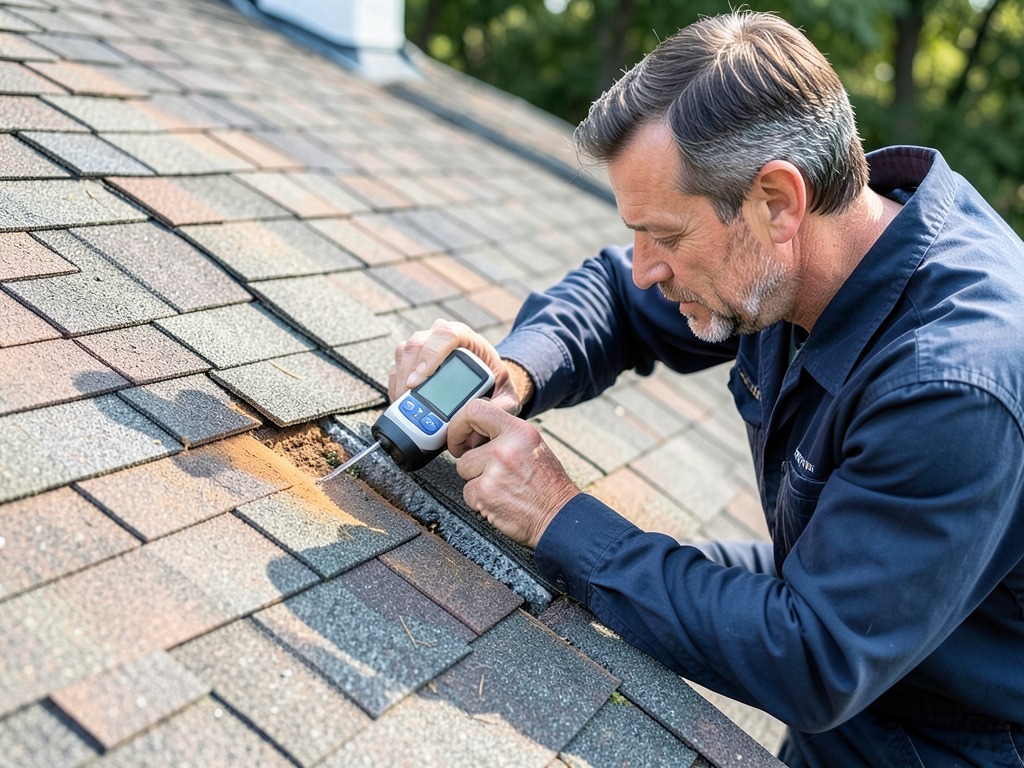
Image Description: Technician using a moisture meter to check roof deck integrity beneath existing shingles, demonstrating diagnostic testing during roof inspection.
Image Description: Installation crew applying synthetic underlayment on a steep-slope roof section, showing proper material overlap and fastening patterns required by code.
Making Your Final Decision
Choosing the right shingles for your Charlotte home requires balancing performance, cost, and aesthetics. Premium shingles from GAF, Owens Corning, or CertainTeed provide the best protection against our climate’s specific challenges. The additional upfront investment typically pays for itself through extended lifespan, energy savings, and reduced maintenance costs.
Installation quality matters as much as material selection. Even the best shingles fail when improperly installed. Look for contractors with manufacturer certification, proper licensing, and extensive experience in the Charlotte market. Ask about their specific experience with high-wind installations and moisture management techniques.
Consider your home’s specific vulnerabilities. South-facing slopes receive more UV exposure and may benefit from premium reflective technology. Homes in exposed areas near Lake Norman need maximum wind resistance. Historic districts may limit color and material choices, making premium aesthetics more important.
The right choice protects your home for decades while maintaining its value and appearance. In Charlotte’s challenging climate, cutting corners on roofing materials or installation almost always costs more in the long run.
Ready to Upgrade Your Roof?
Don’t wait until the next storm reveals your roof’s weaknesses. Call (980) 352-5899 today to schedule your inspection. Our Charlotte-based team understands exactly what your roof needs to withstand our brutal summers and severe storms. We’ll provide a detailed assessment and recommend the best shingle options for your specific home and budget.
Pick up the phone and call (980) 352-5899 before the next heat wave hits. Your home deserves shingles that can handle Charlotte’s climate—not ones that fail when you need them most.
{
“@context”: “https://schema.org”,
“@type”: “BlogPosting”,
“headline”: “The Best Shingles to Withstand the Charlotte Summer Heat and Humidity”,
“description”: “Find the most durable shingles for Charlotte’s brutal heat and humidity. Learn which brands resist algae, wind, and UV damage in the NC Piedmont climate.”,
“wordCount”: 2354,
“datePublished”: “2026-02-21T13:24:00.000Z”,
“dateModified”: “2026-02-21T13:24:00.000Z”,
“inLanguage”: “en-US”,
“mainEntityOfPage”: {
“@type”: “WebPage”,
“@id”: “https://fivestarroofingcharlotte.com”
},
“publisher”: {
“@type”: “LocalBusiness”,
“name”: “Five Star Roofing Charlotte”,
“url”: “https://fivestarroofingcharlotte.com”
},
“author”: {
“@type”: “Organization”,
“name”: “Five Star Roofing Charlotte”,
“url”: “https://fivestarroofingcharlotte.com”
},
“image”: {
“@type”: “ImageObject”,
“url”: “https://fivestarroofingcharlotte.com/wp-content/uploads/2026/03/the-best-shingles-to-withstand-the-charlotte-summe-1.png”
}
}
{
“@context”: “https://schema.org”,
“@type”: “RoofingContractor”,
“name”: “Five Star Roofing Charlotte”,
“url”: “https://fivestarroofingcharlotte.com”,
“address”: {
“@type”: “PostalAddress”,
“addressLocality”: “Charlotte”
},
“areaServed”: {
“@type”: “City”,
“name”: “Charlotte”
}
}
{
“@context”: “https://schema.org”,
“@type”: “FAQPage”,
“mainEntity”: [
{
“@type”: “Question”,
“name”: “How long should shingles last in Charlotte’s climate?”,
“acceptedAnswer”: {
“@type”: “Answer”,
“text”: “Premium architectural shingles typically last 20-25 years in Charlotte when properly installed and maintained. Basic 3-tab shingles often fail after 12-15 years due to algae growth and UV degradation. Climate-specific factors like humidity and temperature swings can reduce lifespan by 20-30% compared to national averages.”
}
},
{
“@type”: “Question”,
“name”: “Are impact-resistant shingles worth the extra cost?”,
“acceptedAnswer”: {
“@type”: “Answer”,
“text”: “Impact-resistant shingles pay for themselves in areas prone to hail damage. Charlotte experiences 2-3 significant hail events annually, with stones large enough to damage standard shingles. The insurance premium discount typically covers 15-20% of the cost difference, while the enhanced durability provides additional value.”
}
},
{
“@type”: “Question”,
“name”: “What’s the best time of year to replace a roof in Charlotte?”,
“acceptedAnswer”: {
“@type”: “Answer”,
“text”: “Spring and fall offer ideal installation conditions with moderate temperatures and lower humidity. Summer installations require careful timing to avoid extreme heat that affects adhesive activation. Winter work is possible but requires temperature-sensitive adhesives and careful weather monitoring.”
}
},
{
“@type”: “Question”,
“name”: “How can I tell if my shingles need replacement?”,
“acceptedAnswer”: {
“@type”: “Answer”,
“text”: “Signs include curling or buckling shingles, widespread granule loss in gutters, algae streaks covering more than 30% of the roof surface, and multiple missing or damaged shingles. Age matters too—if your roof is over 15 years old and shows any of these signs, replacement may be necessary.”
}
},
{
“@type”: “Question”,
“name”: “Ready to Upgrade Your Roof?”,
“acceptedAnswer”: {
“@type”: “Answer”,
“text”: “Don’t wait until the next storm reveals your roof’s weaknesses. Call (980) 352-5899 today to schedule your inspection. Our Charlotte-based team understands exactly what your roof needs to withstand our brutal summers and severe storms. We’ll provide a detailed assessment and recommend the best shingle options for your specific home and budget.”
}
}
]
}
{
“@context”: “https://schema.org”,
“@type”: “BreadcrumbList”,
“itemListElement”: [
{
“@type”: “ListItem”,
“position”: 1,
“name”: “Home”,
“item”: “https://fivestarroofingcharlotte.com”
},
{
“@type”: “ListItem”,
“position”: 2,
“name”: “Blog”,
“item”: “https://fivestarroofingcharlotte.com/blog”
},
{
“@type”: “ListItem”,
“position”: 3,
“name”: “The Best Shingles to Withstand the Charlotte Summer Heat and Humidity”
}
]
}
{
“@context”: “https://schema.org”,
“@type”: “Service”,
“serviceType”: “Roofing”,
“provider”: {
“@type”: “LocalBusiness”,
“name”: “Five Star Roofing Charlotte”,
“url”: “https://fivestarroofingcharlotte.com”
},
“areaServed”: {
“@type”: “City”,
“name”: “Charlotte”
},
“description”: “Find the most durable shingles for Charlotte’s brutal heat and humidity. Learn which brands resist algae, wind, and UV damage in the NC Piedmont climate.”
}