Velvet vs. Acrylic A Real-World Comparison of Skylight Materials for the North Carolina Sun
Charlotte homeowners face unique challenges when selecting skylight materials. Our intense summer sun and high humidity demand materials that can withstand extreme conditions. This guide examines how velvet glass and acrylic perform in Charlotte’s specific climate. Charlotte Climate Data.
Velvet glass offers superior UV protection and thermal efficiency. Acrylic provides a lighter more affordable option but can yellow over time under UV exposure. Understanding these differences helps you make the right choice for your home.
Heat Resistance Performance Under Charlotte Summers
Charlotte experiences 210+ sunny days per year with summer temperatures regularly exceeding 90 degrees. Velvet glass skylights use advanced low-emissivity coatings that reflect infrared heat while allowing visible light to pass through. This multi-layer construction creates a thermal barrier that reduces heat transfer by up to 45% compared to standard acrylic.
Acrylic skylights absorb more solar radiation which can lead to heat buildup in your living space. Even with UV inhibitors acrylic allows more heat penetration than velvet glass. This difference becomes noticeable on south-facing roofs where afternoon sun exposure is most intense.
Temperature differentials affect material longevity. Velvet glass maintains dimensional stability across temperature swings while acrylic expands and contracts more dramatically. This movement can stress seals and mounting hardware over time especially during Charlotte’s rapid weather changes.
Call (980) 352-5899 today to schedule your skylight inspection before summer heat arrives.
UV Protection and Interior Fading
Charlotte’s high UV index causes significant fading of furniture carpets and hardwood floors. Velvet glass incorporates UV-blocking technology that filters out 99% of harmful rays while maintaining natural light quality. This protection preserves your interior investments and reduces cooling costs by preventing solar heat gain.
Standard acrylic skylights without special coatings allow UV transmission that can damage artwork fabrics and wood finishes. Even with UV inhibitors acrylic typically blocks only 70-80% of UV radiation compared to velvet’s near-complete protection. Over five to seven years this difference becomes visually apparent in south-facing rooms.
The color rendering index also varies between materials. Velvet glass maintains true color transmission so your interior spaces look natural throughout the day. Some acrylic formulations can create a slight blue or yellow tint that affects how colors appear inside your home.
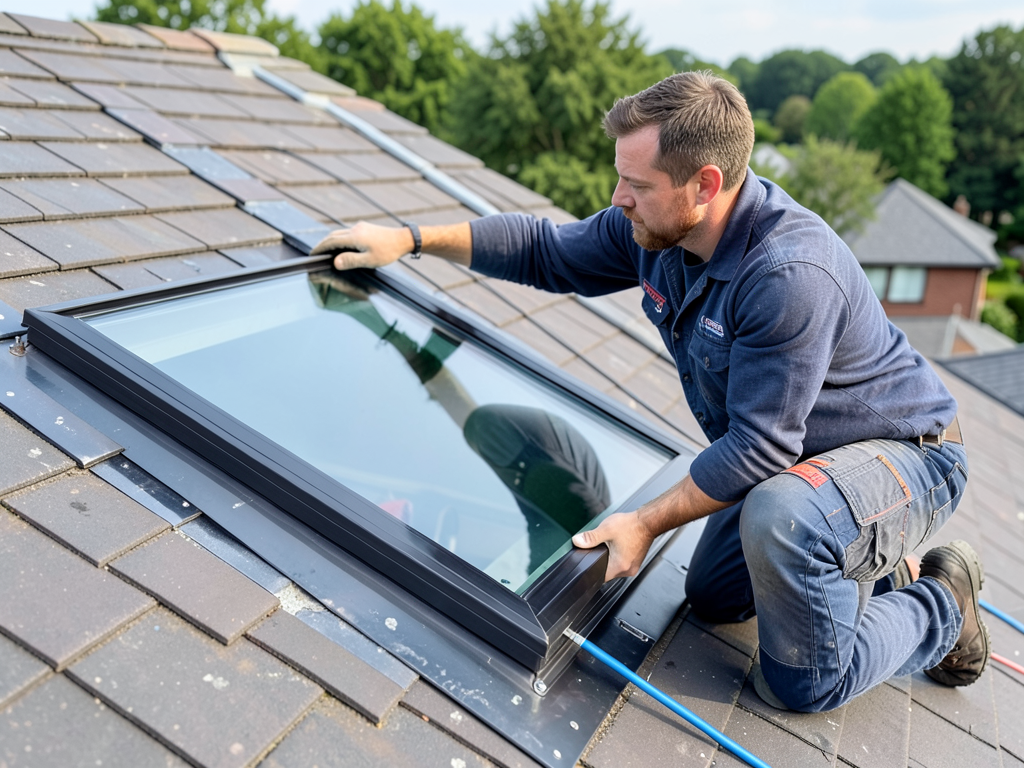
Diagram comparing UV transmission rates between velvet glass and acrylic skylights under Charlotte’s summer sun conditions.
Moisture and Humidity Management
Charlotte’s humidity levels often exceed 70% during summer months creating condensation challenges for skylight installations. Velvet glass features advanced edge seals and thermal breaks that minimize condensation formation on interior surfaces. The material’s lower thermal conductivity means less temperature differential between inside and outside surfaces.
Acrylic skylights can develop condensation issues especially in bathrooms or kitchens where moisture levels are highest. The material’s higher thermal expansion rate can create small gaps around seals allowing moisture infiltration over time. This becomes problematic during Charlotte’s frequent afternoon thunderstorms when temperature drops rapidly.
Proper installation makes a significant difference. Velvet glass systems typically include integrated flashing and moisture barriers designed for North Carolina’s rainfall patterns. The heavier weight provides better wind resistance during summer storms which can produce gusts over 40 mph in Mecklenburg County. Mecklenburg County Stormwater Services.
Energy Efficiency and Cost Savings
Energy efficiency directly impacts your utility bills during Charlotte’s long cooling season. Velvet glass skylights with Low-E3 coatings can reduce cooling costs by 15-20% compared to standard materials. The improved insulation properties mean your HVAC system works less to maintain comfortable temperatures.
Acrylic skylights offer lower initial costs but may increase long-term energy expenses. The material’s higher solar heat gain coefficient means more heat enters your home requiring additional air conditioning. Over a ten-year period the energy cost difference can offset the initial price advantage of acrylic.
Federal tax credits for energy-efficient skylights can offset some of the higher velvet glass costs. Current incentives through 2026 provide up to 30% tax credits for skylights meeting ENERGY STAR South-Central climate zone requirements. This makes premium materials more financially accessible for Charlotte homeowners.
Installation and Structural Considerations
Charlotte’s building codes require specific installation methods based on roof pitch and material weight. Velvet glass skylights typically weigh 40-60% more than acrylic requiring reinforced framing in some installations. However this additional weight provides better wind uplift resistance during severe thunderstorms common in Mecklenburg County.
Roof pitch affects material selection. Steeper pitches over 6:12 benefit from velvet glass’s superior impact resistance. The material handles hail and falling tree debris better than acrylic which can crack under impact. Charlotte’s location in the Piedmont means occasional severe weather with golf ball-sized hail.
Installation timing matters in our climate. Summer installations require careful temperature management to prevent seal failures. Professional installers use specific techniques for Charlotte’s humidity levels including extended cure times for sealants and moisture barriers.
Maintenance and Longevity
Maintenance requirements differ significantly between materials. Velvet glass needs minimal cleaning with its self-cleaning coatings and resistance to scratching. A simple rinse with water removes most pollen and debris which accumulates heavily during Charlotte’s spring and fall seasons. Roof Cleaning & Maintenance.
Acrylic skylights require more frequent cleaning and are susceptible to scratching from pollen dust and cleaning tools. Over time the material can develop a hazy appearance that reduces light transmission. In Charlotte’s pollen-heavy environment this deterioration happens faster than in less humid climates.
Warranty coverage reflects material durability. Premium velvet glass skylights typically carry 20-25 year warranties while standard acrylic options often provide only 10-year coverage. The longer warranty periods reflect the material’s superior resistance to Charlotte’s environmental challenges.
Cost Comparison and Value Analysis
Initial costs for velvet glass skylights range from $800 to $1,500 per unit installed while acrylic options typically cost $400 to $800. However lifetime costs tell a different story when factoring energy savings maintenance and replacement frequency.
Over a 20-year period velvet glass often proves more economical despite higher upfront costs. The material’s energy efficiency reduces cooling costs by approximately $75-100 annually in Charlotte homes. Combined with lower maintenance needs and longer lifespan the total cost of ownership favors premium materials.
Financing options make premium skylights accessible. Many Charlotte homeowners use home improvement loans or credit lines to spread costs over time. The monthly payment difference between materials often equals the monthly energy savings achieved with better insulation.
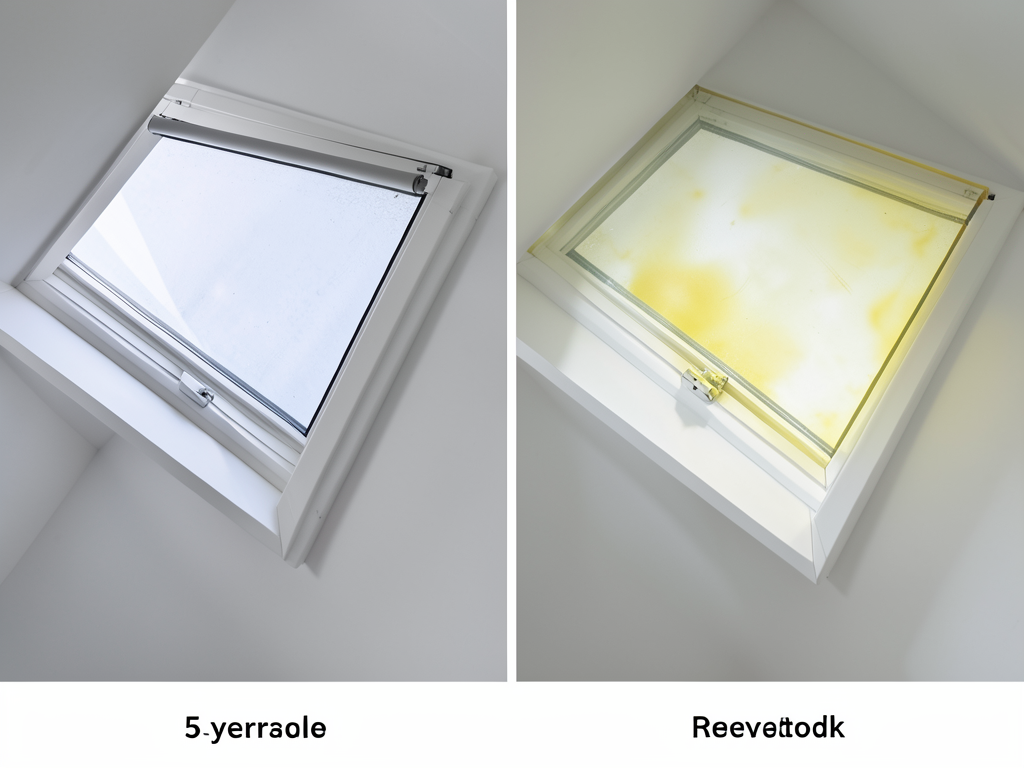
Photo showing a professional skylight installation on a Charlotte home with proper flashing and moisture barriers.
Best Applications for Each Material
Velvet glass excels in high-traffic areas living rooms and kitchens where light quality and energy efficiency matter most. The material’s superior UV protection makes it ideal for rooms with valuable furnishings artwork or hardwood floors. South-facing installations particularly benefit from velvet’s heat rejection properties.
Acrylic skylights work well in utility spaces garages and less frequently used rooms where initial cost matters more than long-term performance. The material’s lighter weight makes it suitable for retrofit applications where structural reinforcement would be costly or impractical.
Consider your home’s orientation when selecting materials. East-facing skylights benefit less from premium heat rejection while west-facing installations see the greatest performance differences. Charlotte’s afternoon sun angles make western exposures particularly challenging for standard materials.
Professional Installation Requirements
Professional installation becomes critical with Charlotte’s specific climate challenges. Local building codes require flashing methods that handle our heavy rainfall and occasional ice storms. Improper installation can lead to leaks that damage ceilings walls and insulation within months.
Roof pitch affects installation complexity. Low-slope roofs under 4:12 require special curb-mounted systems to prevent water infiltration. The Charlotte area’s occasional heavy snow loads mean proper structural support becomes essential even for lighter acrylic units.
Timing affects installation quality. Summer installations require specific techniques to handle high temperatures and humidity. Winter work demands freeze protection for sealants and proper ice dam prevention measures. Charlotte’s transitional seasons offer ideal installation conditions but scheduling becomes competitive.
Environmental Impact and Sustainability
Material selection affects both your carbon footprint and indoor environmental quality. Velvet glass production requires more energy but the material’s longevity and energy savings create a favorable lifecycle assessment. The superior insulation reduces HVAC runtime lowering overall energy consumption.
Acrylic manufacturing produces fewer emissions but the material’s shorter lifespan means more frequent replacement and disposal. End-of-life considerations matter as acrylic recycling options remain limited compared to glass which enjoys widespread recycling infrastructure.
Indoor air quality improves with better moisture management. Velvet glass’s superior sealing reduces mold and mildew growth in attic spaces common in humid climates. This creates healthier living environments especially for families with allergies or respiratory sensitivities.
Making Your Final Decision
Your choice between velvet and acrylic depends on several factors including budget home orientation and intended use. Consider how long you plan to stay in your home. If you’ll remain five years or more premium materials often provide better value through energy savings and durability.
Evaluate your home’s specific conditions. South-facing roofs exposed to intense afternoon sun benefit most from velvet glass performance. Shaded or north-facing installations may not justify premium material costs. Charlotte’s mixed sun and shade patterns mean each home requires individual assessment.
Factor in your home’s value and neighborhood standards. Premium skylights can enhance resale value particularly in established Charlotte neighborhoods where quality improvements matter to buyers. The investment often returns through both utility savings and increased property appeal.
Ready to upgrade your skylights? Call (980) 352-5899 now to speak with our Charlotte skylight specialists.
Frequently Asked Questions
Which skylight material lasts longer in Charlotte’s climate?
Velvet glass typically lasts 25-30 years while acrylic skylights often need replacement after 10-15 years in our intense UV and humidity conditions. The premium material’s superior resistance to yellowing scratching and seal failure makes it the better long-term investment for Charlotte homes.
Do energy-efficient skylights really save money on cooling bills?
Yes velvet glass skylights with Low-E3 coatings can reduce cooling costs by 15-20% during Charlotte’s long summer season. The improved insulation means your air conditioner runs less frequently maintaining comfort while using less energy. Many homeowners see the monthly savings offset the higher initial costs within 3-5 years.
Can I install skylights myself or do I need a professional?
Professional installation is strongly recommended for Charlotte homes. Local building codes require specific flashing techniques for our heavy rainfall and occasional ice storms. Improper installation can lead to leaks that cause thousands in damage. Professional installers also understand how to handle our humidity levels during the installation process.
Are there tax credits available for energy-efficient skylights?
Yes federal tax credits through 2026 provide up to 30% credit for skylights meeting ENERGY STAR South-Central climate zone requirements. This includes many velvet glass options with proper Low-E coatings and energy ratings. The credits can significantly reduce the premium cost difference between basic and premium skylight materials.
How do I know if my current skylights need replacement?
Signs include visible yellowing cracking condensation between panes or increased energy bills. If your skylights are over 10 years old and made of standard acrylic they may be losing efficiency. Professional inspection can identify seal failures that allow moisture infiltration common in Charlotte’s humid climate.
Before and after comparison showing how velvet glass skylights maintain clarity while standard acrylic yellows over time in Charlotte’s sun. For more information, visit Energy.gov Skylight Guide.
{
“@context”: “https://schema.org”,
“@type”: “BlogPosting”,
“headline”: “Velvet vs. Acrylic (A Real-World Comparison of Skylight Materials for the North Carolina Sun)”,
“description”: “Compare velvet glass and acrylic skylights for Charlotte homes. Learn which material performs best in our intense sun humidity and storms.”,
“wordCount”: 1863,
“datePublished”: “2026-06-08T10:47:00.000Z”,
“dateModified”: “2026-06-08T10:47:00.000Z”,
“inLanguage”: “en-US”,
“mainEntityOfPage”: {
“@type”: “WebPage”,
“@id”: “https://fivestarroofingcharlotte.com”
},
“publisher”: {
“@type”: “LocalBusiness”,
“name”: “Five Star Roofing Charlotte”,
“url”: “https://fivestarroofingcharlotte.com”
},
“author”: {
“@type”: “Organization”,
“name”: “Five Star Roofing Charlotte”,
“url”: “https://fivestarroofingcharlotte.com”
},
“image”: {
“@type”: “ImageObject”,
“url”: “https://fivestarroofingcharlotte.com/wp-content/uploads/2026/03/velvet-vs-acrylic-a-real-world-comparison-of-skyli-1.png”
}
}
{
“@context”: “https://schema.org”,
“@type”: “RoofingContractor”,
“name”: “Five Star Roofing Charlotte”,
“url”: “https://fivestarroofingcharlotte.com”,
“address”: {
“@type”: “PostalAddress”,
“addressLocality”: “Charlotte”
},
“areaServed”: {
“@type”: “City”,
“name”: “Charlotte”
}
}
{
“@context”: “https://schema.org”,
“@type”: “FAQPage”,
“mainEntity”: [
{
“@type”: “Question”,
“name”: “Which skylight material lasts longer in Charlotte’s climate?”,
“acceptedAnswer”: {
“@type”: “Answer”,
“text”: “Velvet glass typically lasts 25-30 years while acrylic skylights often need replacement after 10-15 years in our intense UV and humidity conditions. The premium material’s superior resistance to yellowing scratching and seal failure makes it the better long-term investment for Charlotte homes.”
}
},
{
“@type”: “Question”,
“name”: “Do energy-efficient skylights really save money on cooling bills?”,
“acceptedAnswer”: {
“@type”: “Answer”,
“text”: “Yes velvet glass skylights with Low-E3 coatings can reduce cooling costs by 15-20% during Charlotte’s long summer season. The improved insulation means your air conditioner runs less frequently maintaining comfort while using less energy. Many homeowners see the monthly savings offset the higher initial costs within 3-5 years.”
}
},
{
“@type”: “Question”,
“name”: “Can I install skylights myself or do I need a professional?”,
“acceptedAnswer”: {
“@type”: “Answer”,
“text”: “Professional installation is strongly recommended for Charlotte homes. Local building codes require specific flashing techniques for our heavy rainfall and occasional ice storms. Improper installation can lead to leaks that cause thousands in damage. Professional installers also understand how to handle our humidity levels during the installation process.”
}
},
{
“@type”: “Question”,
“name”: “Are there tax credits available for energy-efficient skylights?”,
“acceptedAnswer”: {
“@type”: “Answer”,
“text”: “Yes federal tax credits through 2026 provide up to 30% credit for skylights meeting ENERGY STAR South-Central climate zone requirements. This includes many velvet glass options with proper Low-E coatings and energy ratings. The credits can significantly reduce the premium cost difference between basic and premium skylight materials.”
}
},
{
“@type”: “Question”,
“name”: “How do I know if my current skylights need replacement?”,
“acceptedAnswer”: {
“@type”: “Answer”,
“text”: “Signs include visible yellowing cracking condensation between panes or increased energy bills. If your skylights are over 10 years old and made of standard acrylic they may be losing efficiency. Professional inspection can identify seal failures that allow moisture infiltration common in Charlotte’s humid climate.”
}
}
]
}
{
“@context”: “https://schema.org”,
“@type”: “BreadcrumbList”,
“itemListElement”: [
{
“@type”: “ListItem”,
“position”: 1,
“name”: “Home”,
“item”: “https://fivestarroofingcharlotte.com”
},
{
“@type”: “ListItem”,
“position”: 2,
“name”: “Blog”,
“item”: “https://fivestarroofingcharlotte.com/blog”
},
{
“@type”: “ListItem”,
“position”: 3,
“name”: “Velvet vs. Acrylic (A Real-World Comparison of Skylight Materials for the North Carolina Sun)”
}
]
}
{
“@context”: “https://schema.org”,
“@type”: “Service”,
“serviceType”: “Roofing”,
“provider”: {
“@type”: “LocalBusiness”,
“name”: “Five Star Roofing Charlotte”,
“url”: “https://fivestarroofingcharlotte.com”
},
“areaServed”: {
“@type”: “City”,
“name”: “Charlotte”
},
“description”: “Compare velvet glass and acrylic skylights for Charlotte homes. Learn which material performs best in our intense sun humidity and storms.”
}