
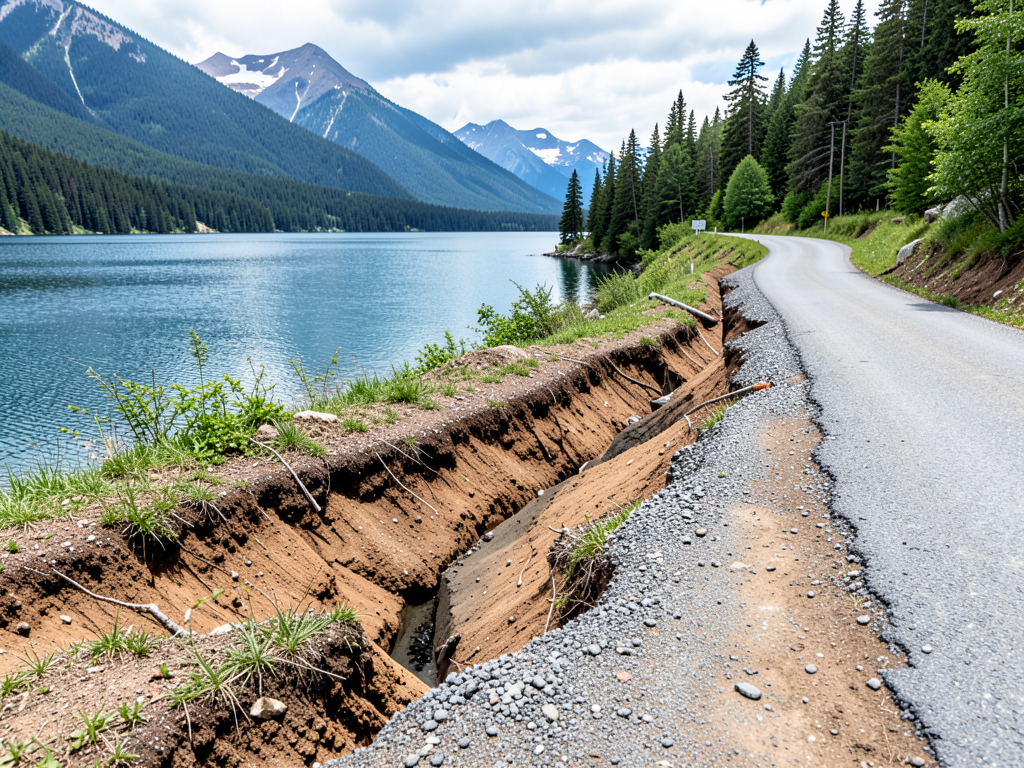
The steep driveways around Mountain Island Lake create a perfect storm for water damage to your home’s foundation and landscaping. Heavy Charlotte rainfall combined with steep grades means roof runoff accelerates down your driveway carrying away soil and threatening your home’s structural integrity. The red clay soil common in this area becomes saturated quickly creating erosion channels that worsen with each storm.
Understanding the specific drainage challenges of steep lots near Mountain Island Lake is critical for protecting your investment. Unlike flat properties where water spreads evenly steep driveways concentrate water flow into high-velocity streams that can undermine retaining walls flood basements and create safety hazards. The combination of Charlotte’s 43-inch annual rainfall and the Piedmont region’s clay soil composition creates unique conditions that require specialized solutions.
Why Steep Driveways Need Oversized Gutter Systems
Standard 5-inch gutters simply cannot handle the water volume from steep roofs. When rain hits a 12:12 pitch roof water travels at significantly higher speeds than on a 4:12 pitch roof. This increased velocity means more water passes over the gutter edge in less time causing overshoot and overflow.
Six-inch K-style gutters provide 40% more capacity than standard 5-inch gutters. For homes with steep pitches near Mountain Island Lake this extra capacity prevents water from cascading over the gutter edges during heavy Charlotte thunderstorms. The larger downspouts that accompany 6-inch systems move water away from your foundation before it can saturate the surrounding soil.
Half-round gutters offer another excellent option for steep slopes. Their smooth curved shape reduces water turbulence and allows for faster flow rates. When installed with oversized downspouts half-round systems can handle the high-volume water shedding from steep roofs without backing up or overflowing.
Strategic Downspout Placement for Steep Terrain
Where you place downspouts on a steep lot matters as much as the gutter size. Water needs to be discharged at points where it won’t create erosion channels or flow directly onto your driveway. The goal is to spread water discharge across multiple locations rather than concentrating it in one area.
For properties near Mountain Island Lake downspouts should extend at least 6 feet from the foundation. On steep grades this often means installing underground drainage pipes that carry water to safer discharge points. These pipes connect to catch basins or dry wells that allow water to dissipate slowly without causing erosion.
The downhill side of your property presents special challenges. Water naturally wants to flow toward the steepest grade which on many Mountain Island Lake properties means toward the lake itself. Without proper management this can create gullies in your yard and washouts near your driveway entrance.
Foundation Protection Through Proper Water Management
Hydrostatic pressure from saturated soil is one of the leading causes of foundation damage in Charlotte’s steep neighborhoods. When water accumulates around your foundation it creates pressure that can crack basement walls and cause shifting. The red clay soil in the Mountain Island Lake area holds water like a sponge exacerbating this problem.
French drains installed around the perimeter of your home provide an effective barrier against foundation water intrusion. These systems consist of perforated pipes surrounded by gravel that collect subsurface water and direct it away from your foundation. The gravel also helps filter water before it enters the drainage system preventing clogs from clay soil particles.
Splash blocks alone are insufficient for steep driveways. While they can direct water away from your foundation they don’t address the high-velocity flow that comes off steep roofs. Underground drainage systems that connect directly to your downspouts provide much better protection by moving water to predetermined discharge points.
Soil Erosion Control for Charlotte’s Red Clay
Charlotte’s red clay soil presents unique drainage challenges. When dry it becomes hard and impermeable. When saturated it turns to mud that easily washes away. This creates a cycle where water erodes the soil the soil becomes less able to absorb water and erosion accelerates.
Erosion control blankets installed in drainage channels help stabilize soil while vegetation establishes. These biodegradable mats hold soil in place during the critical establishment period for grass or ground cover. Once vegetation takes hold the root systems provide permanent erosion protection.
Riprap or large stone installations work well for high-flow areas around downspout discharge points. The stones dissipate water energy while remaining stable under high-velocity flow. This prevents the formation of erosion channels that can undermine your driveway or landscaping.
Charlotte Building Code Compliance for Drainage
Mecklenburg County requires that all roof drainage be managed to prevent water from flowing onto adjacent properties. This means your gutter and drainage system must handle 100% of roof runoff without creating problems for downhill neighbors. The North Carolina Residential Code Section R903.4 specifically addresses roof drainage requirements. North Carolina Residential Code.
Local building officials also require that drainage systems prevent soil erosion and protect foundation walls. For steep properties this often means providing engineered drainage solutions rather than simple splash blocks. The code requires that downspouts discharge at least 5 feet from foundation walls though 6 feet or more is recommended for steep slopes.
HOA regulations in many Mountain Island Lake communities add additional requirements. Some prohibit visible drainage pipes or require specific materials and colors for gutter systems. Before installing any drainage improvements check both local building codes and HOA restrictions.
Integration with Landscape Drainage Systems
Roof drainage doesn’t exist in isolation on steep properties. It must work in harmony with existing landscape features like retaining walls swales and French drains. A comprehensive drainage plan considers how water moves across your entire property not just from your roof.
Bioswales provide an environmentally friendly way to manage roof runoff while adding landscape interest. These shallow vegetated channels slow water flow and allow for infiltration. Native plants in bioswales can handle both wet and dry conditions making them ideal for Charlotte’s variable rainfall patterns.
Dry wells offer another solution for steep lots where surface discharge isn’t practical. These underground structures collect water from downspouts and allow it to percolate slowly into the surrounding soil. Properly sized dry wells can handle the peak flow from severe thunderstorms without overflowing.
Maintenance Requirements for Steep Lot Drainage
Gutter systems on steep roofs require more frequent maintenance than those on gentle slopes. The higher water velocity means more debris gets swept through the system potentially causing clogs. Leaves pine needles and grit from asphalt shingles all contribute to gutter blockages.
Professional gutter cleaning twice yearly is recommended for steep properties in Charlotte. Spring cleaning removes winter debris while fall cleaning prepares the system for winter storms. Between professional cleanings watch for signs of overflow during rain events. Roof Cleaning & Maintenance.
Downspout extensions and underground pipes need annual inspection to ensure they remain clear and properly connected. Tree roots can infiltrate underground pipes while soil settling can cause connections to separate. Early detection of these issues prevents costly water damage repairs.
Cost Factors for Steep Driveway Drainage Solutions
Several factors affect the cost of drainage improvements for steep properties. Gutter size and material choice significantly impact price with 6-inch copper gutters costing more than standard aluminum but offering superior durability and aesthetics. The length of your roofline and number of stories also affect material costs.
Underground drainage installation requires excavation which becomes more complex and expensive on steep slopes. Access for equipment soil conditions and the need to work around existing landscaping all influence installation costs. Properties with extensive hardscaping or mature trees may require more labor-intensive installation methods.
The long-term cost savings from preventing water damage often justify the initial investment in proper drainage. Foundation repairs basement waterproofing and landscape restoration can cost thousands of dollars. A well-designed drainage system prevents these expenses while protecting your home’s value. Built-Up Roofing.
Emergency Drainage Issues to Watch For
Certain signs indicate immediate drainage problems that require professional attention. Water stains on foundation walls mold growth in basements or standing water near your home after rain all suggest your current drainage system isn’t adequate. These issues worsen over time and can lead to structural damage.
Downspout separation from gutters during heavy rain indicates your system is overwhelmed. This can happen when gutters are undersized for your roof area or when debris clogs the system. Separated downspouts allow water to pour directly against your foundation accelerating damage.
Erosion gullies forming in your yard especially near downspout discharge points show that water velocity exceeds the soil’s ability to absorb it. These gullies deepen with each storm and can undermine driveways walkways and landscaping features.
Professional Assessment Benefits
A professional drainage assessment provides detailed analysis of your property’s water management needs. Using tools like slope meters and flow calculations experts can determine exactly how much water your roof sheds during peak rainfall and design systems to handle that volume.
Site-specific factors like soil composition existing drainage patterns and local topography all influence the recommended solution. Properties near Mountain Island Lake may have different requirements than those in flatter areas of Charlotte due to the combination of steep grades and heavy rainfall.
Professional installation ensures compliance with local building codes and HOA requirements. It also provides warranties on both materials and workmanship giving you peace of mind that your investment is protected.
Comparing Gutter Materials for Steep Applications
| Material | Cost Range | Durability | Best For |
|---|---|---|---|
| Aluminum | $4-8 per linear foot | 15-20 years | Most residential applications |
| Copper | $15-25 per linear foot | 50+ years | High-end homes historic properties |
| Steel | $6-10 per linear foot | 20-25 years | Areas with falling branches |
| Vinyl | $3-5 per linear foot | 10-15 years | DIY installations |
Rainfall Intensity and Gutter Sizing
| Roof Pitch | 5-Inch Gutter Capacity | 6-Inch Gutter Capacity | Recommended For |
|---|---|---|---|
| 4:12 – 6:12 | 1.2 inches/hour | 1.8 inches/hour | Most standard homes |
| 7:12 – 9:12 | 1.0 inches/hour | 1.5 inches/hour | Homes with moderate rainfall |
| 10:12 – 12:12 | 0.8 inches/hour | 1.2 inches/hour | Steep roofs in Charlotte |
| 12:12+ | 0.6 inches/hour | 1.0 inches/hour | Mountain Island Lake properties |
Frequently Asked Questions
How do I know if my gutters are too small for my steep driveway?
Watch for water overshooting the gutter during rain especially at roof valleys where water flow concentrates. If you see water pouring over the front edge of your gutters or creating erosion channels below downspouts your system is undersized for your roof’s water volume.
What’s the minimum downspout extension length for steep properties?
For steep driveways downspout extensions should reach at least 6 feet from your foundation. On severe slopes you may need 8-10 feet or underground drainage to prevent water from flowing back toward your home. The goal is to discharge water where it won’t cause erosion or foundation damage.
Can I install drainage improvements myself?
Simple splash blocks and surface extensions are DIY-friendly but comprehensive drainage systems require professional design and installation. Underground piping French drains and engineered solutions need proper grading materials selection and compliance with local building codes to function correctly.
Protect Your Mountain Island Lake Home Today
Don’t wait for the next Charlotte thunderstorm to reveal drainage problems that could cost thousands in repairs. The steep driveways and heavy rainfall around Mountain Island Lake create conditions where water damage happens quickly and extensively. A professional assessment can identify vulnerabilities in your current system and recommend solutions tailored to your specific property.
Call (980) 352-5899 today to schedule your drainage evaluation. Our team understands the unique challenges of steep lots in the Charlotte area and can design a system that protects your home from erosion foundation damage and landscape destruction. We’ll assess your current setup explain your options and provide a detailed plan for keeping your property dry and stable.
Pick up the phone and call (980) 352-5899 before the next storm hits. Your home’s foundation and landscaping are too valuable to risk with inadequate drainage. We serve Mountain Island Lake and all surrounding Charlotte neighborhoods with solutions that work in our specific soil and weather conditions.
Don’t let water damage erode your home’s value. Call (980) 352-5899 now for your free consultation and take the first step toward protecting your property from Charlotte’s challenging drainage conditions. For more information, visit Mecklenburg County Stormwater Services. For more information, visit North Carolina Soil Types.
{
“@context”: “https://schema.org”,
“@type”: “BlogPosting”,
“headline”: “Why Your Steep Driveway in Mountain Island Lake Needs Better Gutter Drainage Solutions”,
“description”: “Protect your steep Mountain Island Lake driveway from erosion and foundation damage with proper gutter drainage solutions designed for Charlotte’s heavy rainfall.”,
“wordCount”: 2014,
“datePublished”: “2026-06-07T09:16:00.000Z”,
“dateModified”: “2026-06-07T09:16:00.000Z”,
“inLanguage”: “en-US”,
“mainEntityOfPage”: {
“@type”: “WebPage”,
“@id”: “https://fivestarroofingcharlotte.com”
},
“publisher”: {
“@type”: “LocalBusiness”,
“name”: “Five Star Roofing Charlotte”,
“url”: “https://fivestarroofingcharlotte.com”
},
“author”: {
“@type”: “Organization”,
“name”: “Five Star Roofing Charlotte”,
“url”: “https://fivestarroofingcharlotte.com”
},
“image”: {
“@type”: “ImageObject”,
“url”: “https://fivestarroofingcharlotte.com/wp-content/uploads/2026/03/why-your-steep-driveway-in-mountain-island-lake-ne-1.png”
}
}
{
“@context”: “https://schema.org”,
“@type”: “RoofingContractor”,
“name”: “Five Star Roofing Charlotte”,
“url”: “https://fivestarroofingcharlotte.com”,
“address”: {
“@type”: “PostalAddress”,
“addressLocality”: “Charlotte”
},
“areaServed”: {
“@type”: “City”,
“name”: “Charlotte”
}
}
{
“@context”: “https://schema.org”,
“@type”: “FAQPage”,
“mainEntity”: [
{
“@type”: “Question”,
“name”: “How do I know if my gutters are too small for my steep driveway?”,
“acceptedAnswer”: {
“@type”: “Answer”,
“text”: “Watch for water overshooting the gutter during rain especially at roof valleys where water flow concentrates. If you see water pouring over the front edge of your gutters or creating erosion channels below downspouts your system is undersized for your roof’s water volume.”
}
},
{
“@type”: “Question”,
“name”: “What’s the minimum downspout extension length for steep properties?”,
“acceptedAnswer”: {
“@type”: “Answer”,
“text”: “For steep driveways downspout extensions should reach at least 6 feet from your foundation. On severe slopes you may need 8-10 feet or underground drainage to prevent water from flowing back toward your home. The goal is to discharge water where it won’t cause erosion or foundation damage.”
}
},
{
“@type”: “Question”,
“name”: “Can I install drainage improvements myself?”,
“acceptedAnswer”: {
“@type”: “Answer”,
“text”: “Simple splash blocks and surface extensions are DIY-friendly but comprehensive drainage systems require professional design and installation. Underground piping French drains and engineered solutions need proper grading materials selection and compliance with local building codes to function correctly.”
}
}
]
}
{
“@context”: “https://schema.org”,
“@type”: “BreadcrumbList”,
“itemListElement”: [
{
“@type”: “ListItem”,
“position”: 1,
“name”: “Home”,
“item”: “https://fivestarroofingcharlotte.com”
},
{
“@type”: “ListItem”,
“position”: 2,
“name”: “Blog”,
“item”: “https://fivestarroofingcharlotte.com/blog”
},
{
“@type”: “ListItem”,
“position”: 3,
“name”: “Why Your Steep Driveway in Mountain Island Lake Needs Better Gutter Drainage Solutions”
}
]
}
{
“@context”: “https://schema.org”,
“@type”: “Service”,
“serviceType”: “Roofing”,
“provider”: {
“@type”: “LocalBusiness”,
“name”: “Five Star Roofing Charlotte”,
“url”: “https://fivestarroofingcharlotte.com”
},
“areaServed”: {
“@type”: “City”,
“name”: “Charlotte”
},
“description”: “Protect your steep Mountain Island Lake driveway from erosion and foundation damage with proper gutter drainage solutions designed for Charlotte’s heavy rainfall.”
}