Why Water Pools Behind Your Chimney and How a Roof Cricket Fixes It
Water pooling behind your chimney is a common but serious problem that leads to expensive roof damage in Charlotte homes. When rainwater collects in the valley behind a chimney, it can seep under shingles, cause wood rot, and create leaks that damage ceilings and walls. A roof cricket—a peaked diversion structure—solves this by redirecting water around the chimney before it can pool. The Best Shingles to Withstand the Charlotte Summer Heat and Humidity.
Charlotte’s heavy rainfall and humidity make proper water diversion critical for chimney protection. Without a cricket, even small amounts of water can cause major structural issues over time. The solution involves installing a properly sized and flashed cricket that integrates with your existing roofing system. Getting Your Charlotte Roof Repaired After a Hail Storm — A Local Guide to Insurance Claims.
What is a Roof Chimney Cricket?
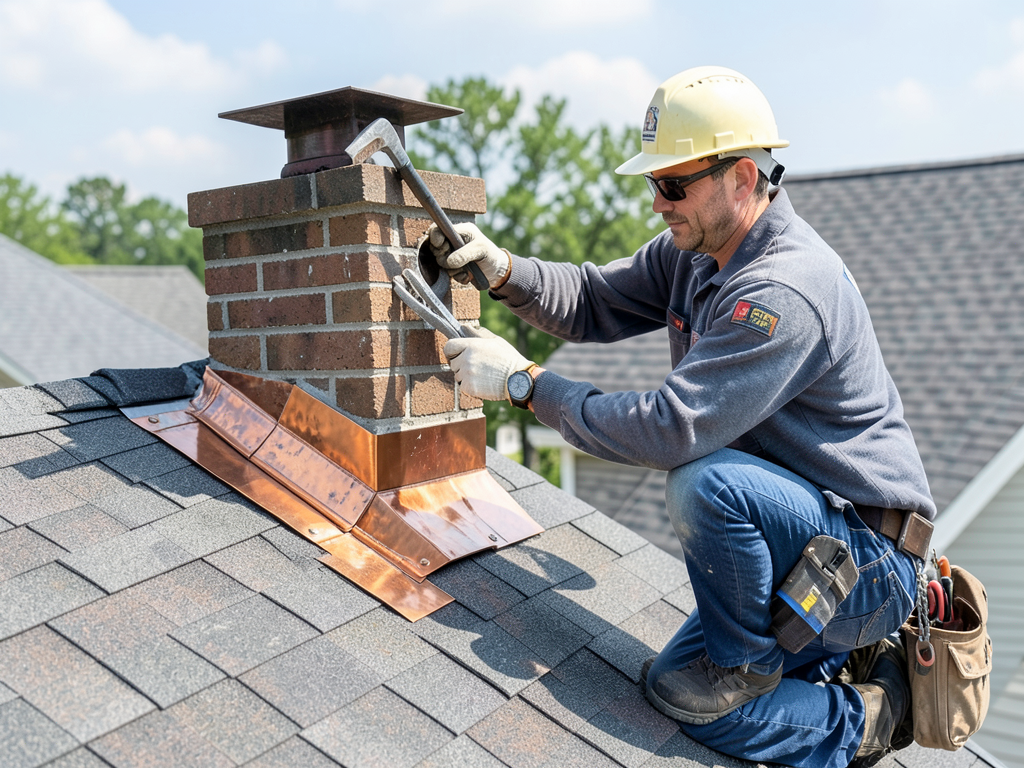
A roof cricket is a small, peaked structure installed on the high side of a chimney to divert water around it. Think of it as a miniature roof that creates a slope directing water away from the chimney base. The cricket forms a saddle shape that prevents water from collecting in the valley behind the chimney. Chimney Leak Emergency Repair.
According to National Roofing Contractors Association (NRCA) guidelines, chimneys wider than 30 inches require a cricket to prevent water pooling. This standard applies to most residential chimneys in Charlotte, where chimneys typically range from 24 to 48 inches wide. The cricket extends from the chimney base up the roof slope at least 1/3 of the chimney’s width. National Roofing Contractors Association guidelines.
Water follows the path of least resistance, and without a cricket, that path leads directly behind your chimney. The cricket creates an alternative route that channels water down both sides of the structure, preventing the dead valley where water would otherwise collect.
Signs Your Charlotte Home Needs Cricket Repair
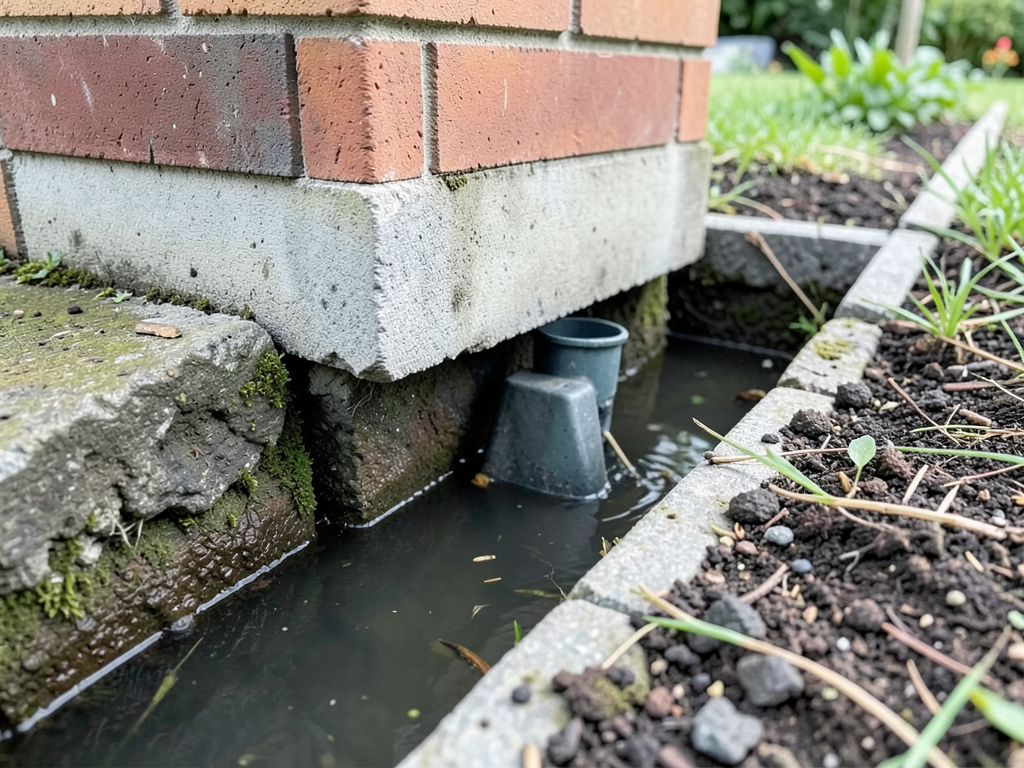
Recognizing chimney cricket problems early can save thousands in water damage repairs. Here are the warning signs specific to Charlotte’s climate and building patterns:
- Water stains on ceiling near chimney – Brown or yellow discoloration indicates water has penetrated through the roof deck and is now dripping inside your home.
- Rusted or missing flashing – Chimney flashing should be intact and properly sealed. Rust spots or gaps allow water to seep behind the flashing.
- Wood rot on roof deck – Press gently on the roof decking near the chimney. If it feels soft or spongy, moisture has compromised the wood structure.
- Attic mold growth – Check your attic ceiling near the chimney for black or green mold spots, which indicate persistent moisture problems.
- Leaking during heavy thunderstorms – If you notice leaks specifically during Charlotte’s intense summer storms, your chimney area lacks proper water diversion.
Charlotte’s clay soil expands when wet, which can shift foundations slightly and create gaps in chimney flashing over time. This makes regular inspection of chimney crickets especially important for homes in areas like Ballantyne and Matthews where expansive soils are common.
Our Local Repair Process
Fixing a chimney cricket requires precision and understanding of Charlotte’s specific roofing challenges. Here’s our proven process for chimney cricket installation and repair:
- Remove Existing Shingles
We carefully remove shingles around the chimney to expose the damaged area. This allows us to inspect the underlying wood deck for rot or damage that needs repair.
- Frame the Cricket Structure
We build a new cricket frame using pressure-treated lumber that matches your roof’s pitch. The frame extends from the chimney base up the slope at the proper angle for water diversion.
- Apply Ice and Water Shield
We install a waterproof ice and water shield membrane over the entire cricket area, extending up the chimney and onto the roof deck. This provides secondary protection against water infiltration.
- Install Step Flashing
We install new step flashing up the chimney sides, overlapping each piece to create a water-shedding pathway. Each step extends under the shingles above and over the shingles below.
- Counter-Flashing Installation
We cut into the chimney mortar joints and install counter-flashing that covers the step flashing. This creates a double-layer protection system that prevents water from entering the chimney structure.
- Shingle Replacement
We install new shingles over the cricket, matching your existing roof pattern and color. The shingles extend over the cricket’s peak, creating a seamless appearance.
- Seal and Test
We seal all joints with high-quality roofing sealant and test the system with water to ensure proper drainage before completing the job.
Cost of Chimney Cricket Repair in Charlotte
The cost of chimney cricket repair varies based on several factors specific to Charlotte homes. A basic cricket installation for a standard 36-inch chimney typically ranges from $1,200 to $2,500, while complex repairs involving structural damage can cost $3,000 to $5,000 or more.
Key cost factors include chimney width, roof pitch, existing damage extent, and material choices. Steeper roofs require more labor and safety equipment. Homes in historic districts like Myers Park may need special permits and materials to match existing architecture.
Insurance may cover cricket repairs if water damage is discovered during a claim for other roof damage. However, many policies consider crickets a maintenance issue, so preventive installation is often the most cost-effective approach.
Why Charlotte Weather Demands Proper Water Diversion
Charlotte receives an average of 43 inches of rainfall annually, with most falling during summer thunderstorms. These intense downpours can dump several inches of water in hours, creating conditions where water pooling becomes critical.
The Piedmont region’s clay soil doesn’t absorb water quickly, leading to rapid runoff that increases pressure on roof drainage systems. During hurricane season, Charlotte can experience tropical storm remnants that bring sustained heavy rain and wind, testing every aspect of your roof’s water management system.
Temperature fluctuations in Charlotte also affect cricket performance. Winter freezes can cause water trapped behind chimneys to expand, widening existing cracks. Summer heat causes roofing materials to expand and contract, potentially loosening flashing over time.
Local building codes in Mecklenburg County require proper water diversion for all roof penetrations, including chimneys wider than 30 inches. This code requirement reflects the region’s weather patterns and the importance of preventing water damage in our specific climate. Mecklenburg County building codes.
Choosing the Right Materials for Charlotte’s Climate
Material selection significantly impacts cricket longevity in Charlotte’s humid environment. Galvanized steel flashing offers good rust resistance but may not last as long as copper in our high-moisture conditions.
Copper flashing, while more expensive upfront at $15-25 per linear foot, provides superior longevity and develops a protective patina that resists corrosion. For homes near Lake Norman or other water bodies, copper’s resistance to salt air makes it an excellent choice.
The ice and water shield we use under crickets in Charlotte is typically a rubberized asphalt membrane that remains flexible in our temperature extremes. This flexibility is crucial because it maintains a watertight seal even as materials expand and contract with seasonal temperature changes.
For shingle-over crickets, architectural shingles with algae-resistant granules help prevent the black streaks common in Charlotte’s humid climate. These shingles contain copper or zinc particles that inhibit algae growth, keeping your roof looking better longer.
Maintenance Tips for Your Chimney Cricket
Regular maintenance extends your chimney cricket’s life and prevents costly repairs. Schedule inspections twice yearly—once in spring after pollen season and again in fall before winter weather arrives. Expert Roof Inspections for Waterfront Homes in Cornelius and Davidson.
During inspections, check for loose or missing shingles around the cricket, rusted flashing, and signs of water staining on interior walls near the chimney. Pay special attention after severe weather events, as Charlotte’s summer thunderstorms can loosen flashing or damage shingles.
Keep gutters clean and ensure downspouts direct water away from your foundation. Clogged gutters can cause water to back up under roof edges, increasing pressure on your chimney flashing and cricket system.
Trim tree branches that overhang your roof. Charlotte’s oak and pine trees drop leaves and needles that can accumulate behind chimneys, creating dams that hold water against your flashing even with a properly functioning cricket.
Frequently Asked Questions
How do I know if my chimney needs a cricket?
If your chimney is wider than 30 inches or you notice water pooling behind it during rain, you need a cricket. Signs include water stains on ceilings, rusted flashing, or mold growth near the chimney.
Can I install a cricket myself?
Cricket installation requires roofing experience and proper tools. Improper installation can cause more damage than no cricket at all. Professional installation ensures proper flashing integration and code compliance.
How long does a chimney cricket last?
A properly installed cricket with quality materials typically lasts 20-30 years. Copper flashing can last 50+ years, while galvanized steel may need replacement after 15-20 years in Charlotte’s humid climate.
Will my insurance cover cricket installation?
Insurance typically covers cricket repairs if water damage is discovered during a claim, but not preventive installation. Check your specific policy or ask your agent about coverage details.
What’s the difference between a cricket and a saddle?
These terms are interchangeable. Both refer to the peaked structure that diverts water around chimneys. Some roofers use “saddle” for larger crickets or those with different construction methods.
Protect Your Home from Water Damage
Water pooling behind your chimney is more than an inconvenience—it’s a threat to your home’s structural integrity. In Charlotte’s climate, where heavy rains and humidity create perfect conditions for water damage, a properly functioning chimney cricket is essential protection.
Don’t wait for water stains to appear on your ceiling or for wood rot to compromise your roof structure. A small investment in cricket inspection or repair now can prevent thousands in water damage repairs later.
Call (980) 352-5899 today to schedule your chimney cricket inspection. Our experienced technicians will evaluate your chimney’s water diversion system and recommend the right solution for your home. Whether you need a new cricket installation, flashing repair, or complete chimney rebuild, we have the expertise to protect your Charlotte home from water damage.
Pick up the phone and call (980) 352-5899 before the next storm hits. Water waits for no one, and neither should you when it comes to protecting your home.
Five Star Roofing Charlotte serves homeowners throughout the greater Charlotte metro area, including Matthews, Monroe, and surrounding communities. We understand the unique roofing challenges of our region and provide solutions that last. Why More Huntersville Homeowners Are Switching to Standing Seam Metal Roofs.
{
“@context”: “https://schema.org”,
“@type”: “BlogPosting”,
“headline”: “Why Water Pools Behind Your Chimney and How a Roof Cricket Fixes It”,
“description”: “Learn why chimney water pooling causes costly damage in Charlotte and how a properly installed roof cricket prevents leaks, rot, and structural issues.”,
“wordCount”: 1751,
“datePublished”: “2026-04-17T08:57:00.000Z”,
“dateModified”: “2026-04-17T08:57:00.000Z”,
“inLanguage”: “en-US”,
“mainEntityOfPage”: {
“@type”: “WebPage”,
“@id”: “https://fivestarroofingcharlotte.com”
},
“publisher”: {
“@type”: “LocalBusiness”,
“name”: “Five Star Roofing Charlotte”,
“url”: “https://fivestarroofingcharlotte.com”
},
“author”: {
“@type”: “Organization”,
“name”: “Five Star Roofing Charlotte”,
“url”: “https://fivestarroofingcharlotte.com”
},
“image”: {
“@type”: “ImageObject”,
“url”: “https://fivestarroofingcharlotte.com/wp-content/uploads/2026/03/why-water-pools-behind-your-chimney-and-how-a-roof-1.png”
}
}
{
“@context”: “https://schema.org”,
“@type”: “RoofingContractor”,
“name”: “Five Star Roofing Charlotte”,
“url”: “https://fivestarroofingcharlotte.com”,
“address”: {
“@type”: “PostalAddress”,
“addressLocality”: “Charlotte”
},
“areaServed”: {
“@type”: “City”,
“name”: “Charlotte”
}
}
{
“@context”: “https://schema.org”,
“@type”: “FAQPage”,
“mainEntity”: [
{
“@type”: “Question”,
“name”: “What is a Roof Chimney Cricket?”,
“acceptedAnswer”: {
“@type”: “Answer”,
“text”: “A roof cricket is a small, peaked structure installed on the high side of a chimney to divert water around it. Think of it as a miniature roof that creates a slope directing water away from the chimney base. The cricket forms a saddle shape that prevents water from collecting in the valley behind the chimney. Chimney Leak Emergency Repair.”
}
},
{
“@type”: “Question”,
“name”: “How do I know if my chimney needs a cricket?”,
“acceptedAnswer”: {
“@type”: “Answer”,
“text”: “If your chimney is wider than 30 inches or you notice water pooling behind it during rain, you need a cricket. Signs include water stains on ceilings, rusted flashing, or mold growth near the chimney.”
}
},
{
“@type”: “Question”,
“name”: “Can I install a cricket myself?”,
“acceptedAnswer”: {
“@type”: “Answer”,
“text”: “Cricket installation requires roofing experience and proper tools. Improper installation can cause more damage than no cricket at all. Professional installation ensures proper flashing integration and code compliance.”
}
},
{
“@type”: “Question”,
“name”: “How long does a chimney cricket last?”,
“acceptedAnswer”: {
“@type”: “Answer”,
“text”: “A properly installed cricket with quality materials typically lasts 20-30 years. Copper flashing can last 50+ years, while galvanized steel may need replacement after 15-20 years in Charlotte’s humid climate.”
}
},
{
“@type”: “Question”,
“name”: “Will my insurance cover cricket installation?”,
“acceptedAnswer”: {
“@type”: “Answer”,
“text”: “Insurance typically covers cricket repairs if water damage is discovered during a claim, but not preventive installation. Check your specific policy or ask your agent about coverage details.”
}
},
{
“@type”: “Question”,
“name”: “What’s the difference between a cricket and a saddle?”,
“acceptedAnswer”: {
“@type”: “Answer”,
“text”: “These terms are interchangeable. Both refer to the peaked structure that diverts water around chimneys. Some roofers use \”saddle\” for larger crickets or those with different construction methods.”
}
}
]
}
{
“@context”: “https://schema.org”,
“@type”: “HowTo”,
“name”: “How to Repair a Chimney Cricket”,
“step”: [
{
“@type”: “HowToStep”,
“position”: 1,
“name”: “Remove Existing Shingles”,
“text”: “We carefully remove shingles around the chimney to expose the damaged area. This allows us to inspect the underlying wood deck for rot or damage that needs repair.”
},
{
“@type”: “HowToStep”,
“position”: 2,
“name”: “Frame the Cricket Structure”,
“text”: “We build a new cricket frame using pressure-treated lumber that matches your roof’s pitch. The frame extends from the chimney base up the slope at the proper angle for water diversion.”
},
{
“@type”: “HowToStep”,
“position”: 3,
“name”: “Apply Ice and Water Shield”,
“text”: “We install a waterproof ice and water shield membrane over the entire cricket area, extending up the chimney and onto the roof deck. This provides secondary protection against water infiltration.”
},
{
“@type”: “HowToStep”,
“position”: 4,
“name”: “Install Step Flashing”,
“text”: “We install new step flashing up the chimney sides, overlapping each piece to create a water-shedding pathway. Each step extends under the shingles above and over the shingles below.”
},
{
“@type”: “HowToStep”,
“position”: 5,
“name”: “Counter-Flashing Installation”,
“text”: “We cut into the chimney mortar joints and install counter-flashing that covers the step flashing. This creates a double-layer protection system that prevents water from entering the chimney structure.”
},
{
“@type”: “HowToStep”,
“position”: 6,
“name”: “Shingle Replacement”,
“text”: “We install new shingles over the cricket, matching your existing roof pattern and color. The shingles extend over the cricket’s peak, creating a seamless appearance.”
},
{
“@type”: “HowToStep”,
“position”: 7,
“name”: “Seal and Test”,
“text”: “We seal all joints with high-quality roofing sealant and test the system with water to ensure proper drainage before completing the job.”
}
],
“image”: “https://fivestarroofingcharlotte.com/wp-content/uploads/2026/03/why-water-pools-behind-your-chimney-and-how-a-roof-1.png”
}
{
“@context”: “https://schema.org”,
“@type”: “BreadcrumbList”,
“itemListElement”: [
{
“@type”: “ListItem”,
“position”: 1,
“name”: “Home”,
“item”: “https://fivestarroofingcharlotte.com”
},
{
“@type”: “ListItem”,
“position”: 2,
“name”: “Blog”,
“item”: “https://fivestarroofingcharlotte.com/blog”
},
{
“@type”: “ListItem”,
“position”: 3,
“name”: “Why Water Pools Behind Your Chimney and How a Roof Cricket Fixes It”
}
]
}
{
“@context”: “https://schema.org”,
“@type”: “Service”,
“serviceType”: “Roofing”,
“provider”: {
“@type”: “LocalBusiness”,
“name”: “Five Star Roofing Charlotte”,
“url”: “https://fivestarroofingcharlotte.com”
},
“areaServed”: {
“@type”: “City”,
“name”: “Charlotte”
},
“description”: “Learn why chimney water pooling causes costly damage in Charlotte and how a properly installed roof cricket prevents leaks, rot, and structural issues.”
}