Common Roofing Flaws We See in Newer Construction Around Waverly and Weddington
If you live in a new home in Waverly or Weddington, you might think your roof is perfect. After all, it’s brand new. But we’ve inspected hundreds of roofs in these neighborhoods and found that many newer roofs have serious installation problems that can lead to leaks, energy loss, and costly repairs. These defects often appear within the first five years, right when you expect your home to be problem-free.
The rapid growth in South Charlotte has created a production building boom where speed often trumps quality. Many homes in Waverly’s mixed-use development and Weddington’s luxury subdivisions were built during peak construction periods when roofing crews were stretched thin. The result? Installation shortcuts that violate North Carolina building codes and manufacturer specifications. North Carolina Licensing Board for General Contractors.
Understanding these common flaws can help you spot problems early and protect your investment. Most builder warranties last only one year, so knowing what to look for before that deadline hits could save you thousands in repairs.
Why New Construction Roofs in Waverly and Weddington Fail
The Charlotte metro area has seen explosive growth over the past decade. Neighborhoods like Waverly, with its 300-acre mixed-use development, and Weddington’s upscale subdivisions have become magnets for new construction. This rapid expansion creates pressure on builders and subcontractors to complete homes quickly. Getting Your Charlotte Roof Repaired After a Hail Storm — A Local Guide to Insurance Claims.
Roofing crews working on multiple houses per day often cut corners to meet deadlines. They might skip important steps like proper underlayment installation or adequate attic ventilation. These shortcuts don’t show up immediately but manifest as problems within the first few years of homeownership. Why More Huntersville Homeowners Are Switching to Standing Seam Metal Roofs.
The North Carolina climate makes these installation errors even more problematic. Our hot, humid summers and occasional severe storms create conditions that expose poor workmanship quickly. A roof that might last 20 years in a mild climate could fail in 5-7 years if installed incorrectly in Charlotte’s weather conditions. North Carolina Department of Justice Consumer Protection.
Top 5 Roofing Defects We Find in New Homes
Based on our inspections in Waverly, Weddington, and surrounding areas, these are the five most common roofing problems we see in homes less than five years old: Expert Roof Inspections for Waterfront Homes in Cornelius and Davidson.
1. Improper Flashing Installation
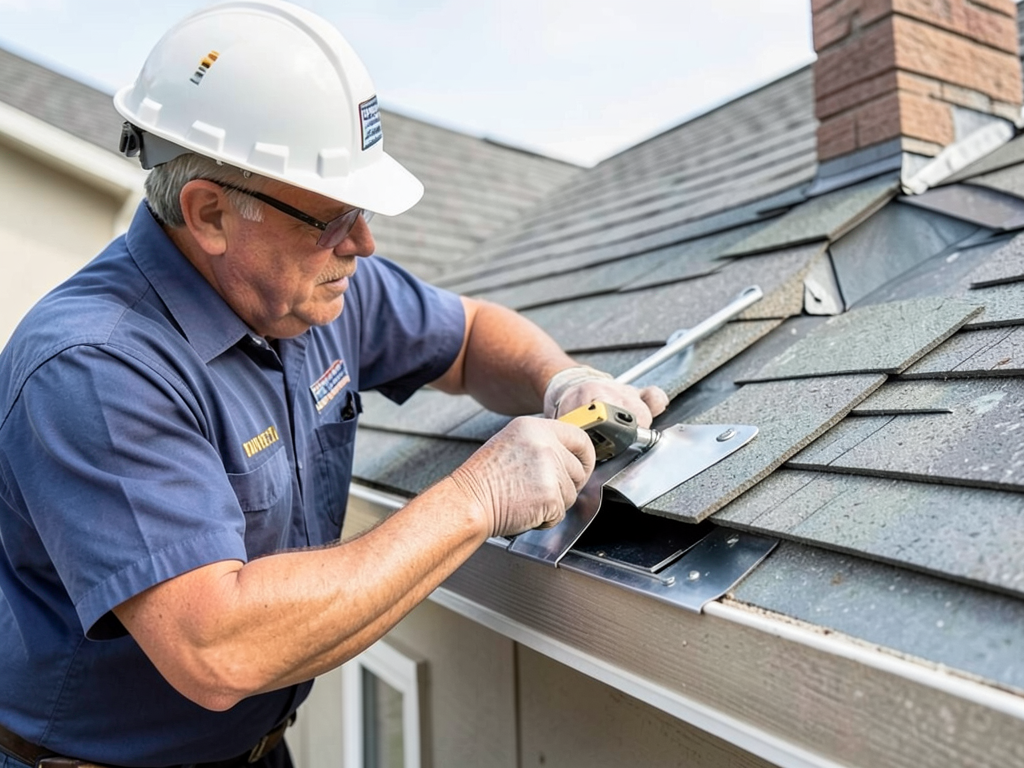
Flashing is the metal material that seals roof penetrations like chimneys, vents, and valleys. In new construction, we frequently find step flashing that’s either missing, incorrectly overlapped, or using the wrong gauge metal. Chimney Leak Emergency Repair.
Proper step flashing requires each piece to overlap the previous one in a shingle pattern, creating a water-shedding system. Many new homes have flashing that’s simply caulked in place or installed backward, creating direct paths for water intrusion.
In Waverly’s townhomes and Weddington’s custom builds, we often see chimney flashing that lacks a proper cricket (diverter) on the uphill side. Without this feature, water pools behind the chimney and eventually finds its way into the home.
2. High-Nailing and Improper Shingle Attachment
High-nailing occurs when roofing nails are placed above the designated nailing line on asphalt shingles. This seemingly minor error can void manufacturer warranties and cause shingles to fail prematurely. The Best Shingles to Withstand the Charlotte Summer Heat and Humidity.
We use a simple diagnostic test: we lift the bottom edge of a shingle and look for nail heads. If we see nails above the tar line or in the sealant strip, that’s high-nailing. This problem is especially common in production-built homes where crews work quickly.
High-nailed shingles are more likely to blow off during Charlotte’s summer thunderstorms and can create gaps that allow wind-driven rain to penetrate the underlayment.
3. Inadequate Attic Ventilation
North Carolina’s humid climate makes proper attic ventilation critical. Many new homes in Waverly and Weddington have ventilation systems that barely meet minimum code requirements, if they meet them at all.
Insufficient ventilation causes several problems. In summer, trapped heat can reach 150°F in the attic, cooking shingles from below and reducing their lifespan by years. In winter, poor ventilation leads to condensation that creates mold growth and wood rot.
We often find homes with ridge vents that don’t match the soffit ventilation, creating a system that moves little air. Some homes lack any ridge vent at all, relying solely on gable vents that provide minimal airflow.
4. Poor Drip Edge Installation
Drip edge is the metal flashing that directs water away from the fascia and into the gutters. It’s a small component that many builders treat as optional, but its absence can cause significant damage.
Without proper drip edge, water can wick back under the shingles and rot the fascia board. We frequently see new homes where the drip edge was installed but not extended far enough past the fascia, allowing water to drip behind the gutter.
In neighborhoods with mature trees like parts of Weddington, this problem is compounded. Water running down the fascia creates perfect conditions for algae growth and wood deterioration.
5. Missing Ice and Water Shield
Ice and water shield is a self-adhering waterproof membrane that protects the most vulnerable areas of your roof. North Carolina building codes require it in specific zones, but we often find it missing or improperly installed in new construction.
The shield should extend at least 24 inches past the interior wall in valleys and around all roof penetrations. Many new homes only have a narrow strip in the valley or none at all.
During Charlotte’s occasional winter storms, this deficiency becomes obvious. Ice dams form at the roof edge, forcing water under shingles and into the home. The damage often appears as ceiling stains in upper-floor bedrooms or bonus rooms.
How Charlotte’s Climate Accelerates Roofing Problems
The Piedmont region’s weather patterns create unique challenges for roofing systems. Our high humidity levels, typically 70-90% in summer, mean that any moisture trapped in a roof system has nowhere to go.
Charlotte experiences frequent afternoon thunderstorms during summer months. These storms often bring wind gusts of 30-50 mph that can lift poorly attached shingles. The temperature swings between day and night—sometimes 30°F or more—cause roofing materials to expand and contract, stressing any installation weaknesses.
Our occasional winter ice storms create another failure point. When ice forms in valleys or at roof edges, it expands and can separate flashing joints or push water under improperly installed underlayment.
Your Rights as a North Carolina Homeowner
Understanding your warranty coverage is crucial when dealing with new construction roofing problems. In North Carolina, builders are required to provide a one-year warranty on workmanship and materials. However, this coverage often has limitations and exclusions.
Manufacturer warranties on roofing materials typically last 20-30 years but require proper installation to be valid. If your roof wasn’t installed according to manufacturer specifications, you might have no coverage at all.
The North Carolina Residential Contractors License Board regulates builder warranties and can help if you’re having disputes with your builder. You have the right to request repairs for defects that appear within the warranty period, but you must document problems properly and make claims in writing.
Documenting Defects for a Successful Claim
If you suspect your new roof has problems, proper documentation is essential. Here’s a step-by-step process we recommend to homeowners in Waverly and Weddington:
- Initial Inspection
Schedule a professional roof inspection during daylight hours. Look for obvious signs like missing shingles, exposed nails, or sagging areas. Take date-stamped photos of any visible defects.
- Interior Check
Examine ceilings and walls in upper floors for water stains or discoloration. Use a flashlight to check attic spaces for moisture, mold, or daylight showing through roof boards.
- Detailed Documentation
Keep a log of when and where you notice problems. Note weather conditions before each observation. This timeline can be crucial for warranty claims.
- Professional Assessment
Have a licensed roofing contractor provide a written inspection report. This independent assessment carries more weight than homeowner observations.
- Builder Notification
Submit your findings to the builder in writing, citing specific North Carolina building code violations if applicable. Keep copies of all correspondence.
Production Roofing: The Hidden Cause of New Home Problems
Many of the defects we find in Waverly and Weddington stem from what the industry calls “production roofing.” This approach treats roofing as an assembly-line process rather than a skilled trade.
Production roofing crews might install 20-30 roofs per week using minimal supervision. Workers are often paid by the square (100 square feet) rather than hourly, creating incentive to rush through jobs. The result is predictable: missed steps, incorrect materials, and code violations.
We’ve seen cases where the same crew that installed framing also installed roofing, despite these being different licensed trades in North Carolina. This practice, while common in production building, violates state licensing requirements and often results in fundamental installation errors.
Before Your One-Year Warranty Expires
The one-year builder warranty deadline creates urgency for homeowners who suspect roofing problems. Here’s what you should do in the months leading up to your warranty expiration:
- Schedule a professional roof inspection at 11 months after closing
- Document any issues found, even minor ones
- Request a builder walkthrough to discuss findings
- Get all agreements in writing
- Follow up on any promised repairs before the deadline
Many homeowners in Waverly and Weddington don’t discover roofing problems until heavy rains or wind events occur months after moving in. By then, the one-year window may have closed, leaving you responsible for repairs that should have been covered.
Call (980) 352-5899 Today for Your New Construction Roof Inspection
Don’t wait for a leak to discover your new roof has problems. Our team specializes in identifying installation defects in newer homes throughout Waverly, Weddington, and the greater Charlotte area. We know exactly what to look for and can provide the documentation you need for warranty claims.
We offer comprehensive 21-point new construction roof audits that include detailed photos, moisture testing, and code compliance verification. Our inspectors have decades of experience spotting the exact problems that plague new homes in South Charlotte.
Pick up the phone and call (980) 352-5899 before the next storm hits. Whether you’re in the heart of Waverly or a custom home in Weddington, we’ll help you protect your investment and ensure your roof performs as it should for years to come.
Frequently Asked Questions
How can I tell if my new roof was installed correctly?
Look for signs like exposed nail heads above the tar line, missing drip edge, uneven shingle lines, or gaps in flashing. However, many defects require professional inspection to identify. A qualified roofer can check for high-nailing, proper underlayment installation, and adequate ventilation—issues that aren’t visible from the ground.
What should I do if I find problems before my warranty expires?
Document everything with photos and written descriptions. Contact your builder in writing to request repairs, citing specific building code violations if applicable. If the builder is unresponsive, you can file a complaint with the North Carolina Licensing Board for General Contractors. Consider hiring an independent inspector to provide a professional assessment.
Are roofing problems covered under my builder’s warranty?
Most builders provide a one-year warranty on workmanship and materials. However, coverage can be limited. Some builders exclude “normal weathering” or require you to prove the defect existed from day one. Manufacturer warranties on materials typically last much longer but require proper installation to be valid.
How much does a new construction roof inspection cost?
Professional roof inspections for new construction typically range from $200 to $400, depending on the home’s size and complexity. This cost is minimal compared to potential repair bills of $5,000 or more if problems go unaddressed. Many inspectors offer free initial assessments if you’re within your warranty period.
Can I upgrade my roof during the building process?
Yes, most builders allow roofing upgrades, though they may charge premium prices. Common upgrades include architectural shingles instead of 3-tab, enhanced underlayment systems, or additional ventilation. If you’re still in the building process, discuss these options with your builder before roofing installation begins.
{
“@context”: “https://schema.org”,
“@type”: “BlogPosting”,
“headline”: “Common Roofing Flaws We See in Newer Construction Around Waverly and Weddington”,
“description”: “Discover the most common roofing defects in new homes around Waverly and Weddington. Learn how to spot improper flashing, ventilation issues, and more before your warranty expires.”,
“wordCount”: 2027,
“datePublished”: “2026-04-04T15:16:00.000Z”,
“dateModified”: “2026-04-04T15:16:00.000Z”,
“inLanguage”: “en-US”,
“mainEntityOfPage”: {
“@type”: “WebPage”,
“@id”: “https://fivestarroofingcharlotte.com”
},
“publisher”: {
“@type”: “LocalBusiness”,
“name”: “Five Star Roofing Charlotte”,
“url”: “https://fivestarroofingcharlotte.com”
},
“author”: {
“@type”: “Organization”,
“name”: “Five Star Roofing Charlotte”,
“url”: “https://fivestarroofingcharlotte.com”
},
“image”: {
“@type”: “ImageObject”,
“url”: “https://fivestarroofingcharlotte.com/wp-content/uploads/2026/03/common-roofing-flaws-we-see-in-newer-construction-1.png”
}
}
{
“@context”: “https://schema.org”,
“@type”: “RoofingContractor”,
“name”: “Five Star Roofing Charlotte”,
“url”: “https://fivestarroofingcharlotte.com”,
“address”: {
“@type”: “PostalAddress”,
“addressLocality”: “Charlotte”
},
“areaServed”: {
“@type”: “City”,
“name”: “Charlotte”
}
}
{
“@context”: “https://schema.org”,
“@type”: “FAQPage”,
“mainEntity”: [
{
“@type”: “Question”,
“name”: “How can I tell if my new roof was installed correctly?”,
“acceptedAnswer”: {
“@type”: “Answer”,
“text”: “Look for signs like exposed nail heads above the tar line, missing drip edge, uneven shingle lines, or gaps in flashing. However, many defects require professional inspection to identify. A qualified roofer can check for high-nailing, proper underlayment installation, and adequate ventilation—issues that aren’t visible from the ground.”
}
},
{
“@type”: “Question”,
“name”: “What should I do if I find problems before my warranty expires?”,
“acceptedAnswer”: {
“@type”: “Answer”,
“text”: “Document everything with photos and written descriptions. Contact your builder in writing to request repairs, citing specific building code violations if applicable. If the builder is unresponsive, you can file a complaint with the North Carolina Licensing Board for General Contractors. Consider hiring an independent inspector to provide a professional assessment.”
}
},
{
“@type”: “Question”,
“name”: “Are roofing problems covered under my builder’s warranty?”,
“acceptedAnswer”: {
“@type”: “Answer”,
“text”: “Most builders provide a one-year warranty on workmanship and materials. However, coverage can be limited. Some builders exclude \”normal weathering\” or require you to prove the defect existed from day one. Manufacturer warranties on materials typically last much longer but require proper installation to be valid.”
}
},
{
“@type”: “Question”,
“name”: “How much does a new construction roof inspection cost?”,
“acceptedAnswer”: {
“@type”: “Answer”,
“text”: “Professional roof inspections for new construction typically range from $200 to $400, depending on the home’s size and complexity. This cost is minimal compared to potential repair bills of $5,000 or more if problems go unaddressed. Many inspectors offer free initial assessments if you’re within your warranty period.”
}
},
{
“@type”: “Question”,
“name”: “Can I upgrade my roof during the building process?”,
“acceptedAnswer”: {
“@type”: “Answer”,
“text”: “Yes, most builders allow roofing upgrades, though they may charge premium prices. Common upgrades include architectural shingles instead of 3-tab, enhanced underlayment systems, or additional ventilation. If you’re still in the building process, discuss these options with your builder before roofing installation begins.”
}
}
]
}
{
“@context”: “https://schema.org”,
“@type”: “HowTo”,
“name”: “How to Document Roofing Defects”,
“step”: [
{
“@type”: “HowToStep”,
“position”: 1,
“name”: “Initial Inspection”,
“text”: “Schedule a professional roof inspection during daylight hours. Look for obvious signs like missing shingles, exposed nails, or sagging areas. Take date-stamped photos of any visible defects.”
},
{
“@type”: “HowToStep”,
“position”: 2,
“name”: “Interior Check”,
“text”: “Examine ceilings and walls in upper floors for water stains or discoloration. Use a flashlight to check attic spaces for moisture, mold, or daylight showing through roof boards.”
},
{
“@type”: “HowToStep”,
“position”: 3,
“name”: “Detailed Documentation”,
“text”: “Keep a log of when and where you notice problems. Note weather conditions before each observation. This timeline can be crucial for warranty claims.”
},
{
“@type”: “HowToStep”,
“position”: 4,
“name”: “Professional Assessment”,
“text”: “Have a licensed roofing contractor provide a written inspection report. This independent assessment carries more weight than homeowner observations.”
},
{
“@type”: “HowToStep”,
“position”: 5,
“name”: “Builder Notification”,
“text”: “Submit your findings to the builder in writing, citing specific North Carolina building code violations if applicable. Keep copies of all correspondence.”
}
],
“image”: “https://fivestarroofingcharlotte.com/wp-content/uploads/2026/03/common-roofing-flaws-we-see-in-newer-construction-1.png”
}
{
“@context”: “https://schema.org”,
“@type”: “BreadcrumbList”,
“itemListElement”: [
{
“@type”: “ListItem”,
“position”: 1,
“name”: “Home”,
“item”: “https://fivestarroofingcharlotte.com”
},
{
“@type”: “ListItem”,
“position”: 2,
“name”: “Blog”,
“item”: “https://fivestarroofingcharlotte.com/blog”
},
{
“@type”: “ListItem”,
“position”: 3,
“name”: “Common Roofing Flaws We See in Newer Construction Around Waverly and Weddington”
}
]
}
{
“@context”: “https://schema.org”,
“@type”: “Service”,
“serviceType”: “Roofing”,
“provider”: {
“@type”: “LocalBusiness”,
“name”: “Five Star Roofing Charlotte”,
“url”: “https://fivestarroofingcharlotte.com”
},
“areaServed”: {
“@type”: “City”,
“name”: “Charlotte”
},
“description”: “Discover the most common roofing defects in new homes around Waverly and Weddington. Learn how to spot improper flashing, ventilation issues, and more before your warranty expires.”
}