
Why the Drip Edge Is the Most Important Part of Your Roof You Never Think About
Most Charlotte homeowners never think about the thin metal strip along their roof’s edge until it fails. The drip edge sits quietly at the perimeter of your roof doing one critical job: directing water away from your fascia boards and roof deck. When it works correctly, you never notice it. When it fails, water seeps into your soffits, rots your fascia, and creates the perfect environment for mold growth in our humid Piedmont climate. Why More Huntersville Homeowners Are Switching to Standing Seam Metal Roofs.
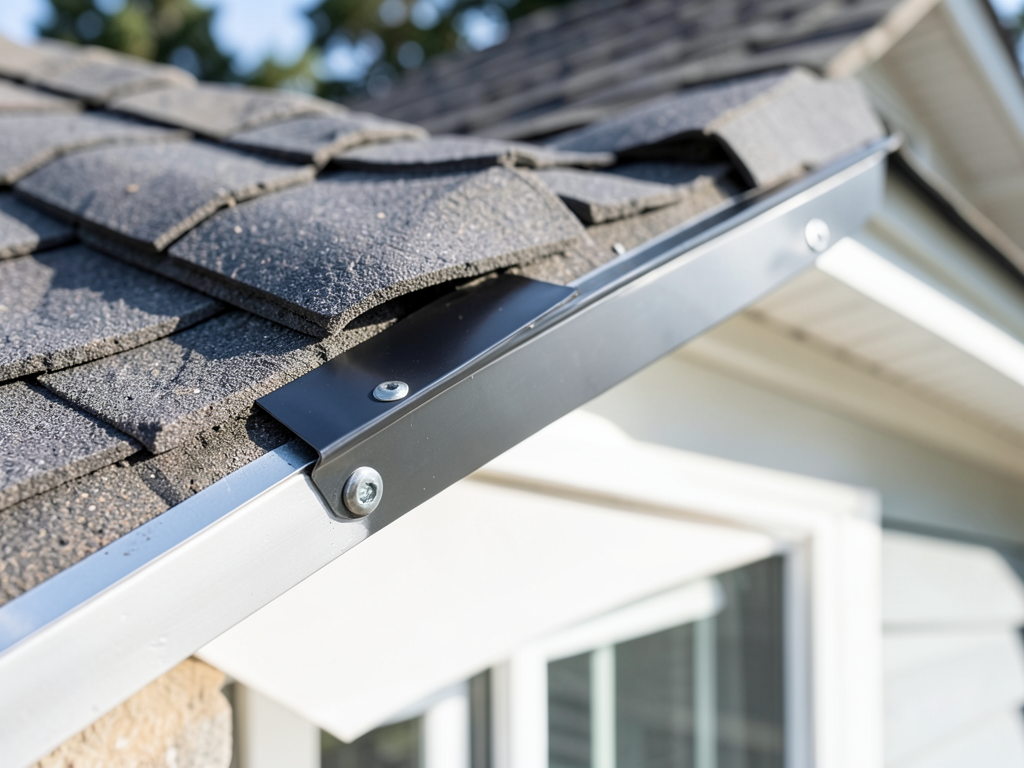
The drip edge is the unsung hero of roof protection. It’s a simple L-shaped piece of metal that extends your roof’s water-shedding ability beyond the fascia board. Without it, water clings to shingles through surface tension and wicks back under the roof edge during Charlotte’s heavy summer thunderstorms. That constant moisture exposure turns sturdy wood into soft, rotting material within a few seasons. The Best Shingles to Withstand the Charlotte Summer Heat and Humidity.
North Carolina building codes now require drip edge installation on all new roofs. The 2018 and 2021 updates to the North Carolina Residential Building Code Section R905.2.8.5 made this component mandatory because inspectors saw too many homes suffering from preventable water damage. If your roof was installed before these updates or if your contractor cut corners, you might be one heavy rain away from expensive repairs. North Carolina Residential Building Code Section R905.2.8.5.
Understanding what this component does helps you make better decisions when getting roof estimates. Some contractors skip it to offer lower prices, but the long-term costs of water damage far exceed the upfront savings. Your roof’s edge is where most wind-driven rain hits during our frequent Piedmont storms, making this protection essential rather than optional. Getting Your Charlotte Roof Repaired After a Hail Storm — A Local Guide to Insurance Claims.
How the Drip Edge Protects Your Charlotte Home
The drip edge serves multiple protective functions that work together to preserve your roof structure. First, it creates a physical barrier that prevents water from running directly onto your fascia board. Without this barrier, water sheets down the roof edge and saturates the wood, especially during Charlotte’s intense summer downpours that can drop several inches in an hour.
Second, the drip edge breaks the surface tension that causes water to cling to shingle edges. Water molecules naturally stick to surfaces through capillary action, allowing water to travel horizontally against gravity. The metal edge creates a sharp break that forces water to drip free rather than travel back under shingles where it can penetrate your roof deck.
Third, the drip edge supports the lower edge of your shingles, preventing them from sagging or breaking under their own weight. This support becomes critical during Charlotte’s occasional winter storms when ice and snow accumulation puts extra stress on roof edges. Properly installed drip edges keep shingles aligned and functioning as designed.
Fourth, the component helps prevent pest infiltration. The gap between your roof deck and fascia board creates an inviting pathway for wasps, bees, and even squirrels to enter your attic space. The drip edge closes this gap while still allowing proper ventilation through your soffits.
Finally, the drip edge improves gutter system performance. By directing water straight into gutters rather than letting it run down fascia boards, it reduces the amount of debris that collects along the roof edge and prevents the overflow that damages siding and foundation plantings.. Read more about Seamless Gutter Installation Experts Serving Belmont and Mount Holly.
North Carolina Building Code Requirements for Drip Edges
North Carolina Residential Building Code Section R905.2.8.5 specifically mandates drip edge installation on all roof assemblies. The code requires corrosion-resistant material with a minimum thickness of 0.019 inches for galvanized steel or 0.027 inches for aluminum. This specification ensures the component lasts as long as your roof system.
The code also dictates proper installation methods. Drip edges must extend at least 2 inches onto the roof deck and bend downward at a 90-degree angle. At the eaves, the edge must project beyond the fascia board by at least 1/4 inch to create the necessary water-shedding gap. These measurements aren’t arbitrary—they’re based on decades of observing what works in real weather conditions.
Mecklenburg County building inspectors check for proper drip edge installation during final roof inspections. If your contractor skips this component to save time or money, you could face inspection failures that delay your project and cost more in the long run. Some unscrupulous contractors remove existing drip edges during tear-off and don’t replace them, pocketing the savings while leaving your home vulnerable. Expert Roof Inspections for Waterfront Homes in Cornelius and Davidson.
The building code also addresses compatibility with ice and water shield installation. In areas prone to ice damming, which can occur during Charlotte’s occasional winter storms, the drip edge must be installed over the ice and water shield at the eaves and under it along the rakes. This specific sequencing prevents water from backing up under the edge during freeze-thaw cycles.
Insurance companies in North Carolina increasingly recognize code compliance as a factor in coverage decisions. If water damage occurs due to missing or improperly installed drip edges, your claim might be denied on the grounds that the roof wasn’t up to current building standards. This makes proper installation not just a code issue but a financial protection strategy.
D-Style vs. F-Style Drip Edges: What’s the Difference?
Roofers use two main drip edge profiles, each designed for specific applications. The D-style, also called the T-style, features a wide, flat top that extends farther onto the roof deck. This design provides better shingle support and is ideal for homes with steep roof pitches common in Charlotte’s older neighborhoods like Myers Park and Eastover.
The F-style drip edge has a narrower top and a longer, more pronounced bend that projects water farther away from the fascia. This profile excels in areas with heavy rainfall or where gutters might get clogged, as it throws water further from the house foundation. Many newer Charlotte developments use this style because it handles our intense summer thunderstorms more effectively.
Material choice matters as much as profile selection. Galvanized steel offers superior strength and impact resistance, making it ideal for homes in areas prone to wind-borne debris or hail. Aluminum provides excellent corrosion resistance and is lighter weight, which can be beneficial for older homes where the roof structure might not support heavier materials.
Copper drip edges represent the premium option, offering unmatched durability and developing a distinctive patina over time. While more expensive upfront, copper never rusts and can last the lifetime of multiple roof installations. Some high-end Charlotte homes in neighborhoods like SouthPark use copper edges as both a functional and aesthetic upgrade.
The color of your drip edge should complement your roof and home exterior. Most manufacturers offer standard colors like brown, black, and white to match common roofing materials. Some homeowners in Charlotte’s historic districts choose drip edges that blend with their brick or siding for a cohesive appearance that maintains neighborhood character.
Common Drip Edge Installation Mistakes
Even when contractors include drip edges in their proposals, installation quality varies dramatically. One of the most common mistakes is improper nailing. Nails should be placed every 12 inches along the edge, but many crews rush and space them 24 inches or more apart. This creates weak points where wind can lift the edge during storms.
Another frequent error is incorrect overlap between sections. Each piece should overlap the previous one by at least 2 inches to prevent water from seeping through gaps. Some crews overlap pieces only 1/2 inch or simply butt them together, creating direct pathways for water infiltration during heavy rain.
Failure to integrate with existing roof features causes problems too. Around chimneys, dormers, and roof valleys, the drip edge needs special treatment to maintain its protective function. Many contractors simply bend the edge around these features rather than using proper flashing techniques, creating collection points for water and debris. Chimney Leak Emergency Repair.
Using the wrong gauge material is another cost-cutting measure that backfires. Some suppliers provide thinner metal than code requires, which can bend or break under the weight of ice or impact from falling branches. In Charlotte’s mature neighborhoods with large oak trees, this weakness becomes apparent within the first winter.
The most serious mistake is omitting the drip edge entirely. Some contractors quote prices that seem too good to be true because they leave out required components. They count on homeowners not knowing what should be included, then install the roof without this critical protection. By the time water damage appears, the warranty period has often expired.
The Cost of Skipping Drip Edge Protection
Replacing rotted fascia boards costs significantly more than installing proper drip edge protection. In Charlotte, fascia replacement typically runs $15-25 per linear foot, while drip edge installation adds only $1-3 per linear foot to your roof project. That means you could replace your entire fascia system twice for less than the cost of one water damage repair. EPA moisture control guidelines.
Water damage from missing drip edges often extends beyond fascia boards. When water penetrates your roof edge, it can damage roof decking, insulation, and even interior walls. These repairs compound quickly, with a small roof edge problem turning into a $5,000-10,000 renovation project that could have been prevented for a few hundred dollars.
Insurance implications add another layer of cost. If your insurance adjuster determines that missing code-required components contributed to your damage, they might deny the claim or reduce the payout. Some Charlotte homeowners have discovered too late that their carrier considers missing drip edges a maintenance issue rather than a covered peril.
Energy efficiency suffers when water damage compromises your roof structure. Wet insulation loses its R-value, forcing your HVAC system to work harder during Charlotte’s hot summers and occasional cold snaps. This increased energy consumption adds to your monthly utility bills while making your home less comfortable.
Property value takes a hit when inspection reports reveal substandard roofing components. If you plan to sell your Charlotte home, missing drip edges will appear on any professional inspection. Buyers or their lenders might demand repairs before closing, or they might use the deficiency to negotiate a lower price that exceeds the actual repair cost.
DIY Inspection: How to Check Your Drip Edge
You can inspect your roof’s drip edge from the ground using binoculars or from a ladder with proper safety equipment. Look for signs of damage like bent or missing sections, especially after severe weather. Charlotte’s summer thunderstorms can bend lightweight aluminum edges, while winter ice can crack or separate joints.
Check for proper overhang by examining where your shingles meet the fascia. The shingles should extend about 1/2 inch beyond the drip edge, which should extend 1/4 inch beyond the fascia. If you see shingles hanging directly over fascia boards, your drip edge is either missing or improperly installed.
Examine the color and condition of your fascia boards near the roof edge. Dark staining, peeling paint, or soft spots indicate water infiltration that a properly functioning drip edge would prevent. These signs often appear before major structural damage occurs, giving you time to address the issue.
Look for gaps where the drip edge meets roof penetrations like chimneys or vent pipes. These transition points need special flashing, and gaps here allow water to bypass the edge protection entirely. Even small openings can let significant water in during Charlotte’s heavy downpours.
Check your attic near the roof edges for signs of moisture or daylight penetration. If you see sunlight coming through the roof edge or notice damp insulation, your drip edge system has failed somewhere. This inspection requires attic access but can reveal problems before they cause visible exterior damage.
When to Replace Your Drip Edge
Drip edges typically last as long as your roof, but certain conditions warrant earlier replacement. If you’re getting a new roof but your existing drip edge is in good condition, some contractors will reuse it to save money. However, if the edge shows any signs of corrosion, bending, or improper installation, replacement ensures your new roof has proper protection from day one.
Storm damage often necessitates drip edge replacement. Charlotte’s occasional hailstorms can dent or crack aluminum edges, while high winds can bend or tear sections away from the roof. Even if your shingles survived a storm, the edge protection might be compromised and need attention.
Roof additions or modifications create opportunities for drip edge upgrades. If you’re adding a dormer, extending your roof, or changing its pitch, the new sections need proper edge protection that matches or exceeds the existing installation. This ensures consistent protection across your entire roof system.
Visible deterioration of fascia boards often indicates drip edge failure. If you notice rotting wood along your roof edge, the underlying water protection has already failed. Replacing just the fascia without addressing the drip edge problem means you’ll repeat the repair in a few years when the new wood suffers the same fate.
Building code updates might require drip edge replacement even if your existing edge appears functional. If your roof is more than 10 years old, current standards for material thickness, installation methods, and integration with ice and water shield have likely changed. Upgrading to current standards improves both protection and insurance compliance.
Choosing the Right Contractor for Drip Edge Installation
Not all roofing contractors approach drip edge installation with the same level of care and expertise. Ask potential contractors about their specific experience with drip edge installation in Charlotte’s climate. A qualified contractor should discuss local weather patterns, building code requirements, and material selection options without prompting.
Request to see examples of their previous work, specifically close-up photos of roof edges they’ve installed. Look for clean, consistent installation with proper overlaps and secure fastening. Be wary of contractors who show only wide-angle roof photos that don’t reveal edge details or who hesitate to provide specific installation information.
Verify that your contractor pulls the necessary permits for your roofing project. Mecklenburg County requires permits for roof replacements, and part of the inspection process verifies proper drip edge installation. Contractors who suggest skipping permits often cut corners in other areas too, including essential protective components.
Ask about their material sourcing practices. Reputable contractors use materials from established suppliers who provide documentation about product specifications and code compliance. Be cautious of unusually low bids that might indicate the use of substandard or undersized materials that won’t provide adequate protection.
Check references specifically for drip edge-related issues. Ask previous customers if they’ve experienced any water infiltration around roof edges since their installation. A contractor with multiple reports of edge-related problems likely has systemic quality issues that will affect your project too.
Frequently Asked Questions
Is drip edge really necessary for my roof?
Yes. North Carolina building codes require drip edge installation, and it provides essential protection against water damage. Without it, water can seep under your roof edge and cause expensive fascia rot and structural damage.
How much does drip edge installation add to my roof cost?
Drip edge installation typically adds $1-3 per linear foot to your roof project. For an average home, this amounts to a few hundred dollars that prevents thousands in potential water damage repairs.
Can I install drip edge myself?
While possible, proper drip edge installation requires specific tools, knowledge of building codes, and experience with roofing systems. Improper installation can void warranties and create water infiltration points that cause more damage than having no edge at all.
How long does drip edge last?
Quality drip edge materials should last 20-30 years or the lifetime of your roof. Aluminum and galvanized steel resist corrosion, while copper can last even longer. Environmental factors like salt air or heavy pollution can reduce lifespan.
What happens if my drip edge is damaged?
Damaged drip edge should be repaired promptly to prevent water infiltration. Small bends can often be straightened, but cracked or separated sections need replacement. Delaying repairs allows water to penetrate your roof structure, leading to more extensive damage.
Protect Your Home with Proper Roof Edge Protection
The drip edge might be the most overlooked component of your roofing system, but it’s also one of the most important. This simple metal strip works continuously to protect your home from Charlotte’s challenging weather conditions, including our intense summer thunderstorms, occasional winter ice, and year-round humidity.
When you’re getting roof estimates, don’t just compare bottom-line prices. Ask each contractor about their drip edge installation practices, the materials they use, and how they ensure code compliance. The few hundred dollars you might save by choosing a contractor who cuts corners on this component can cost you thousands in water damage repairs within a few years.
Your roof represents a significant investment in your home’s protection and value. Every component matters, but the drip edge serves as your first line of defense against water infiltration. Don’t let this critical protection be the place where your contractor cuts corners to win your business.
Ready to ensure your Charlotte home has proper roof edge protection? Call (980) 352-5899 today to schedule a professional inspection. Our experienced team will evaluate your current drip edge installation and recommend any necessary upgrades to protect your home from water damage. Don’t wait until you see signs of trouble—preventative protection costs far less than emergency repairs.
Pick up the phone and call (980) 352-5899 before the next Charlotte storm hits. We’ll make sure your roof’s most important component is doing its job protecting your home.
{
“@context”: “https://schema.org”,
“@type”: “BlogPosting”,
“headline”: “Why the Drip Edge Is the Most Important Part of Your Roof You Never Think About”,
“description”: “Discover why the drip edge protects Charlotte homes from rot and storm damage. Learn NC building code requirements and why cutting corners costs more.”,
“wordCount”: 2933,
“datePublished”: “2026-04-09T08:18:00.000Z”,
“dateModified”: “2026-04-09T08:18:00.000Z”,
“inLanguage”: “en-US”,
“mainEntityOfPage”: {
“@type”: “WebPage”,
“@id”: “https://fivestarroofingcharlotte.com”
},
“publisher”: {
“@type”: “LocalBusiness”,
“name”: “Five Star Roofing Charlotte”,
“url”: “https://fivestarroofingcharlotte.com”
},
“author”: {
“@type”: “Organization”,
“name”: “Five Star Roofing Charlotte”,
“url”: “https://fivestarroofingcharlotte.com”
},
“image”: {
“@type”: “ImageObject”,
“url”: “https://fivestarroofingcharlotte.com/wp-content/uploads/2026/03/why-the-drip-edge-is-the-most-important-part-of-yo-1.png”
}
}
{
“@context”: “https://schema.org”,
“@type”: “RoofingContractor”,
“name”: “Five Star Roofing Charlotte”,
“url”: “https://fivestarroofingcharlotte.com”,
“address”: {
“@type”: “PostalAddress”,
“addressLocality”: “Charlotte”
},
“areaServed”: {
“@type”: “City”,
“name”: “Charlotte”
}
}
{
“@context”: “https://schema.org”,
“@type”: “FAQPage”,
“mainEntity”: [
{
“@type”: “Question”,
“name”: “D-Style vs. F-Style Drip Edges: What’s the Difference?”,
“acceptedAnswer”: {
“@type”: “Answer”,
“text”: “Roofers use two main drip edge profiles, each designed for specific applications. The D-style, also called the T-style, features a wide, flat top that extends farther onto the roof deck. This design provides better shingle support and is ideal for homes with steep roof pitches common in Charlotte’s older neighborhoods like Myers Park and Eastover.”
}
},
{
“@type”: “Question”,
“name”: “Is drip edge really necessary for my roof?”,
“acceptedAnswer”: {
“@type”: “Answer”,
“text”: “Yes. North Carolina building codes require drip edge installation, and it provides essential protection against water damage. Without it, water can seep under your roof edge and cause expensive fascia rot and structural damage.”
}
},
{
“@type”: “Question”,
“name”: “How much does drip edge installation add to my roof cost?”,
“acceptedAnswer”: {
“@type”: “Answer”,
“text”: “Drip edge installation typically adds $1-3 per linear foot to your roof project. For an average home, this amounts to a few hundred dollars that prevents thousands in potential water damage repairs.”
}
},
{
“@type”: “Question”,
“name”: “Can I install drip edge myself?”,
“acceptedAnswer”: {
“@type”: “Answer”,
“text”: “While possible, proper drip edge installation requires specific tools, knowledge of building codes, and experience with roofing systems. Improper installation can void warranties and create water infiltration points that cause more damage than having no edge at all.”
}
},
{
“@type”: “Question”,
“name”: “How long does drip edge last?”,
“acceptedAnswer”: {
“@type”: “Answer”,
“text”: “Quality drip edge materials should last 20-30 years or the lifetime of your roof. Aluminum and galvanized steel resist corrosion, while copper can last even longer. Environmental factors like salt air or heavy pollution can reduce lifespan.”
}
},
{
“@type”: “Question”,
“name”: “What happens if my drip edge is damaged?”,
“acceptedAnswer”: {
“@type”: “Answer”,
“text”: “Damaged drip edge should be repaired promptly to prevent water infiltration. Small bends can often be straightened, but cracked or separated sections need replacement. Delaying repairs allows water to penetrate your roof structure, leading to more extensive damage.”
}
}
]
}
{
“@context”: “https://schema.org”,
“@type”: “BreadcrumbList”,
“itemListElement”: [
{
“@type”: “ListItem”,
“position”: 1,
“name”: “Home”,
“item”: “https://fivestarroofingcharlotte.com”
},
{
“@type”: “ListItem”,
“position”: 2,
“name”: “Blog”,
“item”: “https://fivestarroofingcharlotte.com/blog”
},
{
“@type”: “ListItem”,
“position”: 3,
“name”: “Why the Drip Edge Is the Most Important Part of Your Roof You Never Think About”
}
]
}
{
“@context”: “https://schema.org”,
“@type”: “Service”,
“serviceType”: “Roofing”,
“provider”: {
“@type”: “LocalBusiness”,
“name”: “Five Star Roofing Charlotte”,
“url”: “https://fivestarroofingcharlotte.com”
},
“areaServed”: {
“@type”: “City”,
“name”: “Charlotte”
},
“description”: “Discover why the drip edge protects Charlotte homes from rot and storm damage. Learn NC building code requirements and why cutting corners costs more.”
}