Your roof’s pitch is one of the biggest factors that determines your replacement costs in Charlotte. The steeper your roof, the more labor, safety equipment, and material waste you will face. A 12:12 pitch roof requires specialized scaffolding and fall protection gear that a 4:12 roof does not need. This article explains the technical reasons behind price differences so you can budget accurately before getting quotes. Specialized Slate and Tile Roofing Services for Historic Homes in Myers Park.
What is Roof Pitch? (The 12-Inch Rule)
Roof pitch measures the steepness of your roof as a ratio of vertical rise to horizontal run. A 6:12 pitch means the roof rises six inches for every twelve inches of horizontal distance. This simple ratio determines whether workers can walk safely on your roof or need harnesses and scaffolding. In Charlotte’s humid climate, steeper pitches shed water faster but create more wind resistance during storms. Getting Your Charlotte Roof Repaired After a Hail Storm — A Local Guide to Insurance Claims.
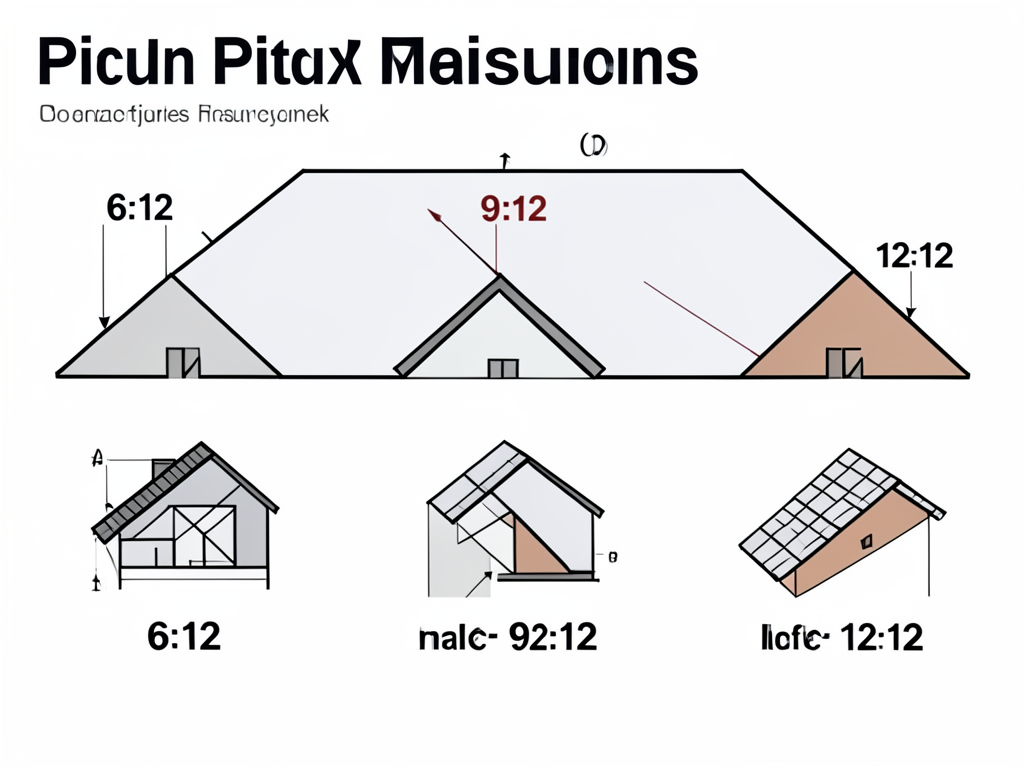
Diagram showing rise over run measurements with 6:12, 9:12, and 12:12 pitch examples labeled clearly.
How Roof Pitch Directly Impacts Your Estimate
Labor Intensity and Safety Gear (The ‘Walkability’ Factor)
Roofs up to 6:12 pitch are considered walkable by most roofing crews. Workers can move freely without fall protection, keeping labor costs lower. Once pitch exceeds 7:12, OSHA fall protection standards require harnesses, guardrails, or scaffolding. This equipment adds $500 to $2,000 to your project depending on roof complexity. Steep pitches also slow installation to about half the speed of walkable roofs, doubling labor hours.. Read more about Industrial TPO Roofing Solutions for Commercial Properties in North Charlotte.
Material Waste and Surface Area Calculations
A steep roof has more surface area than its footprint suggests. A 10:12 pitch roof covers about 20% more area than a 4:12 roof of the same footprint. This means you need 20% more shingles, underlayment, and nails. Steep slopes also create more waste when cutting shingles to fit valleys and hips. Waste factors jump from 10% on walkable roofs to 20-30% on steep slopes. The Best Shingles to Withstand the Charlotte Summer Heat and Humidity.
Underlayment Requirements for Low vs. High Slopes
Mecklenburg County building codes require different underlayment types based on pitch. Low-slope roofs under 2:12 need self-adhering membranes throughout, while steeper roofs only need ice and water shield in valleys and eaves. A 2:12 roof might need $1,000 in premium underlayment versus $300 for a standard 6:12 roof. This material difference alone can swing your estimate by several hundred dollars. Mecklenburg County Building Codes.
The Price Tipping Point: Walkable vs. Non-Walkable Roofs
The 7:12 pitch mark represents a significant cost jump in Charlotte roofing. At this angle, crews must switch from standard walking methods to rope and harness systems. Insurance companies also charge higher liability premiums for steep-slope work, which contractors pass to homeowners. A typical 2,000 square foot roof at 6:12 might cost $8,000 while the same roof at 8:12 could cost $12,000 or more. Why More Huntersville Homeowners Are Switching to Standing Seam Metal Roofs.
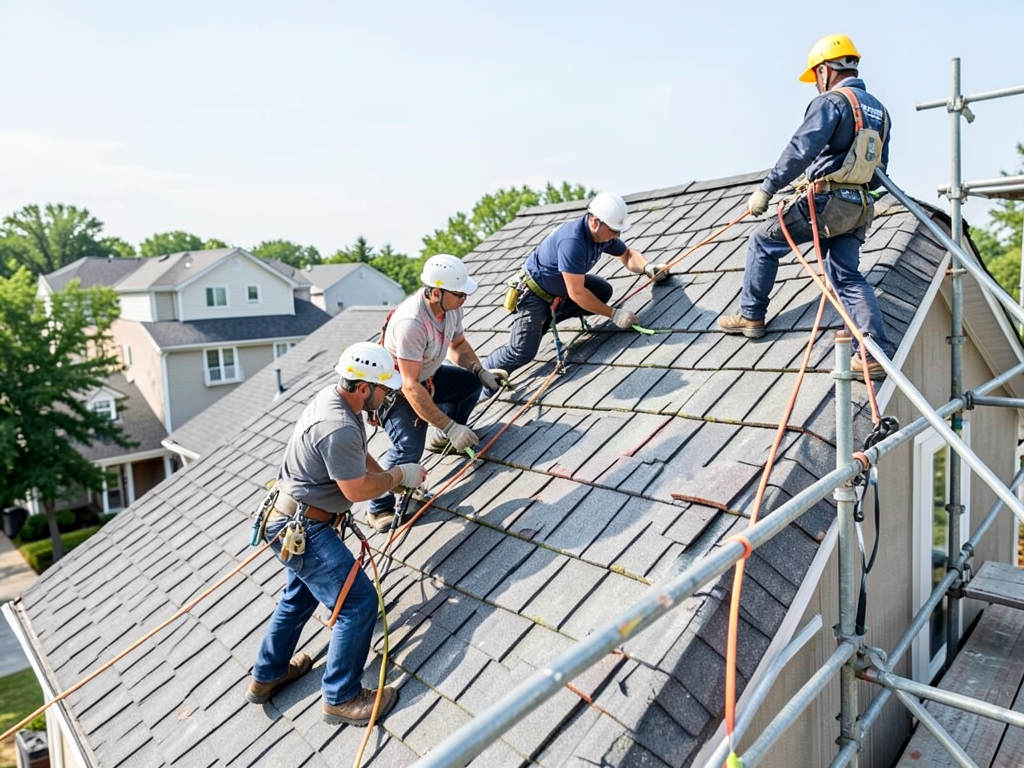
Photo showing roofing crew installing safety harnesses on a steep roof with scaffolding visible in background.
Average Cost Per Square by Pitch in Charlotte
| Pitch Range | Labor Cost per Square | Material Cost per Square | Total Cost per Square |
|---|---|---|---|
| Flat/Low Slope (0:12 – 2:12) | $80 – $120 | $100 – $150 | $180 – $270 |
| Standard Pitch (4:12 – 6:12) | $120 – $180 | $100 – $150 | $220 – $330 |
| Steep Slope (7:12 – 12:12+) | $200 – $300 | $100 – $150 | $300 – $450 |
These Charlotte-specific rates reflect local labor costs and permit fees. Steep-slope work requires specialized crews who charge premium rates for the increased risk and slower installation speed.
Material Choices by Roof Pitch
Roof pitch determines which materials work effectively. Low-slope roofs under 2:12 cannot use standard asphalt shingles because water pools and seeps under the tabs. These roofs need rolled roofing, modified bitumen, or single-ply membranes like TPO or EPDM. Charlotte’s afternoon thunderstorms test these materials heavily, making proper installation critical.. Read more about Can You Actually Lay New Shingles Over an Existing Roof in Gastonia or Rock Hill?.
Standard pitches from 4:12 to 9:12 work with most materials including asphalt shingles, metal panels, and synthetic slate. The 4:12 minimum pitch is the standard threshold for shingle manufacturers’ warranties. Higher pitches above 9:12 can use any material but require extra fastening and wind mitigation measures.. Read more about Why Synthetic Slate Is Becoming the Go-To Choice for Historic Restoration in Wilmore and Oakhurst.
Steep pitches above 12:12 create installation challenges for heavy materials. Concrete tiles and some metal profiles become difficult to secure at extreme angles. Many Charlotte homeowners with very steep roofs choose lightweight architectural shingles or standing seam metal for durability and ease of installation.
Charlotte Climate Considerations
Charlotte’s climate creates unique challenges for different roof pitches. Our summer thunderstorms bring 60+ mph winds that test steep roofs’ wind resistance. Low-slope roofs face algae growth from high humidity, requiring algae-resistant shingles or regular cleaning. Winter ice storms can create ice dams on roofs with poor ventilation, regardless of pitch. Roof Cleaning & Maintenance.
The Piedmont region’s clay soil expands and contracts with moisture changes, potentially shifting roof structures over time. Steeper roofs handle this movement better than low-slope systems, which may develop ponding water after soil movement. Proper pitch helps prevent these moisture-related failures.
Photo of algae growth on a north-facing low-slope roof section in a shaded Charlotte neighborhood.
Building Permits and Code Requirements
Mecklenburg County requires building permits for roof replacements regardless of pitch. Steep-slope work must comply with North Carolina Residential Code Chapter 9, which includes specific wind uplift requirements based on your home’s location and height. Homes in wind-borne debris regions need enhanced fastening for slopes over 7:12.
Low-slope installations must meet International Building Code requirements for roof slope and drainage. The code mandates minimum 1/4:12 pitch for built-up roofing and 1/2:12 for shingles on low-slope applications. These requirements protect against water infiltration and structural damage. National Roofing Contractors Association.
FAQs: Charlotte Homeowners’ Common Questions
How much more does a steep roof cost compared to a standard pitch?
A steep roof typically costs 40-70% more than a standard pitch roof of the same footprint. The exact difference depends on your specific pitch angle and roof complexity.
Can I change my roof pitch during replacement?
Changing roof pitch requires structural modifications to your home’s framing and permits. This major renovation typically costs $15,000 to $30,000 above standard replacement costs.
What pitch is best for Charlotte’s weather?
Pitches between 6:12 and 9:12 offer the best balance for Charlotte. They shed water effectively during storms while remaining cost-effective to install and maintain.
Do steeper roofs last longer?
Steeper roofs often last longer because they shed water and debris more effectively. However, installation quality and material choice matter more than pitch for longevity.
Should I worry about wind damage on steep roofs?
Steep roofs actually perform better in high winds because they allow wind to flow over rather than under the roofing materials. Proper fastening is still essential.
Call (980) 352-5899 Today to Schedule Your Inspection
Understanding your roof’s pitch helps you budget accurately for replacement. Call (980) 352-5899 today to schedule a free inspection where we will measure your pitch, assess your specific needs, and provide a detailed written estimate. Don’t wait until leaks appear. Pick up the phone and call (980) 352-5899 before the next Charlotte storm hits.
You may also find this helpful. Comparing GAF and Owens Corning Shingles for Your Charlotte Home Replacement.
{
“@context”: “https://schema.org”,
“@type”: “BlogPosting”,
“headline”: “How the Pitch of Your Roof Affects Your Replacement Costs and Material Choices”,
“description”: “Learn how roof pitch impacts replacement costs in Charlotte. Discover why steep slopes cost more and which materials work best for your home’s specific angle.”,
“wordCount”: 1200,
“datePublished”: “2026-04-07T07:05:00.000Z”,
“dateModified”: “2026-04-07T07:05:00.000Z”,
“inLanguage”: “en-US”,
“mainEntityOfPage”: {
“@type”: “WebPage”,
“@id”: “https://fivestarroofingcharlotte.com”
},
“publisher”: {
“@type”: “LocalBusiness”,
“name”: “Five Star Roofing Charlotte”,
“url”: “https://fivestarroofingcharlotte.com”
},
“author”: {
“@type”: “Organization”,
“name”: “Five Star Roofing Charlotte”,
“url”: “https://fivestarroofingcharlotte.com”
},
“image”: {
“@type”: “ImageObject”,
“url”: “https://fivestarroofingcharlotte.com/wp-content/uploads/2026/03/how-the-pitch-of-your-roof-affects-your-replacemen-1.png”
}
}
{
“@context”: “https://schema.org”,
“@type”: “RoofingContractor”,
“name”: “Five Star Roofing Charlotte”,
“url”: “https://fivestarroofingcharlotte.com”,
“address”: {
“@type”: “PostalAddress”,
“addressLocality”: “Charlotte”
},
“areaServed”: {
“@type”: “City”,
“name”: “Charlotte”
}
}
{
“@context”: “https://schema.org”,
“@type”: “FAQPage”,
“mainEntity”: [
{
“@type”: “Question”,
“name”: “How much more does a steep roof cost compared to a standard pitch?”,
“acceptedAnswer”: {
“@type”: “Answer”,
“text”: “A steep roof typically costs 40-70% more than a standard pitch roof of the same footprint. The exact difference depends on your specific pitch angle and roof complexity.”
}
},
{
“@type”: “Question”,
“name”: “Can I change my roof pitch during replacement?”,
“acceptedAnswer”: {
“@type”: “Answer”,
“text”: “Changing roof pitch requires structural modifications to your home’s framing and permits. This major renovation typically costs $15,000 to $30,000 above standard replacement costs.”
}
},
{
“@type”: “Question”,
“name”: “What pitch is best for Charlotte’s weather?”,
“acceptedAnswer”: {
“@type”: “Answer”,
“text”: “Pitches between 6:12 and 9:12 offer the best balance for Charlotte. They shed water effectively during storms while remaining cost-effective to install and maintain.”
}
},
{
“@type”: “Question”,
“name”: “Do steeper roofs last longer?”,
“acceptedAnswer”: {
“@type”: “Answer”,
“text”: “Steeper roofs often last longer because they shed water and debris more effectively. However, installation quality and material choice matter more than pitch for longevity.”
}
},
{
“@type”: “Question”,
“name”: “Should I worry about wind damage on steep roofs?”,
“acceptedAnswer”: {
“@type”: “Answer”,
“text”: “Steep roofs actually perform better in high winds because they allow wind to flow over rather than under the roofing materials. Proper fastening is still essential.”
}
}
]
}
{
“@context”: “https://schema.org”,
“@type”: “BreadcrumbList”,
“itemListElement”: [
{
“@type”: “ListItem”,
“position”: 1,
“name”: “Home”,
“item”: “https://fivestarroofingcharlotte.com”
},
{
“@type”: “ListItem”,
“position”: 2,
“name”: “Blog”,
“item”: “https://fivestarroofingcharlotte.com/blog”
},
{
“@type”: “ListItem”,
“position”: 3,
“name”: “How the Pitch of Your Roof Affects Your Replacement Costs and Material Choices”
}
]
}
{
“@context”: “https://schema.org”,
“@type”: “Service”,
“serviceType”: “Roofing”,
“provider”: {
“@type”: “LocalBusiness”,
“name”: “Five Star Roofing Charlotte”,
“url”: “https://fivestarroofingcharlotte.com”
},
“areaServed”: {
“@type”: “City”,
“name”: “Charlotte”
},
“description”: “Learn how roof pitch impacts replacement costs in Charlotte. Discover why steep slopes cost more and which materials work best for your home’s specific angle.”
}