Why Your Shingles Look Like They Are Poking Up from Underneath
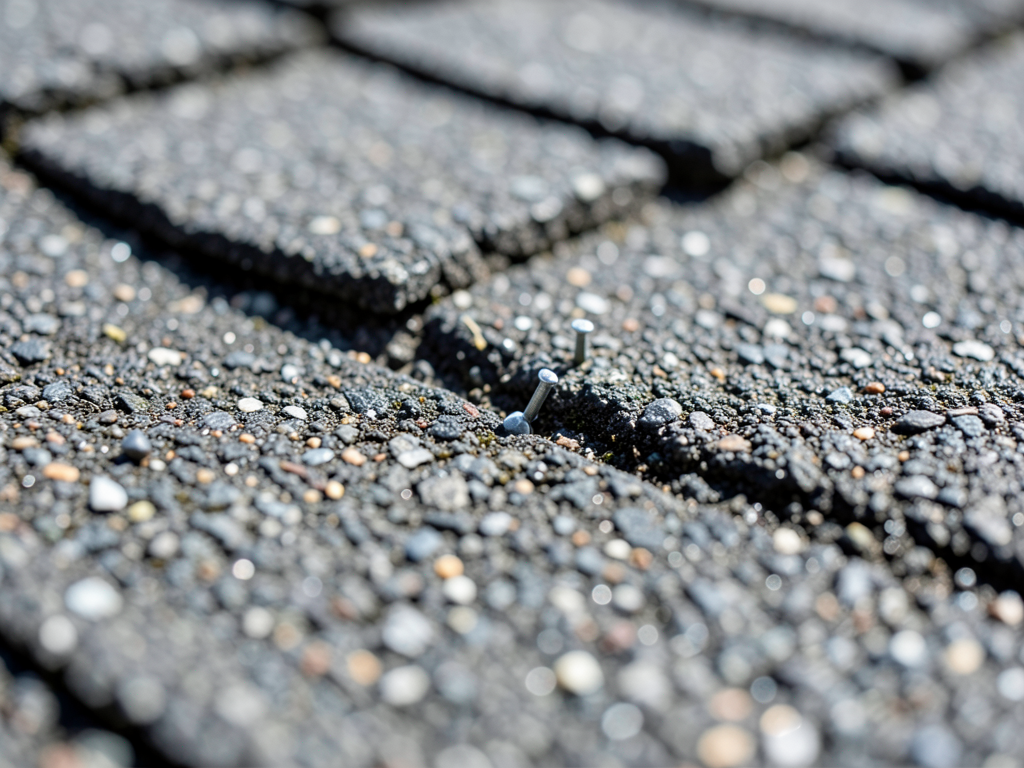
You see them as small bumps or raised spots on your roof. They look like shingles are curling up or nails are pushing through from below. These are nail pops. They happen when roofing nails back out of the wood decking and push against the shingles from underneath. The Best Shingles to Withstand the Charlotte Summer Heat and Humidity.
Nail pops are a common problem in Charlotte homes. The hot summers and cold winters here cause the wood decking to expand and contract. Over time, this movement can push nails up through the shingles. You might notice a small bump on the roof surface or see the nail head through the shingle. Getting Your Charlotte Roof Repaired After a Hail Storm — A Local Guide to Insurance Claims.
Left alone, nail pops create holes in your roof. Water can seep in around the exposed nail. This leads to leaks, wood rot, and mold inside your attic. The good news is that nail pops are fixable. A professional roofer can reseat the nail and seal the area to stop water damage.
What Causes Nail Pops in Charlotte Homes
The main cause is temperature change. Charlotte’s climate swings from hot summers to cold winters. This makes roof decking expand in summer and contract in winter. When wood moves, it can push nails up through the shingles.
Another cause is poor installation. If nails are not driven deep enough or if the wrong type of nail is used, they can work loose over time. Using the wrong length of nail for your specific decking material also leads to problems.
Moisture is another factor. When wood gets wet and then dries, it swells and shrinks. This movement can push nails up. Charlotte’s high humidity means wood decking stays damp longer, which speeds up this process.
Age plays a role too. Older roofs have more movement in the decking. The wood dries out and becomes less stable over decades. This makes nail pops more likely in roofs over 15 years old.
How to Spot Nail Pops on Your Roof
Look for small raised areas on your roof surface. They often appear as tiny bumps or domes under the shingles. You might see the shiny head of a nail through the shingle material.
Walk around your home and look up at the roof from the ground. Nail pops often show up as darker spots where the shingle is lifted. They are easier to see on sunny days when shadows make the bumps more visible.
Check your attic on a rainy day. Water stains on the underside of the roof decking often mean nail pops are letting water in. You might see drips or damp spots near where nails have backed out.
Feel for soft spots on the roof when walking on it. If the decking feels spongy in certain areas, nail pops may have allowed water to rot the wood underneath.
The Risks of Ignoring Nail Pops
Water damage is the biggest risk. When nails pop up, they create small holes in your roof’s waterproof barrier. Even tiny gaps let water in during heavy rain or snow.
Wood rot happens when water sits in your roof decking. OSB and plywood absorb moisture and start to break down. Rotten wood cannot support shingles properly and leads to more serious structural problems.
Mold growth is another concern. Damp wood in your attic creates perfect conditions for mold. Mold can spread to insulation, walls, and even your home’s air system. This affects air quality and can cause health problems.
Higher energy bills result from poor roof insulation. When water gets into your attic, it reduces the effectiveness of your insulation. Your heating and cooling systems have to work harder to maintain comfortable temperatures.
Roof warranty issues can arise. Many shingle manufacturers require proper installation. If nail pops show poor workmanship, your warranty might not cover replacement costs.
Repairing Nail Pops: DIY vs Professional
Small nail pops might seem easy to fix yourself. You could try hammering the nail back down and adding some sealant. However, this often creates more problems than it solves.
DIY repairs can void your roof warranty. Manufacturers require licensed professionals to work on their products. Improper repairs also might not address the underlying cause of the nail pop.
Professional repair involves several steps. The roofer removes the affected shingle, reseats the nail properly, and replaces the shingle. They also check surrounding areas for damage and seal everything to prevent future leaks.
Cost factors include the number of nail pops, roof accessibility, and whether shingles need replacement. Simple repairs might cost a few hundred dollars. Extensive damage could require more expensive work.
Time is another consideration. Professional repairs are usually done in a few hours. DIY attempts often take longer and might need to be redone if not done correctly.
Prevention Tips for Charlotte Homeowners
Regular roof inspections catch nail pops early. Have a professional inspect your roof every two years or after major storms. Early detection prevents small problems from becoming expensive repairs. Expert Roof Inspections for Waterfront Homes in Cornelius and Davidson.
Proper attic ventilation reduces moisture buildup. Good airflow keeps your roof deck dry and stable. This prevents the expansion and contraction that causes nails to pop.
Quality installation matters most. Use a licensed roofer who follows local building codes. They will use the right nails, proper spacing, and correct driving depth for your specific roof type.
Choose the right materials for Charlotte’s climate. Some shingles handle temperature swings better than others. Ask your roofer about products designed for the Southeast’s humidity and temperature changes.
Address other roof issues promptly. Damaged flashing, clogged gutters, or missing shingles create stress points that can lead to nail pops in surrounding areas.
Charlotte Building Codes and Nail Pops
Mecklenburg County follows the North Carolina State Building Code for roofing. This code specifies nail types, spacing, and installation methods for different roof systems. North Carolina Licensing Board for General Contractors.
Section 1507 of the NC Residential Code covers roof coverings. It requires specific nail penetration depths and spacing patterns. These requirements help prevent nail pops by ensuring proper installation.
Local permits are required for roof replacement. During inspections, code officials check nail patterns and installation quality. This helps catch potential nail pop issues before they become problems.
Insurance companies also have requirements. Some policies require specific installation methods to maintain coverage. Improper nailing can lead to denied claims if water damage occurs.
Commercial buildings have additional requirements. The International Building Code adds wind uplift requirements for flat roofs common in Charlotte’s industrial areas.
Common Questions About Nail Pops
How long do nail pops take to develop? They can appear within a year of installation or take decades to show up. The timeline depends on installation quality, climate conditions, and roof age.
Are nail pops covered by insurance? Most policies cover sudden damage but not gradual wear. If nail pops result from poor installation or age, they might not be covered. Storm damage that causes nail pops would likely be covered.
Can I prevent nail pops completely? You cannot eliminate the risk entirely due to natural wood movement. However, proper installation and maintenance significantly reduce the chances of nail pops developing.
How many nail pops are normal? A few nail pops over a roof’s lifetime are common. Multiple nail pops in a small area suggest installation problems or material issues.
Do nail pops mean I need a new roof? Not always. Isolated nail pops can be repaired. Widespread nail pops across the entire roof might indicate the need for replacement.
Professional Inspection Process
A thorough roof inspection starts with a visual check from the ground. The inspector looks for obvious signs of damage, including raised shingles that might indicate nail pops.
The next step involves climbing onto the roof for a closer examination. The inspector walks the roof surface, feeling for soft spots and checking shingle condition around potential nail pops.
Attic inspection is crucial. The inspector checks for water stains, mold, and proper ventilation. They also examine the underside of the roof decking for signs of moisture damage.
Moisture testing might be performed. Using specialized meters, the inspector checks wood moisture levels to determine if water has entered through nail pops. Specialized Slate and Tile Roofing Services for Historic Homes in Myers Park.
The final report includes photos of any damage, recommendations for repairs, and cost estimates. This documentation helps with insurance claims if needed.
Cost Factors for Nail Pop Repairs
Repair costs vary based on several factors. Simple nail pop repairs might cost $150-300 per spot. Complex repairs involving multiple shingles cost more.
Roof accessibility affects pricing. Steep roofs or those with multiple stories require more safety equipment and time, increasing costs.
Shingle type matters. Some architectural shingles are harder to match and replace than standard three-tab shingles. This affects both material and labor costs.
Extent of damage influences price. If nail pops have caused water damage to decking or insulation, those repairs add to the total cost.
Emergency repairs cost more. Weekend or after-hours service calls typically have higher rates than standard business hours. Chimney Leak Emergency Repair.
Preventative maintenance contracts might offer better rates for multiple repairs done at once. This can be more cost-effective than addressing issues individually.
When to Call a Professional
Call a roofer if you see multiple nail pops or if they are in a concentrated area. This suggests a larger problem than just individual nail issues.
Water stains in your attic are a clear sign you need professional help. By the time you see interior water damage, the problem has been developing for a while.
After severe weather events, have your roof inspected even if you don’t see obvious damage. Hail and high winds can cause hidden problems that lead to nail pops later.
If your roof is over 15 years old, schedule regular inspections. Older roofs are more susceptible to nail pops and other age-related issues.
When buying or selling a home, include a professional roof inspection in the process. Nail pops can affect property value and might need to be addressed before closing.
Choosing the Right Roofing Contractor
Look for licensed and insured contractors in Charlotte. Verify their credentials with the North Carolina Licensing Board for General Contractors. North Carolina State Building Code.
Check reviews and references. Ask for photos of similar repairs they have completed. Experience with your specific roof type is important.
Get multiple estimates. Compare not just price but also the scope of work, materials proposed, and warranty offered.
Ask about their repair process. A good contractor will explain exactly what they will do and why. They should address both the visible problem and any underlying causes.
Verify they follow local building codes. Ask if they pull permits when required and if their work meets Mecklenburg County standards.
Understand the warranty. Both material and workmanship warranties should be clearly explained. Know what is covered and for how long.
Long-Term Roof Health
Regular maintenance prevents most roof problems. Clean gutters twice yearly to prevent water backup. Trim trees to reduce debris on the roof.
Monitor your attic moisture levels. Use a hygrometer to check humidity. Levels above 60% indicate ventilation problems that can lead to nail pops.
Address small issues quickly. A single nail pop caught early costs much less to fix than widespread damage from ignored problems.
Document your roof’s condition. Take photos annually to track changes over time. This helps identify developing problems before they become serious.
Plan for eventual replacement. Even well-maintained roofs have a limited lifespan. Knowing your roof’s age helps you budget for future replacement rather than emergency repairs.
Consider energy efficiency upgrades. Modern roofing materials and ventilation systems can reduce the temperature swings that cause nail pops.
Frequently Asked Questions
Can nail pops cause my ceiling to leak?
Yes. When nails back out, they create holes in your roof’s waterproof barrier. Water can enter through these holes and travel down to your ceiling, causing stains and damage.
How do I know if I have nail pops or just normal roof texture?
Nail pops create uniform raised bumps that follow nail patterns. Normal roof texture varies more and doesn’t show the consistent spacing of nail locations. A professional inspection can confirm if you have nail pops.
Will my homeowner’s insurance cover nail pop repairs?
Coverage depends on the cause. Damage from sudden events like storms is usually covered. Gradual wear from age or poor installation is typically not covered. Check your specific policy or ask your insurance agent.
How long does it take to repair nail pops?
Simple repairs usually take 2-4 hours. Complex repairs involving multiple shingles or water damage might take a full day. Your contractor can give you a specific timeline after inspection.
Can I prevent nail pops when getting a new roof?
Yes. Choose a reputable contractor who follows manufacturer specifications and local building codes. Proper nail selection, correct driving depth, and appropriate spacing all reduce the risk of nail pops developing.
What’s the difference between nail pops and shingle blistering?
Nail pops push shingles up from underneath. Blistering creates raised areas within the shingle itself due to moisture or manufacturing defects. Blisters don’t involve nails backing out of the decking.
Take Action Now
Don’t wait for water damage to appear inside your home. Those small bumps on your roof could be costing you money right now through energy loss and hidden moisture damage.
Call (980) 352-5899 today to schedule your professional roof inspection. Our experienced team will identify nail pops and other potential problems before they become expensive repairs.
Early detection saves money and protects your home. Pick up the phone and call (980) 352-5899 before the next storm hits. Your roof protects everything inside your home – make sure it’s doing its job properly.
{
“@context”: “https://schema.org”,
“@type”: “BlogPosting”,
“headline”: “Why Your Shingles Look Like They Are Poking Up from Underneath”,
“description”: “Those raised bumps on your roof are nail pops. Learn why they happen in Charlotte’s climate and what they mean for your roof’s health.”,
“wordCount”: 2318,
“datePublished”: “2026-04-06T13:07:00.000Z”,
“dateModified”: “2026-04-06T13:07:00.000Z”,
“inLanguage”: “en-US”,
“mainEntityOfPage”: {
“@type”: “WebPage”,
“@id”: “https://fivestarroofingcharlotte.com”
},
“publisher”: {
“@type”: “LocalBusiness”,
“name”: “Five Star Roofing Charlotte”,
“url”: “https://fivestarroofingcharlotte.com”
},
“author”: {
“@type”: “Organization”,
“name”: “Five Star Roofing Charlotte”,
“url”: “https://fivestarroofingcharlotte.com”
},
“image”: {
“@type”: “ImageObject”,
“url”: “https://fivestarroofingcharlotte.com/wp-content/uploads/2026/03/why-your-shingles-look-like-they-are-poking-up-fro-1.png”
}
}
{
“@context”: “https://schema.org”,
“@type”: “RoofingContractor”,
“name”: “Five Star Roofing Charlotte”,
“url”: “https://fivestarroofingcharlotte.com”,
“address”: {
“@type”: “PostalAddress”,
“addressLocality”: “Charlotte”
},
“areaServed”: {
“@type”: “City”,
“name”: “Charlotte”
}
}
{
“@context”: “https://schema.org”,
“@type”: “FAQPage”,
“mainEntity”: [
{
“@type”: “Question”,
“name”: “Can nail pops cause my ceiling to leak?”,
“acceptedAnswer”: {
“@type”: “Answer”,
“text”: “Yes. When nails back out, they create holes in your roof’s waterproof barrier. Water can enter through these holes and travel down to your ceiling, causing stains and damage.”
}
},
{
“@type”: “Question”,
“name”: “How do I know if I have nail pops or just normal roof texture?”,
“acceptedAnswer”: {
“@type”: “Answer”,
“text”: “Nail pops create uniform raised bumps that follow nail patterns. Normal roof texture varies more and doesn’t show the consistent spacing of nail locations. A professional inspection can confirm if you have nail pops.”
}
},
{
“@type”: “Question”,
“name”: “Will my homeowner’s insurance cover nail pop repairs?”,
“acceptedAnswer”: {
“@type”: “Answer”,
“text”: “Coverage depends on the cause. Damage from sudden events like storms is usually covered. Gradual wear from age or poor installation is typically not covered. Check your specific policy or ask your insurance agent.”
}
},
{
“@type”: “Question”,
“name”: “How long does it take to repair nail pops?”,
“acceptedAnswer”: {
“@type”: “Answer”,
“text”: “Simple repairs usually take 2-4 hours. Complex repairs involving multiple shingles or water damage might take a full day. Your contractor can give you a specific timeline after inspection.”
}
},
{
“@type”: “Question”,
“name”: “Can I prevent nail pops when getting a new roof?”,
“acceptedAnswer”: {
“@type”: “Answer”,
“text”: “Yes. Choose a reputable contractor who follows manufacturer specifications and local building codes. Proper nail selection, correct driving depth, and appropriate spacing all reduce the risk of nail pops developing.”
}
},
{
“@type”: “Question”,
“name”: “What’s the difference between nail pops and shingle blistering?”,
“acceptedAnswer”: {
“@type”: “Answer”,
“text”: “Nail pops push shingles up from underneath. Blistering creates raised areas within the shingle itself due to moisture or manufacturing defects. Blisters don’t involve nails backing out of the decking.”
}
}
]
}
{
“@context”: “https://schema.org”,
“@type”: “BreadcrumbList”,
“itemListElement”: [
{
“@type”: “ListItem”,
“position”: 1,
“name”: “Home”,
“item”: “https://fivestarroofingcharlotte.com”
},
{
“@type”: “ListItem”,
“position”: 2,
“name”: “Blog”,
“item”: “https://fivestarroofingcharlotte.com/blog”
},
{
“@type”: “ListItem”,
“position”: 3,
“name”: “Why Your Shingles Look Like They Are Poking Up from Underneath”
}
]
}
{
“@context”: “https://schema.org”,
“@type”: “Service”,
“serviceType”: “Roofing”,
“provider”: {
“@type”: “LocalBusiness”,
“name”: “Five Star Roofing Charlotte”,
“url”: “https://fivestarroofingcharlotte.com”
},
“areaServed”: {
“@type”: “City”,
“name”: “Charlotte”
},
“description”: “Those raised bumps on your roof are nail pops. Learn why they happen in Charlotte’s climate and what they mean for your roof’s health.”
}