How the North Carolina Humidity Warps Your Roof Decking Over Time
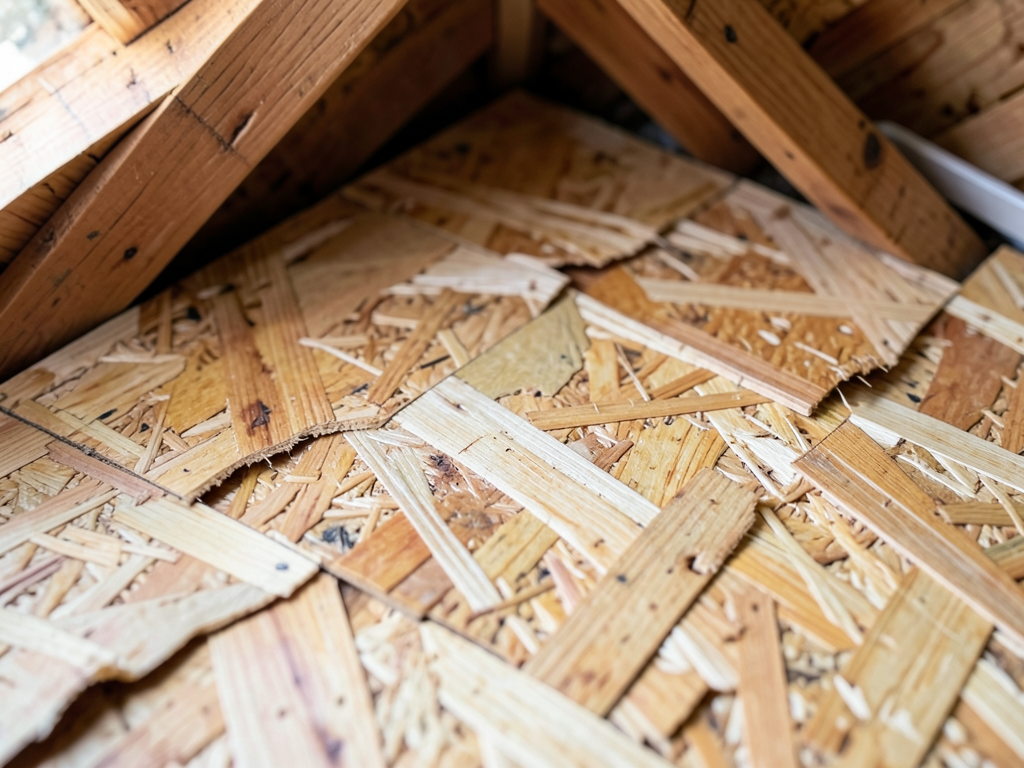
Your roof decking—the plywood or OSB boards beneath your shingles—faces a constant battle against Charlotte’s humid climate. When moisture penetrates the wood fibers and temperature swings cause expansion and contraction, the boards can warp, creating that wavy appearance you might notice from the street. This isn’t just cosmetic damage. Warped decking compromises your roof’s structural integrity and can lead to costly repairs if left unaddressed. The Best Shingles to Withstand the Charlotte Summer Heat and Humidity.
Why Is My Roof Decking Warping? Common Causes for Charlotte Homeowners
Roof decking warps when moisture content changes unevenly across the wood surface. In Charlotte’s climate, this happens through several mechanisms. The Piedmont region’s high humidity—often exceeding 70% in summer—creates constant moisture exposure. When warm, moist air meets cooler attic surfaces, condensation forms on the underside of decking. Over time, this repeated wetting and drying cycle causes the wood fibers to expand and contract at different rates. Getting Your Charlotte Roof Repaired After a Hail Storm — A Local Guide to Insurance Claims.
Another culprit is inadequate attic ventilation. Without proper airflow, heat builds up in summer, creating temperature differentials that stress the wood. Poor installation practices, such as failing to leave proper spacing between OSB panels or omitting H-clips that maintain uniform gaps, also contribute to warping as the wood expands seasonally.
The 4 Primary Culprits Behind Warped Roof Sheathing
Excessive Attic Moisture & Humidity (The Charlotte Factor)
Charlotte’s location in the humid subtropical climate zone means your attic battles moisture year-round. The stack effect—where warm air rises and escapes through upper vents while drawing in cooler air from below—works against you during summer months. When outdoor humidity hovers around 85% and your attic temperature reaches 120°F, moisture-laden air condenses on cooler roof sheathing surfaces.
Modern homes with tight building envelopes can actually trap more moisture inside. Daily activities like cooking, showering, and even breathing release water vapor that migrates upward through ceiling penetrations. Without adequate vapor barriers and ventilation, this moisture accumulates in your attic space.
Poor Attic Ventilation (Heat Build-up)
Proper ventilation requires balanced airflow: intake vents at the soffits and exhaust vents at or near the ridge. When this balance fails, hot air stagnates in your attic. During Charlotte’s 90°F+ summer days, attic temperatures can soar above 150°F. This extreme heat causes thermal expansion in your decking boards.
The North Carolina Residential Code (R806) mandates specific ventilation ratios—typically 1 square foot of net free ventilation area per 150 square feet of attic floor space. Many older Charlotte homes, particularly those built before 2012, don’t meet these requirements. The code also requires proper sealing of attic bypasses to prevent moisture migration from living spaces.
Improper Installation (Spacing and H-Clips)
OSB and plywood decking panels expand and contract with humidity changes. The Engineered Wood Association recommends 1/8-inch gaps between panels to accommodate this movement. H-clips—small metal brackets installed between rafters—help maintain these gaps and prevent edge buckling. Engineered Wood Association.
Without proper spacing, panels press against each other during humid summer months. When they dry out in winter, they can’t return to their original dimensions, causing permanent warping. This is especially problematic with OSB, which has less dimensional stability than plywood when exposed to moisture cycles.
Water Infiltration (Leakage and Delamination)
Roof leaks from damaged flashing, missing shingles, or ice dams allow water to penetrate your decking. Once moisture reaches the wood, it begins breaking down the adhesive bonds in OSB or causing plywood to delaminate. The North Carolina climate accelerates this process—our frequent afternoon thunderstorms and occasional hurricanes deliver massive amounts of water in short periods.
Delamination appears as bubbling or separation of wood layers. You might notice soft spots when walking on your roof or see daylight through gaps in your attic. This structural damage requires immediate attention, as compromised decking can fail under normal loads.
How Charlotte’s Climate Accelerates Decking Damage
Charlotte experiences 43 inches of annual rainfall—above the national average—concentrated in intense summer thunderstorms. Our humidity levels routinely exceed 70%, creating conditions perfect for moisture-related decking problems. The thermal cycle is particularly harsh: summer highs above 90°F followed by winter lows occasionally dropping into the teens cause significant expansion and contraction stress. National Weather Service.
The Piedmont’s clay soil also contributes indirectly. As clay expands when wet and contracts when dry, it shifts foundations slightly. These micro-movements transmit through your home’s structure, adding stress to your roof system. Homes in neighborhoods like Myers Park and Eastover, with their mature tree canopy, face additional challenges from falling debris and limited sun exposure that slows moisture evaporation.
According to the National Weather Service, Charlotte’s heat island effect—where urban areas retain heat—can raise local temperatures 2-5°F above surrounding rural areas. This means your roof experiences more extreme temperature swings than homes just a few miles outside the city, accelerating wear on decking materials.
Can You Repair Warped Decking or Do You Need a Full Replacement?
The answer depends on the extent of damage and your decking’s structural integrity. Minor warping without delamination might be addressable through improved ventilation and moisture control. However, once wood fibers break down or delamination occurs, replacement becomes necessary.
OSB typically shows damage sooner than plywood due to its manufacturing process. OSB uses wood strands bonded with resin under heat and pressure. When moisture penetrates, it breaks these bonds, causing swelling and eventual failure. Plywood, with its layered veneer construction, resists delamination better but still suffers from moisture damage over time.
A professional inspection involves several diagnostic steps. Technicians use moisture meters to measure wood content—levels above 20% indicate active moisture problems. They check for soft spots by pressing on the decking surface and inspect the attic for signs of water staining or mold growth. The International Building Code (IBC Section 2304.7) requires decking to maintain minimum structural ratings even after accounting for moisture content.
For homes in Charlotte’s older neighborhoods like Plaza-Midwood or Dilworth, where many roofs are 20+ years old, complete decking replacement during a re-roofing project often proves more cost-effective than spot repairs. New installation includes proper spacing, H-clips, and moisture barriers that prevent future warping.
Frequently Asked Questions About Roof Warping
How can I tell if my roof decking is warped or if it’s just the shingles?
Look at your roof from the street during mid-morning when shadows reveal surface irregularities. Warped decking creates a wavy pattern that remains consistent regardless of shingle type. Shingle-specific issues like curling or buckling typically appear as uniform distortions across large areas. Inside your attic, warped decking shows as uneven surfaces or visible gaps between panels.
Does homeowners insurance cover warped roof decking?
Standard policies typically cover sudden, accidental damage but not gradual deterioration from humidity exposure. If a storm damages your roof, causing leaks that lead to decking warping, insurance usually covers repairs. However, moisture damage from chronic ventilation problems or age-related deterioration falls under maintenance, which homeowners must handle themselves. Why More Huntersville Homeowners Are Switching to Standing Seam Metal Roofs.
How long does roof decking typically last in Charlotte’s climate?
Properly installed and maintained decking lasts 20-30 years in our climate. However, factors like inadequate ventilation, poor installation, or repeated storm damage can reduce this to 10-15 years. Homes in heavily wooded areas or those with complex roof designs that trap moisture may experience shorter lifespans.
Can I prevent my roof decking from warping?
Yes, through several measures. Ensure your attic has balanced ventilation meeting code requirements (1/150 ratio). Install proper vapor barriers in your ceiling to prevent moisture migration. Keep gutters clean to prevent ice dams. Schedule annual roof inspections to catch minor issues before they cause major damage. Consider upgrading to plywood if your home currently has OSB decking. Expert Roof Inspections for Waterfront Homes in Cornelius and Davidson.
What’s the cost difference between repairing and replacing warped decking?
Spot repairs for localized warping typically cost $500-$1,500, while complete decking replacement during a re-roofing project ranges from $2,000-$5,000 for an average home. The age and accessibility of your roof, local permit requirements, and disposal fees all affect final costs. Charlotte homeowners should budget for higher costs due to local disposal regulations and permit fees.
Schedule a Professional Roof Diagnostic in Charlotte
Don’t wait until warped decking causes a ceiling leak or structural failure. Our certified technicians use moisture meters, thermal imaging, and decades of local experience to diagnose decking problems accurately. We’ll provide a detailed report showing exactly what’s happening beneath your shingles and recommend solutions tailored to your home’s specific needs.
Call (980) 352-5899 today to schedule your free attic and roof health audit. We serve homeowners throughout Charlotte, Matthews, and surrounding areas, bringing the expertise needed to handle our unique climate challenges. Early detection can save you thousands in emergency repairs and prevent the stress of unexpected roof failures. Chimney Leak Emergency Repair.
Pick up the phone and call (980) 352-5899 before the next summer thunderstorm hits. Your roof works hard to protect your home—make sure it has the support it needs to handle Charlotte’s humidity year after year.
{
“@context”: “https://schema.org”,
“@type”: “BlogPosting”,
“headline”: “How the North Carolina Humidity Warps Your Roof Decking Over Time”,
“description”: “Discover why Charlotte’s high humidity causes roof decking to warp and fail. Learn the science behind moisture damage and when to call for a professional inspection.”,
“wordCount”: 1517,
“datePublished”: “2026-04-01T10:45:00.000Z”,
“dateModified”: “2026-04-01T10:45:00.000Z”,
“inLanguage”: “en-US”,
“mainEntityOfPage”: {
“@type”: “WebPage”,
“@id”: “https://fivestarroofingcharlotte.com”
},
“publisher”: {
“@type”: “LocalBusiness”,
“name”: “Five Star Roofing Charlotte”,
“url”: “https://fivestarroofingcharlotte.com”
},
“author”: {
“@type”: “Organization”,
“name”: “Five Star Roofing Charlotte”,
“url”: “https://fivestarroofingcharlotte.com”
},
“image”: {
“@type”: “ImageObject”,
“url”: “https://fivestarroofingcharlotte.com/wp-content/uploads/2026/03/how-the-north-carolina-humidity-warps-your-roof-de-1.png”
}
}
{
“@context”: “https://schema.org”,
“@type”: “RoofingContractor”,
“name”: “Five Star Roofing Charlotte”,
“url”: “https://fivestarroofingcharlotte.com”,
“address”: {
“@type”: “PostalAddress”,
“addressLocality”: “Charlotte”
},
“areaServed”: {
“@type”: “City”,
“name”: “Charlotte”
}
}
{
“@context”: “https://schema.org”,
“@type”: “FAQPage”,
“mainEntity”: [
{
“@type”: “Question”,
“name”: “Can You Repair Warped Decking or Do You Need a Full Replacement?”,
“acceptedAnswer”: {
“@type”: “Answer”,
“text”: “The answer depends on the extent of damage and your decking’s structural integrity. Minor warping without delamination might be addressable through improved ventilation and moisture control. However, once wood fibers break down or delamination occurs, replacement becomes necessary.”
}
},
{
“@type”: “Question”,
“name”: “How can I tell if my roof decking is warped or if it’s just the shingles?”,
“acceptedAnswer”: {
“@type”: “Answer”,
“text”: “Look at your roof from the street during mid-morning when shadows reveal surface irregularities. Warped decking creates a wavy pattern that remains consistent regardless of shingle type. Shingle-specific issues like curling or buckling typically appear as uniform distortions across large areas. Inside your attic, warped decking shows as uneven surfaces or visible gaps between panels.”
}
},
{
“@type”: “Question”,
“name”: “Does homeowners insurance cover warped roof decking?”,
“acceptedAnswer”: {
“@type”: “Answer”,
“text”: “Standard policies typically cover sudden, accidental damage but not gradual deterioration from humidity exposure. If a storm damages your roof, causing leaks that lead to decking warping, insurance usually covers repairs. However, moisture damage from chronic ventilation problems or age-related deterioration falls under maintenance, which homeowners must handle themselves. Why More Huntersville Homeowners Are Switching to Standing Seam Metal Roofs.”
}
},
{
“@type”: “Question”,
“name”: “How long does roof decking typically last in Charlotte’s climate?”,
“acceptedAnswer”: {
“@type”: “Answer”,
“text”: “Properly installed and maintained decking lasts 20-30 years in our climate. However, factors like inadequate ventilation, poor installation, or repeated storm damage can reduce this to 10-15 years. Homes in heavily wooded areas or those with complex roof designs that trap moisture may experience shorter lifespans.”
}
},
{
“@type”: “Question”,
“name”: “Can I prevent my roof decking from warping?”,
“acceptedAnswer”: {
“@type”: “Answer”,
“text”: “Yes, through several measures. Ensure your attic has balanced ventilation meeting code requirements (1/150 ratio). Install proper vapor barriers in your ceiling to prevent moisture migration. Keep gutters clean to prevent ice dams. Schedule annual roof inspections to catch minor issues before they cause major damage. Consider upgrading to plywood if your home currently has OSB decking. Expert Roof Inspections for Waterfront Homes in Cornelius and Davidson.”
}
},
{
“@type”: “Question”,
“name”: “What’s the cost difference between repairing and replacing warped decking?”,
“acceptedAnswer”: {
“@type”: “Answer”,
“text”: “Spot repairs for localized warping typically cost $500-$1,500, while complete decking replacement during a re-roofing project ranges from $2,000-$5,000 for an average home. The age and accessibility of your roof, local permit requirements, and disposal fees all affect final costs. Charlotte homeowners should budget for higher costs due to local disposal regulations and permit fees.”
}
}
]
}
{
“@context”: “https://schema.org”,
“@type”: “BreadcrumbList”,
“itemListElement”: [
{
“@type”: “ListItem”,
“position”: 1,
“name”: “Home”,
“item”: “https://fivestarroofingcharlotte.com”
},
{
“@type”: “ListItem”,
“position”: 2,
“name”: “Blog”,
“item”: “https://fivestarroofingcharlotte.com/blog”
},
{
“@type”: “ListItem”,
“position”: 3,
“name”: “How the North Carolina Humidity Warps Your Roof Decking Over Time”
}
]
}
{
“@context”: “https://schema.org”,
“@type”: “Service”,
“serviceType”: “Roofing”,
“provider”: {
“@type”: “LocalBusiness”,
“name”: “Five Star Roofing Charlotte”,
“url”: “https://fivestarroofingcharlotte.com”
},
“areaServed”: {
“@type”: “City”,
“name”: “Charlotte”
},
“description”: “Discover why Charlotte’s high humidity causes roof decking to warp and fail. Learn the science behind moisture damage and when to call for a professional inspection.”
}