What to Do When Squirrels or Raccoons Start Nesting in Your Sedgefield Roof
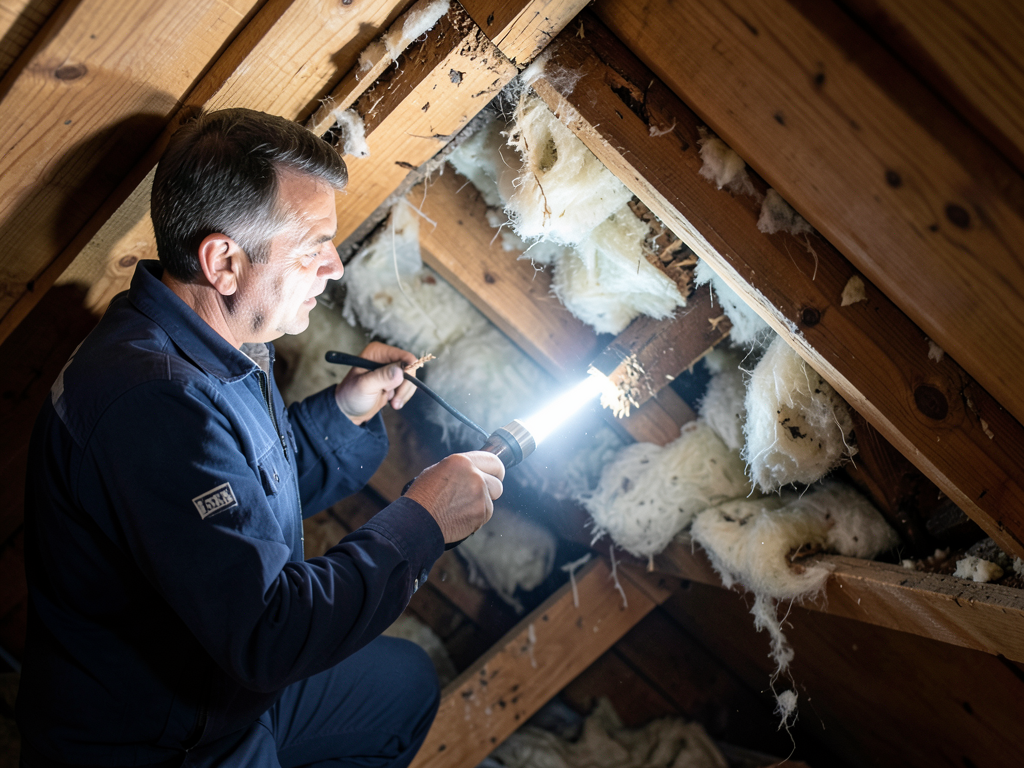
Hearing scratching sounds in your attic at night or finding torn shingles on your Sedgefield roof often means squirrels or raccoons have moved in. These animals chew through wood fascia, tear roof vents, and create entry points that let rain and moisture damage your home’s structure. Left untreated, animal nests in your attic can lead to mold growth, damaged insulation, and costly repairs. If you notice these signs, act quickly to protect your roof and your home. EPA lead safety guidelines.
Common Culprits in Sedgefield
Charlotte’s mature tree canopy and older homes in Sedgefield create perfect conditions for wildlife to find shelter in your roof. Eastern gray squirrels are active year-round and often chew through soffits or roof edges to build nests. Raccoons are stronger and can tear open vents or damaged shingles to access your attic. Bats and woodpeckers also cause damage but require different removal approaches. These animals seek warm, dry spaces especially during breeding seasons in spring and fall. The Best Shingles to Withstand the Charlotte Summer Heat and Humidity.
Signs of Animal Damage
- Scratching or scurrying sounds in your attic, especially at dawn or dusk
- Chewed wood fascia boards or soffits along roof edges
- Torn or missing shingles near roof vents or edges
- Animal droppings or strong odors in attic spaces
- Visible entry holes or gaps in roofline
The Repair Process
Fixing animal damage requires a specific sequence to ensure the problem does not return. First, a thorough inspection identifies all entry points and damage extent. Next, wildlife exclusion involves working with animal control to safely remove the animals before sealing entry points. After removal, sanitization eliminates bacteria and parasites left behind. Finally, structural repairs replace damaged wood, shingles, and underlayment to restore your roof’s integrity.
Step-by-Step Repair Guide
- Emergency Inspection
Technicians inspect attic, roof edges, and vents to locate all entry points and assess damage.
- Wildlife Exclusion
Coordinate with licensed animal control to remove animals before sealing openings.
- Sanitization
Clean and disinfect affected areas to remove bacteria, parasites, and odors.
- Structural Repair
Replace damaged wood fascia, soffits, shingles, and underlayment as needed.
- Prevention Installation
Install heavy-duty vent guards, chimney caps, and seal gaps to prevent re-entry. Chimney Leak Emergency Repair.
Insurance and Claims
Homeowners insurance in North Carolina typically covers sudden damage from wildlife like raccoons or squirrels if it causes a covered loss such as a roof leak. However, gradual damage or damage from rodents like rats and mice is often excluded as vermin damage. Document the damage with photos and keep records of removal and repair for your insurance claim. Some policies require proof that animals were removed before repairs begin. Why More Huntersville Homeowners Are Switching to Standing Seam Metal Roofs.
Prevention Strategies
Preventing animal entry saves you from repeated damage and repair costs. Install heavy-duty vent guards over roof vents and ridge vents to block access. Add drip edges along roof eaves to close gaps where animals enter. Trim tree branches at least six feet from your roof to eliminate climbing paths. Repair any damaged shingles or flashing immediately to remove weak points. Regular roof inspections catch small problems before animals exploit them. Expert Roof Inspections for Waterfront Homes in Cornelius and Davidson.
Charlotte Building Codes and Compliance
Roof repairs in Mecklenburg County must comply with the North Carolina Residential Code Chapter 9 for roof assemblies. This includes proper underlayment installation, secure fastening of shingles, and flashing details to prevent water intrusion. When replacing damaged wood or fascia, ensure repairs meet local structural requirements. Permits may be required for extensive repairs, especially if structural elements are involved. Always verify your contractor follows these codes to avoid future problems.
Emergency Response
Animal damage can create immediate roof leaks during storms. If you find a hole or active leak, cover the area with a tarp to prevent water damage until professional repairs begin. Do not attempt to seal entry points while animals are inside, as this can trap them and cause more damage. Call a roofing professional who can coordinate with animal control for safe removal and repair.
Cost Factors
Repair costs vary based on damage extent and materials needed. Minor repairs like sealing small holes or replacing a few shingles may cost a few hundred dollars. Extensive damage requiring wood replacement, new underlayment, and vent guards can cost several thousand dollars. Prevention installations add to upfront costs but reduce long-term repair needs. Insurance may cover sudden damage but not prevention measures.
Why Choose Local Expertise
Charlotte’s humid climate and mature tree canopy create unique challenges for roof animal damage. Local roofing professionals understand how wildlife behavior changes with seasons and know the specific building codes in Mecklenburg County. They can quickly identify entry points common to Sedgefield homes and recommend prevention tailored to your property. Working with a local company means faster response times and familiarity with insurance claim processes in North Carolina. Getting Your Charlotte Roof Repaired After a Hail Storm — A Local Guide to Insurance Claims.
Call (980) 352-5899 for Emergency Inspections
Don’t wait for water damage to spread through your home. If you hear animals in your attic or see roof damage, call (980) 352-5899 today. Our team provides 24-hour emergency inspections in Sedgefield and surrounding Charlotte neighborhoods. We coordinate with animal control for safe removal and complete repairs to restore your roof’s protection. Early action prevents costly structural damage and keeps your home safe from wildlife entry.
Frequently Asked Questions
How do I know if animals are in my attic?
Listen for scratching, scurrying, or thumping sounds, especially at night. Look for droppings, chewed wood, or torn insulation in your attic. You may also notice strong odors or see entry holes near roof edges.
Can I seal the entry hole myself?
No. Sealing holes while animals are inside can trap them, causing more damage and odor. Always remove animals first with professional help before sealing entry points.
Does homeowners insurance cover animal damage?
Insurance often covers sudden damage from wildlife like raccoons or squirrels if it causes a leak. Gradual damage or damage from rodents like rats is usually excluded. Check your policy details and document damage for claims.
How can I prevent animals from getting into my roof again?
Install heavy-duty vent guards, add drip edges, trim tree branches away from your roof, and repair damaged shingles promptly. Regular roof inspections help catch problems early.
How long does animal damage repair take?
Simple repairs may take a few hours. Extensive damage requiring wood replacement and prevention installations can take one to two days. Emergency tarping can be done immediately to stop leaks. For more information, visit National Roofing Contractors Association.
{
“@context”: “https://schema.org”,
“@type”: “BlogPosting”,
“headline”: “What to Do When Squirrels or Raccoons Start Nesting in Your Sedgefield Roof”,
“description”: “Suspect animals in your Sedgefield roof? Learn the signs, risks, and repair process from Charlotte roofing experts. Call (980) 352-5899 for emergency inspections.”,
“wordCount”: 1124,
“datePublished”: “2026-03-27T13:10:00.000Z”,
“dateModified”: “2026-03-27T13:10:00.000Z”,
“inLanguage”: “en-US”,
“mainEntityOfPage”: {
“@type”: “WebPage”,
“@id”: “https://fivestarroofingcharlotte.com”
},
“publisher”: {
“@type”: “LocalBusiness”,
“name”: “Five Star Roofing Charlotte”,
“url”: “https://fivestarroofingcharlotte.com”
},
“author”: {
“@type”: “Organization”,
“name”: “Five Star Roofing Charlotte”,
“url”: “https://fivestarroofingcharlotte.com”
},
“image”: {
“@type”: “ImageObject”,
“url”: “https://fivestarroofingcharlotte.com/wp-content/uploads/2026/03/what-to-do-when-squirrels-or-raccoons-start-nestin-1.png”
}
}
{
“@context”: “https://schema.org”,
“@type”: “RoofingContractor”,
“name”: “Five Star Roofing Charlotte”,
“url”: “https://fivestarroofingcharlotte.com”,
“address”: {
“@type”: “PostalAddress”,
“addressLocality”: “Charlotte”
},
“areaServed”: {
“@type”: “City”,
“name”: “Charlotte”
}
}
{
“@context”: “https://schema.org”,
“@type”: “FAQPage”,
“mainEntity”: [
{
“@type”: “Question”,
“name”: “How do I know if animals are in my attic?”,
“acceptedAnswer”: {
“@type”: “Answer”,
“text”: “Listen for scratching, scurrying, or thumping sounds, especially at night. Look for droppings, chewed wood, or torn insulation in your attic. You may also notice strong odors or see entry holes near roof edges.”
}
},
{
“@type”: “Question”,
“name”: “Can I seal the entry hole myself?”,
“acceptedAnswer”: {
“@type”: “Answer”,
“text”: “No. Sealing holes while animals are inside can trap them, causing more damage and odor. Always remove animals first with professional help before sealing entry points.”
}
},
{
“@type”: “Question”,
“name”: “Does homeowners insurance cover animal damage?”,
“acceptedAnswer”: {
“@type”: “Answer”,
“text”: “Insurance often covers sudden damage from wildlife like raccoons or squirrels if it causes a leak. Gradual damage or damage from rodents like rats is usually excluded. Check your policy details and document damage for claims.”
}
},
{
“@type”: “Question”,
“name”: “How can I prevent animals from getting into my roof again?”,
“acceptedAnswer”: {
“@type”: “Answer”,
“text”: “Install heavy-duty vent guards, add drip edges, trim tree branches away from your roof, and repair damaged shingles promptly. Regular roof inspections help catch problems early.”
}
},
{
“@type”: “Question”,
“name”: “How long does animal damage repair take?”,
“acceptedAnswer”: {
“@type”: “Answer”,
“text”: “Simple repairs may take a few hours. Extensive damage requiring wood replacement and prevention installations can take one to two days. Emergency tarping can be done immediately to stop leaks. For more information, visit National Roofing Contractors Association.”
}
}
]
}
{
“@context”: “https://schema.org”,
“@type”: “HowTo”,
“name”: “Animal Damage Roof Repair Process”,
“step”: [
{
“@type”: “HowToStep”,
“position”: 1,
“name”: “Emergency Inspection”,
“text”: “Technicians inspect attic, roof edges, and vents to locate all entry points and assess damage.”
},
{
“@type”: “HowToStep”,
“position”: 2,
“name”: “Wildlife Exclusion”,
“text”: “Coordinate with licensed animal control to remove animals before sealing openings.”
},
{
“@type”: “HowToStep”,
“position”: 3,
“name”: “Sanitization”,
“text”: “Clean and disinfect affected areas to remove bacteria, parasites, and odors.”
},
{
“@type”: “HowToStep”,
“position”: 4,
“name”: “Structural Repair”,
“text”: “Replace damaged wood fascia, soffits, shingles, and underlayment as needed.”
},
{
“@type”: “HowToStep”,
“position”: 5,
“name”: “Prevention Installation”,
“text”: “Install heavy-duty vent guards, chimney caps, and seal gaps to prevent re-entry. Chimney Leak Emergency Repair.”
}
],
“image”: “https://fivestarroofingcharlotte.com/wp-content/uploads/2026/03/what-to-do-when-squirrels-or-raccoons-start-nestin-1.png”
}
{
“@context”: “https://schema.org”,
“@type”: “BreadcrumbList”,
“itemListElement”: [
{
“@type”: “ListItem”,
“position”: 1,
“name”: “Home”,
“item”: “https://fivestarroofingcharlotte.com”
},
{
“@type”: “ListItem”,
“position”: 2,
“name”: “Blog”,
“item”: “https://fivestarroofingcharlotte.com/blog”
},
{
“@type”: “ListItem”,
“position”: 3,
“name”: “What to Do When Squirrels or Raccoons Start Nesting in Your Sedgefield Roof”
}
]
}
{
“@context”: “https://schema.org”,
“@type”: “Service”,
“serviceType”: “Roofing”,
“provider”: {
“@type”: “LocalBusiness”,
“name”: “Five Star Roofing Charlotte”,
“url”: “https://fivestarroofingcharlotte.com”
},
“areaServed”: {
“@type”: “City”,
“name”: “Charlotte”
},
“description”: “Suspect animals in your Sedgefield roof? Learn the signs, risks, and repair process from Charlotte roofing experts. Call (980) 352-5899 for emergency inspections.”
}