The Pros and Cons of Installing Zinc or Copper Strips to Prevent Roof Algae in Shady Neighborhoods
Black streaks on asphalt shingles are more than just an eyesore. In Charlotte’s humid Piedmont climate, they signal a living organism called Gloeocapsa magma slowly degrading your roof. Homeowners in tree-lined neighborhoods like Myers Park and Starmount face this battle constantly. Zinc and copper strips offer a chemical defense that can stop algae before it starts. But are they worth the investment? Let’s examine the real-world performance, installation challenges, and local factors that determine if these metal strips will actually protect your roof. Asphalt Roofing Manufacturers Association.
How Zinc and Copper Strips Work Against Roof Algae
When rain hits zinc or copper strips installed near the roof ridge, microscopic metal particles wash down the slope. These particles create an environment where algae cannot survive. Think of it as a slow-release pesticide that works continuously during wet weather. The process is passive and requires no electricity or maintenance once installed.
The effectiveness depends on several factors. Metal strips need to extend the full width of the roof to create a complete barrier. Partial coverage leaves gaps where algae can establish. In Charlotte’s climate, where humidity stays above 70% for much of the summer, the constant moisture means algae can spread quickly if even small sections remain unprotected. Getting Your Charlotte Roof Repaired After a Hail Storm — A Local Guide to Insurance Claims.
Material Comparison: Zinc vs. Copper Strips
Zinc strips typically cost less and work adequately for prevention. They release zinc carbonate when wet, which inhibits algae growth. Copper strips cost more but offer stronger protection. Copper ions are more toxic to algae and moss than zinc ions, making copper more effective in heavily shaded areas.
The trade-off involves appearance and longevity. Zinc strips develop a white oxidation layer that some homeowners find unattractive. Copper strips start bright and develop a green patina over time. Both materials last 15-20 years under normal conditions, but copper’s superior effectiveness means it may prevent algae growth for the entire roof lifespan in many cases. Why More Huntersville Homeowners Are Switching to Standing Seam Metal Roofs.
Local water chemistry affects performance. Charlotte’s municipal water contains minerals that can interact with metal strips, sometimes accelerating the release of protective particles. Homes near Lake Wylie or Mountain Island Lake may see slightly different results due to varying water compositions.
Installation Methods and Best Practices
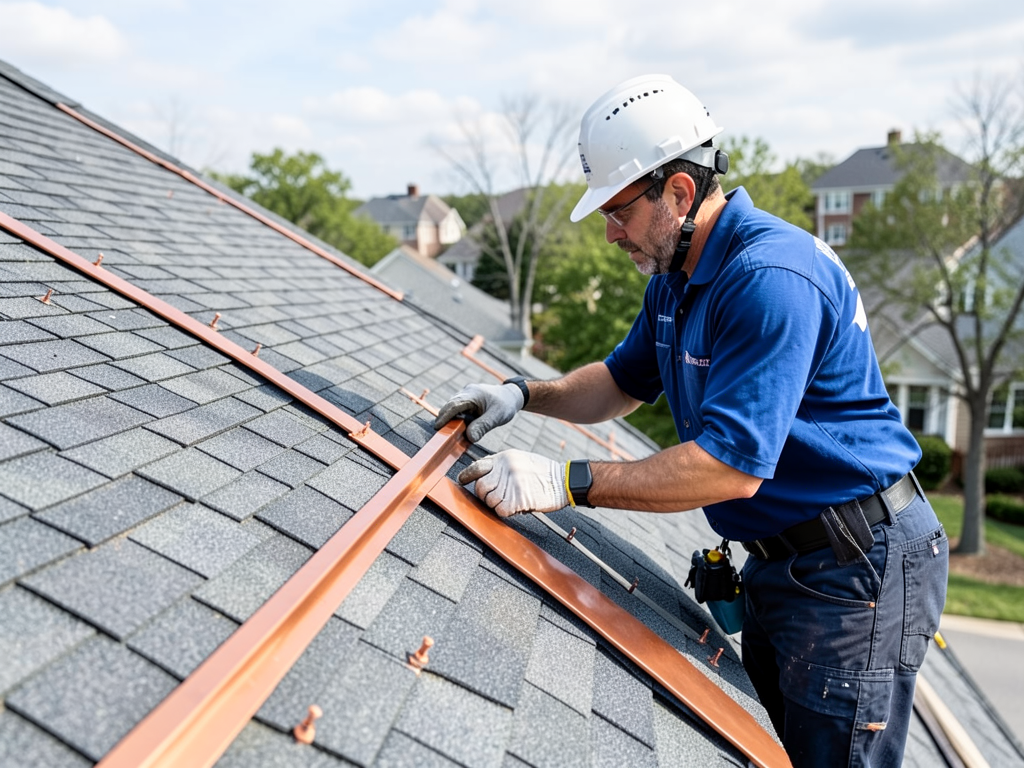
Proper installation requires securing strips under the top layer of shingles at the ridge. This creates a hidden anchor point while allowing the strip to hang over the edge. Nails must be corrosion-resistant and placed carefully to avoid shingle damage. The strip should extend 2-3 inches beyond the shingle edge to maximize runoff coverage. The Best Shingles to Withstand the Charlotte Summer Heat and Humidity.
Timing matters significantly. Installing strips during roof replacement ensures perfect integration with new shingles. Adding them to existing roofs works but requires careful work around existing nails and sealant. Fall installation often provides the best results, as the strips establish before spring algae growth begins.. Read more about Why Your Roof Actually Needs a Spring Cleaning After the Charlotte Pollen Season.
Professional installation typically includes checking roof pitch and ensuring proper water flow. Steeper roofs in areas like Dilworth may need additional anchoring to prevent wind uplift. The cost ranges from $300-600 for zinc strips on an average home, while copper installation runs $500-900.
Effectiveness in Charlotte’s Climate
Charlotte’s Piedmont region presents unique challenges. Summer temperatures regularly exceed 90°F with humidity above 80%. This combination creates ideal conditions for algae growth. Oak and pine trees common in neighborhoods like Cotswold and Foxcroft provide shade that reduces UV exposure, allowing algae to thrive even on south-facing slopes.
Local studies show that properly installed copper strips can reduce algae growth by 70-80% in the first year. Zinc strips achieve 50-60% reduction. The difference becomes more pronounced in heavily shaded areas where moisture lingers on roof surfaces for extended periods.
Seasonal patterns affect performance. Spring and fall, when temperatures are moderate but moisture is abundant, see the highest algae activity. Metal strips work continuously but show reduced effectiveness during drought periods when there’s insufficient rain to wash particles down the roof.
Cost-Benefit Analysis for Charlotte Homeowners
The initial investment in metal strips must be weighed against roof cleaning costs and potential damage. Professional soft washing in Charlotte typically costs $300-500 and needs repeating every 2-3 years. Over a 20-year roof lifespan, cleaning costs can exceed $2,000. Roof Cleaning & Maintenance.
Metal strips represent a one-time cost that may eliminate recurring cleaning expenses. For a $400 zinc installation, the break-even point occurs around year 3-4, assuming regular cleaning would have been necessary. Copper strips, while more expensive upfront, may provide better long-term value due to superior effectiveness.
Home value considerations matter in Charlotte’s competitive real estate market. Black streaks can reduce curb appeal and potentially affect appraisal values. In historic districts like Fourth Ward, maintaining a clean roof appearance is particularly important for property values.
Potential Drawbacks and Limitations
Metal strips are not a complete solution. They prevent new algae growth but cannot remove existing stains. Homes with severe algae infestations may need initial cleaning before strips become effective. The strips also don’t address other roof issues like moss growth, which requires different treatment.
Environmental concerns exist regarding metal runoff. While the amounts are minimal, copper and zinc can affect nearby plants and water systems. Charlotte’s stormwater regulations require consideration of runoff impacts, particularly in areas near creeks or wetlands common in neighborhoods like SouthPark. Environmental Protection Agency.
Warranty implications vary by manufacturer. Some shingle warranties specifically address algae resistance and may have requirements about additional treatments. Always check warranty terms before installing aftermarket products. The Asphalt Roofing Manufacturers Association (ARMA) provides guidelines on acceptable roof treatments.
Alternative Prevention Strategies
Algae-resistant shingles offer factory-applied protection through copper-infused granules. These cost 10-15% more than standard shingles but provide integrated protection. For new construction or replacement projects, this may be more cost-effective than retrofitting metal strips.
Improving roof ventilation and sunlight exposure can reduce algae growth naturally. Trimming overhanging branches, common in wooded Charlotte neighborhoods, allows more UV exposure. However, this conflicts with the shade benefits that make these areas desirable for homeowners.
Regular maintenance remains important even with prevention systems. Cleaning gutters prevents water backup that creates moisture pockets. Checking for damaged shingles ensures the roof surface remains intact for optimal strip performance.
Local Building Code Considerations
Mecklenburg County building codes don’t specifically regulate metal algae prevention strips, but they must comply with general roofing installation standards. The North Carolina Residential Code requires that all roof accessories be installed according to manufacturer specifications and not void shingle warranties.
Stormwater management regulations affect installation in certain areas. The Charlotte-Mecklenburg Storm Water Services has guidelines about impervious surface treatments that could impact metal strip approval in environmentally sensitive zones. Properties near Little Sugar Creek or other waterways may face additional scrutiny.
HOA restrictions vary significantly across Charlotte neighborhoods. Some communities in Ballantyne or Providence Country Club have strict exterior modification rules. Always check with your homeowners association before installation, as some may require approval or prohibit certain treatments.
Professional Installation vs. DIY
DIY installation saves money but carries risks. Working on roofs requires proper safety equipment and knowledge of roofing systems. Incorrect installation can damage shingles, create leaks, or void warranties. The cost savings of $100-200 may not justify the potential for expensive mistakes.
Professional installers bring experience with local conditions. They understand Charlotte’s wind patterns, temperature variations, and common roofing issues. They also carry insurance that protects homeowners if installation problems arise. Most offer warranties on their work that provide additional peace of mind.
The diagnostic aspect of professional installation adds value. Experienced roofers can identify underlying issues like poor ventilation or damaged flashing that contribute to algae problems. Addressing these root causes provides more comprehensive protection than metal strips alone.
Maintenance and Long-Term Performance
Metal strips require virtually no maintenance once installed correctly. However, their effectiveness can diminish over time due to several factors. Debris accumulation can block the release of protective particles. Severe weather can dislodge strips, particularly in areas prone to high winds like the University area.. Read more about Protecting Your Roof from the Constant Tree Sap and Debris in Wooded Neighborhoods like Hembstead.
Annual inspections help ensure continued performance. Check strips after major storms and at the beginning of algae season in spring. Look for signs of separation from the roof or excessive oxidation that might reduce effectiveness. Most strips maintain good performance for 15-20 years before needing replacement. Expert Roof Inspections for Waterfront Homes in Cornelius and Davidson.
Documenting installation provides valuable information for future maintenance. Note the installation date, material type, and any warranty information. This helps track when replacement might be needed and provides documentation for potential home buyers.
Making the Right Choice for Your Home
The decision to install metal strips depends on several factors specific to your situation. Consider your roof’s age, the severity of existing algae problems, and your long-term plans for the property. New roofs with minimal algae may benefit most from prevention, while older roofs with existing damage might need more comprehensive solutions.
Budget constraints play a role in material selection. Zinc strips offer good protection at lower cost, making them suitable for budget-conscious homeowners. Copper provides superior performance for those willing to invest more upfront for better long-term results.
Local climate patterns in your specific neighborhood matter. Homes in areas with dense tree canopy and poor air circulation face greater algae challenges. Properties in more open areas with better sun exposure may see less benefit from prevention systems.
Frequently Asked Questions
How long do zinc and copper strips last on a roof?
Quality metal strips typically last 15-20 years when properly installed. Copper strips may last slightly longer due to their durability. Factors affecting lifespan include local weather conditions, roof pitch, and exposure to debris.
Will metal strips damage my shingles or void my warranty?
When installed correctly according to manufacturer specifications, metal strips shouldn’t damage shingles or void warranties. However, improper installation can cause problems. Always check your specific warranty terms and consider professional installation to ensure compliance.
Can I install metal strips on any type of roof?
Metal strips work best on asphalt shingle roofs, which are most common in Charlotte. They can be adapted for some other roof types, but effectiveness varies. Professional assessment helps determine if your roof is suitable for this treatment.
Ready to Protect Your Roof?
Black streaks on your roof aren’t just ugly—they’re actively damaging your shingles and reducing your home’s value. Charlotte’s humid climate makes algae prevention essential for protecting your investment. Whether you choose zinc or copper strips, professional installation ensures maximum effectiveness and protects your warranty.
Don’t wait until algae takes over your entire roof. Call (980) 352-5899 today to schedule a free inspection and get a customized prevention plan for your home. Our experienced team understands Charlotte’s unique roofing challenges and can recommend the best solution for your specific situation.
Pick up the phone and call (980) 352-5899 before the next rainy season hits. Your roof—and your home’s curb appeal—will thank you.
You may also find this helpful. Is a Cedar Shake Roof Still Practical for Homes in the Wooded Areas of Lake Wylie?.
{
“@context”: “https://schema.org”,
“@type”: “BlogPosting”,
“headline”: “The Pros and Cons of Installing Zinc or Copper Strips to Prevent Roof Algae in Shady Neighborhoods”,
“description”: “Discover how zinc and copper strips can prevent black streaks on roofs in Charlotte’s shady neighborhoods. Learn installation costs, effectiveness, and local considerations.”,
“wordCount”: 1844,
“datePublished”: “2026-05-10T11:36:00.000Z”,
“dateModified”: “2026-05-10T11:36:00.000Z”,
“inLanguage”: “en-US”,
“mainEntityOfPage”: {
“@type”: “WebPage”,
“@id”: “https://fivestarroofingcharlotte.com”
},
“publisher”: {
“@type”: “LocalBusiness”,
“name”: “Five Star Roofing Charlotte”,
“url”: “https://fivestarroofingcharlotte.com”
},
“author”: {
“@type”: “Organization”,
“name”: “Five Star Roofing Charlotte”,
“url”: “https://fivestarroofingcharlotte.com”
},
“image”: {
“@type”: “ImageObject”,
“url”: “https://fivestarroofingcharlotte.com/wp-content/uploads/2026/03/the-pros-and-cons-of-installing-zinc-or-copper-str-1.png”
}
}
{
“@context”: “https://schema.org”,
“@type”: “RoofingContractor”,
“name”: “Five Star Roofing Charlotte”,
“url”: “https://fivestarroofingcharlotte.com”,
“address”: {
“@type”: “PostalAddress”,
“addressLocality”: “Charlotte”
},
“areaServed”: {
“@type”: “City”,
“name”: “Charlotte”
}
}
{
“@context”: “https://schema.org”,
“@type”: “FAQPage”,
“mainEntity”: [
{
“@type”: “Question”,
“name”: “How long do zinc and copper strips last on a roof?”,
“acceptedAnswer”: {
“@type”: “Answer”,
“text”: “Quality metal strips typically last 15-20 years when properly installed. Copper strips may last slightly longer due to their durability. Factors affecting lifespan include local weather conditions, roof pitch, and exposure to debris.”
}
},
{
“@type”: “Question”,
“name”: “Will metal strips damage my shingles or void my warranty?”,
“acceptedAnswer”: {
“@type”: “Answer”,
“text”: “When installed correctly according to manufacturer specifications, metal strips shouldn’t damage shingles or void warranties. However, improper installation can cause problems. Always check your specific warranty terms and consider professional installation to ensure compliance.”
}
},
{
“@type”: “Question”,
“name”: “Can I install metal strips on any type of roof?”,
“acceptedAnswer”: {
“@type”: “Answer”,
“text”: “Metal strips work best on asphalt shingle roofs, which are most common in Charlotte. They can be adapted for some other roof types, but effectiveness varies. Professional assessment helps determine if your roof is suitable for this treatment.”
}
},
{
“@type”: “Question”,
“name”: “Ready to Protect Your Roof?”,
“acceptedAnswer”: {
“@type”: “Answer”,
“text”: “Black streaks on your roof aren’t just ugly—they’re actively damaging your shingles and reducing your home’s value. Charlotte’s humid climate makes algae prevention essential for protecting your investment. Whether you choose zinc or copper strips, professional installation ensures maximum effectiveness and protects your warranty.”
}
}
]
}
{
“@context”: “https://schema.org”,
“@type”: “BreadcrumbList”,
“itemListElement”: [
{
“@type”: “ListItem”,
“position”: 1,
“name”: “Home”,
“item”: “https://fivestarroofingcharlotte.com”
},
{
“@type”: “ListItem”,
“position”: 2,
“name”: “Blog”,
“item”: “https://fivestarroofingcharlotte.com/blog”
},
{
“@type”: “ListItem”,
“position”: 3,
“name”: “The Pros and Cons of Installing Zinc or Copper Strips to Prevent Roof Algae in Shady Neighborhoods”
}
]
}
{
“@context”: “https://schema.org”,
“@type”: “Service”,
“serviceType”: “Roofing”,
“provider”: {
“@type”: “LocalBusiness”,
“name”: “Five Star Roofing Charlotte”,
“url”: “https://fivestarroofingcharlotte.com”
},
“areaServed”: {
“@type”: “City”,
“name”: “Charlotte”
},
“description”: “Discover how zinc and copper strips can prevent black streaks on roofs in Charlotte’s shady neighborhoods. Learn installation costs, effectiveness, and local considerations.”
}