Dealing with the Intense Afternoon Sun on Your West-Facing Roof in West Boulevard Neighborhoods
West Boulevard homeowners know the struggle of a west-facing roof all too well. As the sun sets over Charlotte, your roof absorbs hours of intense afternoon heat, driving up cooling costs and accelerating wear on roofing materials. This article explains why west-facing roofs suffer most in our climate and what you can do about it. Why More Huntersville Homeowners Are Switching to Standing Seam Metal Roofs.
The problem starts with solar exposure timing. While east-facing roofs get morning sun when temperatures are cooler, west-facing surfaces bake in the hottest part of the day. In Charlotte’s humid subtropical climate, this creates a perfect storm of thermal stress that can reduce your roof’s lifespan by 20-30% compared to north or south orientations. Getting Your Charlotte Roof Repaired After a Hail Storm — A Local Guide to Insurance Claims.
How Charlotte’s Climate Makes West-Facing Roofs Suffer
Charlotte sits in the Piedmont region where summer temperatures regularly climb above 90°F with humidity levels exceeding 70%. When your west-facing roof absorbs this heat, surface temperatures can reach 150-170°F on a sunny July afternoon. This extreme heat cycling causes materials to expand and contract repeatedly, breaking down protective layers faster than manufacturers anticipate.
The Urban Heat Island effect in Charlotte amplifies the problem. Dense development in West Boulevard neighborhoods means less natural cooling from trees and more heat retention from pavement and buildings. Your roof becomes a heat magnet, transferring that warmth directly into your attic and living spaces.
Local building patterns make this worse. Many West Boulevard homes were built in the 1960s-1980s with standard 3-tab asphalt shingles designed for milder climates. These materials simply cannot handle the thermal punishment they receive during Charlotte summers. The Best Shingles to Withstand the Charlotte Summer Heat and Humidity.
Heat-Resistant Roofing Materials That Actually Work
Not all roofing materials handle heat the same way. The key factors are Solar Reflectance Index (SRI) and thermal emittance ratings. Higher numbers mean better heat rejection.. Read more about Keeping the Noise Out (The Best Roofing Materials for Homes Near Charlotte Douglas Airport).
- Metal Roofing Systems
Standing seam metal roofs with cool roof coatings can achieve SRI ratings above 70. They reflect up to 70% of solar radiation and emit heat quickly after sunset. The initial cost runs 2-3 times higher than asphalt but lasts 40-50 years with minimal maintenance.
- Cool Asphalt Shingles
Modern reflective shingles use specialized granules to achieve SRI ratings of 20-30. GAF’s Timberline CS and Owens Corning’s Cool Roof Collection offer lifetime warranties and can reduce roof surface temperatures by 20-30°F compared to standard shingles. Specialized Slate and Tile Roofing Services for Historic Homes in Myers Park.
- TPO and PVC Membranes
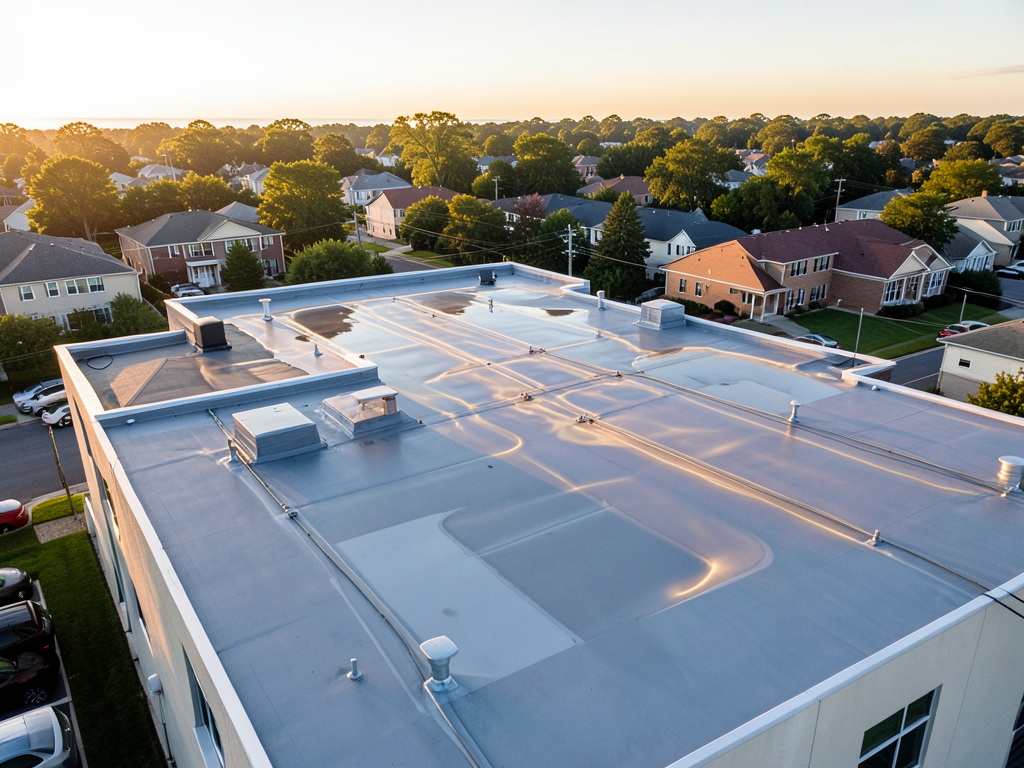
For low-slope sections common in West Boulevard ranch homes, white TPO membranes achieve SRI ratings above 80. These single-ply systems reflect 85% of solar heat and resist UV degradation exceptionally well in our climate.
Material performance varies significantly by color. Even within the same product line, a light gray shingle might have an SRI of 25 while a dark brown version scores only 7. This 18-point difference translates to 40-50°F cooler surface temperatures on the lighter option.
The Science Behind Cool Roofs
Solar Reflectance Index combines two critical properties: how much sunlight a material reflects and how efficiently it releases absorbed heat. The calculation follows ASTM E1980 standards and produces scores from 0 to 100+.
For Charlotte homes, materials with SRI ratings above 25 qualify as “cool roofs” under EPA guidelines. However, west-facing surfaces benefit most from SRI ratings above 40 to combat afternoon heat gain effectively. EPA Cool Roofs.
Thermal emittance measures how quickly a material releases heat after sunset. Metals score high (around 90%) while standard asphalt shingles score lower (around 80%). This difference means metal roofs cool down faster at night, reducing the cumulative heat load on your home.
The North Carolina Building Code now requires cool roof compliance for commercial buildings over 5,000 square feet. While residential requirements remain voluntary, the science is clear: cooler roofs mean lower energy bills and longer material lifespans.
Cost-Benefit Analysis for West Boulevard Homeowners
Upgrading to heat-resistant roofing requires investment, but the returns are measurable. A typical West Boulevard home with a west-facing roof might see:
| Roofing Option | Initial Cost | Energy Savings/Year | Expected Lifespan | SRI Rating |
|---|---|---|---|---|
| Standard Asphalt | $5,000-7,000 | $50-100 | 15-20 years | 7-15 |
| Cool Asphalt | $6,500-9,000 | $150-250 | 25-30 years | 20-30 |
| Metal Roofing | $12,000-18,000 | $200-350 | 40-50 years | 55-75 |
| White TPO | $8,000-12,000 | $250-400 | 25-30 years | 80-90 |
Duke Energy offers rebates up to $500 for cool roof installations that meet Energy Star specifications. The utility’s Residential Cool Roof Program requires minimum SRI ratings of 25 for shingles and 65 for low-slope applications.
Beyond direct energy savings, heat-resistant roofs reduce HVAC runtime by 15-25%, extending equipment life and reducing maintenance costs. For a typical Charlotte home, this translates to $200-400 annually in avoided HVAC repairs and replacements.
Installation Best Practices for Maximum Heat Protection
Material selection matters, but proper installation determines real-world performance. The most critical factor is attic ventilation, which works in tandem with your roof surface to manage heat.
Effective ventilation requires balanced airflow: cool air enters through soffit vents while hot air exits through ridge vents or powered exhaust fans. Without this system, even the best cool roof becomes a heat trap.
The International Building Code mandates minimum ventilation ratios of 1:150 (net free area to attic floor area). In our humid climate, achieving 1:300 ratios provides better moisture control and heat management.
Radiant barriers installed beneath the roof deck can reduce heat transfer by an additional 20-30%. These aluminum foil sheets reflect radiant heat back through the roof, keeping attic temperatures 20-30°F cooler than unbarriered spaces.
For homes with HVAC equipment in the attic, encapsulating the space with spray foam insulation creates a conditioned attic that dramatically reduces heat impact. This approach costs more upfront but provides year-round benefits beyond just heat reduction.
Local Case Study: West Boulevard Heat Reduction Success
A 1970s ranch home on West Boulevard installed a cool roof system in summer 2024. The property featured a large west-facing section that previously recorded surface temperatures of 165°F on sunny afternoons.
The homeowners selected a light gray cool asphalt shingle with an SRI of 28. Installation included upgraded ridge vents, new soffit ventilation, and a radiant barrier retrofit. Post-installation monitoring showed:
- Roof surface temperatures dropped from 165°F to 125°F on equivalent sunny days
- Attic temperatures decreased from 140°F to 105°F
- July-August cooling costs fell by 22%
- Indoor comfort improved noticeably, with upstairs rooms staying 3-5°F cooler
The investment paid for itself in energy savings within 6 years, well before the expected 25-year shingle lifespan.
Maintenance Strategies for Heat-Resistant Roofs
Even the best heat-resistant roof requires maintenance to maintain performance. Annual inspections should check for: Expert Roof Inspections for Waterfront Homes in Cornelius and Davidson.
- Damaged or missing reflective granules on cool shingles
- Debris buildup that blocks ventilation pathways
- Sealant degradation around penetrations
- Algae or moss growth, which reduces reflectivity
Charlotte’s humidity creates ideal conditions for algae growth, particularly on north-facing sections that stay shaded. While algae doesn’t directly affect heat resistance, it can trap moisture and accelerate material breakdown.
Cleaning cool roofs requires gentle methods. Pressure washing can strip reflective granules and void warranties. Instead, use low-pressure rinsing with specialized roof cleaning solutions that kill algae without damaging protective coatings.
Trim overhanging branches to maintain airflow and prevent debris accumulation. Good airflow helps your roof shed heat more effectively and prevents moisture-related problems.
Making the Right Choice for Your West Boulevard Home
The best heat-resistant roofing solution depends on your specific situation. Consider these factors:
- Roof pitch and accessibility for maintenance
- Existing ventilation system condition
- Budget constraints and long-term ownership plans
- Aesthetic preferences and neighborhood character
- Potential energy rebates and incentives
For most West Boulevard homeowners, cool asphalt shingles offer the best balance of performance, cost, and aesthetics. They provide meaningful heat reduction without the premium price of metal roofing or the specialized installation requirements of membrane systems.
If your roof is over 15 years old or showing signs of heat damage like curling, cracking, or granule loss, replacement with heat-resistant materials becomes both an energy upgrade and a necessary repair.
Frequently Asked Questions
How much can I really save on cooling costs with a cool roof?
Most Charlotte homeowners see 15-25% reductions in cooling costs after installing heat-resistant roofing. The exact savings depend on your home’s orientation, existing insulation, and local energy rates.
Will a lighter colored roof make my house look strange?
Modern cool roof products come in many colors beyond white. Light grays, tans, and even some medium tones qualify as cool roofs while maintaining traditional aesthetics.
How do I know if my current roof is failing from heat damage?
Look for curling or buckling shingles, loss of protective granules, cracked seals around flashing, and higher than normal attic temperatures. These signs indicate your roof may be nearing the end of its useful life.
Are there any tax incentives for installing heat-resistant roofing?
Federal tax credits for energy-efficient roofing expired in 2021. However, Duke Energy’s rebate program and potential local incentives may still be available. Check with your roofing contractor for current offers.
How long does installation of a heat-resistant roof take?
Most residential installations take 2-4 days depending on roof size and complexity. Factors like weather, structural repairs, and ventilation upgrades can extend the timeline.
Take Control of Your Home’s Heat This Summer
Don’t let another Charlotte summer bake your home and drain your wallet. West-facing roofs in West Boulevard neighborhoods face unique challenges that require specialized solutions. The right heat-resistant roofing system can transform your home’s comfort while reducing energy costs for decades to come.
Ready to explore your options? Call (980) 352-5899 today to schedule your free heat assessment. Our local experts understand Charlotte’s specific climate challenges and can recommend the perfect solution for your home’s orientation and your budget.
Pick up the phone and call (980) 352-5899 before the next heat wave hits. Your comfort and savings are just one call away. For more information, visit Department of Energy Cool Roofs.
You may also find this helpful. How to Properly Ventilate a Detached Garage or Workshop in the Charlotte Heat.
{
“@context”: “https://schema.org”,
“@type”: “BlogPosting”,
“headline”: “Dealing with the Intense Afternoon Sun on Your West-Facing Roof in West Boulevard Neighborhoods”,
“description”: “Learn how to protect your west-facing roof from Charlotte’s intense afternoon sun. Discover heat-resistant materials, energy savings, and local installation expertise.”,
“wordCount”: 1677,
“datePublished”: “2026-05-19T09:16:00.000Z”,
“dateModified”: “2026-05-19T09:16:00.000Z”,
“inLanguage”: “en-US”,
“mainEntityOfPage”: {
“@type”: “WebPage”,
“@id”: “https://fivestarroofingcharlotte.com”
},
“publisher”: {
“@type”: “LocalBusiness”,
“name”: “Five Star Roofing Charlotte”,
“url”: “https://fivestarroofingcharlotte.com”
},
“author”: {
“@type”: “Organization”,
“name”: “Five Star Roofing Charlotte”,
“url”: “https://fivestarroofingcharlotte.com”
},
“image”: {
“@type”: “ImageObject”,
“url”: “https://fivestarroofingcharlotte.com/wp-content/uploads/2026/03/dealing-with-the-intense-afternoon-sun-on-your-wes-1.png”
}
}
{
“@context”: “https://schema.org”,
“@type”: “RoofingContractor”,
“name”: “Five Star Roofing Charlotte”,
“url”: “https://fivestarroofingcharlotte.com”,
“address”: {
“@type”: “PostalAddress”,
“addressLocality”: “Charlotte”
},
“areaServed”: {
“@type”: “City”,
“name”: “Charlotte”
}
}
{
“@context”: “https://schema.org”,
“@type”: “FAQPage”,
“mainEntity”: [
{
“@type”: “Question”,
“name”: “How much can I really save on cooling costs with a cool roof?”,
“acceptedAnswer”: {
“@type”: “Answer”,
“text”: “Most Charlotte homeowners see 15-25% reductions in cooling costs after installing heat-resistant roofing. The exact savings depend on your home’s orientation, existing insulation, and local energy rates.”
}
},
{
“@type”: “Question”,
“name”: “Will a lighter colored roof make my house look strange?”,
“acceptedAnswer”: {
“@type”: “Answer”,
“text”: “Modern cool roof products come in many colors beyond white. Light grays, tans, and even some medium tones qualify as cool roofs while maintaining traditional aesthetics.”
}
},
{
“@type”: “Question”,
“name”: “How do I know if my current roof is failing from heat damage?”,
“acceptedAnswer”: {
“@type”: “Answer”,
“text”: “Look for curling or buckling shingles, loss of protective granules, cracked seals around flashing, and higher than normal attic temperatures. These signs indicate your roof may be nearing the end of its useful life.”
}
},
{
“@type”: “Question”,
“name”: “Are there any tax incentives for installing heat-resistant roofing?”,
“acceptedAnswer”: {
“@type”: “Answer”,
“text”: “Federal tax credits for energy-efficient roofing expired in 2021. However, Duke Energy’s rebate program and potential local incentives may still be available. Check with your roofing contractor for current offers.”
}
},
{
“@type”: “Question”,
“name”: “How long does installation of a heat-resistant roof take?”,
“acceptedAnswer”: {
“@type”: “Answer”,
“text”: “Most residential installations take 2-4 days depending on roof size and complexity. Factors like weather, structural repairs, and ventilation upgrades can extend the timeline.”
}
}
]
}
{
“@context”: “https://schema.org”,
“@type”: “HowTo”,
“name”: “Comparing Heat-Resistant Roofing Options”,
“step”: [
{
“@type”: “HowToStep”,
“position”: 1,
“name”: “Metal Roofing Systems”,
“text”: “Standing seam metal roofs with cool roof coatings can achieve SRI ratings above 70. They reflect up to 70% of solar radiation and emit heat quickly after sunset. The initial cost runs 2-3 times higher than asphalt but lasts 40-50 years with minimal maintenance.”
},
{
“@type”: “HowToStep”,
“position”: 2,
“name”: “Cool Asphalt Shingles”,
“text”: “Modern reflective shingles use specialized granules to achieve SRI ratings of 20-30. GAF’s Timberline CS and Owens Corning’s Cool Roof Collection offer lifetime warranties and can reduce roof surface temperatures by 20-30°F compared to standard shingles. Specialized Slate and Tile Roofing Services for Historic Homes in Myers Park.”
},
{
“@type”: “HowToStep”,
“position”: 3,
“name”: “TPO and PVC Membranes”,
“text”: “For low-slope sections common in West Boulevard ranch homes, white TPO membranes achieve SRI ratings above 80. These single-ply systems reflect 85% of solar heat and resist UV degradation exceptionally well in our climate.”
}
],
“image”: “https://fivestarroofingcharlotte.com/wp-content/uploads/2026/03/dealing-with-the-intense-afternoon-sun-on-your-wes-1.png”
}
{
“@context”: “https://schema.org”,
“@type”: “BreadcrumbList”,
“itemListElement”: [
{
“@type”: “ListItem”,
“position”: 1,
“name”: “Home”,
“item”: “https://fivestarroofingcharlotte.com”
},
{
“@type”: “ListItem”,
“position”: 2,
“name”: “Blog”,
“item”: “https://fivestarroofingcharlotte.com/blog”
},
{
“@type”: “ListItem”,
“position”: 3,
“name”: “Dealing with the Intense Afternoon Sun on Your West-Facing Roof in West Boulevard Neighborhoods”
}
]
}
{
“@context”: “https://schema.org”,
“@type”: “Service”,
“serviceType”: “Roofing”,
“provider”: {
“@type”: “LocalBusiness”,
“name”: “Five Star Roofing Charlotte”,
“url”: “https://fivestarroofingcharlotte.com”
},
“areaServed”: {
“@type”: “City”,
“name”: “Charlotte”
},
“description”: “Learn how to protect your west-facing roof from Charlotte’s intense afternoon sun. Discover heat-resistant materials, energy savings, and local installation expertise.”
}