Essential Questions to Ask a Roofer Before Signing a Contract in Stallings or Indian Trail
Choosing a roofing contractor in Stallings or Indian Trail requires more than just comparing prices. The humid Piedmont climate, occasional severe storms, and specific building code requirements in Union County make asking the right questions essential for protecting your investment. Before you sign any contract, arm yourself with these critical questions that separate qualified local professionals from storm chasers and unlicensed operators. Union County Building Inspections Department.
Start by verifying credentials and insurance coverage. A legitimate roofing contractor in North Carolina must hold a valid license from the North Carolina Licensing Board for General Contractors. Ask to see their current license number and verify it online. Without proper licensing, you have no recourse if the work is substandard or the contractor abandons the job. Insurance is equally critical – request certificates of both general liability and workers’ compensation insurance. These protect you from property damage and liability if a worker is injured on your property. North Carolina Licensing Board for General Contractors.
Local building permits represent another crucial area. In Union County, roofing work typically requires a building permit from the Union County Inspections Department. Ask who will be responsible for pulling the permit and whether the contractor includes permit fees in their quote. A contractor who suggests skipping permits to save money is already showing red flags about their commitment to quality and compliance. Expert Roof Inspections for Waterfront Homes in Cornelius and Davidson.
Verifying Local Credentials and Insurance (NC Requirements)
North Carolina’s roofing industry has specific licensing requirements that protect homeowners. The state requires roofing contractors to carry at least $500,000 in general liability coverage and maintain workers’ compensation insurance for all employees. Ask for current certificates and verify the policy dates – expired insurance leaves you vulnerable to lawsuits and property damage claims. Why More Huntersville Homeowners Are Switching to Standing Seam Metal Roofs.
Union County building codes include specific requirements for roofing materials and installation methods. The county follows the North Carolina State Building Code, which mandates ice and water shield installation in valleys and around penetrations. Ask your contractor about their specific installation methods for ice and water shield and whether they follow manufacturer specifications for your chosen roofing material.
Local climate considerations affect material choices and installation techniques. Stallings and Indian Trail experience high humidity levels that can lead to algae growth on certain roofing materials. Ask about algae-resistant shingles and whether the contractor recommends specific ventilation strategies to prevent moisture buildup in your attic space. The Best Shingles to Withstand the Charlotte Summer Heat and Humidity.
Property protection during the roofing process is often overlooked. A professional contractor should have a detailed plan for protecting your landscaping, driveway, and exterior surfaces. Ask about their debris removal process, whether they use protective plywood on driveways, and how they prevent nails and debris from damaging your lawn or garden beds.
Technical Questions Regarding Roofing Materials and Workmanship
The quality of roofing materials varies significantly between manufacturers and price points. Ask your contractor which specific brands and product lines they recommend for your home. Quality contractors typically work with multiple manufacturers and can explain the differences in warranty coverage, durability, and performance characteristics of various shingle types.
Underlayment selection affects the long-term performance of your roof. Traditional felt paper has been replaced by synthetic underlayment in many applications, offering better water resistance and durability. Ask which underlayment the contractor recommends and why. The answer should be based on your specific roof design, local climate conditions, and budget considerations.
Flashing details often determine whether a roof will leak during severe weather. Ask about the contractor’s flashing techniques around chimneys, skylights, and roof penetrations. Quality contractors use step flashing, counter flashing, and proper sealants rather than relying solely on caulk or adhesive strips. Chimney Leak Emergency Repair.
Ventilation calculations are critical in North Carolina’s climate. Proper attic ventilation prevents moisture buildup, reduces cooling costs, and extends shingle life. Ask how the contractor calculates required ventilation and whether they recommend adding or upgrading existing vents. The answer should reference specific square footage calculations and building code requirements.
Decking inspection and replacement policies vary among contractors. Some include minimal decking repairs while others charge per sheet for replacement. Ask about their policy for identifying and replacing damaged decking, and whether they include this in their initial quote or charge as additional work is discovered.
Understanding the Project Timeline and Property Protection
Weather patterns in the Charlotte metro area affect roofing schedules significantly. Summer thunderstorms can delay projects, while fall and spring often provide more reliable working conditions. Ask about the contractor’s weather policy and how they handle rain delays. A professional contractor should have a clear plan for tarping exposed areas if work must stop due to weather. Getting Your Charlotte Roof Repaired After a Hail Storm — A Local Guide to Insurance Claims.
Project duration depends on roof size, complexity, and crew size. A typical residential roof in Stallings or Indian Trail takes two to three days under ideal conditions. Ask for a specific timeline including start and completion dates, and what happens if the project extends beyond the estimated timeframe.
Property protection goes beyond basic cleanup. Ask about specific measures for protecting your home’s exterior features. Quality contractors use magnetic sweepers to collect nails from your property, place protective barriers around air conditioning units, and cover landscaping with tarps during the tear-off process.
Noise levels and disruption should be discussed upfront. Roofing involves constant hammering and equipment noise that can affect your daily routine. Ask about typical work hours, whether the crew works weekends, and how they minimize disruption to your household.
Warranty and Post-Installation Support
Manufacturer warranties and workmanship warranties serve different purposes. Manufacturer warranties cover material defects but typically exclude installation errors. Workmanship warranties cover installation quality and should be provided by the contractor for at least two years. Ask for written documentation of both warranty types and what each specifically covers.
Warranty transfer policies become important if you sell your home. Some manufacturer warranties are transferable to new owners, potentially adding value to your property. Ask whether the contractor’s workmanship warranty is transferable and what documentation you’ll receive for warranty claims.
Post-installation support varies significantly among contractors. Ask about their policy for addressing issues that arise after completion. Quality contractors offer at least one follow-up inspection and have a clear process for handling warranty claims or repairs needed within the warranty period.
Payment schedules should be clearly defined in the contract. Avoid contractors who demand large upfront payments or full payment before work completion. A typical payment schedule includes a modest deposit, progress payments during the project, and final payment upon satisfactory completion and cleanup.
Charlotte-Specific Considerations: Weather and Building Codes
North Carolina’s building codes include specific requirements for wind resistance in roofing systems. The state adopted the 2018 International Building Code with local amendments that affect roofing installation methods. Ask your contractor about their compliance with local wind uplift requirements and whether they use enhanced fastening methods for your area.
Hail damage patterns in the Charlotte region affect material selection and installation techniques. The area experiences occasional severe hailstorms that can damage standard roofing materials. Ask about impact-resistant shingles and whether the contractor recommends Class 4 impact-rated materials for your specific location.
Humidity management represents a unique challenge in the Piedmont region. Proper attic ventilation prevents moisture buildup that can lead to mold growth and premature shingle deterioration. Ask about specific ventilation strategies and whether the contractor recommends powered attic fans or ridge vents for your home’s design.
Energy efficiency considerations affect both material selection and installation methods. Light-colored or reflective shingles can reduce cooling costs in North Carolina’s hot summers. Ask about energy-efficient options and whether the contractor can provide documentation on potential energy savings for different material choices.
Red Flags: What to Avoid When Interviewing Roofers
Storm chasers often target areas after severe weather events, offering quick repairs at suspiciously low prices. These contractors typically lack local credentials, proper insurance, and may disappear after collecting payment. Be wary of contractors who show up uninvited after storms or pressure you to sign immediately.
Unusually low bids often indicate corner-cutting or lack of proper insurance and licensing. If a quote seems too good to be true, it probably is. Ask detailed questions about what’s included in the price and why it’s significantly lower than other estimates.
Lack of physical business address raises serious concerns about contractor legitimacy. A reputable roofing company should have a local office or showroom where you can verify their credentials and review past work. Be extremely cautious of contractors who only provide a cell phone number or post office box.
Pressure tactics and limited-time offers are classic signs of high-pressure sales. Quality contractors provide written estimates and allow you time to compare options and check references. Be wary of anyone who pressures you to make immediate decisions or sign contracts on the spot.
Missing or vague contract details leave you vulnerable to unexpected costs and disputes. A professional contract should specify materials, timeline, payment schedule, warranty terms, and procedures for handling changes or additional work. If the contract is unclear or missing key details, walk away.
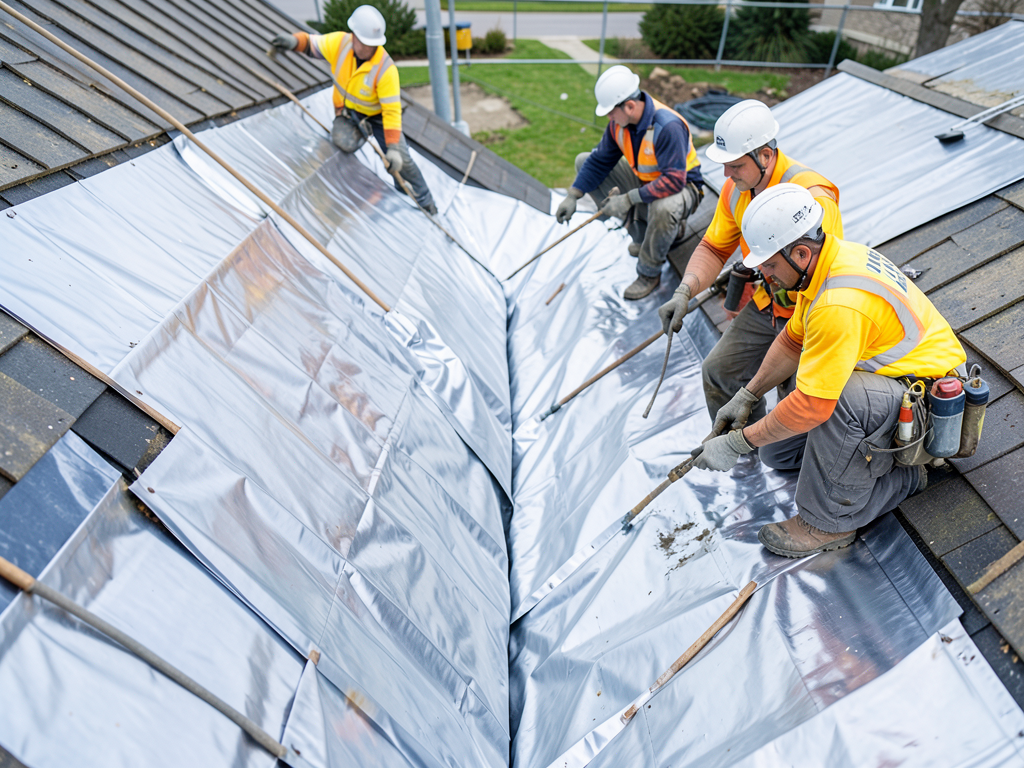
Image Description: Diagram showing proper ice and water shield installation in roof valleys and around chimneys, with step-by-step application process.
Frequently Asked Questions
How do I verify a roofing contractor’s license in North Carolina?
Visit the North Carolina Licensing Board for General Contractors website and search using the contractor’s license number. You can verify active status, expiration date, and any disciplinary actions. Always verify before signing any contract.
What insurance should a roofing contractor carry?
A legitimate roofing contractor should carry both general liability insurance (minimum $500,000 in North Carolina) and workers’ compensation insurance for all employees. Request current certificates and verify policy dates before work begins.
How long should a roofing project take in Stallings or Indian Trail?
Most residential roofing projects in the area take two to three days under normal weather conditions. Complex roofs or those requiring extensive repairs may take longer. Ask for a specific timeline in your contract.
What’s the difference between manufacturer and workmanship warranties?
Manufacturer warranties cover material defects but exclude installation errors. Workmanship warranties cover installation quality and are provided by the contractor. Both should be in writing and clearly explain what’s covered.
Should I pay for a roof inspection before getting quotes?
Many reputable contractors offer free inspections to assess your roof’s condition and provide accurate quotes. Be wary of companies charging for basic inspections, as this may indicate high-pressure sales tactics.
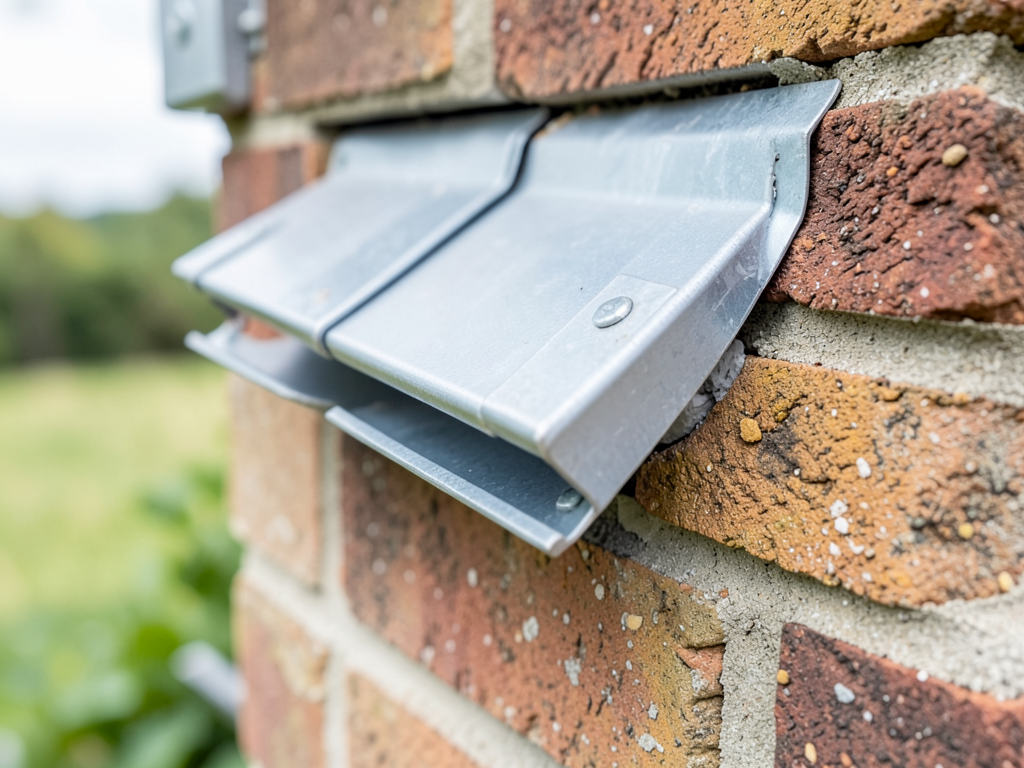
Image Description: Photo showing proper attic ventilation with ridge vents and soffit vents installed, demonstrating balanced airflow for moisture control.
Image Description: Close-up of quality step flashing installation around a chimney, showing proper overlap and sealant application techniques.
Take Action to Protect Your Home Investment
Armed with these essential questions, you’re now prepared to interview roofing contractors with confidence. The right questions reveal whether a contractor is truly qualified to handle your specific roofing needs in Stallings or Indian Trail. Remember that the cheapest option rarely provides the best value when it comes to protecting your home from North Carolina’s challenging weather conditions.
Don’t wait until a small leak becomes a major problem. Take control of your roofing project by asking these critical questions before signing any contract. Your home deserves quality workmanship and reliable protection for years to come.
Ready to get started? Call (980) 352-5899 today to schedule your comprehensive roof inspection. Our experienced team serves Stallings, Indian Trail, and all of Union County with the expertise and local knowledge your home deserves. We’ll answer all your questions and provide a detailed, transparent quote for your roofing project.
Pick up the phone and call (980) 352-5899 before the next storm hits. Your home’s protection can’t wait.
You may also find this helpful. Understanding the Total Weight of a New Roof (And if Your Older Charlotte Home Can Support It).
{
“@context”: “https://schema.org”,
“@type”: “BlogPosting”,
“headline”: “Essential Questions to Ask a Roofer Before Signing a Contract in Stallings or Indian Trail”,
“description”: “Protect your home in Stallings or Indian Trail with these 15 critical questions for roofing contractors. Learn NC licensing, insurance, warranties, and local building code requirements.”,
“wordCount”: 1987,
“datePublished”: “2026-05-12T07:29:00.000Z”,
“dateModified”: “2026-05-12T07:29:00.000Z”,
“inLanguage”: “en-US”,
“mainEntityOfPage”: {
“@type”: “WebPage”,
“@id”: “https://fivestarroofingcharlotte.com”
},
“publisher”: {
“@type”: “LocalBusiness”,
“name”: “Five Star Roofing Charlotte”,
“url”: “https://fivestarroofingcharlotte.com”
},
“author”: {
“@type”: “Organization”,
“name”: “Five Star Roofing Charlotte”,
“url”: “https://fivestarroofingcharlotte.com”
},
“image”: {
“@type”: “ImageObject”,
“url”: “https://fivestarroofingcharlotte.com/wp-content/uploads/2026/03/essential-questions-to-ask-a-roofer-before-signing-1.png”
}
}
{
“@context”: “https://schema.org”,
“@type”: “RoofingContractor”,
“name”: “Five Star Roofing Charlotte”,
“url”: “https://fivestarroofingcharlotte.com”,
“address”: {
“@type”: “PostalAddress”,
“addressLocality”: “Charlotte”
},
“areaServed”: {
“@type”: “City”,
“name”: “Charlotte”
}
}
{
“@context”: “https://schema.org”,
“@type”: “FAQPage”,
“mainEntity”: [
{
“@type”: “Question”,
“name”: “How do I verify a roofing contractor’s license in North Carolina?”,
“acceptedAnswer”: {
“@type”: “Answer”,
“text”: “Visit the North Carolina Licensing Board for General Contractors website and search using the contractor’s license number. You can verify active status, expiration date, and any disciplinary actions. Always verify before signing any contract.”
}
},
{
“@type”: “Question”,
“name”: “What insurance should a roofing contractor carry?”,
“acceptedAnswer”: {
“@type”: “Answer”,
“text”: “A legitimate roofing contractor should carry both general liability insurance (minimum $500,000 in North Carolina) and workers’ compensation insurance for all employees. Request current certificates and verify policy dates before work begins.”
}
},
{
“@type”: “Question”,
“name”: “How long should a roofing project take in Stallings or Indian Trail?”,
“acceptedAnswer”: {
“@type”: “Answer”,
“text”: “Most residential roofing projects in the area take two to three days under normal weather conditions. Complex roofs or those requiring extensive repairs may take longer. Ask for a specific timeline in your contract.”
}
},
{
“@type”: “Question”,
“name”: “What’s the difference between manufacturer and workmanship warranties?”,
“acceptedAnswer”: {
“@type”: “Answer”,
“text”: “Manufacturer warranties cover material defects but exclude installation errors. Workmanship warranties cover installation quality and are provided by the contractor. Both should be in writing and clearly explain what’s covered.”
}
},
{
“@type”: “Question”,
“name”: “Should I pay for a roof inspection before getting quotes?”,
“acceptedAnswer”: {
“@type”: “Answer”,
“text”: “Many reputable contractors offer free inspections to assess your roof’s condition and provide accurate quotes. Be wary of companies charging for basic inspections, as this may indicate high-pressure sales tactics.”
}
}
]
}
{
“@context”: “https://schema.org”,
“@type”: “BreadcrumbList”,
“itemListElement”: [
{
“@type”: “ListItem”,
“position”: 1,
“name”: “Home”,
“item”: “https://fivestarroofingcharlotte.com”
},
{
“@type”: “ListItem”,
“position”: 2,
“name”: “Blog”,
“item”: “https://fivestarroofingcharlotte.com/blog”
},
{
“@type”: “ListItem”,
“position”: 3,
“name”: “Essential Questions to Ask a Roofer Before Signing a Contract in Stallings or Indian Trail”
}
]
}
{
“@context”: “https://schema.org”,
“@type”: “Service”,
“serviceType”: “Roofing”,
“provider”: {
“@type”: “LocalBusiness”,
“name”: “Five Star Roofing Charlotte”,
“url”: “https://fivestarroofingcharlotte.com”
},
“areaServed”: {
“@type”: “City”,
“name”: “Charlotte”
},
“description”: “Protect your home in Stallings or Indian Trail with these 15 critical questions for roofing contractors. Learn NC licensing, insurance, warranties, and local building code requirements.”
}