
How Big Does Hail Really Need to Be to Damage Your Roof?
Living in Charlotte means dealing with severe thunderstorms that can drop hail ranging from pea-sized pellets to baseball-sized chunks of ice. Most homeowners wonder: how big does hail actually need to be to damage my roof? The answer depends on several factors beyond just size, including wind speed, hail density, and your roofing material’s age and condition. Why More Huntersville Homeowners Are Switching to Standing Seam Metal Roofs.
As a general rule, hail needs to be at least one inch in diameter—about the size of a quarter—to cause functional damage to asphalt shingles. However, even smaller hail can cause problems if it’s driven by high winds or if your roof is already aged or compromised. Understanding these thresholds helps you make informed decisions about when to call for a professional inspection.. Read more about Why Your Monroe Home Needs a Storm Damage Assessment After Every Major Hail Event.
Hail Size Chart & Damage Thresholds
The National Weather Service classifies hail by size, and each category carries different potential for roof damage. Here’s what you need to know about hail sizes and their typical impact on Charlotte roofs: Getting Your Charlotte Roof Repaired After a Hail Storm — A Local Guide to Insurance Claims.
| Hail Size | Common Comparison | Typical Damage to Asphalt Shingles | Wind Speed Needed for Damage |
|---|---|---|---|
| Pea (1/4 inch) | Pea or pencil eraser | Minimal to none, unless wind-driven | 40+ mph |
| Marble (1/2 inch) | Marble or dime | Possible granule loss, minimal bruising | 30-40 mph |
| Quarter (1 inch) | Quarter or nickel | Functional damage begins, bruising visible | 20-30 mph |
| Golf Ball (1.75 inch) | Golf ball | Significant bruising, potential cracking | 15-25 mph |
| Baseball (2.75 inch) | Baseball | Severe damage, cracking, granule loss | 10-20 mph |
Charlotte’s location in the Piedmont region means we frequently experience thunderstorms with wind speeds between 20-40 mph, which can significantly reduce the hail size needed to cause damage. A quarter-sized hailstone driven by 30 mph winds can cause more damage than a golf ball-sized hailstone falling straight down.
Why Size Isn’t the Only Factor
Many Charlotte homeowners are surprised to learn that hail size alone doesn’t determine whether your roof will be damaged. Several other factors play crucial roles in whether hail causes functional damage that requires repair.
Wind Velocity and Direction dramatically affect impact force. Hail falling straight down has less kinetic energy than hail blown sideways by strong winds. In Charlotte, we often see wind-driven hail during summer thunderstorms when cold air aloft meets warm surface air, creating violent updrafts and downdrafts.
Hail Density and Shape matter more than you might think. Clear ice hail is denser and harder than milky white hail containing air bubbles. Irregularly shaped hailstones can concentrate force on a smaller area, causing more damage than a perfectly spherical stone of the same mass.
Roof Age and Material Condition significantly lower the damage threshold. A 15-year-old asphalt shingle roof in Charlotte has lost much of its flexibility and granule coverage compared to a new roof. The thermal cycling from our hot summers and occasional winter freezes causes shingles to become brittle, making them more susceptible to hail damage.
Roof Pitch affects how hail impacts your surface. Steeper roofs (6:12 pitch or greater) tend to shed hail more effectively than low-slope roofs, where hail can sit and cause repeated impact damage during a storm.
Identifying Damage by Material Type
Different roofing materials react differently to hail impact. Understanding what to look for helps you determine if you need a professional inspection after a storm.
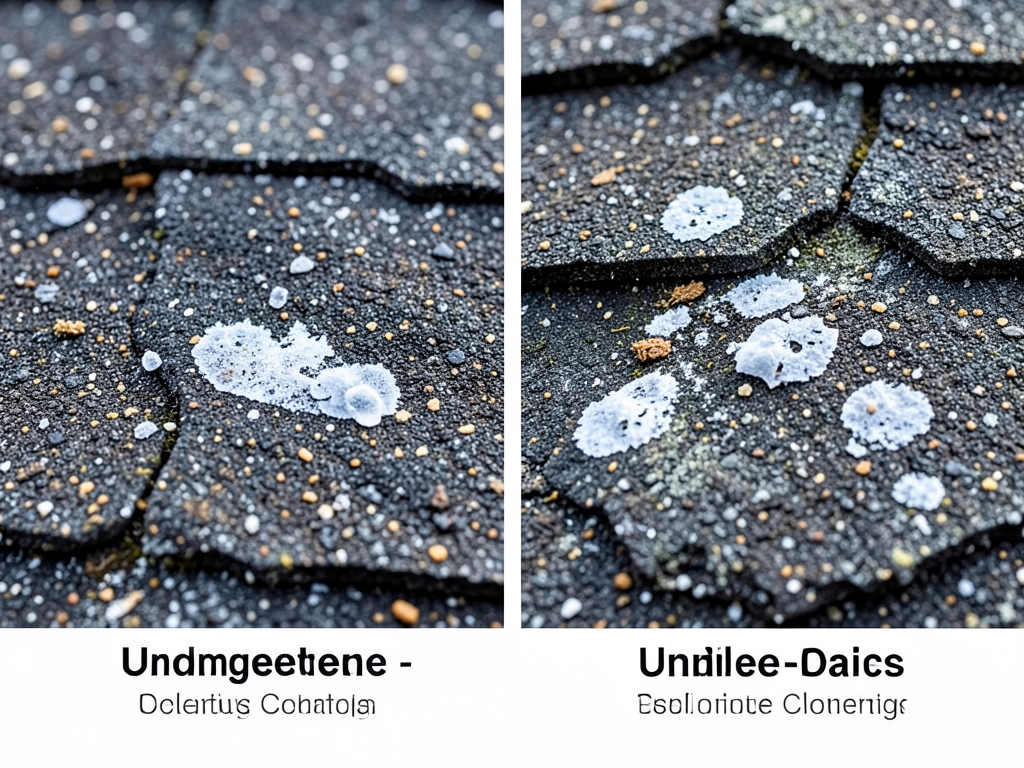
Asphalt Shingles show damage through bruising, which appears as dark spots where the shingle’s fiberglass mat has been compressed. You might also notice granule loss, where the protective stone coating has been knocked off, exposing the asphalt layer underneath. This damage often looks like bare spots or shiny areas on the shingle surface.
Metal Roofing typically shows dents and dimples from hail impact. While metal is more resistant to puncture than asphalt, severe hail can cause cosmetic damage that may affect the roof’s protective coating over time. Look for smooth, round depressions on the metal surface.
Slate and Tile Roofing are brittle materials that can crack or shatter from hail impact. Even small hail can cause significant damage to these premium materials. Look for hairline cracks, broken pieces, or displaced tiles after a storm.
Flat Roof Systems used on many Charlotte commercial buildings can suffer membrane punctures, blistering, or separation at seams. The soft nature of materials like EPDM or TPO makes them vulnerable to hail penetration, especially if the hail is large or wind-driven.
The Charlotte Context: Local Weather Patterns
Charlotte experiences a unique combination of weather factors that affect hail damage potential. Our location in the Piedmont region places us in the path of both Gulf moisture and cold air masses from the north, creating ideal conditions for severe thunderstorms.
According to the National Weather Service Charlotte office, Mecklenburg County averages 6-8 significant hail events per year, with most occurring between March and October. The highest frequency typically falls in May and June, coinciding with our peak thunderstorm season.
Recent data shows that Charlotte has experienced several notable hail events in the past five years. In 2023, a supercell thunderstorm dropped golf ball-sized hail across parts of south Charlotte, causing widespread damage to roofs, vehicles, and landscaping. The storm’s straight-line winds of 40-50 mph amplified the hail’s destructive potential.
Charlotte’s urban heat island effect can also influence hail formation. The warmer air over the city can create stronger updrafts in approaching storms, potentially leading to larger hail formation as the storm passes over the metro area.
Local soil conditions in the Charlotte area, particularly the expansive clay soil common throughout Mecklenburg County, can indirectly affect roof vulnerability. As clay soil expands and contracts with moisture changes, it can cause subtle shifting in home foundations that may stress roofing connections over time, making roofs more susceptible to hail damage.
Insurance Claims and Hidden Damage
Understanding when to file an insurance claim for hail damage requires knowing the difference between functional and cosmetic damage. Functional damage affects your roof’s ability to protect your home, while cosmetic damage is purely aesthetic.
The North Carolina Department of Insurance recommends documenting hail damage immediately after a storm. Take clear photos of your roof, gutters, and any visible damage. Note the date and time of the storm, as this information is crucial for your claim.
Many Charlotte homeowners don’t realize that small hail can cause hidden damage that manifests months later. Granule loss might seem minor immediately after a storm, but it accelerates shingle aging by exposing the asphalt to UV radiation. This can lead to premature cracking, curling, and eventual leaks.
The typical insurance claim timeline in North Carolina allows you to file a claim within 12-24 months of the damaging event, though this varies by policy. However, waiting too long can be problematic because insurance companies may argue that damage resulted from normal wear rather than the specific storm event.
Professional roof inspections are crucial because hail damage isn’t always visible from the ground. Trained inspectors use specific diagnostic techniques, including checking for soft spots in shingles that indicate underlying bruising, examining gutters for granule accumulation, and inspecting flashing for impact damage. Expert Roof Inspections for Waterfront Homes in Cornelius and Davidson.
In Charlotte’s humid climate, even minor hail damage can lead to algae growth or moss formation in damaged areas, accelerating roof deterioration. This makes prompt inspection and repair particularly important for our local conditions.
Professional Inspection: What to Expect
After a hail storm, a professional inspection involves much more than just looking at your roof from the ground. Certified inspectors use multiple diagnostic methods to assess potential damage.
During a typical inspection, technicians examine the entire roof surface for signs of impact damage, check all penetrations (vents, chimneys, skylights) for damage, and inspect gutters and downspouts for granule loss or denting. They also look in your attic for signs of water intrusion that might indicate compromised roofing. Chimney Leak Emergency Repair.
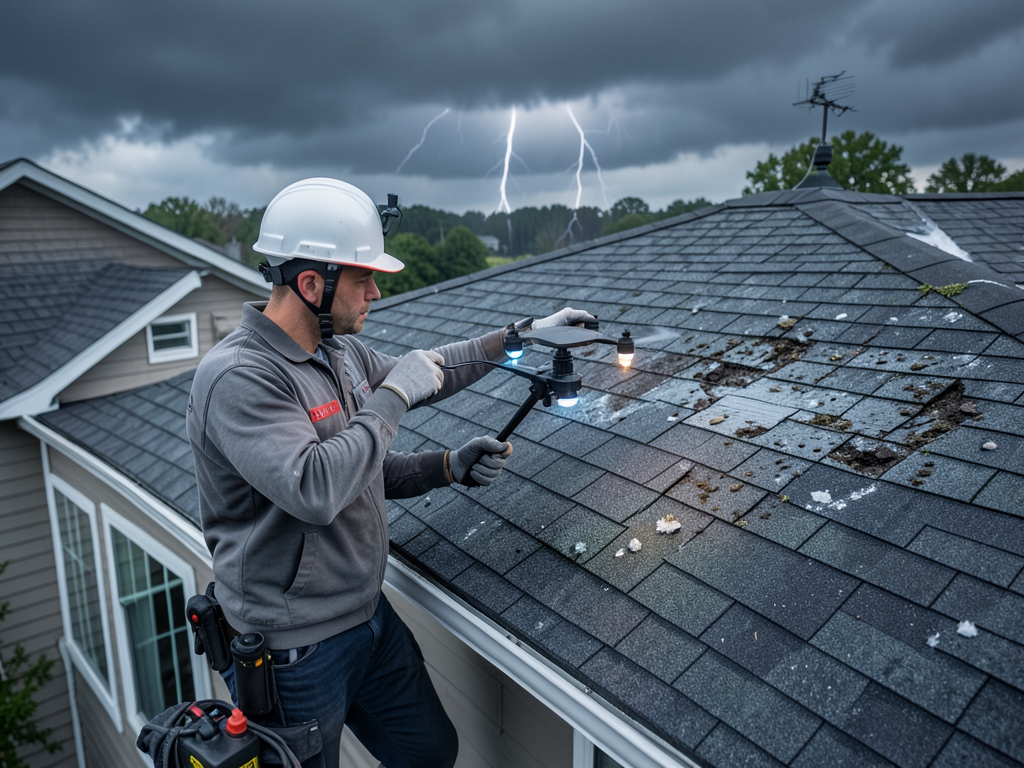
Modern inspection techniques include drone technology, which allows inspectors to safely examine steep or difficult-to-access roofs. Drones can capture high-resolution images of roof surfaces, making it easier to spot small areas of damage that might be missed during a manual inspection.
The inspection process also includes checking your home’s interior for signs of water damage, such as stains on ceilings or walls, which might indicate that hail damage has already led to leaks. This comprehensive approach ensures that all potential issues are identified.
Professional inspectors in Charlotte are familiar with local building codes and insurance company requirements. They can provide detailed documentation that supports insurance claims and ensures that any necessary repairs meet local standards.
Prevention and Protection Strategies
While you can’t prevent hail from falling, you can take steps to minimize potential damage to your Charlotte home. Understanding your risk factors helps you make informed decisions about roof maintenance and protection.
Regular roof maintenance is your first line of defense. Keeping your roof in good condition means it’s better able to withstand hail impact. This includes cleaning gutters regularly, removing debris that can trap moisture, and addressing minor damage before it becomes major. Roof Cleaning & Maintenance.
Consider impact-resistant roofing materials if you’re replacing your roof. Class 4 impact-resistant shingles carry a UL 2218 certification and can withstand impacts from steel balls dropped from specific heights. While more expensive initially, they may qualify for insurance discounts in hail-prone areas.
Proper attic ventilation helps maintain your roof’s structural integrity. Charlotte’s hot, humid summers can cause heat buildup in attics, which can make roofing materials more brittle and susceptible to hail damage. Good ventilation keeps your roof system at a more consistent temperature.
Trim trees near your home to reduce the risk of branches falling during storms and causing additional damage. Also, ensure that any loose items in your yard are secured before severe weather arrives, as wind-blown debris can compound hail damage.
When to Call for an Inspection
Knowing when to call for a professional inspection can save you thousands of dollars in repair costs. Here are clear indicators that you should have your roof checked after a hail event.
Call for an inspection if you experienced hail of any size during a storm, especially if accompanied by strong winds. Even pea-sized hail driven by 30+ mph winds can cause damage to older roofs or roofs with existing vulnerabilities.
Schedule an inspection if you notice granules in your gutters or downspouts after a storm. This is often the first visible sign of hail damage and indicates that your shingles have lost some of their protective coating.
Contact a professional if you see visible damage to other property from the same storm. If your car has dents from hail, your roof likely sustained similar impacts, even if the damage isn’t immediately visible.
Don’t wait if your roof is approaching the end of its expected lifespan. A 15-20 year old asphalt shingle roof in Charlotte is already nearing replacement age and will be more vulnerable to hail damage than a newer roof.
Remember that hail damage can be subtle and may not cause immediate leaks. The cumulative effect of multiple hail events over time can significantly shorten your roof’s lifespan, making early detection crucial.
Frequently Asked Questions
Can pea-sized hail damage my roof?
Generally, pea-sized hail (1/4 inch) causes minimal damage to healthy roofs. However, if your roof is older, already damaged, or if the hail is wind-driven at high speeds, even small hail can cause granule loss and minor bruising that may lead to premature aging.
How long after a hail storm should I wait to inspect my roof?
You should inspect your roof as soon as it’s safe to do so after a storm. However, some damage may not be immediately visible. It’s often best to have a professional inspection within 24-48 hours of the storm, and again after 2-3 weeks when any gradual damage may become apparent.
Will my insurance cover hail damage if I can’t see any visible signs?
Yes, insurance may cover hail damage even if you can’t see visible signs from the ground. Many insurance companies require a professional inspection to document functional damage that isn’t immediately apparent, such as bruising or granule loss that affects the roof’s long-term performance.
How much does a hail damage inspection cost in Charlotte?
Most reputable roofing companies in Charlotte offer free hail damage inspections. However, if you need a detailed inspection report for insurance purposes, there may be a fee of $100-300, which is often credited toward any repair work performed.
Can I inspect my own roof for hail damage?
While you can look for obvious signs from the ground, a thorough inspection requires climbing on the roof and checking for subtle damage. Walking on your roof can be dangerous and may cause additional damage. Professional inspectors have the training, equipment, and insurance to safely assess hail damage.
Hail damage to your roof is a serious concern for Charlotte homeowners, but understanding the size thresholds and damage factors helps you make informed decisions about when to seek professional help. Remember that one inch (quarter-sized) hail is the industry standard for functional damage, but wind, roof age, and material type all play crucial roles in determining actual impact.
Don’t wait until you see water stains on your ceiling to address potential hail damage. The cost of a professional inspection is minimal compared to the expense of extensive repairs or premature roof replacement. If you’ve experienced a recent hail storm in the Charlotte area, it’s worth having your roof checked by qualified professionals.
Call (980) 352-5899 today to schedule your free hail damage inspection. Our experienced team serves homeowners throughout Charlotte and surrounding communities, providing thorough assessments and honest recommendations. Don’t let hidden hail damage compromise your home’s protection—pick up the phone and call (980) 352-5899 before the next storm hits.
{
“@context”: “https://schema.org”,
“@type”: “BlogPosting”,
“headline”: “How Big Does Hail Really Need to Be to Damage Your Roof?”,
“description”: “Discover the hail size thresholds that cause roof damage in Charlotte, NC. Learn about granule loss, shingle bruising, and when to call for a professional inspection after a storm.”,
“wordCount”: 2312,
“datePublished”: “2026-04-03T12:07:00.000Z”,
“dateModified”: “2026-04-03T12:07:00.000Z”,
“inLanguage”: “en-US”,
“mainEntityOfPage”: {
“@type”: “WebPage”,
“@id”: “https://fivestarroofingcharlotte.com”
},
“publisher”: {
“@type”: “LocalBusiness”,
“name”: “Five Star Roofing Charlotte”,
“url”: “https://fivestarroofingcharlotte.com”
},
“author”: {
“@type”: “Organization”,
“name”: “Five Star Roofing Charlotte”,
“url”: “https://fivestarroofingcharlotte.com”
},
“image”: {
“@type”: “ImageObject”,
“url”: “https://fivestarroofingcharlotte.com/wp-content/uploads/2026/03/how-big-does-hail-really-need-to-be-to-damage-your-1.png”
}
}
{
“@context”: “https://schema.org”,
“@type”: “RoofingContractor”,
“name”: “Five Star Roofing Charlotte”,
“url”: “https://fivestarroofingcharlotte.com”,
“address”: {
“@type”: “PostalAddress”,
“addressLocality”: “Charlotte”
},
“areaServed”: {
“@type”: “City”,
“name”: “Charlotte”
}
}
{
“@context”: “https://schema.org”,
“@type”: “FAQPage”,
“mainEntity”: [
{
“@type”: “Question”,
“name”: “Can pea-sized hail damage my roof?”,
“acceptedAnswer”: {
“@type”: “Answer”,
“text”: “Generally, pea-sized hail (1/4 inch) causes minimal damage to healthy roofs. However, if your roof is older, already damaged, or if the hail is wind-driven at high speeds, even small hail can cause granule loss and minor bruising that may lead to premature aging.”
}
},
{
“@type”: “Question”,
“name”: “How long after a hail storm should I wait to inspect my roof?”,
“acceptedAnswer”: {
“@type”: “Answer”,
“text”: “You should inspect your roof as soon as it’s safe to do so after a storm. However, some damage may not be immediately visible. It’s often best to have a professional inspection within 24-48 hours of the storm, and again after 2-3 weeks when any gradual damage may become apparent.”
}
},
{
“@type”: “Question”,
“name”: “Will my insurance cover hail damage if I can’t see any visible signs?”,
“acceptedAnswer”: {
“@type”: “Answer”,
“text”: “Yes, insurance may cover hail damage even if you can’t see visible signs from the ground. Many insurance companies require a professional inspection to document functional damage that isn’t immediately apparent, such as bruising or granule loss that affects the roof’s long-term performance.”
}
},
{
“@type”: “Question”,
“name”: “How much does a hail damage inspection cost in Charlotte?”,
“acceptedAnswer”: {
“@type”: “Answer”,
“text”: “Most reputable roofing companies in Charlotte offer free hail damage inspections. However, if you need a detailed inspection report for insurance purposes, there may be a fee of $100-300, which is often credited toward any repair work performed.”
}
},
{
“@type”: “Question”,
“name”: “Can I inspect my own roof for hail damage?”,
“acceptedAnswer”: {
“@type”: “Answer”,
“text”: “While you can look for obvious signs from the ground, a thorough inspection requires climbing on the roof and checking for subtle damage. Walking on your roof can be dangerous and may cause additional damage. Professional inspectors have the training, equipment, and insurance to safely assess hail damage.”
}
}
]
}
{
“@context”: “https://schema.org”,
“@type”: “BreadcrumbList”,
“itemListElement”: [
{
“@type”: “ListItem”,
“position”: 1,
“name”: “Home”,
“item”: “https://fivestarroofingcharlotte.com”
},
{
“@type”: “ListItem”,
“position”: 2,
“name”: “Blog”,
“item”: “https://fivestarroofingcharlotte.com/blog”
},
{
“@type”: “ListItem”,
“position”: 3,
“name”: “How Big Does Hail Really Need to Be to Damage Your Roof?”
}
]
}
{
“@context”: “https://schema.org”,
“@type”: “Service”,
“serviceType”: “Roofing”,
“provider”: {
“@type”: “LocalBusiness”,
“name”: “Five Star Roofing Charlotte”,
“url”: “https://fivestarroofingcharlotte.com”
},
“areaServed”: {
“@type”: “City”,
“name”: “Charlotte”
},
“description”: “Discover the hail size thresholds that cause roof damage in Charlotte, NC. Learn about granule loss, shingle bruising, and when to call for a professional inspection after a storm.”
}