
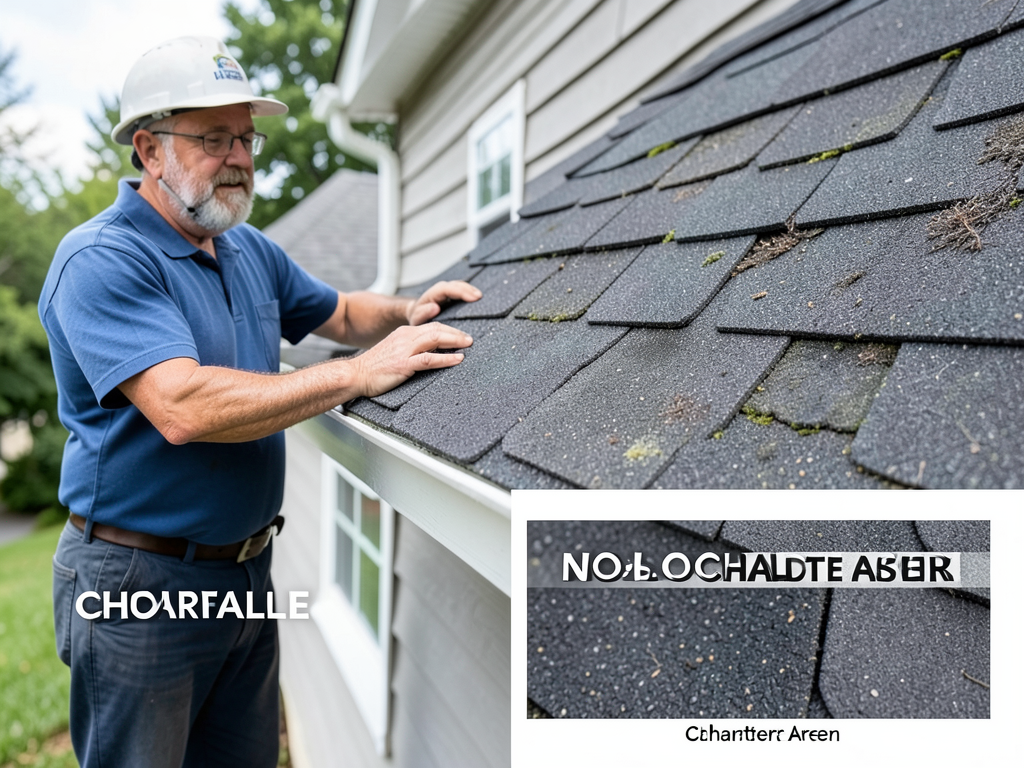
How Granule Loss Affects the Lifespan of Your Shingles (And When to Worry About It)
Finding black sand-like granules in your gutters or on your driveway can be alarming. But before you panic, understanding what granule loss really means for your roof’s health is crucial. In Charlotte’s humid climate with intense summer UV exposure and occasional hailstorms, granule loss is a common concern for homeowners. This guide will help you distinguish between normal shedding and signs of serious roof damage that require immediate attention. Why More Huntersville Homeowners Are Switching to Standing Seam Metal Roofs.
Understanding Granule Loss: What’s Normal and What’s Not
Asphalt shingles naturally lose some granules throughout their lifespan. New shingles often shed excess granules during the first few months after installation—this is completely normal and doesn’t affect performance. However, excessive granule loss on aging roofs can expose the asphalt layer to UV damage, accelerating deterioration and potentially leading to leaks. The Best Shingles to Withstand the Charlotte Summer Heat and Humidity.
Think of granules as your roof’s sunscreen. They protect the underlying asphalt from the sun’s harsh rays. When too many granules wash away, the shingle becomes vulnerable to cracking, curling, and eventual failure. The key is knowing when to worry.
Is Granule Loss Normal? (New Roofs vs. Old Roofs)
New roof installations naturally produce some granule shedding. During manufacturing and transportation, loose granules accumulate on the shingle surface. When it rains, these excess granules wash into your gutters—a process called “factory shed.” This typically stops within the first few months and doesn’t indicate any problems with your new roof.. Read more about What Happens to Your Roof Warranty if You Install Holiday Lights the Wrong Way?.
However, granule loss patterns change as your roof ages. On a 15-20 year old roof, you might notice:
- Thinning areas where the asphalt shows through
- Curling or buckling shingles
- Exposed fiberglass mat in severe cases
- Accumulation of granules in specific areas rather than uniform shedding
The difference is distribution and severity. Uniform shedding on a new roof is normal. Patchy bald spots on an older roof signal trouble.
Top Causes of Granule Loss in North Carolina
Charlotte’s unique climate creates specific challenges for asphalt shingles. Understanding these local factors helps you anticipate and prevent premature granule loss. Getting Your Charlotte Roof Repaired After a Hail Storm — A Local Guide to Insurance Claims.
UV Radiation and Heat: North Carolina receives more annual sunshine than most states. The intense UV radiation breaks down the asphalt binder that holds granules in place. During summer months, roof surface temperatures can exceed 150°F, causing thermal expansion that loosens granules over time.
Thermal Shock: Charlotte experiences significant temperature swings between day and night, especially during spring and fall. This expansion and contraction cycle stresses the shingle bonds, accelerating granule loss.
Hail Damage: Mecklenburg County averages 6-8 hailstorms annually. Hail impacts can knock granules loose immediately, creating bare spots that become entry points for water damage.
Algae Growth: The humid Piedmont climate promotes algae growth (Gloeocapsa magma) on north-facing roof slopes. While algae itself doesn’t cause granule loss, it indicates moisture retention that can weaken shingle bonds over time.
How to Identify Problematic Granule Loss
Not all granule loss requires immediate action. Use this checklist to assess your situation:
- Gutter Check: A thin layer of granules after heavy rain is normal. Thick accumulation or visible bare spots on shingles where granules have washed away indicates accelerated loss.
- Visual Inspection: From ground level, look for shiny or discolored patches on your roof. These often indicate areas where granules have worn away.
- Physical Signs: If you can see the fiberglass mat or asphalt layer through the shingle, granule loss has progressed to a critical stage.
- Age Consideration: Roofs over 15 years old showing significant granule loss may be nearing the end of their service life.
Diagnostic Test: A simple screwdriver test can help assess severity. Gently press a screwdriver against the shingle surface. If granules easily flake off or the surface feels soft and spongy, the shingle has likely deteriorated beyond normal wear.
Does Insurance Cover Granule Loss?
Understanding your insurance coverage is crucial when dealing with granule loss. North Carolina insurance policies typically distinguish between wear and tear versus storm damage.. Read more about Dealing with the Intense Afternoon Sun on Your West-Facing Roof in West Boulevard Neighborhoods.
Wear and Tear: Insurance companies consider granule loss from normal aging and UV exposure as maintenance issues, not covered events. If your 20-year-old roof is shedding granules due to age, you’ll likely need to pay for replacement yourself.
Storm Damage: Hail damage causing granule loss is typically covered under standard homeowners policies in North Carolina. Look for these signs of hail-related damage:
- Random, circular bare spots across multiple shingles
- Impact marks or bruising on the shingle surface
- Loss concentrated after specific storm events
Documentation Tip: Take photos of granule accumulation in gutters and any visible bare spots. Document the date and weather conditions. This information helps insurance adjusters determine if damage qualifies as a covered event.
Impact on Roof Lifespan and Home Value
Granule loss directly affects both your roof’s functional lifespan and your home’s market value in Charlotte’s competitive real estate market.
Lifespan Reduction: A roof with significant granule loss may fail 5-10 years earlier than expected. While a 25-30 year shingle might last 20-25 years with some granule loss, severe cases can reduce lifespan to 10-15 years.
Resale Considerations: In neighborhoods like Ballantyne, SouthPark, or Myers Park, roof condition significantly impacts appraisal values. Buyers and inspectors look for:
- Uniform granule coverage
- No visible bare spots
- Proper flashing and edge details
- Recent installation dates (within 15 years)
Energy Efficiency Impact: Granule loss affects your home’s energy performance. Dark asphalt absorbs more heat when granules wear away, potentially increasing cooling costs by 10-15% during Charlotte’s hot summers.
Next Steps: Repair or Replacement?
Deciding between repair and replacement depends on several factors specific to your situation. EPA heat island effect.
Repair Scenarios: Localized granule loss from specific storm damage or minor wear might be repairable if:
- The affected area is less than 10% of total roof surface
- Underlying decking remains solid
- Shingles around damaged areas are still flexible
Replacement Indicators: Consider full replacement when:
- Multiple areas show granule loss across the roof
- Shingles are brittle and crack easily
- You notice water stains on ceilings or walls
- Your roof is over 20 years old with significant wear
Cost-Benefit Analysis: In Charlotte’s market, a full roof replacement typically costs $8,000-$15,000 for an average home. However, delaying replacement when needed can lead to water damage repairs costing $5,000-$20,000 or more.
Prevention and Maintenance Strategies
While you can’t stop granule loss entirely, you can slow the process and extend your roof’s life.
Regular Cleaning: Keep gutters clean to prevent water backup that can accelerate granule loss. Schedule professional cleaning twice yearly, especially after fall leaf drop and spring pollen season.
Tree Management: Trim branches that hang over your roof. Falling debris and constant shade create moisture pockets that weaken shingle bonds.
Ventilation Improvement: Proper attic ventilation reduces heat buildup that accelerates granule loss. Ensure your ridge vents and soffit vents are clear and functioning.
Quality Installation: When replacement becomes necessary, choose impact-resistant shingles rated for North Carolina’s climate. Class 4 impact-resistant shingles offer better hail protection and longer granule retention.
Professional Inspection Process
A thorough roof inspection goes beyond simple visual checks. Professional inspectors evaluate multiple factors:
- Moisture Detection: Using thermal imaging to identify water intrusion around flashing and valleys
- Structural Assessment: Checking decking for rot or sagging that indicates water damage
- Gutter System Evaluation: Assessing proper drainage and identifying granule accumulation patterns
- Ventilation Analysis: Measuring attic airflow to ensure proper temperature regulation
Documentation Standards: Professional inspections should include detailed photos, moisture readings, and specific recommendations. This documentation proves invaluable for insurance claims or future home sales.
Choosing the Right Shingles for Charlotte’s Climate
When replacement becomes necessary, selecting appropriate shingles makes a significant difference in longevity and performance.. Read more about The Best Time of Year to Schedule Your Roof Replacement in North Carolina.
Material Considerations: Modern architectural shingles offer better granule retention than traditional three-tab varieties. Look for shingles with:
- Modified asphalt for better UV resistance
- Enhanced granule adhesion technology
- Algae-resistant copper-infused granules
Brand Performance: In Charlotte’s climate, brands like GAF, Owens Corning, and CertainTeed offer products specifically engineered for high-heat, high-humidity environments. Their premium lines include extended warranties covering granule loss under specific conditions.
Installation Quality: Even the best shingles fail prematurely with poor installation. Ensure your contractor follows manufacturer specifications and local building codes, including proper nailing patterns and underlayment installation.
Local Building Code Requirements
Mecklenburg County enforces specific roofing standards that affect granule loss prevention and repair. Built-Up Roofing.
Wind Uplift Requirements: Charlotte’s building code requires enhanced fastening for roofs in wind-prone areas. This includes six nails per shingle instead of four in certain zones, improving overall system integrity and reducing wind-related granule loss.
Underlayment Standards: Current code requires synthetic underlayment or 30-pound felt paper in most applications. This secondary barrier protects against water intrusion if granule loss exposes the primary layer.
Permitting Process: Any roof replacement over 100 square feet requires a permit in Mecklenburg County. This ensures inspections verify compliance with local wind and fire safety standards.
Environmental Impact and Recycling
Roof replacement generates significant waste, but recycling options are improving in the Charlotte area.. Read more about Roof Repair vs. Full Replacement (A Decision Guide for Homeowners in Older Gastonia Neighborhoods).
Recycling Programs: Several facilities in the Charlotte metro area now accept asphalt shingles for recycling into road paving materials. This keeps thousands of tons of material out of landfills annually.
Energy Efficiency: Modern cool-roof shingles with reflective granules can reduce cooling costs by 10-15% in Charlotte’s climate. These products maintain better granule adhesion while reflecting more solar radiation.
Sustainable Options: Some manufacturers now offer shingles with recycled content and enhanced durability, reducing the frequency of replacement and overall environmental impact.
Emergency Situations: When to Act Immediately
Certain conditions require immediate professional attention to prevent extensive damage.
Active Leaks: Water stains on ceilings or walls indicate granule loss has progressed to system failure. Immediate tarping prevents further interior damage.
Storm Damage: After severe weather, check for missing shingles, exposed underlayment, or concentrated granule loss in specific areas. These conditions worsen rapidly with subsequent rain.
Structural Concerns: Sagging roof sections or visible decking movement indicate water damage has compromised structural integrity. This requires emergency stabilization.
Insurance Deadlines: North Carolina insurance policies typically require claim filing within one year of damage occurrence. Document issues promptly to preserve your rights.
Frequently Asked Questions
How long should asphalt shingles last in Charlotte’s climate?
Quality asphalt shingles typically last 20-25 years in Charlotte’s climate, though severe weather and UV exposure can reduce this to 15-20 years without proper maintenance.
Can I prevent granule loss completely?
No, some granule loss is natural and unavoidable. However, proper installation, regular maintenance, and choosing climate-appropriate materials can significantly slow the process.
How do I know if my granule loss is covered by insurance?
Insurance typically covers granule loss from sudden events like hail damage, but not gradual wear from aging. A professional inspection can determine the cause and document damage for claims.. Read more about Why Your Roof Insurance Claim Was Denied (And How to Prevent It from Happening Again).
What’s the difference between normal shedding and serious granule loss?
Normal shedding produces uniform, light granule accumulation in gutters. Serious loss shows patchy bald spots, exposed asphalt, or concentrated loss in specific areas, often accompanied by other shingle deterioration.
How quickly should I address significant granule loss?
Address significant granule loss within 30-60 days to prevent water damage. Minor issues might wait until your next maintenance cycle, but don’t delay if you notice leaks or structural concerns.
Conclusion
Granule loss is a natural part of your roof’s aging process, but understanding when it becomes a serious problem can save you thousands in water damage repairs and premature replacement costs. In Charlotte’s challenging climate, staying proactive about roof maintenance makes the difference between a roof that lasts 15 years versus one that protects your home for 25+ years.
If you’ve noticed excessive granule loss, visible bare spots, or have concerns about your roof’s condition, don’t wait for the next storm to cause serious damage. Call (980) 352-5899 today to schedule a professional inspection. Our experienced team will assess your roof’s condition, provide honest recommendations, and help you understand your options for repair or replacement. Protect your investment and your family’s safety with expert roofing services you can trust. Expert Roof Inspections for Waterfront Homes in Cornelius and Davidson.
Remember, catching granule loss early often means the difference between a simple repair and a complete roof replacement. Take action now to ensure your home stays protected through Charlotte’s next severe weather season. For more information, visit FEMA disaster assistance.
{
“@context”: “https://schema.org”,
“@type”: “BlogPosting”,
“headline”: “How Granule Loss Affects the Lifespan of Your Shingles (And When to Worry About It)”,
“description”: “Learn how granule loss impacts your roof’s lifespan in Charlotte’s climate. Discover when it’s normal wear vs. serious damage that needs professional attention.”,
“wordCount”: 2105,
“datePublished”: “2026-05-22T12:21:00.000Z”,
“dateModified”: “2026-05-22T12:21:00.000Z”,
“inLanguage”: “en-US”,
“mainEntityOfPage”: {
“@type”: “WebPage”,
“@id”: “https://fivestarroofingcharlotte.com”
},
“publisher”: {
“@type”: “LocalBusiness”,
“name”: “Five Star Roofing Charlotte”,
“url”: “https://fivestarroofingcharlotte.com”
},
“author”: {
“@type”: “Organization”,
“name”: “Five Star Roofing Charlotte”,
“url”: “https://fivestarroofingcharlotte.com”
},
“image”: {
“@type”: “ImageObject”,
“url”: “https://fivestarroofingcharlotte.com/wp-content/uploads/2026/03/how-granule-loss-affects-the-lifespan-of-your-shin-1.png”
}
}
{
“@context”: “https://schema.org”,
“@type”: “RoofingContractor”,
“name”: “Five Star Roofing Charlotte”,
“url”: “https://fivestarroofingcharlotte.com”,
“address”: {
“@type”: “PostalAddress”,
“addressLocality”: “Charlotte”
},
“areaServed”: {
“@type”: “City”,
“name”: “Charlotte”
}
}
{
“@context”: “https://schema.org”,
“@type”: “FAQPage”,
“mainEntity”: [
{
“@type”: “Question”,
“name”: “Does Insurance Cover Granule Loss?”,
“acceptedAnswer”: {
“@type”: “Answer”,
“text”: “Understanding your insurance coverage is crucial when dealing with granule loss. North Carolina insurance policies typically distinguish between wear and tear versus storm damage.”
}
},
{
“@type”: “Question”,
“name”: “Next Steps: Repair or Replacement?”,
“acceptedAnswer”: {
“@type”: “Answer”,
“text”: “Deciding between repair and replacement depends on several factors specific to your situation. EPA heat island effect.”
}
},
{
“@type”: “Question”,
“name”: “How long should asphalt shingles last in Charlotte’s climate?”,
“acceptedAnswer”: {
“@type”: “Answer”,
“text”: “Quality asphalt shingles typically last 20-25 years in Charlotte’s climate, though severe weather and UV exposure can reduce this to 15-20 years without proper maintenance.”
}
},
{
“@type”: “Question”,
“name”: “Can I prevent granule loss completely?”,
“acceptedAnswer”: {
“@type”: “Answer”,
“text”: “No, some granule loss is natural and unavoidable. However, proper installation, regular maintenance, and choosing climate-appropriate materials can significantly slow the process.”
}
},
{
“@type”: “Question”,
“name”: “How do I know if my granule loss is covered by insurance?”,
“acceptedAnswer”: {
“@type”: “Answer”,
“text”: “Insurance typically covers granule loss from sudden events like hail damage, but not gradual wear from aging. A professional inspection can determine the cause and document damage for claims.”
}
},
{
“@type”: “Question”,
“name”: “What’s the difference between normal shedding and serious granule loss?”,
“acceptedAnswer”: {
“@type”: “Answer”,
“text”: “Normal shedding produces uniform, light granule accumulation in gutters. Serious loss shows patchy bald spots, exposed asphalt, or concentrated loss in specific areas, often accompanied by other shingle deterioration.”
}
},
{
“@type”: “Question”,
“name”: “How quickly should I address significant granule loss?”,
“acceptedAnswer”: {
“@type”: “Answer”,
“text”: “Address significant granule loss within 30-60 days to prevent water damage. Minor issues might wait until your next maintenance cycle, but don’t delay if you notice leaks or structural concerns.”
}
}
]
}
{
“@context”: “https://schema.org”,
“@type”: “BreadcrumbList”,
“itemListElement”: [
{
“@type”: “ListItem”,
“position”: 1,
“name”: “Home”,
“item”: “https://fivestarroofingcharlotte.com”
},
{
“@type”: “ListItem”,
“position”: 2,
“name”: “Blog”,
“item”: “https://fivestarroofingcharlotte.com/blog”
},
{
“@type”: “ListItem”,
“position”: 3,
“name”: “How Granule Loss Affects the Lifespan of Your Shingles (And When to Worry About It)”
}
]
}
{
“@context”: “https://schema.org”,
“@type”: “Service”,
“serviceType”: “Roofing”,
“provider”: {
“@type”: “LocalBusiness”,
“name”: “Five Star Roofing Charlotte”,
“url”: “https://fivestarroofingcharlotte.com”
},
“areaServed”: {
“@type”: “City”,
“name”: “Charlotte”
},
“description”: “Learn how granule loss impacts your roof’s lifespan in Charlotte’s climate. Discover when it’s normal wear vs. serious damage that needs professional attention.”
}