
How the Height and Complexity of Your Roof Affects the Final Labor Cost in Charlotte
Roof replacement costs in Charlotte vary significantly based on more than just materials. Labor often accounts for 40-60% of your total project cost, and the height and complexity of your roof directly impact those labor hours. A simple one-story ranch in Matthews requires far less crew time than a steep three-story Colonial in Myers Park. Understanding these factors helps you evaluate quotes and avoid surprises. Getting Your Charlotte Roof Repaired After a Hail Storm — A Local Guide to Insurance Claims.
Roof Pitch and Slope: The Safety Factor
Steep roofs require specialized equipment and safety protocols that drive up labor costs. For every 12 inches of horizontal run, a 12:12 pitch rises 12 inches vertically. Working on these slopes demands full fall-arrest systems, roof brackets, and often requires smaller crews working slower. The North Carolina Residential Code mandates specific safety measures for roofs over 8:12 pitch, including guardrails and tie-off points that add setup time but protect workers. North Carolina OSHA Consultation.
Low-slope roofs under 4:12 pitch present different challenges. These require different underlayment systems and more meticulous sealing around penetrations. The flatter surface means water doesn’t shed as quickly, so installers must ensure perfect overlaps and flashing details. While safety equipment needs decrease, the precision work often takes longer per square foot.
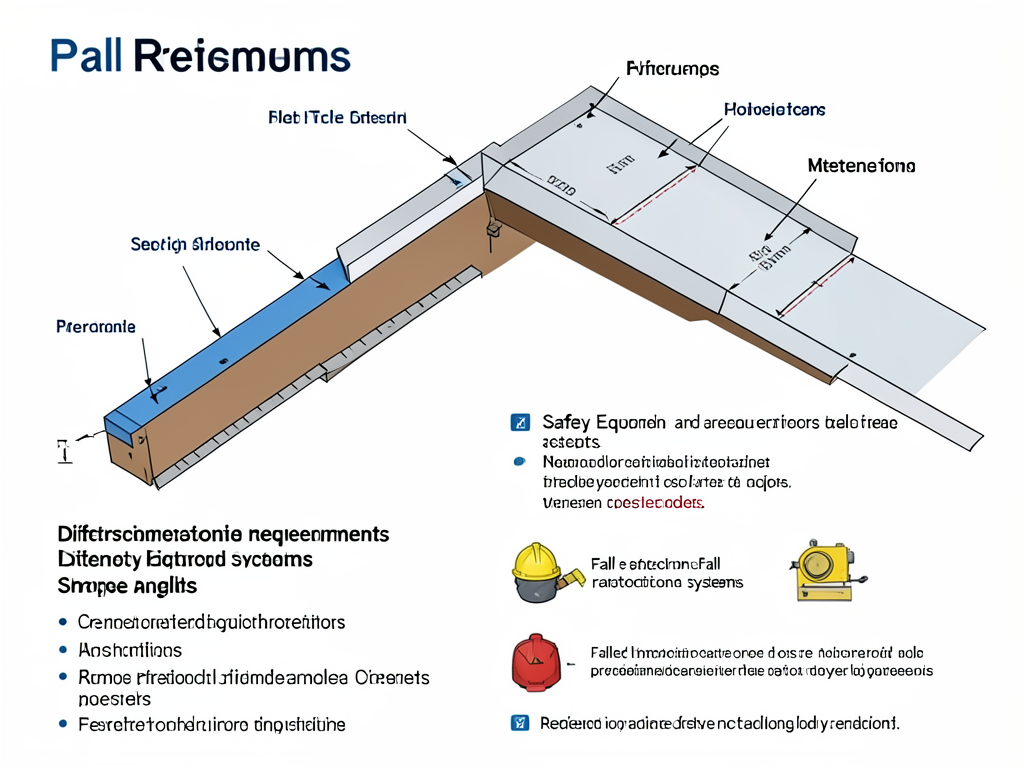
Diagram showing roof pitch measurements and safety equipment requirements for different slope angles
Multi-Story Labor Surcharges in Charlotte Neighborhoods
Height directly correlates with labor costs through accessibility challenges. A two-story home in Ballantyne requires ladders or scaffolding just to reach the work area. Three-story homes in Dilworth or historic districts like Fourth Ward often need boom lifts or extended scaffolding, adding $500-1,500 to project costs. Each additional story increases setup time and decreases the number of squares a crew can complete per day.
Tight lot lines common in established Charlotte neighborhoods compound these challenges. Working in Myers Park or Eastover often means limited space for material staging and equipment. Crews must carry materials longer distances, sometimes through the house, increasing labor hours. Suburban homes in Concord or Huntersville typically offer easier access but may have larger roof areas that offset those savings. Why More Huntersville Homeowners Are Switching to Standing Seam Metal Roofs.
Tear-Off Labor vs. Overlay Considerations
Removing existing roofing adds significant labor costs. A complete tear-off in Charlotte typically adds $30-50 per square in labor. For a 3,000-square-foot roof, that’s 30 squares times $40, or $1,200 in additional labor. The process involves stripping old shingles, removing underlayment, checking deck condition, and hauling debris to disposal sites. The Best Shingles to Withstand the Charlotte Summer Heat and Humidity.
Mecklenburg County landfill fees for roofing debris currently run $35-45 per ton. A typical tear-off generates 2-3 tons of waste, adding disposal costs that factor into labor pricing. Some Charlotte contractors include this in their labor rates, while others list it separately. Always ask for clarification on disposal fees when comparing quotes. Mecklenburg County Roofing Waste Management.
Overlay installations, where new shingles go directly over existing ones, reduce labor costs by eliminating tear-off work. However, North Carolina building codes limit overlays to one existing layer. Homes with multiple existing layers must be stripped completely, regardless of the additional labor costs.
Roof Complexity: Valleys, Dormers, and Chimney Flashing
Complex rooflines significantly increase labor hours. Each valley requires precise cutting and weaving of shingles, taking 2-3 times longer than straight runs. A home with multiple valleys, dormers, and architectural features can require 30-40% more labor than a simple gable roof of the same size.. Read more about Why the Valleys of Your Roof Are Most Likely to Leak (And How to Protect Them).
Chimney flashing represents another labor-intensive detail. Proper flashing installation around chimneys involves multiple layers of metal flashing integrated with shingles and counter-flashing mortared into the chimney brick. This process takes 4-6 hours per chimney, regardless of size. Homes with multiple chimneys or skylights see proportionally higher labor costs. Chimney Leak Emergency Repair.
Ventilation integration adds another layer of complexity. Proper ridge vent installation requires removing the top layer of sheathing at the ridge, installing the vent system, and ensuring adequate intake ventilation. This process adds 2-3 hours per ridge line but proves essential for roof longevity in Charlotte’s humid climate.. Read more about Essential Questions to Ask a Roofer Before Signing a Contract in Stallings or Indian Trail.
The ‘Charlotte Factor’: Local Labor Influences
Charlotte’s construction labor market affects roofing costs. The Queen City’s rapid growth has created steady demand for skilled roofing crews, but seasonal fluctuations impact availability and pricing. Post-hail season (typically April through September) sees highest demand and prices can increase 10-15% due to crew shortages.
North Carolina’s workers’ compensation requirements add to labor overhead. Roofing companies must carry coverage for all employees, with rates averaging $15-20 per $100 of payroll for roofing work. This cost gets built into labor pricing. Companies without proper coverage may offer lower prices but leave homeowners vulnerable to liability.
Mecklenburg County building permit fees for roofing range from $50-150 depending on project scope. While not a labor cost directly, permit acquisition adds administrative time that contractors factor into their overhead. Some companies include this in their labor pricing structure.. Read more about What Every Mecklenburg County Homeowner Needs to Know About Local Roofing Permits and Inspections.
Data Table: Estimated Labor Costs Per Square in Charlotte
| Roof Type | Simple 1-Story | Complex 2-Story | Steep 3-Story |
|---|---|---|---|
| Asphalt Shingles | $80-100 | $120-150 | $180-220 |
| Architectural Shingles | $90-115 | $135-170 | $200-250 |
| Metal Roofing | $150-200 | $220-280 | $300-380 |
| Tile Roofing | $200-280 | $300-400 | $450-600 |
Indirect Labor Costs: Insurance and Warranties
Worker safety directly impacts labor pricing. Full OSHA-compliant safety equipment, including harnesses, guardrails, and proper ladder setups, adds $200-400 to most residential projects. This equipment must be inspected regularly and replaced when worn, costs that get distributed across labor pricing.
Warranty workmanship coverage represents another labor-related cost. Reputable Charlotte roofing companies typically offer 5-10 year workmanship warranties. Setting aside funds for potential warranty claims adds approximately 3-5% to annual labor overhead, which gets factored into pricing across all projects.
Commercial roofing projects face additional labor considerations. Low-slope commercial roofs often require hot asphalt application or specialized single-ply membrane installation. These processes demand specific training and certification, limiting the available workforce and increasing hourly rates by 25-40% compared to residential asphalt shingle work. Specialized Slate and Tile Roofing Services for Historic Homes in Myers Park.
Material Weight and Handling Labor
Material weight significantly impacts labor hours. A square of standard three-tab shingles weighs approximately 250 pounds. Architectural shingles weigh 320-350 pounds per square. Crews can carry fewer bundles per trip on steep roofs, increasing the number of trips up and down ladders or scaffolding.
Tile and slate roofing dramatically increase labor demands. Clay tiles weigh 800-1,000 pounds per square, while slate can exceed 1,200 pounds per square. These materials often require mechanical lifting equipment even on single-story homes. The weight also means more frequent material restocking trips, as crews cannot carry as much at once.
Material staging affects labor efficiency. Having materials delivered directly to the roof can save 2-3 labor hours per project but adds delivery fees of $100-200. In tight Charlotte neighborhoods, this delivery fee often proves worthwhile compared to carrying materials through homes or across long distances from street-level staging areas.
Seasonal Labor Cost Fluctuations
Charlotte’s climate creates distinct roofing seasons that affect labor pricing. Peak season (April through October) sees highest demand and prices. Winter installations can cost 10-15% less due to crew availability, but cold weather slows installation and may void some manufacturer warranties if proper temperature guidelines aren’t followed.
Summer heat in the Piedmont region impacts worker productivity. Crews typically start earlier and may finish by early afternoon on extreme heat days, reducing daily output by 15-20%. Some Charlotte contractors adjust pricing slightly for summer installations to account for these productivity reductions.
Storm damage creates temporary labor market disruptions. After major hail events, which occur in Charlotte every 3-5 years, demand for qualified crews spikes. Prices may increase 15-25% during these periods as companies prioritize damage repairs over scheduled replacements.
Local Disposal and Debris Removal Fees
Charlotte’s construction and demolition waste regulations affect labor costs. Mecklenburg County requires proper disposal of roofing materials, with specific requirements for handling asbestos-containing materials in homes built before 1980. Testing and special handling for these materials can add $500-1,500 to project costs.
Recycling options for roofing materials have expanded in Charlotte. Some contractors now recycle metal flashing and certain synthetic underlayment materials, reducing landfill fees by $50-100 per project. While this doesn’t significantly reduce labor costs, it reflects growing environmental considerations in the local roofing industry.
Debris removal logistics impact daily labor efficiency. A typical tear-off generates 2-3 tons of waste that must be removed regularly during the project. Smaller roll-off containers require more frequent exchanges, while larger ones may not fit in tight driveways common in older Charlotte neighborhoods.
Frequently Asked Questions
How much does roof height affect labor costs?
Height significantly impacts labor costs through accessibility challenges. Each additional story typically adds 20-30% to labor costs due to equipment needs, slower work pace, and increased setup time. Three-story homes can cost 50-75% more in labor than comparable single-story homes.
Does roof pitch affect insurance costs?
Roof pitch affects both installation labor and insurance considerations. Steep roofs (over 10:12 pitch) often require additional safety equipment and specialized crews, increasing labor costs by 25-40%. Some insurance companies also adjust premiums based on roof pitch due to increased fall risk during maintenance.
How do complex roof features impact labor time?
Complex features like valleys, dormers, and chimneys can increase labor time by 30-50%. Each valley requires meticulous installation taking 2-3 times longer than straight runs. Chimney flashing alone can add 4-6 hours per chimney, while skylights and ventilation systems add additional labor hours.
Are winter roofing installations cheaper in Charlotte?
Winter installations can be 10-15% cheaper due to crew availability, but cold weather creates challenges. Temperatures below 40°F can affect shingle flexibility and seal integrity. Some manufacturers void warranties if installations occur below recommended temperatures without special precautions.
How do Charlotte building codes affect labor costs?
Charlotte follows North Carolina Residential Code requirements that impact labor. Current codes mandate specific underlayment types, ventilation requirements, and ice shield installation in certain areas. These requirements add $200-400 in materials and 2-3 labor hours to most projects, costs that get distributed across overall pricing.
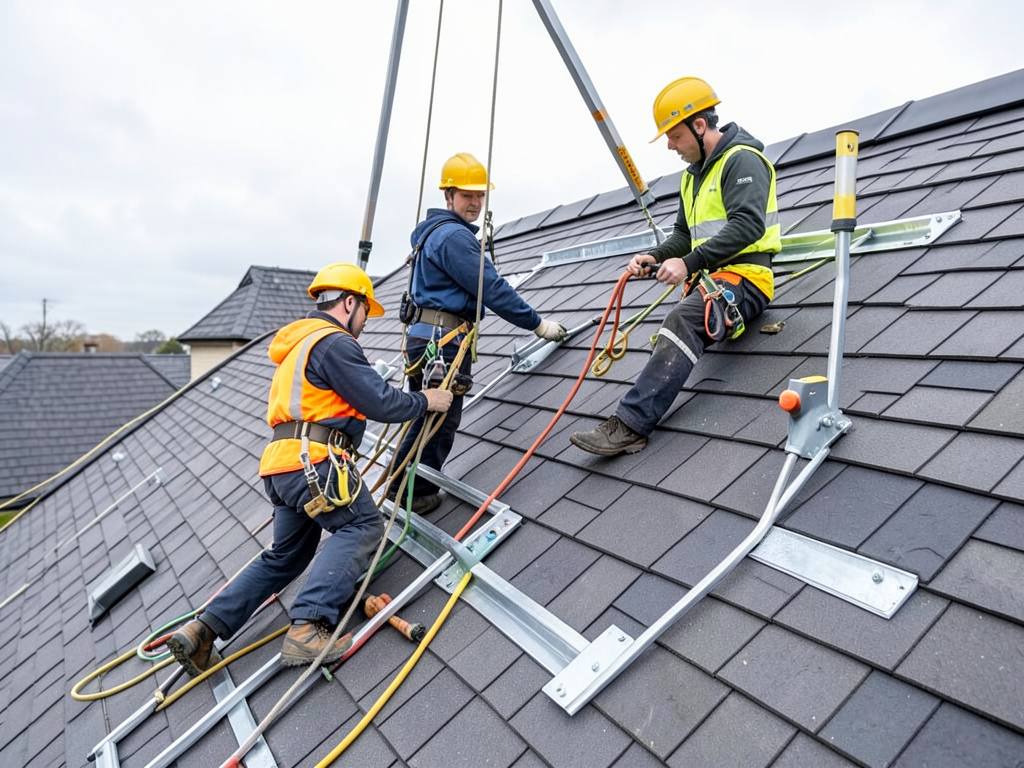
Photo showing safety equipment setup on a steep Charlotte roof with fall protection systems
Photo of a complex roofline in Myers Park showing multiple valleys, dormers, and chimney details
Understanding Your Charlotte Roofing Estimate
When evaluating roofing estimates in Charlotte, look beyond the bottom line. A detailed quote should break down labor costs by roof section, identify complexity factors, and explain any accessibility challenges specific to your property. The lowest price often reflects cutting corners on safety equipment, proper underlayment, or warranty coverage.
Ask potential contractors about their experience with homes similar to yours. A company that regularly works on historic Dilworth properties will better understand the challenges of your 1920s home than one specializing in new construction in suburban developments. Local experience translates to more accurate estimates and fewer surprises during installation.
Consider the long-term value of proper installation. A roof installed with all safety protocols, proper underlayment, and quality workmanship might cost 15-20% more initially but can last 5-10 years longer than a cut-rate installation. In Charlotte’s climate, that extended lifespan often justifies the higher upfront labor investment.
Getting Your Roof Replacement Started
Ready to understand the true cost of your roof replacement? The height, pitch, and complexity of your roof all factor into the final labor price. Don’t let surprise costs derail your project. Call (980) 352-5899 today to schedule a detailed inspection and receive a transparent, itemized estimate that breaks down every cost factor specific to your Charlotte home.
Five Star Roofing Charlotte serves homeowners throughout the greater Charlotte metro area, including Matthews, Monroe, and surrounding communities. Our experienced crews understand the unique challenges of roofing in the Piedmont region and provide detailed estimates that help you make informed decisions about your investment.
Pick up the phone and call (980) 352-5899 before the next storm hits. Understanding your roof’s specific labor requirements now can save you thousands in emergency repair costs later. Our team provides honest assessments and clear pricing with no hidden fees or surprise charges.
Five Star Roofing Charlotte
Phone: (980) 352-5899
Serving Charlotte, Matthews, Monroe, and surrounding areas
You may also find this helpful. Is a Cedar Shake Roof Still Practical for Homes in the Wooded Areas of Lake Wylie?.
You may also find this helpful. Choosing the Right Roof Style for Modern Farmhouse New Builds in Waxhaw and Weddington.
{
“@context”: “https://schema.org”,
“@type”: “BlogPosting”,
“headline”: “How the Height and Complexity of Your Roof Affects the Final Labor Cost in Charlotte”,
“description”: “Discover how roof pitch, height, and complexity impact labor costs in Charlotte. Learn local factors affecting your roofing estimate from Five Star Roofing Charlotte.”,
“wordCount”: 2035,
“datePublished”: “2026-05-11T15:01:00.000Z”,
“dateModified”: “2026-05-11T15:01:00.000Z”,
“inLanguage”: “en-US”,
“mainEntityOfPage”: {
“@type”: “WebPage”,
“@id”: “https://fivestarroofingcharlotte.com”
},
“publisher”: {
“@type”: “LocalBusiness”,
“name”: “Five Star Roofing Charlotte”,
“url”: “https://fivestarroofingcharlotte.com”
},
“author”: {
“@type”: “Organization”,
“name”: “Five Star Roofing Charlotte”,
“url”: “https://fivestarroofingcharlotte.com”
},
“image”: {
“@type”: “ImageObject”,
“url”: “https://fivestarroofingcharlotte.com/wp-content/uploads/2026/03/how-the-height-and-complexity-of-your-roof-affects-1.png”
}
}
{
“@context”: “https://schema.org”,
“@type”: “RoofingContractor”,
“name”: “Five Star Roofing Charlotte”,
“url”: “https://fivestarroofingcharlotte.com”,
“address”: {
“@type”: “PostalAddress”,
“addressLocality”: “Charlotte”
},
“areaServed”: {
“@type”: “City”,
“name”: “Charlotte”
}
}
{
“@context”: “https://schema.org”,
“@type”: “FAQPage”,
“mainEntity”: [
{
“@type”: “Question”,
“name”: “How much does roof height affect labor costs?”,
“acceptedAnswer”: {
“@type”: “Answer”,
“text”: “Height significantly impacts labor costs through accessibility challenges. Each additional story typically adds 20-30% to labor costs due to equipment needs, slower work pace, and increased setup time. Three-story homes can cost 50-75% more in labor than comparable single-story homes.”
}
},
{
“@type”: “Question”,
“name”: “Does roof pitch affect insurance costs?”,
“acceptedAnswer”: {
“@type”: “Answer”,
“text”: “Roof pitch affects both installation labor and insurance considerations. Steep roofs (over 10:12 pitch) often require additional safety equipment and specialized crews, increasing labor costs by 25-40%. Some insurance companies also adjust premiums based on roof pitch due to increased fall risk during maintenance.”
}
},
{
“@type”: “Question”,
“name”: “How do complex roof features impact labor time?”,
“acceptedAnswer”: {
“@type”: “Answer”,
“text”: “Complex features like valleys, dormers, and chimneys can increase labor time by 30-50%. Each valley requires meticulous installation taking 2-3 times longer than straight runs. Chimney flashing alone can add 4-6 hours per chimney, while skylights and ventilation systems add additional labor hours.”
}
},
{
“@type”: “Question”,
“name”: “Are winter roofing installations cheaper in Charlotte?”,
“acceptedAnswer”: {
“@type”: “Answer”,
“text”: “Winter installations can be 10-15% cheaper due to crew availability, but cold weather creates challenges. Temperatures below 40°F can affect shingle flexibility and seal integrity. Some manufacturers void warranties if installations occur below recommended temperatures without special precautions.”
}
},
{
“@type”: “Question”,
“name”: “How do Charlotte building codes affect labor costs?”,
“acceptedAnswer”: {
“@type”: “Answer”,
“text”: “Charlotte follows North Carolina Residential Code requirements that impact labor. Current codes mandate specific underlayment types, ventilation requirements, and ice shield installation in certain areas. These requirements add $200-400 in materials and 2-3 labor hours to most projects, costs that get distributed across overall pricing.”
}
}
]
}
{
“@context”: “https://schema.org”,
“@type”: “BreadcrumbList”,
“itemListElement”: [
{
“@type”: “ListItem”,
“position”: 1,
“name”: “Home”,
“item”: “https://fivestarroofingcharlotte.com”
},
{
“@type”: “ListItem”,
“position”: 2,
“name”: “Blog”,
“item”: “https://fivestarroofingcharlotte.com/blog”
},
{
“@type”: “ListItem”,
“position”: 3,
“name”: “How the Height and Complexity of Your Roof Affects the Final Labor Cost in Charlotte”
}
]
}
{
“@context”: “https://schema.org”,
“@type”: “Service”,
“serviceType”: “Roofing”,
“provider”: {
“@type”: “LocalBusiness”,
“name”: “Five Star Roofing Charlotte”,
“url”: “https://fivestarroofingcharlotte.com”
},
“areaServed”: {
“@type”: “City”,
“name”: “Charlotte”
},
“description”: “Discover how roof pitch, height, and complexity impact labor costs in Charlotte. Learn local factors affecting your roofing estimate from Five Star Roofing Charlotte.”
}