Is Your Current Roof Ready for Solar Panel Installation in Tega Cay?
Thinking about adding solar panels to your Tega Cay home? Before you sign any contracts, your roof needs a professional evaluation. Many homeowners rush into solar installations only to discover their roof can’t support the weight, violates local codes, or will need replacement within a few years. That’s not just frustrating—it’s expensive. A proper pre-solar roof inspection can save you thousands by ensuring your roof is structurally sound, code-compliant, and ready to support solar panels for their 25-30 year lifespan. Why More Huntersville Homeowners Are Switching to Standing Seam Metal Roofs.
The humid subtropical climate in Tega Cay creates unique challenges. Summer thunderstorms with wind gusts over 60 mph, occasional hail, and intense UV exposure can degrade roofing materials faster than in other regions. If your roof is over 15 years old or shows signs of curling shingles, granule loss, or soft spots, solar installation could accelerate existing problems rather than solve them. The Best Shingles to Withstand the Charlotte Summer Heat and Humidity.
Key Structural Factors That Determine Solar Readiness
Solar panels add approximately 2-4 pounds per square foot to your roof structure. While that might not sound like much, it requires proper engineering analysis. The North Carolina Residential Building Code (Section R802) mandates specific load calculations for rooftop solar installations. Homes built before 2012 may not meet current structural requirements without reinforcement.
Roof pitch also matters significantly. South-facing roofs between 15-40 degrees capture optimal sunlight in Tega Cay’s latitude. Flat roofs require specialized mounting systems that increase installation complexity and cost. Your roof’s orientation, available square footage, and shading from nearby trees all factor into whether solar makes sense for your specific property. Specialized Slate and Tile Roofing Services for Historic Homes in Myers Park.
Common Roof Problems That Block Solar Installation
During our pre-solar inspections in Tega Cay, we frequently discover issues that homeowners weren’t aware of. Missing or damaged flashing around chimneys and vents creates leak points that solar installers won’t work around. Soft decking from previous water damage compromises structural integrity. Inadequate attic ventilation causes heat buildup that reduces solar panel efficiency by up to 15%. Expert Roof Inspections for Waterfront Homes in Cornelius and Davidson.
Algae growth, particularly Gloeocapsa magma, thrives in Tega Cay’s humid conditions. This black streaking doesn’t just look bad—it indicates moisture retention that can weaken shingles over time. Solar panels installed over compromised roofing trap heat and moisture, accelerating deterioration underneath.
The Permitting Process in Tega Cay
York County requires specific permits for solar installations. The process includes structural engineering review, electrical permits, and inspections at multiple stages. Many Tega Cay homeowners don’t realize that solar permits cannot be issued if the underlying roof doesn’t meet current building codes. This often means roof repairs or replacement must happen first, creating delays and additional costs. York County Building Permits.
Duke Energy’s interconnection requirements add another layer of complexity. Your roof must meet specific wind load ratings for the area, and electrical upgrades may be necessary to handle solar power integration. The utility company won’t approve connections to roofs that don’t meet these standards.
Roof Age vs. Solar Panel Lifespan: The Critical Timeline
Most solar panels come with 25-year warranties but often last 30+ years. If your roof is already 15-20 years old, you’re facing a difficult decision. Installing solar on an aging roof means you’ll need to remove and reinstall the entire system when you eventually replace the roof—a cost that can exceed $3,000-$5,000.
The math becomes clear when you consider that roof replacement during solar installation qualifies for the Federal Investment Tax Credit (ITC). This 30% credit applies to both the roof and solar system when done together, potentially saving you thousands compared to doing them separately. Federal Investment Tax Credit.
Climate-Specific Considerations for Tega Cay
Tega Cay experiences approximately 214 sunny days annually, making it excellent for solar production. However, the same climate that provides abundant sunshine also creates roofing challenges. Summer heat indexes regularly exceed 100°F, causing thermal expansion and contraction that stresses roofing materials. Winter ice storms, though infrequent, can create dangerous ice dam conditions.
The area’s red clay soil affects foundation stability, which indirectly impacts roof integrity. Foundation settling can cause roof framing to shift, creating stress points that may not be visible from the ground but become critical when adding solar panel weight.
Diagnostic Testing We Perform Before Solar Installation
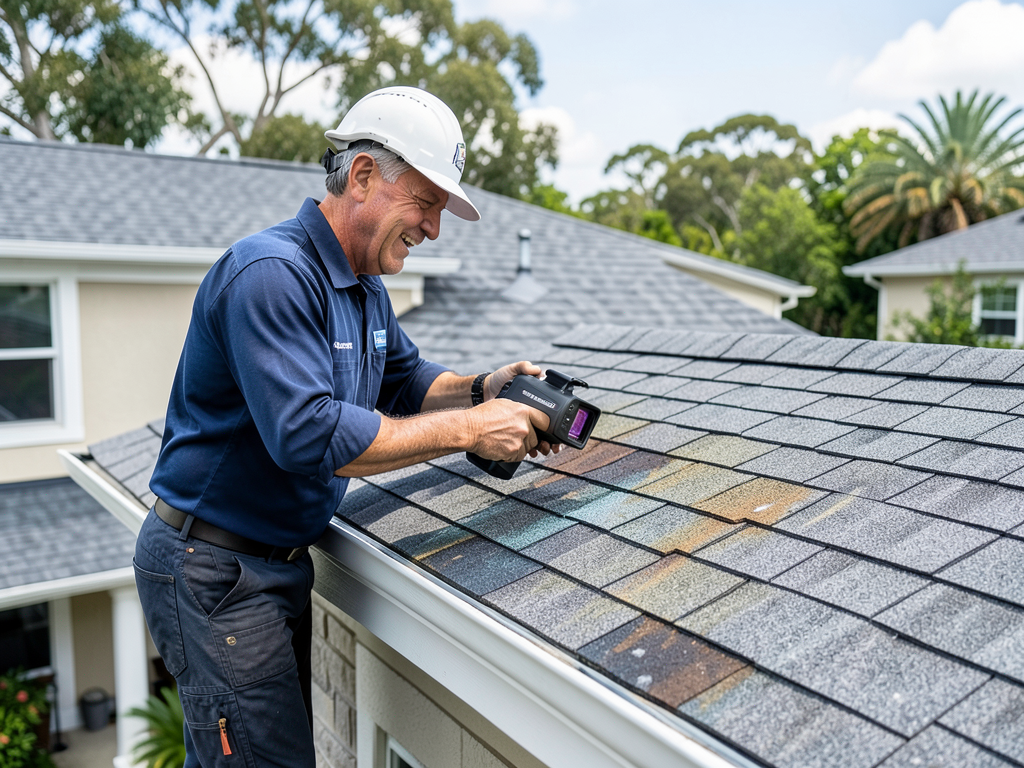
Our pre-solar inspection process includes several diagnostic tests that reveal hidden problems. We use moisture meters to detect water infiltration in decking that feels solid to the touch. Thermal imaging identifies heat loss patterns that indicate inadequate insulation or ventilation. We perform core sampling in multiple locations to assess decking thickness and condition.
The screwdriver test is particularly revealing. We press a screwdriver into suspect areas of the decking. If it penetrates easily, the wood is compromised and needs replacement before solar installation. This simple test has prevented countless homeowners from installing solar over rotting roof structures.
Cost Comparison: Repair vs. Replace Before Solar
| Roof Condition | Estimated Repair Cost | Solar Installation Impact | Recommended Action |
|---|---|---|---|
| Good condition, <10 years old | $500-$1,500 | Ready for installation | Proceed with solar |
| Fair condition, 10-15 years old | $2,000-$5,000 | May need removal later | Consider full replacement |
| Poor condition, >15 years old | $4,000-$8,000 | High failure risk | Replace roof first |
Solar-Ready Roofing Materials for Tega Cay
Not all roofing materials handle solar installation equally well. Asphalt shingles remain the most common but require careful installation to avoid voiding warranties. Metal roofing provides excellent durability and often eliminates the need for roof penetrations. Concrete and clay tiles can support solar but require specialized mounting hardware.
Reflective cool-roof coatings can improve solar panel efficiency by reducing heat absorption in the roof substrate. This is particularly valuable in Tega Cay’s hot summers, where roof surface temperatures can exceed 150°F.
Local Building Code Requirements
York County enforces the 2018 International Residential Code with local amendments. Section R301 addresses structural requirements for solar installations, including specific wind load calculations for the Charlotte metro area. The code requires engineering certification for any solar installation adding more than 50 pounds of dead load to the roof structure. Getting Your Charlotte Roof Repaired After a Hail Storm — A Local Guide to Insurance Claims.
Fire safety regulations also impact solar placement. Panels must maintain specific clearance from roof edges and ridges to provide fire department access. These requirements can reduce your available roof space for solar installation.
Financial Incentives When Combining Roof and Solar
The Federal Investment Tax Credit covers 30% of both roofing and solar costs when installed together. Duke Energy offers net metering programs that can significantly reduce your electricity bills. Some Tega Cay homeowners qualify for additional local incentives through York County’s energy efficiency programs.
Insurance companies often provide premium discounts for homes with both new roofs and solar installations, as the combination reduces multiple risk factors including storm damage and energy-related hazards.
Frequently Asked Questions
How long does a pre-solar roof inspection take?
A comprehensive pre-solar inspection typically takes 1-2 hours, depending on your roof’s complexity and the inspector’s findings. We examine attic ventilation, decking condition, flashing integrity, and structural components. The inspection includes thermal imaging and moisture testing to identify hidden problems.
Can I install solar panels on a flat roof?
Yes, but flat roofs require specialized mounting systems that don’t penetrate the roofing membrane. These systems use weighted ballasts instead of penetrations, which can reduce installation costs but may require engineering analysis to ensure the structure can support the additional weight.
What happens if I discover roof problems after installing solar?
Finding roof issues after solar installation means removing and reinstalling the entire system, which can cost $3,000-$5,000 or more. This is why pre-installation inspections are crucial. Some solar companies offer removal and reinstallation services, but it’s an expensive process that delays your solar benefits.
Ready to Go Solar? Start with Your Roof
Don’t let roof problems derail your solar plans or cost you thousands in unexpected repairs. A professional pre-solar inspection can identify issues before they become expensive surprises. Our team has inspected hundreds of roofs in Tega Cay and understands the specific challenges our local climate creates.
Call (980) 352-5899 today to schedule your comprehensive pre-solar roof inspection. We’ll provide a detailed report on your roof’s condition, structural capacity, and recommendations for ensuring your solar installation succeeds from day one. Don’t wait until you’ve signed a solar contract to discover your roof isn’t ready.
Pick up the phone and call (980) 352-5899 before the next storm hits. A quick inspection now can prevent costly delays and protect your solar investment for decades to come.
{
“@context”: “https://schema.org”,
“@type”: “BlogPosting”,
“headline”: “Is Your Current Roof Ready for Solar Panel Installation in Tega Cay?”,
“description”: “Before adding solar panels in Tega Cay, ensure your roof meets structural and code requirements. Learn about inspections, permits, and local climate factors that impact solar readiness.”,
“wordCount”: 1449,
“datePublished”: “2026-03-15T16:50:00.000Z”,
“dateModified”: “2026-03-15T16:50:00.000Z”,
“inLanguage”: “en-US”,
“mainEntityOfPage”: {
“@type”: “WebPage”,
“@id”: “https://fivestarroofingcharlotte.com”
},
“publisher”: {
“@type”: “LocalBusiness”,
“name”: “Five Star Roofing Charlotte”,
“url”: “https://fivestarroofingcharlotte.com”
},
“author”: {
“@type”: “Organization”,
“name”: “Five Star Roofing Charlotte”,
“url”: “https://fivestarroofingcharlotte.com”
},
“image”: {
“@type”: “ImageObject”,
“url”: “https://fivestarroofingcharlotte.com/wp-content/uploads/2026/03/is-your-current-roof-ready-for-solar-panel-install-1.png”
}
}
{
“@context”: “https://schema.org”,
“@type”: “RoofingContractor”,
“name”: “Five Star Roofing Charlotte”,
“url”: “https://fivestarroofingcharlotte.com”,
“address”: {
“@type”: “PostalAddress”,
“addressLocality”: “Charlotte”
},
“areaServed”: {
“@type”: “City”,
“name”: “Charlotte”
}
}
{
“@context”: “https://schema.org”,
“@type”: “FAQPage”,
“mainEntity”: [
{
“@type”: “Question”,
“name”: “How long does a pre-solar roof inspection take?”,
“acceptedAnswer”: {
“@type”: “Answer”,
“text”: “A comprehensive pre-solar inspection typically takes 1-2 hours, depending on your roof’s complexity and the inspector’s findings. We examine attic ventilation, decking condition, flashing integrity, and structural components. The inspection includes thermal imaging and moisture testing to identify hidden problems.”
}
},
{
“@type”: “Question”,
“name”: “Can I install solar panels on a flat roof?”,
“acceptedAnswer”: {
“@type”: “Answer”,
“text”: “Yes, but flat roofs require specialized mounting systems that don’t penetrate the roofing membrane. These systems use weighted ballasts instead of penetrations, which can reduce installation costs but may require engineering analysis to ensure the structure can support the additional weight.”
}
},
{
“@type”: “Question”,
“name”: “What happens if I discover roof problems after installing solar?”,
“acceptedAnswer”: {
“@type”: “Answer”,
“text”: “Finding roof issues after solar installation means removing and reinstalling the entire system, which can cost $3,000-$5,000 or more. This is why pre-installation inspections are crucial. Some solar companies offer removal and reinstallation services, but it’s an expensive process that delays your solar benefits.”
}
}
]
}
{
“@context”: “https://schema.org”,
“@type”: “BreadcrumbList”,
“itemListElement”: [
{
“@type”: “ListItem”,
“position”: 1,
“name”: “Home”,
“item”: “https://fivestarroofingcharlotte.com”
},
{
“@type”: “ListItem”,
“position”: 2,
“name”: “Blog”,
“item”: “https://fivestarroofingcharlotte.com/blog”
},
{
“@type”: “ListItem”,
“position”: 3,
“name”: “Is Your Current Roof Ready for Solar Panel Installation in Tega Cay?”
}
]
}
{
“@context”: “https://schema.org”,
“@type”: “Service”,
“serviceType”: “Roofing”,
“provider”: {
“@type”: “LocalBusiness”,
“name”: “Five Star Roofing Charlotte”,
“url”: “https://fivestarroofingcharlotte.com”
},
“areaServed”: {
“@type”: “City”,
“name”: “Charlotte”
},
“description”: “Before adding solar panels in Tega Cay, ensure your roof meets structural and code requirements. Learn about inspections, permits, and local climate factors that impact solar readiness.”
}