
Keeping the Noise Out (The Best Roofing Materials for Homes Near Charlotte Douglas Airport)
Living near Charlotte Douglas International Airport means dealing with constant aircraft noise, especially during takeoff and landing cycles. The roar of jet engines can disrupt sleep, increase stress, and lower property enjoyment. Fortunately, modern roofing materials and installation techniques can dramatically reduce this noise intrusion. By choosing the right combination of soundproofing materials, you can transform your home into a quiet sanctuary despite the airport’s proximity. Who Are the Best Rated Roofing Contractors Serving Charlotte and the Surrounding Suburbs?.
How Airport Noise Affects Charlotte Homes
Aircraft noise typically ranges from 70 to 90 decibels during takeoff, comparable to a vacuum cleaner at close range. This constant sound pressure can penetrate standard roofing assemblies, especially during peak flight hours. Homes in neighborhoods like Montclaire, Dixie River, and Oaklawn face the highest exposure due to their direct flight path alignment. The noise isn’t just annoying—it can interfere with conversations, TV viewing, and most importantly, sleep quality. Understanding the science behind sound transmission helps you make informed decisions about soundproofing your roof. Built-Up Roofing.
Understanding Sound Transmission in Roofing
Sound travels through roofing materials in two ways: airborne noise from jets and impact noise from hail or rain. The effectiveness of soundproofing is measured by Sound Transmission Class (STC) ratings. Standard asphalt shingles typically provide an STC rating of 25-30, while specialized soundproof roofing can achieve ratings of 45-55. The higher the STC number, the more sound is blocked. For CLT airport noise, you need materials that address both high-frequency jet engine sounds and low-frequency rumble. The Outdoor-Indoor Transmission Class (OITC) rating is even more relevant for exterior noise sources like aircraft. The Best Shingles to Withstand the Charlotte Summer Heat and Humidity.
Top Soundproofing Roofing Materials for Charlotte Homes
Several roofing materials excel at noise reduction. Stone-coated steel roofing offers exceptional sound dampening with an STC rating of 50-55. The stone granules and multiple-layer construction absorb and deflect sound waves. Heavy architectural asphalt shingles with sound-dampening underlayment provide STC ratings of 40-45. These premium shingles are 30-40% heavier than standard options, creating a denser barrier. Clay and concrete tiles naturally block sound due to their mass and density, achieving STC ratings of 45-50. Metal roofing with specialized acoustic underlayment can reach STC 40-45 when properly installed.
Mass Loaded Vinyl: The Soundproofing Game Changer
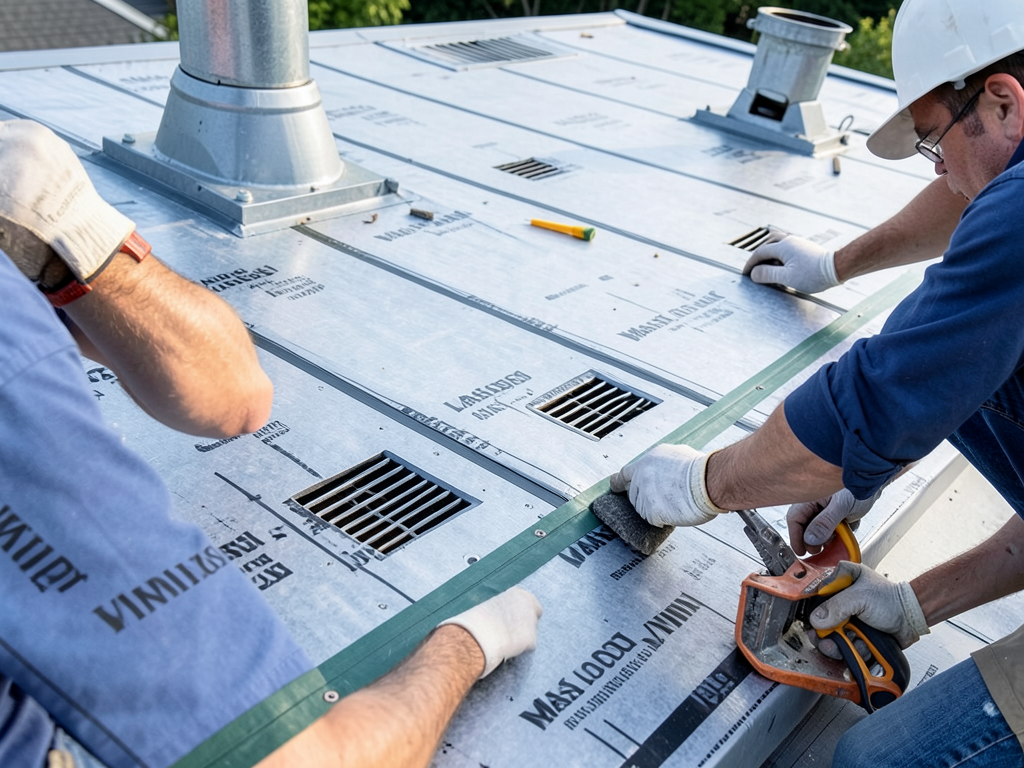
Mass Loaded Vinyl (MLV) underlayment has revolutionized roof soundproofing. This dense, flexible material weighs approximately 1-2 pounds per square foot and adds a critical sound-blocking layer beneath your roofing material. When installed between the roof deck and shingles, MLV can increase STC ratings by 15-20 points. The material works by adding mass to the roof assembly, which disrupts sound wave transmission. For CLT airport homes, MLV is particularly effective at blocking the low-frequency rumble that standard materials cannot address. The installation requires careful sealing at seams to prevent sound leaks.
Acoustic Insulation Options for Attic Spaces
The space between your roof and ceiling significantly impacts noise reduction. Mineral wool insulation provides superior sound absorption compared to standard fiberglass, with noise reduction coefficients (NRC) of 0.95-1.05 versus 0.50-0.60 for fiberglass. This material traps sound waves within its dense fiber structure. Spray foam insulation creates an air seal that prevents sound flanking through gaps while adding R-value for energy efficiency. For maximum effectiveness, install a continuous layer of mineral wool batts between ceiling joists, then add a second layer perpendicular to the first. This creates a sound trap that captures noise from multiple angles.
Installation Techniques That Maximize Soundproofing
Proper installation techniques can enhance your roof’s soundproofing by 30-40%. Decoupling the ceiling from the structure prevents sound vibrations from traveling through connected materials. This involves installing resilient channels or sound isolation clips before adding drywall. Adding a second layer of 5/8-inch drywall with Green Glue compound between layers creates a sound-dampening sandwich. For roof decks, use thicker plywood (3/4 inch vs 1/2 inch) to add mass and reduce vibration. Seal all penetrations around vents, chimneys, and skylights with acoustic caulk. Even small gaps can reduce overall soundproofing effectiveness by 50%. Chimney Leak Emergency Repair.
Cost vs. Benefit Analysis for Soundproof Roofing
Soundproof roofing typically costs 25-40% more than standard roofing, but the benefits often justify the investment. For a 2,000-square-foot home, standard asphalt roofing costs $8,000-$12,000, while soundproof options range from $12,000-$18,000. However, homes near CLT airport have shown 3-7% higher property values when equipped with noise-reducing features. Energy efficiency improvements from better insulation can save $300-$500 annually on cooling costs. Most importantly, the quality of life improvement—better sleep, reduced stress, and increased home enjoyment—provides value that’s difficult to quantify but significant for many homeowners.
Charlotte Building Codes and Soundproofing Requirements
Mecklenburg County follows North Carolina Building Code requirements for roofing, but additional soundproofing measures may be necessary for homes in noise-affected areas. The International Building Code (IBC) Section 1207 addresses sound transmission and control in building assemblies. While not mandatory for all residential properties, homes within the 65 dB noise contour of CLT airport should consider enhanced soundproofing to meet quality of life standards. The North Carolina Energy Conservation Code also influences roofing choices, as many soundproofing materials also improve thermal performance. Always check with local building officials about specific requirements for your neighborhood. Why Hiring a Local Charlotte Roofer Beats Using a National Storm Chasing Chain.
Case Study: Soundproofing Success in Montclaire
A recent project in the Montclaire neighborhood demonstrates effective airport noise reduction. The 3,000-square-foot home experienced jet noise levels of 75-80 dB during peak hours. After installation of stone-coated steel roofing with MLV underlayment and enhanced attic insulation, indoor noise levels dropped to 45-50 dB—a reduction of 25-30 dB. The homeowner reported immediate improvements in sleep quality and ability to use outdoor spaces during flight times. The project cost $22,000, including removal of existing roofing and installation of new materials. Energy bills decreased by approximately 18% due to the added insulation, providing additional financial benefit.
Maintenance Considerations for Soundproof Roofs
Soundproof roofing systems require specific maintenance to preserve their noise-reducing properties. Inspect the MLV underlayment annually for tears or moisture damage, as water infiltration can compromise sound transmission. Check ventilation systems to ensure proper airflow, as some soundproofing materials can trap moisture if ventilation is inadequate. Clean debris from stone-coated steel or tile roofs regularly to prevent buildup that could affect sound reflection. Monitor attic spaces for signs of condensation or mold growth, particularly in homes with spray foam insulation. Professional inspection every 2-3 years helps identify potential issues before they affect performance.
Comparing Soundproofing Materials: A Detailed Analysis
| Material Type | STC Rating | Cost per Square Foot | Lifespan | Best For |
|---|---|---|---|---|
| Stone-Coated Steel + MLV | 50-55 | $12-15 | 40-50 years | Maximum noise reduction |
| Heavy Asphalt + MLV | 40-45 | $8-10 | 25-30 years | Balanced cost/performance |
| Clay/Concrete Tiles | 45-50 | $10-13 | 50+ years | Durable, aesthetic appeal |
| Metal + Acoustic Underlayment | 40-45 | $7-9 | 30-40 years | Modern appearance |
| Standard Asphalt | 25-30 | $4-6 | 15-20 years | Budget-conscious projects |
Environmental Impact and Energy Efficiency
Soundproof roofing materials often provide additional environmental benefits. Many noise-reducing options, such as stone-coated steel and clay tiles, are made from recycled materials and are fully recyclable at end of life. The enhanced insulation properties reduce heating and cooling loads by 15-25%, lowering carbon emissions. Some materials, like metal roofing with reflective coatings, also reduce urban heat island effects. When selecting soundproofing materials, consider those with Energy Star certification for optimal energy performance. The combination of noise reduction and energy efficiency creates a more comfortable, sustainable home environment while potentially qualifying for tax incentives or utility rebates.
Future Trends in Soundproof Roofing Technology
Emerging technologies are making soundproof roofing more effective and affordable. Active noise cancellation systems integrated into roofing assemblies use microphones and speakers to generate sound waves that cancel incoming noise. Phase-change materials that absorb and dissipate sound energy are being developed for roofing applications. Smart roofing systems with embedded sensors can monitor noise levels and adjust acoustic properties dynamically. Biodegradable soundproofing materials made from plant-based compounds offer eco-friendly alternatives to traditional options. As CLT airport continues expanding, these innovations will become increasingly important for maintaining quality of life in affected neighborhoods.
Frequently Asked Questions
How much noise reduction can I expect from soundproof roofing?
Quality soundproof roofing can reduce aircraft noise by 20-30 decibels, which subjectively feels like cutting the noise level in half. The exact reduction depends on your home’s construction, the specific materials used, and proper installation techniques.
Will soundproof roofing eliminate all airport noise?
No roofing system can completely eliminate airport noise, but quality soundproof materials can reduce it to levels where indoor conversations and sleep are not disturbed. You’ll still hear occasional loud aircraft, but the constant background noise will be significantly reduced.
How long does installation take for soundproof roofing?
Installation typically takes 3-5 days for an average home, slightly longer than standard roofing due to the additional underlayment and careful sealing requirements. Weather conditions and roof complexity can affect the timeline.
Taking the Next Step Toward a Quieter Home
Living near Charlotte Douglas Airport doesn’t mean you have to endure constant aircraft noise. Modern soundproof roofing materials and installation techniques can dramatically reduce noise intrusion while providing additional benefits like improved energy efficiency and increased property value. The key is selecting the right combination of materials for your specific situation and ensuring proper installation by experienced professionals. Consider your budget, aesthetic preferences, and noise reduction goals when making your decision. With the right approach, you can enjoy a peaceful home environment despite the airport’s proximity.
Ready to reduce airport noise in your Charlotte home? Call (980) 352-5899 today to schedule your noise reduction roof assessment. Our experts will evaluate your specific situation and recommend the best soundproofing solution for your needs and budget. Don’t wait—take the first step toward a quieter, more peaceful home today. For more information, visit Energy.gov insulation guide. For more information, visit EPA noise pollution information.
{
“@context”: “https://schema.org”,
“@type”: “BlogPosting”,
“headline”: “Keeping the Noise Out (The Best Roofing Materials for Homes Near Charlotte Douglas Airport)”,
“description”: “Discover the best soundproofing roofing materials for Charlotte homes near CLT Airport. Learn STC ratings, MLV underlayment, and installation techniques to reduce noise pollution.”,
“wordCount”: 1657,
“datePublished”: “2026-06-04T09:11:00.000Z”,
“dateModified”: “2026-06-04T09:11:00.000Z”,
“inLanguage”: “en-US”,
“mainEntityOfPage”: {
“@type”: “WebPage”,
“@id”: “https://fivestarroofingcharlotte.com”
},
“publisher”: {
“@type”: “LocalBusiness”,
“name”: “Five Star Roofing Charlotte”,
“url”: “https://fivestarroofingcharlotte.com”
},
“author”: {
“@type”: “Organization”,
“name”: “Five Star Roofing Charlotte”,
“url”: “https://fivestarroofingcharlotte.com”
},
“image”: {
“@type”: “ImageObject”,
“url”: “https://fivestarroofingcharlotte.com/wp-content/uploads/2026/03/keeping-the-noise-out-the-best-roofing-materials-f-1.png”
}
}
{
“@context”: “https://schema.org”,
“@type”: “RoofingContractor”,
“name”: “Five Star Roofing Charlotte”,
“url”: “https://fivestarroofingcharlotte.com”,
“address”: {
“@type”: “PostalAddress”,
“addressLocality”: “Charlotte”
},
“areaServed”: {
“@type”: “City”,
“name”: “Charlotte”
}
}
{
“@context”: “https://schema.org”,
“@type”: “FAQPage”,
“mainEntity”: [
{
“@type”: “Question”,
“name”: “How much noise reduction can I expect from soundproof roofing?”,
“acceptedAnswer”: {
“@type”: “Answer”,
“text”: “Quality soundproof roofing can reduce aircraft noise by 20-30 decibels, which subjectively feels like cutting the noise level in half. The exact reduction depends on your home’s construction, the specific materials used, and proper installation techniques.”
}
},
{
“@type”: “Question”,
“name”: “Will soundproof roofing eliminate all airport noise?”,
“acceptedAnswer”: {
“@type”: “Answer”,
“text”: “No roofing system can completely eliminate airport noise, but quality soundproof materials can reduce it to levels where indoor conversations and sleep are not disturbed. You’ll still hear occasional loud aircraft, but the constant background noise will be significantly reduced.”
}
},
{
“@type”: “Question”,
“name”: “How long does installation take for soundproof roofing?”,
“acceptedAnswer”: {
“@type”: “Answer”,
“text”: “Installation typically takes 3-5 days for an average home, slightly longer than standard roofing due to the additional underlayment and careful sealing requirements. Weather conditions and roof complexity can affect the timeline.”
}
}
]
}
{
“@context”: “https://schema.org”,
“@type”: “BreadcrumbList”,
“itemListElement”: [
{
“@type”: “ListItem”,
“position”: 1,
“name”: “Home”,
“item”: “https://fivestarroofingcharlotte.com”
},
{
“@type”: “ListItem”,
“position”: 2,
“name”: “Blog”,
“item”: “https://fivestarroofingcharlotte.com/blog”
},
{
“@type”: “ListItem”,
“position”: 3,
“name”: “Keeping the Noise Out (The Best Roofing Materials for Homes Near Charlotte Douglas Airport)”
}
]
}
{
“@context”: “https://schema.org”,
“@type”: “Service”,
“serviceType”: “Roofing”,
“provider”: {
“@type”: “LocalBusiness”,
“name”: “Five Star Roofing Charlotte”,
“url”: “https://fivestarroofingcharlotte.com”
},
“areaServed”: {
“@type”: “City”,
“name”: “Charlotte”
},
“description”: “Discover the best soundproofing roofing materials for Charlotte homes near CLT Airport. Learn STC ratings, MLV underlayment, and installation techniques to reduce noise pollution.”
}