Lower Your AC Bill with an Energy Efficient Roof Replacement in Steele Creek
Charlotte summers push your air conditioning to the limit. Steele Creek homes face the same challenge with average July temperatures climbing into the mid-90s and humidity making it feel even hotter. Your roof plays a massive role in this battle. A standard asphalt roof can reach temperatures above 150°F on sunny days, transferring that heat directly into your attic and forcing your AC to work overtime. Energy-efficient roofing technology has advanced dramatically in recent years. Homeowners in Steele Creek who upgrade to cool roofing materials can reduce their cooling costs by 20-40% while making their homes more comfortable. The right roof replacement pays for itself through energy savings and often qualifies for tax credits and utility rebates. Energy Star roofing specifications.
Why Steele Creek Homes Struggle with Cooling Costs
Steele Creek sits in Mecklenburg County’s western suburbs where newer developments mix with established neighborhoods. The area experiences intense summer heat that creates unique challenges for homeowners. Afternoon temperatures regularly exceed 95°F during July and August. This heat combines with North Carolina’s high humidity to create a heat index that feels much hotter than the actual temperature. Your attic becomes a heat trap. Standard roofing materials absorb solar radiation and transfer it through the roof deck into your living space. The heat builds throughout the day, forcing your air conditioning to run constantly just to maintain comfort. Many Steele Creek homes built before 2015 lack proper attic ventilation and insulation, compounding the problem. The result is energy bills that spike during summer months while your home never quite feels cool enough. Cool Roof Rating Council standards.
Local building patterns also contribute to the issue. Steele Creek’s mix of ranch-style homes and two-story developments creates different heat challenges. Ranch homes have larger roof surface areas relative to their living space, while two-story homes struggle with heat rising to upper floors. The area’s rapid development means many homes have minimal tree cover, exposing roofs to direct sunlight for most of the day. These factors combine to make energy-efficient roofing not just a luxury but a practical necessity for Steele Creek homeowners looking to control costs. Why More Huntersville Homeowners Are Switching to Standing Seam Metal Roofs.
Top Energy-Efficient Roofing Materials for North Carolina Heat
Modern roofing technology offers several paths to lower cooling costs. Each material brings different benefits for Charlotte’s specific climate conditions. The key is selecting products designed to reflect solar radiation rather than absorb it. Getting Your Charlotte Roof Repaired After a Hail Storm — A Local Guide to Insurance Claims.
Cool Roof Asphalt Shingles
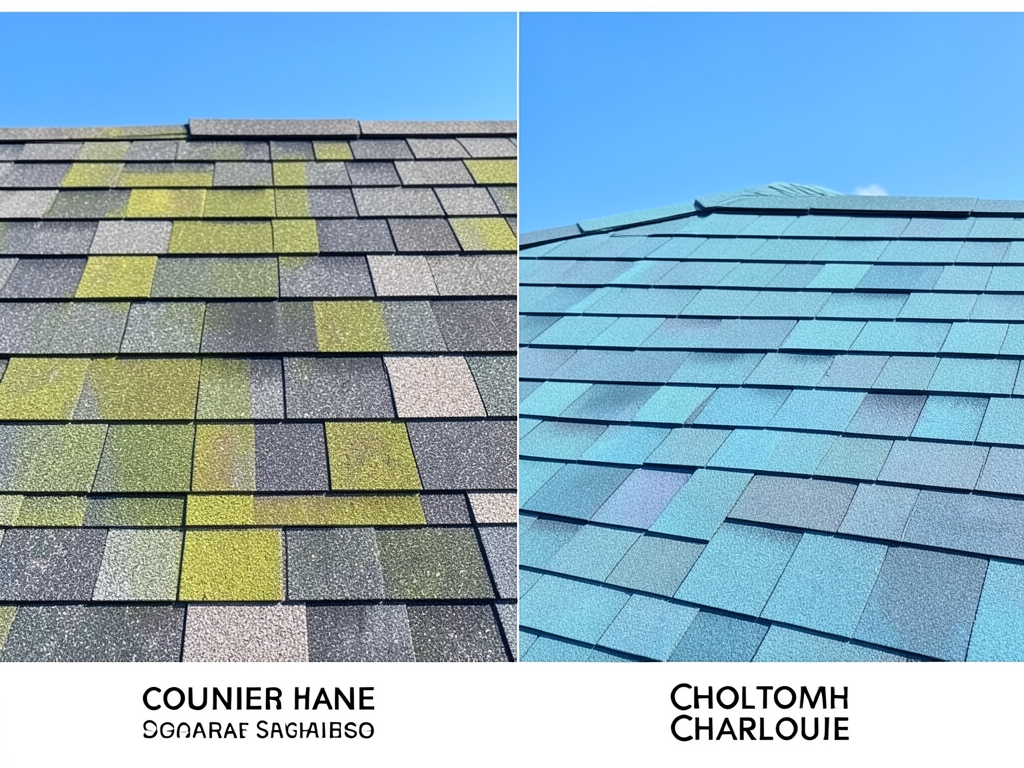
Today’s cool roof shingles use special granules that reflect infrared radiation while maintaining traditional appearance. These shingles meet Energy Star requirements with Solar Reflectance Index ratings between 20-30. For Steele Creek homeowners concerned about HOA restrictions, cool shingles provide energy savings without changing your home’s look. The granules contain reflective ceramic particles that bounce heat away before it can transfer into your attic. Modern cool shingles also include algae-resistant technology, crucial for North Carolina’s humid climate where algae growth can darken roofs and reduce their reflective properties over time. The Best Shingles to Withstand the Charlotte Summer Heat and Humidity.
Standing Seam Metal Roofing
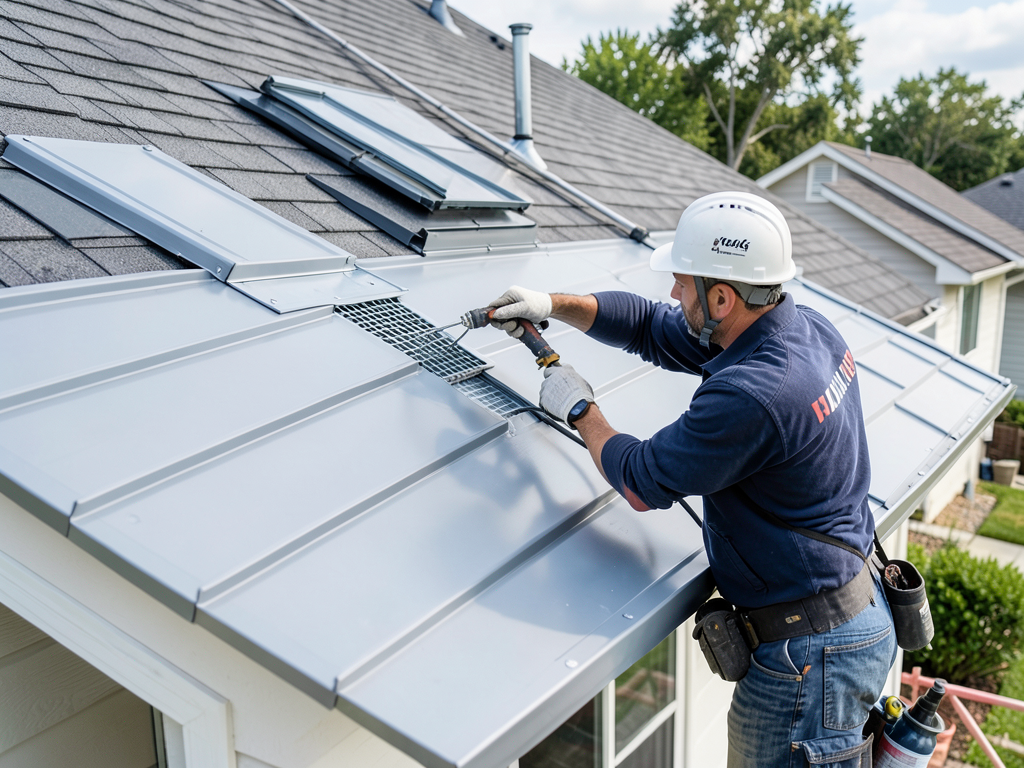
Metal roofing offers the highest energy efficiency available. A properly installed standing seam metal roof can reflect up to 70% of solar radiation. The metal panels create an airspace between the roof deck and the metal surface, providing additional insulation. Metal roofs excel in Charlotte’s climate because they shed heat quickly when clouds pass overhead and don’t retain heat like asphalt shingles. They also last 40-70 years compared to 15-25 years for traditional shingles. The initial investment runs higher, but the combination of energy savings, longevity, and minimal maintenance makes metal roofing cost-effective over time.
Synthetic Slate and Tile Options
Synthetic roofing materials mimic the appearance of traditional slate or clay tile while offering superior energy performance. These products use advanced polymers that reflect heat and provide better insulation than their natural counterparts. They weigh less than traditional materials, reducing structural requirements. The curved surfaces of synthetic tile create natural air channels that help dissipate heat. For Steele Creek’s older neighborhoods where traditional aesthetics matter, synthetic options provide the classic look with modern energy efficiency. Specialized Slate and Tile Roofing Services for Historic Homes in Myers Park.
Material comparison shows dramatic differences in heat performance:
| Material Type | Solar Reflectance Index (SRI) | Expected Lifespan | Energy Savings Potential |
|---|---|---|---|
| Standard Asphalt | 5-10 | 15-25 years | 0-5% |
| Cool Asphalt Shingles | 20-30 | 20-30 years | 20-30% |
| Standing Seam Metal | 50-70 | 40-70 years | 30-40% |
| Synthetic Tile | 30-40 | 30-50 years | 25-35% |
Understanding Solar Reflectance Index Ratings
The Solar Reflectance Index measures a material’s ability to reject solar heat. The scale runs from 0 to 100+ with higher numbers indicating better heat reflection. For context, a standard black roof might score around 5 while a white cool roof can exceed 100. North Carolina’s climate zone 3 requires minimum SRI ratings of 25 for low-slope roofs and 15 for steep-slope applications in most jurisdictions. Steele Creek homes typically need steep-slope materials since most residential construction uses pitched roofs. The index combines two factors: solar reflectance and thermal emittance. Solar reflectance measures how much sunlight the material bounces away. Thermal emittance measures how efficiently the material releases absorbed heat. A high SRI rating means the material both reflects and releases heat effectively. This combination prevents the heat buildup that drives up cooling costs. When selecting roofing materials, request the manufacturer’s SRI test data. Reputable products undergo testing by the Cool Roof Rating Council, providing verified performance numbers you can trust.
Attic Ventilation Systems That Maximize Energy Efficiency
Even the most reflective roof cannot perform optimally without proper attic ventilation. Heat that reaches your attic must escape, or it will transfer into your living space regardless of your roof’s reflective properties. Modern ventilation systems use the principle of convection to create continuous airflow. Hot air rises and exits through ridge vents while cooler air enters through soffit vents. This natural circulation prevents heat buildup and moisture accumulation. In Steele Creek’s humid climate, proper ventilation also prevents mold growth and extends the life of your roofing materials. Solar-powered attic fans provide an active ventilation option that works hardest when you need it most. These fans kick on during peak heat hours, pulling hot air out of the attic and reducing the load on your air conditioning system. The energy they consume is minimal compared to the cooling savings they provide. For homes with complex roof designs, powered ventilation may be necessary to achieve adequate airflow.
Ventilation effectiveness depends on proper installation and sizing. Building codes typically require 1 square foot of net free ventilation area for every 150 square feet of attic space. In hot climates like Charlotte’s, some experts recommend doubling this ratio. A ventilation assessment should check for blocked soffit vents, inadequate ridge venting, and proper airflow paths. Many Steele Creek homes have ventilation systems that meet minimum code but fall short of optimal performance. Upgrading ventilation during a roof replacement provides an opportunity to address these deficiencies while the roof is accessible. Expert Roof Inspections for Waterfront Homes in Cornelius and Davidson.
Duke Energy Rebates and North Carolina Incentives
Utility companies and state agencies offer substantial incentives for energy-efficient home improvements. Duke Energy’s Smart $aver program provides rebates for qualifying roofing upgrades in North Carolina. The program offers $0.05 per square foot for cool roofs that meet specific Solar Reflectance Index requirements. For a typical Steele Creek home with 2,000 square feet of roof area, this translates to a $100 rebate. While the per-square-foot amount seems modest, it combines with other incentives to improve the overall return on investment. North Carolina’s State Energy Office administers additional programs through utility partnerships. Some municipalities offer property tax incentives for energy-efficient improvements, though availability varies by location. Mecklenburg County periodically offers matching grants for energy upgrades in specific neighborhoods. The federal government provides tax credits through the Energy Star program. Homeowners can claim 10% of the cost of qualified roofing materials, up to $500, when filing federal taxes. These credits apply to materials meeting specific energy performance criteria, not installation costs. The credits are available for improvements made to existing homes, not new construction.
Timing your roof replacement strategically can maximize incentive benefits. Many utility rebates require pre-approval before installation begins. Working with a contractor familiar with local incentive programs ensures you don’t miss deadlines or submit incorrect documentation. Some manufacturers offer their own rebates on top of utility and tax incentives, creating multiple layers of savings. A comprehensive approach to financing can reduce the net cost of an energy-efficient roof by 20-30% compared to paying full price.
The Real ROI of Energy Efficient Roofing in Steele Creek
Homeowners want to know if energy-efficient roofing pays for itself. The answer depends on several factors including your current energy costs, local climate, and the specific materials you choose. Steele Creek’s summer cooling demands create ideal conditions for energy-efficient roofing to deliver strong returns. A typical 2,000-square-foot home in Steele Creek might spend $150-200 per month on cooling during peak summer months. Energy-efficient roofing can reduce this by 25-35%, saving $450-700 annually. Over a 20-year period, these savings accumulate to $9,000-14,000. When combined with the extended lifespan of premium materials and available incentives, the total return becomes compelling. Energy-efficient roofing also provides non-financial benefits that factor into the overall value proposition. Homes with cool roofs maintain more consistent temperatures throughout the day, eliminating hot spots and improving comfort. The reduced thermal cycling on roofing materials means fewer repairs and replacements over time. Many insurance companies offer premium discounts for impact-resistant roofing materials, providing additional savings. The environmental benefits matter to many homeowners as well. A cool roof reduces your home’s carbon footprint by decreasing electricity consumption. In areas prone to urban heat island effects, widespread adoption of cool roofing can lower neighborhood temperatures by several degrees.
Market data from Charlotte-area real estate shows homes with energy-efficient features command premium prices. Buyers increasingly factor utility costs into their purchasing decisions, particularly in regions with hot summers. A roof replacement with documented energy savings can recover 60-80% of its cost in increased home value, according to national remodeling industry studies. For Steele Creek’s competitive housing market, this added value makes energy-efficient roofing an attractive investment beyond the direct utility savings.
Case Study: Energy Savings in 28278
A recent project in the 28278 zip code demonstrates the practical benefits of energy-efficient roofing. The homeowner replaced a 15-year-old asphalt shingle roof with premium cool asphalt shingles rated at 28 SRI. The 2,400-square-foot home had inadequate attic ventilation and minimal insulation. The total project cost $14,500 including ventilation upgrades and new underlayment. Duke Energy rebates covered $120, and the homeowner qualified for the full $500 federal tax credit. First-year energy savings totaled $620, representing a 28% reduction in cooling costs. The home’s interior temperature remained more stable throughout the day, with upstairs rooms staying 3-4 degrees cooler than the previous summer. The homeowner reported improved comfort and significantly reduced AC runtime. Over a five-year period, the energy savings plus incentives will recover approximately 45% of the initial investment. The remaining value comes from extended roof life, improved home comfort, and potential insurance savings. This case illustrates how energy-efficient roofing delivers both immediate and long-term benefits for Steele Creek homeowners.
Common Mistakes That Reduce Energy Efficiency
Even with the best materials, certain installation practices can undermine energy performance. Understanding these pitfalls helps you avoid costly mistakes. Inadequate underlayment represents one of the most common failures. Standard roofing felt provides minimal insulation and can trap heat against the roof deck. Modern synthetic underlayments reflect heat and provide an additional barrier against heat transfer. Skipping this upgrade during a roof replacement eliminates a significant energy-saving opportunity. Poor attic ventilation negates the benefits of reflective roofing materials. If hot air cannot escape the attic, it will transfer heat into your living space regardless of how reflective your roof surface is. Many contractors focus on the visible roof components while neglecting the ventilation system that makes energy efficiency possible. Improper installation of radiant barriers can actually trap heat rather than reflect it. These barriers must face an airspace to function correctly. Installing them directly against roof decking or insulation prevents the reflective properties from working. Some homeowners install radiant barriers in ways that violate building codes or void roofing warranties. Material selection mistakes often involve prioritizing initial cost over long-term performance. The cheapest cool shingles may use inferior granules that degrade quickly, losing their reflective properties within a few years. Premium products maintain their energy efficiency throughout their rated lifespan. Working with contractors who understand energy-efficient roofing ensures proper material selection and installation techniques that maximize your investment.
Maintenance Requirements for Energy Efficient Roofs
Energy-efficient roofing requires specific maintenance to preserve its performance characteristics. The reflective granules on cool shingles can accumulate dirt and organic growth that reduce their effectiveness. Annual cleaning with appropriate methods removes this buildup without damaging the roof surface. High-pressure washing can strip granules and void warranties, so gentle cleaning techniques are essential. Metal roofing needs different maintenance than asphalt products. While metal roofs resist algae growth, they can develop mineral deposits in areas with hard water. These deposits create dark spots that absorb heat. A simple rinse with clean water prevents buildup. Metal roofs also require periodic inspection of fasteners and sealants, particularly after severe weather events common in Charlotte. Ventilation systems need regular attention to maintain efficiency. Soffit vents can become blocked by insulation or debris, preventing proper airflow. Ridge vents may get covered by wind-blown leaves or develop gaps that allow rain infiltration. Checking these components annually ensures your ventilation system continues to protect your energy investment. The attic space itself requires monitoring. Proper insulation prevents heat transfer from the attic to living spaces. Over time, insulation can settle or become displaced, creating gaps in coverage. Adding insulation during a roof replacement provides an opportunity to improve the entire thermal envelope of your home.
Choosing the Right Contractor for Energy Efficient Roofing
Energy-efficient roofing installation requires specialized knowledge beyond standard roofing practices. The right contractor understands heat transfer principles, ventilation requirements, and local incentive programs. Experience with energy-efficient materials ensures proper installation techniques that preserve warranty coverage and maximize performance. Look for contractors certified by roofing material manufacturers. These certifications require training in proper installation methods and often include extended warranty coverage. For cool roofing products, ask about experience with specific brands and their installation requirements. Improper installation can void warranties and reduce energy savings. Local knowledge matters significantly for energy-efficient roofing. A contractor familiar with Steele Creek’s specific climate conditions understands how local weather patterns affect roof performance. They know which materials perform best in Charlotte’s heat and humidity and can recommend ventilation strategies suited to local building patterns. Request references for energy-efficient roofing projects similar to yours. Ask previous customers about their energy savings and satisfaction with the installation. A reputable contractor should provide documentation of material specifications, warranty information, and expected energy performance. Be wary of contractors who cannot explain the technical aspects of energy-efficient roofing or who offer vague promises about savings without supporting data.
Frequently Asked Questions
How much can I really save on my energy bills with a cool roof?
Most Steele Creek homeowners see 20-40% reductions in cooling costs after installing energy-efficient roofing. The exact savings depend on your home’s size, current insulation levels, and the specific materials chosen. Homes with poor existing ventilation often see the biggest improvements.
Will energy-efficient roofing work with my HOA’s design requirements?
Yes, many energy-efficient options maintain traditional appearances. Cool asphalt shingles come in various colors that meet HOA guidelines while providing heat reflection. Metal roofing with architectural finishes can also satisfy aesthetic requirements in most communities.
How long does it take to recover the investment through energy savings?
Most homeowners recover 30-50% of their investment through energy savings within the first five years. When you factor in utility rebates, tax credits, extended material life, and potential insurance discounts, the payback period shortens significantly.
Are there specific building codes I need to follow in Steele Creek?
Mecklenburg County follows North Carolina’s residential building code, which includes requirements for minimum Solar Reflectance Index ratings in certain applications. Your contractor should be familiar with local code requirements and obtain necessary permits before starting work.
Can I install energy-efficient roofing over my existing roof?
Most energy-efficient roofing materials require complete removal of existing roofing to ensure proper installation and ventilation. Installing over existing materials can trap heat and moisture, reducing energy efficiency and potentially causing structural damage.
What’s the best time of year to replace my roof for energy efficiency?
Spring and fall offer ideal conditions for roof replacement in Steele Creek. These seasons provide moderate temperatures for installation work and allow you to prepare for summer cooling costs. However, energy-efficient roofing provides benefits year-round by reducing heat gain in summer and heat loss in winter.
Take Control of Your Cooling Costs Today
Energy-efficient roofing represents one of the smartest investments you can make for your Steele Creek home. The combination of rising energy costs, available incentives, and advanced roofing technology creates a perfect opportunity to reduce your utility bills while improving your home’s comfort and value. Modern cool roofing materials can cut your cooling costs by up to 40% while qualifying for substantial rebates and tax credits. The initial investment pays for itself through energy savings, extended material life, and increased home value. Don’t wait until your current roof fails or your energy bills become unbearable. A professional assessment can identify your home’s specific energy efficiency opportunities and recommend solutions tailored to Steele Creek’s climate conditions. The right roofing contractor will explain your options, provide accurate savings projections, and ensure proper installation that maximizes your investment. Call (980) 352-5899 today to schedule your energy efficiency consultation. Our team understands Steele Creek’s unique climate challenges and can recommend the best roofing solutions for your home. Take the first step toward lower energy bills and a more comfortable home this summer.
- Assess Your Current Situation
Have a professional evaluate your existing roof’s condition, attic ventilation, and insulation levels to identify specific energy efficiency opportunities.
- Research Available Materials
Compare Solar Reflectance Index ratings, expected lifespans, and energy savings potential for different roofing options suited to Steele Creek’s climate.
- Calculate Total Costs and Incentives
Factor in material costs, installation, available utility rebates, and tax credits to determine your true investment and expected payback period.
- Select a Qualified Contractor
Choose a contractor with specific experience in energy-efficient roofing installation and knowledge of local building codes and incentive programs.
- Plan for Ventilation Upgrades
Include proper attic ventilation in your project to maximize the energy efficiency of your new roofing system.
{
“@context”: “https://schema.org”,
“@type”: “BlogPosting”,
“headline”: “Lower Your AC Bill with an Energy Efficient Roof Replacement in Steele Creek”,
“description”: “Discover how energy-efficient roofing in Steele Creek can slash your cooling costs. Learn about cool shingles, metal roofs, and local rebates to beat Charlotte’s summer heat.”,
“wordCount”: 3145,
“datePublished”: “2026-03-02T10:36:00.000Z”,
“dateModified”: “2026-03-02T10:36:00.000Z”,
“inLanguage”: “en-US”,
“mainEntityOfPage”: {
“@type”: “WebPage”,
“@id”: “https://fivestarroofingcharlotte.com”
},
“publisher”: {
“@type”: “LocalBusiness”,
“name”: “Five Star Roofing Charlotte”,
“url”: “https://fivestarroofingcharlotte.com”
},
“author”: {
“@type”: “Organization”,
“name”: “Five Star Roofing Charlotte”,
“url”: “https://fivestarroofingcharlotte.com”
},
“image”: {
“@type”: “ImageObject”,
“url”: “https://fivestarroofingcharlotte.com/wp-content/uploads/2026/03/lower-your-ac-bill-with-an-energy-efficient-roof-r-1.png”
}
}
{
“@context”: “https://schema.org”,
“@type”: “RoofingContractor”,
“name”: “Five Star Roofing Charlotte”,
“url”: “https://fivestarroofingcharlotte.com”,
“address”: {
“@type”: “PostalAddress”,
“addressLocality”: “Charlotte”
},
“areaServed”: {
“@type”: “City”,
“name”: “Charlotte”
}
}
{
“@context”: “https://schema.org”,
“@type”: “FAQPage”,
“mainEntity”: [
{
“@type”: “Question”,
“name”: “How much can I really save on my energy bills with a cool roof?”,
“acceptedAnswer”: {
“@type”: “Answer”,
“text”: “Most Steele Creek homeowners see 20-40% reductions in cooling costs after installing energy-efficient roofing. The exact savings depend on your home’s size, current insulation levels, and the specific materials chosen. Homes with poor existing ventilation often see the biggest improvements.”
}
},
{
“@type”: “Question”,
“name”: “Will energy-efficient roofing work with my HOA’s design requirements?”,
“acceptedAnswer”: {
“@type”: “Answer”,
“text”: “Yes, many energy-efficient options maintain traditional appearances. Cool asphalt shingles come in various colors that meet HOA guidelines while providing heat reflection. Metal roofing with architectural finishes can also satisfy aesthetic requirements in most communities.”
}
},
{
“@type”: “Question”,
“name”: “How long does it take to recover the investment through energy savings?”,
“acceptedAnswer”: {
“@type”: “Answer”,
“text”: “Most homeowners recover 30-50% of their investment through energy savings within the first five years. When you factor in utility rebates, tax credits, extended material life, and potential insurance discounts, the payback period shortens significantly.”
}
},
{
“@type”: “Question”,
“name”: “Are there specific building codes I need to follow in Steele Creek?”,
“acceptedAnswer”: {
“@type”: “Answer”,
“text”: “Mecklenburg County follows North Carolina’s residential building code, which includes requirements for minimum Solar Reflectance Index ratings in certain applications. Your contractor should be familiar with local code requirements and obtain necessary permits before starting work.”
}
},
{
“@type”: “Question”,
“name”: “Can I install energy-efficient roofing over my existing roof?”,
“acceptedAnswer”: {
“@type”: “Answer”,
“text”: “Most energy-efficient roofing materials require complete removal of existing roofing to ensure proper installation and ventilation. Installing over existing materials can trap heat and moisture, reducing energy efficiency and potentially causing structural damage.”
}
},
{
“@type”: “Question”,
“name”: “What’s the best time of year to replace my roof for energy efficiency?”,
“acceptedAnswer”: {
“@type”: “Answer”,
“text”: “Spring and fall offer ideal conditions for roof replacement in Steele Creek. These seasons provide moderate temperatures for installation work and allow you to prepare for summer cooling costs. However, energy-efficient roofing provides benefits year-round by reducing heat gain in summer and heat loss in winter.”
}
}
]
}
{
“@context”: “https://schema.org”,
“@type”: “HowTo”,
“name”: “How to Choose Energy Efficient Roofing”,
“step”: [
{
“@type”: “HowToStep”,
“position”: 1,
“name”: “Assess Your Current Situation”,
“text”: “Have a professional evaluate your existing roof’s condition, attic ventilation, and insulation levels to identify specific energy efficiency opportunities.”
},
{
“@type”: “HowToStep”,
“position”: 2,
“name”: “Research Available Materials”,
“text”: “Compare Solar Reflectance Index ratings, expected lifespans, and energy savings potential for different roofing options suited to Steele Creek’s climate.”
},
{
“@type”: “HowToStep”,
“position”: 3,
“name”: “Calculate Total Costs and Incentives”,
“text”: “Factor in material costs, installation, available utility rebates, and tax credits to determine your true investment and expected payback period.”
},
{
“@type”: “HowToStep”,
“position”: 4,
“name”: “Select a Qualified Contractor”,
“text”: “Choose a contractor with specific experience in energy-efficient roofing installation and knowledge of local building codes and incentive programs.”
},
{
“@type”: “HowToStep”,
“position”: 5,
“name”: “Plan for Ventilation Upgrades”,
“text”: “Include proper attic ventilation in your project to maximize the energy efficiency of your new roofing system.”
}
],
“image”: “https://fivestarroofingcharlotte.com/wp-content/uploads/2026/03/lower-your-ac-bill-with-an-energy-efficient-roof-r-1.png”
}
{
“@context”: “https://schema.org”,
“@type”: “BreadcrumbList”,
“itemListElement”: [
{
“@type”: “ListItem”,
“position”: 1,
“name”: “Home”,
“item”: “https://fivestarroofingcharlotte.com”
},
{
“@type”: “ListItem”,
“position”: 2,
“name”: “Blog”,
“item”: “https://fivestarroofingcharlotte.com/blog”
},
{
“@type”: “ListItem”,
“position”: 3,
“name”: “Lower Your AC Bill with an Energy Efficient Roof Replacement in Steele Creek”
}
]
}
{
“@context”: “https://schema.org”,
“@type”: “Service”,
“serviceType”: “Roofing”,
“provider”: {
“@type”: “LocalBusiness”,
“name”: “Five Star Roofing Charlotte”,
“url”: “https://fivestarroofingcharlotte.com”
},
“areaServed”: {
“@type”: “City”,
“name”: “Charlotte”
},
“description”: “Discover how energy-efficient roofing in Steele Creek can slash your cooling costs. Learn about cool shingles, metal roofs, and local rebates to beat Charlotte’s summer heat.”
}