
When Charlotte temperatures drop below freezing, the city’s homes face a unique threat that Northern builders never designed for. Our rapid freeze-thaw cycles create ice dams and gutters full of slush that can damage roofs, walls, and ceilings before you even notice a problem. Understanding why Charlotte homes are vulnerable is the first step to protecting your investment. North Carolina Department of Transportation.
Charlotte’s winter weather creates perfect conditions for ice dam formation. When daytime temperatures rise above freezing but nighttime temperatures plummet, snow on your roof melts during the day. This water flows down to the colder eaves and gutters where it refreezes, creating a dam that blocks proper drainage. The next day, more melting water backs up behind this ice barrier and can seep under shingles, causing leaks and water damage inside your home. The Best Shingles to Withstand the Charlotte Summer Heat and Humidity.
The problem is worse in Charlotte because our homes aren’t built for extreme cold. Many houses have inadequate attic insulation by Northern standards, allowing heat from your living space to escape through the roof. This creates warm spots that melt snow unevenly, accelerating the freeze-thaw cycle. Combine this with our typical 4:12 to 6:12 roof pitches common in Charlotte neighborhoods like Myers Park and Ballantyne, and you have a recipe for ice dam disasters. Getting Your Charlotte Roof Repaired After a Hail Storm — A Local Guide to Insurance Claims.
During Charlotte’s winter snaps, the damage can be extensive. Water backing up behind ice dams can rot roof decking, stain ceilings, peel paint, and even cause structural damage. The weight of ice in gutters can pull them away from your home, damaging fascia boards and creating entry points for water. What starts as a beautiful winter scene can quickly become a costly repair project. EPA.
Understanding Ice Dam Formation in Charlotte’s Climate
Ice dams form when three conditions exist simultaneously: snow on the roof, heat escaping from the attic, and freezing temperatures at the eaves. Charlotte’s weather patterns create these conditions more often than you might expect. Our winter temperatures frequently hover around the freezing point, creating the perfect environment for ice dams to develop and persist.
The physics behind ice dams is straightforward but devastating. Heat escaping through your attic melts the bottom layer of snow on your roof. This meltwater flows down the warm roof surface until it reaches the cold eaves where no heat escapes. There, it refreezes, creating a growing ice barrier. As this process repeats over several days, the ice dam becomes larger and more problematic.
Charlotte’s humidity plays a crucial role in ice dam severity. Our high moisture content in the air means that when water freezes, it forms dense, heavy ice that puts tremendous stress on gutters and roof edges. This is different from the light, fluffy snow common in Northern states. A Charlotte ice dam can weigh hundreds of pounds, pulling gutters away from your home and creating dangerous ice formations.. Read more about Seamless Gutter Installation Experts Serving Belmont and Mount Holly.
The freeze-thaw cycle in Charlotte is particularly damaging because it’s so frequent. Unlike areas with consistent snow cover, our temperatures fluctuate dramatically within 24-hour periods. This means ice dams can form, partially melt, and reform multiple times during a single winter event, causing repeated stress to your roofing system.
Understanding these mechanics is crucial for prevention. Simply cleaning gutters before winter isn’t enough when the problem originates from heat loss through your attic. You need a comprehensive approach that addresses the root cause while also managing the symptoms during severe weather events.
Five Steps to Prevent Ice Dams on Your Charlotte Roof
Preventing ice dams requires a multi-faceted approach that addresses both the cause and the symptoms. Here are five proven steps that Charlotte homeowners can take to protect their roofs during winter snaps. These methods work together to create a comprehensive defense against ice dam formation. Why More Huntersville Homeowners Are Switching to Standing Seam Metal Roofs.
Step 1: Improve Attic Insulation and Ventilation
The most effective long-term solution is addressing heat loss through your attic. North Carolina building codes require R-30 to R-38 insulation in attics, but many older Charlotte homes fall short of these standards. Adding insulation to meet or exceed code requirements can dramatically reduce heat transfer to your roof.
Proper ventilation is equally important. Soffit and ridge vents work together to create continuous airflow that keeps your attic temperature closer to the outside air temperature. This prevents the warm spots that melt snow unevenly. The North Carolina Residential Code specifies minimum ventilation requirements based on attic floor area, typically 1 square foot of net free ventilation area per 150 square feet of attic space.
Step 2: Seal Attic Bypasses and Air Leaks
Heat escapes through more than just inadequate insulation. Attic bypasses are gaps around plumbing vents, chimneys, light fixtures, and other penetrations where conditioned air leaks into your attic. These small openings can collectively allow as much heat transfer as a missing wall.
Using spray foam or caulk to seal these gaps can significantly reduce heat loss. Pay special attention to areas around bathroom exhaust fans, attic access hatches, and where walls meet the attic floor. Even small improvements in air sealing can make a noticeable difference in your roof’s temperature during cold snaps.
Step 3: Install Ice and Water Shield Underlayment
Ice and water shield is a self-adhering waterproof membrane that provides an extra layer of protection at your roof’s most vulnerable areas. Building codes in North Carolina require this material in specific zones, typically extending from the eaves up the roof deck at least 24 inches past the exterior wall line.
This membrane seals around nails and creates a waterproof barrier that prevents water from backing up under shingles. While it won’t prevent ice dams from forming, it provides crucial protection against the water damage they cause. Consider upgrading to a higher-quality shield with better adhesive properties for maximum protection.
Step 4: Maintain Gutters and Consider Gutter Guards
Clean gutters are essential for proper drainage, but during ice dam conditions, even clean gutters can freeze solid. Consider installing heat cables in your gutters and downspouts to keep water flowing during freezing temperatures. These cables use minimal electricity but can prevent ice buildup that damages your gutter system.
Gutter guards can help by preventing leaves and debris from clogging your system, but choose designs that won’t trap ice. Some mesh guards actually worsen ice dam problems by creating surfaces where ice can accumulate. Look for low-profile designs that maintain smooth water flow even when ice begins to form.
Step 5: Install Heat Cables on Roof Edges
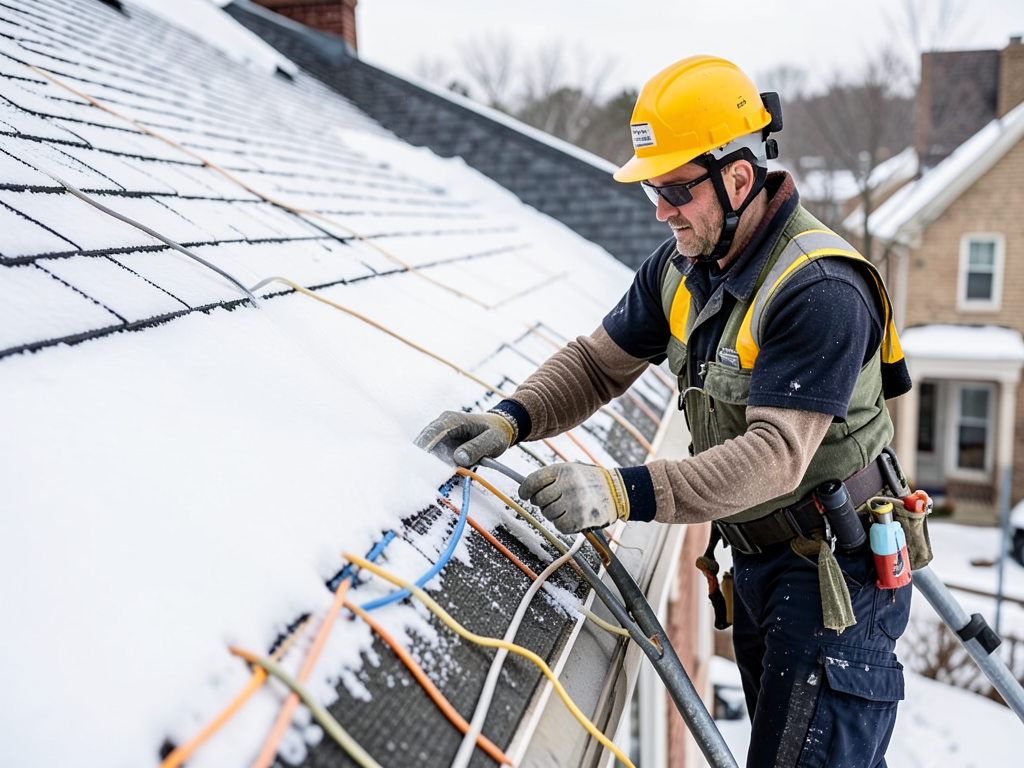
Heat cables, also called heat tape or roof de-icing cables, create channels through ice dams that allow water to drain safely. These cables are installed in a zigzag pattern along the roof edge and in gutters. While not a substitute for proper insulation and ventilation, they provide crucial protection during severe weather events.
Modern heat cables come with thermostats that activate only when temperatures drop below freezing, making them energy-efficient. Professional installation ensures proper spacing and coverage for your specific roof configuration. The cost of heat cables is minimal compared to potential water damage repairs.
The Dangers of DIY Ice Dam Removal
When ice dams form, the urge to remove them immediately can lead to costly mistakes. Many Charlotte homeowners grab hammers, chisels, or even pressure washers to break up ice dams, but these methods often cause more damage than the ice itself. Understanding the risks of DIY removal is crucial for protecting your investment.
Using sharp tools on ice-covered shingles is extremely dangerous. The ice obscures your view, making it easy to accidentally puncture or tear roofing materials. Even minor damage to shingle integrity can lead to leaks that persist long after the ice melts. The cost of replacing damaged shingles and underlayment far exceeds professional ice dam removal services.
Pressure washers might seem like an effective solution, but they can force water under shingles and into your attic. The high-pressure spray can also damage roofing materials and strip away protective granules from asphalt shingles. Once these granules are lost, your shingles become more susceptible to UV damage and premature aging.
Climbing on icy roofs presents serious safety hazards. Falls from even single-story heights can result in severe injuries. The combination of ice, snow, and sloped surfaces creates extremely slippery conditions that even experienced professionals approach with caution and proper safety equipment.
Professional ice dam removal uses specialized equipment like low-pressure steam machines that melt ice without damaging roofing materials. These professionals also understand how to create drainage channels that prevent water from backing up into your home. While the upfront cost might seem high, it’s far less expensive than repairing DIY damage or addressing water intrusion. Specialized Slate and Tile Roofing Services for Historic Homes in Myers Park.
Heat cables offer a safer alternative to physical removal. Once installed, they provide ongoing protection without the risks associated with manual ice dam removal. Many Charlotte homeowners find that the peace of mind and protection heat cables provide justifies their initial investment.
Charlotte Winter Weather Trends and Ice Dam Risk
Understanding Charlotte’s winter weather patterns helps predict when ice dams are most likely to form. While our winters are generally mild compared to Northern states, we experience enough cold snaps and precipitation to create significant ice dam risks. Analyzing recent weather data reveals patterns that can help you prepare.
Charlotte typically experiences 2-3 major winter weather events each year that create ice dam conditions. These events usually occur in January and February when temperatures fluctuate most dramatically. During these periods, daytime highs might reach the 40s while nighttime temperatures drop into the teens or low 20s, creating perfect ice dam conditions.
The 2022-2023 winter season saw several ice dam-forming events in the Charlotte area. A January storm dropped 4-6 inches of snow across Mecklenburg County, followed by several days of freeze-thaw cycles. Homes with inadequate insulation experienced significant ice dam formation, with many homeowners reporting water intrusion and gutter damage.
Charlotte’s urban heat island effect can actually worsen ice dam problems in some areas. The temperature difference between downtown Charlotte and surrounding suburbs can be 5-10 degrees, creating varying freeze-thaw conditions across short distances. This means ice dams might form on homes in one neighborhood while nearby areas remain unaffected.
Climate change is affecting our winter weather patterns, with some studies suggesting more frequent freeze-thaw cycles in the Southeast. While total snowfall might decrease, the intensity and frequency of ice-forming events could increase. This makes preventive measures more important than ever for Charlotte homeowners.
Local weather forecasts become crucial tools for ice dam prevention. When meteorologists predict temperatures below 30 degrees following precipitation, it’s time to implement your ice dam prevention strategy. Many professional roofing companies offer emergency services during these high-risk periods.
Cost Analysis: Prevention vs. Emergency Repairs
Understanding the financial implications of ice dam prevention versus emergency repairs helps justify preventive investments. While prevention requires upfront costs, it’s significantly less expensive than addressing water damage, structural repairs, and mold remediation after ice dam failures.
Professional attic insulation upgrades typically cost $1,500 to $3,000 for an average Charlotte home, depending on current insulation levels and attic accessibility. This investment can reduce heating costs by 15-30% annually while also preventing ice dam formation. The energy savings alone often pay for the insulation within 3-5 years.
Ice and water shield installation during a roof replacement adds $500 to $1,500 to the project cost but provides crucial protection for the life of your roof. Given that a new roof represents a $5,000 to $15,000 investment, this additional protection is relatively minor compared to the potential water damage costs.
Heat cable installation ranges from $300 to $800 for professional installation on an average home. Operating costs during severe weather events typically add $20 to $50 to your monthly electric bill. Compare this to emergency ice dam removal services, which can cost $200 to $600 per visit, plus potential water damage repairs.
Water damage from ice dams can easily cost $3,000 to $10,000 to repair, including ceiling replacement, drywall repair, painting, and addressing any mold issues. Structural damage to roof decking or trusses can push repair costs even higher. Insurance deductibles often mean you’re paying these costs out of pocket.
The financial analysis clearly favors prevention. A comprehensive ice dam prevention strategy might cost $2,000 to $5,000 upfront but can save you $10,000 to $20,000 in potential damages while also reducing your energy bills. This represents a significant return on investment for Charlotte homeowners.
Emergency Response: What to Do When Ice Dams Form
Even with preventive measures, severe weather can sometimes overwhelm your defenses. Knowing how to respond when ice dams form can minimize damage and protect your home. Quick action during the critical early stages of ice dam formation can prevent extensive water damage.
The first sign of ice dam problems is often water stains appearing on interior ceilings or walls. These stains typically appear near exterior walls and grow larger as more water backs up behind the ice dam. If you notice these signs, immediate action is necessary to prevent further damage.
Check your attic for signs of water intrusion. Look for wet insulation, water stains on rafters, or dripping water. If you find active leaks, place buckets under the drips to catch water and prevent it from soaking into your ceiling. Move any valuables away from affected areas to prevent damage.
Document all damage with photos and videos. This documentation is crucial for insurance claims and helps roofing professionals assess the extent of the problem. Take clear, well-lit photos of water stains, ice formations, and any visible damage to roofing materials.
Avoid the temptation to climb on your roof or use sharp tools to remove ice. Instead, contact a professional roofing company that specializes in ice dam removal. Many Charlotte roofing companies offer 24/7 emergency services during winter weather events and have the proper equipment to remove ice safely.
While waiting for professional help, you can create temporary drainage channels using calcium chloride ice melt. Fill pantyhose legs with ice melt and lay them across the ice dam perpendicular to the roof edge. This creates channels that allow water to drain off your roof rather than backing up under shingles.
After the immediate crisis passes, schedule a professional inspection to assess any damage and recommend preventive measures. Even if you didn’t experience water intrusion this time, the formation of ice dams indicates vulnerabilities that should be addressed before the next winter storm.
Frequently Asked Questions
How do I know if my Charlotte home is at risk for ice dams?
Homes with inadequate attic insulation, poor ventilation, or complex roof designs are most at risk. If you’ve experienced icicles forming along your roof edges or noticed water stains on interior ceilings during past winters, you’re likely at risk for ice dam formation.
Can ice dams cause permanent damage to my roof?
Yes, ice dams can cause significant permanent damage including rotted roof decking, damaged underlayment, lifted shingles, and compromised structural integrity. Water intrusion can also lead to mold growth and rot in walls and ceilings, requiring extensive repairs.
How much does professional ice dam removal cost in Charlotte?
Professional ice dam removal typically costs $200 to $600 depending on the size of your home and the severity of the ice dam. Emergency services during winter storms may cost more due to increased demand and hazardous working conditions.
Will my homeowners insurance cover ice dam damage?
Most standard homeowners insurance policies cover sudden and accidental water damage from ice dams, but they typically don’t cover the cost of ice dam removal itself. Check your specific policy details, as coverage can vary significantly between providers.
How long does it take to install preventive measures against ice dams?
Most preventive measures can be completed in 1-3 days. Insulation upgrades might take 4-8 hours, while heat cable installation typically requires 2-4 hours. A comprehensive prevention strategy including insulation, ventilation improvements, and heat cables can usually be completed within a week.
Are heat cables expensive to operate during winter?
Modern heat cables with thermostatic controls are quite energy-efficient. They typically cost $20 to $50 per month to operate during severe weather events, which is minimal compared to potential water damage repair costs or multiple professional ice dam removal visits.
Local Building Code Requirements for Ice Protection
Understanding local building code requirements helps ensure your ice dam prevention measures meet or exceed minimum standards. The North Carolina Residential Code, which applies to Charlotte and surrounding Mecklenburg County, includes specific requirements for ice and water protection that all roofing projects must follow.
Section R905.1.8.1 of the North Carolina Residential Code requires ice barrier underlayment on roofs with a slope of less than 4:12 and on the lower sections of steeper roofs. The code mandates that this underlayment extend from the eave edge up the roof deck to a point at least 24 inches inside the exterior wall line.
For roofs with multiple levels or complex designs common in Charlotte’s historic districts, additional ice barrier protection may be required at valleys, around chimneys, and in other vulnerable areas. These requirements ensure that even if ice dams form, water cannot penetrate the roof system and cause interior damage.
Building permits are required for most roofing projects in Mecklenburg County, and inspections verify that ice protection measures meet code requirements. Working with licensed roofing contractors who understand these requirements ensures your roof meets all local standards while providing maximum protection against ice dam formation. Expert Roof Inspections for Waterfront Homes in Cornelius and Davidson.
The code also addresses ventilation requirements that indirectly prevent ice dams. Proper attic ventilation keeps roof temperatures uniform, preventing the warm spots that cause uneven snow melt. Minimum ventilation requirements are specified based on attic floor area, with most homes requiring 1 square foot of net free ventilation area per 150 square feet of attic space.
Commercial buildings in Charlotte must comply with additional requirements under the North Carolina State Building Code, particularly regarding flat roof drainage and insulation standards. These requirements often exceed residential standards, providing enhanced protection against ice-related damage.
Understanding these code requirements helps homeowners make informed decisions about ice dam prevention. While meeting minimum code requirements provides basic protection, many Charlotte homeowners choose to exceed these standards for enhanced protection against our unique climate challenges.
Choosing the Right Roofing Contractor for Ice Dam Prevention
Not all roofing contractors have experience with ice dam prevention, particularly in Charlotte where these issues are less common than in Northern states. Choosing the right contractor ensures your prevention measures are properly designed and installed for maximum effectiveness.
Look for contractors with specific experience in cold weather roofing issues, even if they’re based in Charlotte. Experience with ice and water shield installation, heat cable systems, and attic ventilation improvements is crucial. Ask potential contractors about their experience with similar homes in your neighborhood.
Verify that contractors are licensed and insured in North Carolina. The North Carolina Licensing Board for General Contractors requires specific licenses for roofing work. Ask to see current licenses and insurance certificates, and verify their status with the licensing board.
Request references from homeowners in your area who have had similar work done. Speaking with past customers can provide insights into the contractor’s workmanship, reliability, and ability to address ice dam-specific issues. Ask about their experience with warranty service and follow-up support.
Professional contractors should provide detailed proposals that address your specific situation rather than offering one-size-fits-all solutions. They should inspect your attic, evaluate your current insulation levels, and recommend specific improvements based on your home’s construction and your budget.
Be wary of contractors who recommend quick fixes or who pressure you into expensive solutions without explaining the reasoning. Quality ice dam prevention requires a comprehensive approach, but not every home needs the most expensive options available. A good contractor will help you prioritize improvements based on your specific risk factors.
Consider contractors who offer maintenance agreements or follow-up services. Ice dam prevention often requires ongoing attention, and having a contractor who knows your home’s history can be valuable for addressing any issues that arise during severe weather events.
Seasonal Maintenance Schedule for Ice Dam Prevention
Preventing ice dams isn’t a one-time project but requires ongoing attention throughout the year. Following a seasonal maintenance schedule ensures your prevention measures remain effective and helps identify potential problems before they cause damage during winter storms.
Spring (March-May): Inspect your roof for any winter damage, clean gutters and downspouts, and check that all ice and water shield is intact. This is also the ideal time to schedule any necessary repairs or preventive improvements while weather conditions are favorable.
Summer (June-August): Evaluate your attic insulation levels and ventilation. Consider adding insulation or improving ventilation during these months when contractors are less busy. This is also a good time to plan and budget for any major improvements like heat cable installation.
Fall (September-November): Clean gutters thoroughly, inspect and test heat cables if you have them installed, and seal any new air leaks that may have developed. Consider having a professional inspection to identify any vulnerabilities before winter weather arrives.
Winter (December-February): Monitor weather forecasts for freeze-thaw conditions, check that heat cables are functioning properly, and be prepared to implement emergency measures if severe weather threatens. Keep contact information for emergency roofing services readily available.
Regular maintenance not only prevents ice dams but also extends the life of your entire roofing system. Clean gutters prevent water backup during heavy rains, proper ventilation reduces cooling costs in summer, and adequate insulation improves energy efficiency year-round.
Document all maintenance activities and keep records of any improvements or repairs. This documentation can be valuable for insurance purposes and helps track the effectiveness of your prevention measures over time. Many professional roofing companies offer maintenance agreements that include regular inspections and priority service during emergencies.
Consider joining neighborhood or community groups where homeowners share information about weather conditions and ice dam prevention strategies. Charlotte’s varied neighborhoods can experience different weather patterns, and local knowledge can be invaluable for preparing for specific threats in your area.
Conclusion: Protecting Your Charlotte Home from Winter Damage
Ice dams and gutters full of slush represent a significant threat to Charlotte homes during winter snaps, but with proper prevention and preparation, you can protect your investment from costly water damage. Understanding the unique challenges our climate presents is the first step toward effective protection.
The combination of inadequate insulation, poor ventilation, and our frequent freeze-thaw cycles creates perfect conditions for ice dam formation in Charlotte. However, the same factors that make our homes vulnerable also make prevention achievable through relatively straightforward improvements to insulation, ventilation, and drainage systems.
Investing in ice dam prevention offers multiple benefits beyond just avoiding winter damage. Improved attic insulation reduces energy costs year-round, proper ventilation extends roof life, and comprehensive protection provides peace of mind during severe weather events. The cost of prevention is minimal compared to potential repair costs from water damage.
Don’t wait until ice dams form to take action. The best time to implement prevention measures is during mild weather when contractors have greater availability and materials are readily accessible. A comprehensive approach addressing insulation, ventilation, underlayment, and drainage provides the most reliable protection.
Charlotte homeowners who understand these risks and take proactive steps can enjoy worry-free winters, knowing their homes are protected against the unique challenges our climate presents. With proper preparation, those beautiful winter scenes won’t come with the hidden threat of costly water damage lurking beneath the snow.
Ready to protect your Charlotte home from ice dams this winter? Call (980) 352-5899 today to schedule your free roof inspection and ice dam prevention consultation. Our local experts understand Charlotte’s unique weather patterns and can recommend the right solutions for your specific home. Don’t wait until water stains appear on your ceiling – take action now to prevent costly damage later.
Don’t let winter weather catch you unprepared. Pick up the phone and call (980) 352-5899 before the next cold snap hits. Our team is ready to help you implement comprehensive ice dam prevention strategies that will protect your home for years to come. Your peace of mind is just one call away. For more information, visit FEMA.
{
“@context”: “https://schema.org”,
“@type”: “BlogPosting”,
“headline”: “Preventing Ice Dams and Gutters Full of Slush During Charlotte Winter Snaps”,
“description”: “Protect your Charlotte home from ice dams this winter. Learn why our freeze-thaw cycles cause roof damage and how to prevent costly repairs with local expertise.”,
“wordCount”: 4054,
“datePublished”: “2026-03-31T06:29:00.000Z”,
“dateModified”: “2026-03-31T06:29:00.000Z”,
“inLanguage”: “en-US”,
“mainEntityOfPage”: {
“@type”: “WebPage”,
“@id”: “https://fivestarroofingcharlotte.com”
},
“publisher”: {
“@type”: “LocalBusiness”,
“name”: “Five Star Roofing Charlotte”,
“url”: “https://fivestarroofingcharlotte.com”
},
“author”: {
“@type”: “Organization”,
“name”: “Five Star Roofing Charlotte”,
“url”: “https://fivestarroofingcharlotte.com”
},
“image”: {
“@type”: “ImageObject”,
“url”: “https://fivestarroofingcharlotte.com/wp-content/uploads/2026/03/preventing-ice-dams-and-gutters-full-of-slush-duri-1.png”
}
}
{
“@context”: “https://schema.org”,
“@type”: “RoofingContractor”,
“name”: “Five Star Roofing Charlotte”,
“url”: “https://fivestarroofingcharlotte.com”,
“address”: {
“@type”: “PostalAddress”,
“addressLocality”: “Charlotte”
},
“areaServed”: {
“@type”: “City”,
“name”: “Charlotte”
}
}
{
“@context”: “https://schema.org”,
“@type”: “FAQPage”,
“mainEntity”: [
{
“@type”: “Question”,
“name”: “How do I know if my Charlotte home is at risk for ice dams?”,
“acceptedAnswer”: {
“@type”: “Answer”,
“text”: “Homes with inadequate attic insulation, poor ventilation, or complex roof designs are most at risk. If you’ve experienced icicles forming along your roof edges or noticed water stains on interior ceilings during past winters, you’re likely at risk for ice dam formation.”
}
},
{
“@type”: “Question”,
“name”: “Can ice dams cause permanent damage to my roof?”,
“acceptedAnswer”: {
“@type”: “Answer”,
“text”: “Yes, ice dams can cause significant permanent damage including rotted roof decking, damaged underlayment, lifted shingles, and compromised structural integrity. Water intrusion can also lead to mold growth and rot in walls and ceilings, requiring extensive repairs.”
}
},
{
“@type”: “Question”,
“name”: “How much does professional ice dam removal cost in Charlotte?”,
“acceptedAnswer”: {
“@type”: “Answer”,
“text”: “Professional ice dam removal typically costs $200 to $600 depending on the size of your home and the severity of the ice dam. Emergency services during winter storms may cost more due to increased demand and hazardous working conditions.”
}
},
{
“@type”: “Question”,
“name”: “Will my homeowners insurance cover ice dam damage?”,
“acceptedAnswer”: {
“@type”: “Answer”,
“text”: “Most standard homeowners insurance policies cover sudden and accidental water damage from ice dams, but they typically don’t cover the cost of ice dam removal itself. Check your specific policy details, as coverage can vary significantly between providers.”
}
},
{
“@type”: “Question”,
“name”: “Are heat cables expensive to operate during winter?”,
“acceptedAnswer”: {
“@type”: “Answer”,
“text”: “Modern heat cables with thermostatic controls are quite energy-efficient. They typically cost $20 to $50 per month to operate during severe weather events, which is minimal compared to potential water damage repair costs or multiple professional ice dam removal visits.”
}
}
]
}
{
“@context”: “https://schema.org”,
“@type”: “BreadcrumbList”,
“itemListElement”: [
{
“@type”: “ListItem”,
“position”: 1,
“name”: “Home”,
“item”: “https://fivestarroofingcharlotte.com”
},
{
“@type”: “ListItem”,
“position”: 2,
“name”: “Blog”,
“item”: “https://fivestarroofingcharlotte.com/blog”
},
{
“@type”: “ListItem”,
“position”: 3,
“name”: “Preventing Ice Dams and Gutters Full of Slush During Charlotte Winter Snaps”
}
]
}
{
“@context”: “https://schema.org”,
“@type”: “Service”,
“serviceType”: “Roofing”,
“provider”: {
“@type”: “LocalBusiness”,
“name”: “Five Star Roofing Charlotte”,
“url”: “https://fivestarroofingcharlotte.com”
},
“areaServed”: {
“@type”: “City”,
“name”: “Charlotte”
},
“description”: “Protect your Charlotte home from ice dams this winter. Learn why our freeze-thaw cycles cause roof damage and how to prevent costly repairs with local expertise.”
}