Sustainable Roofing Options for Eco-Conscious Homeowners in NoDa and Villa Heights
Charlotte’s NoDa and Villa Heights neighborhoods are known for their vibrant arts scene, historic bungalows, and growing community of environmentally conscious homeowners. If you’re looking to reduce your carbon footprint while protecting your home from North Carolina’s intense summer heat and humidity, sustainable roofing options offer both environmental benefits and long-term cost savings. Modern eco-friendly roofing materials can lower your energy bills by 15-30% while keeping your home cooler during those sweltering Charlotte summers. Why More Huntersville Homeowners Are Switching to Standing Seam Metal Roofs.
Why Sustainable Roofing Matters for Charlotte Homes
Charlotte’s urban heat island effect makes sustainable roofing particularly important for NoDa and Villa Heights residents. The city’s concrete and asphalt absorb and retain heat, raising local temperatures by up to 7°F compared to surrounding rural areas. This means your roof works harder during those 90+ degree summer days, driving up cooling costs and contributing to the heat problem. Getting Your Charlotte Roof Repaired After a Hail Storm — A Local Guide to Insurance Claims.
Traditional asphalt shingles absorb 85-95% of solar heat, while modern cool roofing materials reflect 30-80% of that heat back into the atmosphere. For a typical Charlotte home, this translates to energy savings of $200-400 annually on cooling costs alone. Beyond energy savings, sustainable roofing materials reduce landfill waste since many are made from recycled content and are fully recyclable at the end of their lifespan.
Charlotte’s building code requires all new roofing installations to meet minimum solar reflectance standards, particularly important in Mecklenburg County’s humid subtropical climate. The North Carolina Building Code Council has adopted provisions that encourage cool roofing technologies to combat urban heat island effects. Built-Up Roofing.
Top Eco-Friendly Roofing Materials for Charlotte’s Climate
Choosing the right sustainable roofing material depends on your home’s architecture, budget, and specific environmental goals. Here are the most effective options for NoDa and Villa Heights homes:
Standing Seam Metal Roofing
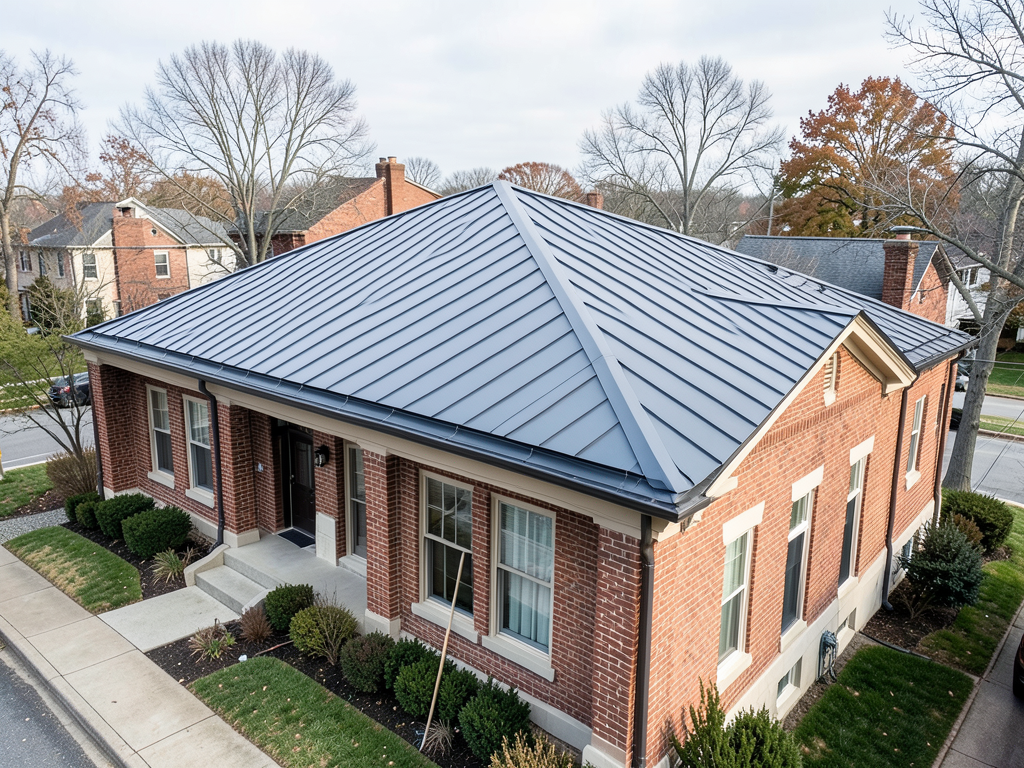
Metal roofing offers exceptional durability and energy efficiency for Charlotte homes. Modern standing seam metal roofs reflect up to 70% of solar radiation and can last 50+ years with minimal maintenance. The panels interlock to create a watertight barrier that performs excellently during Charlotte’s summer thunderstorms.
Key benefits for NoDa and Villa Heights include:
- Reflects heat rather than absorbing it, reducing cooling costs by 20-30%
- Made from 30-60% recycled steel or aluminum
- 100% recyclable at end of life
- Excellent wind resistance (up to 140 mph) for storm protection
- Lightweight design suitable for older bungalow structures
Cool Roof Shingles with Solar Reflectance
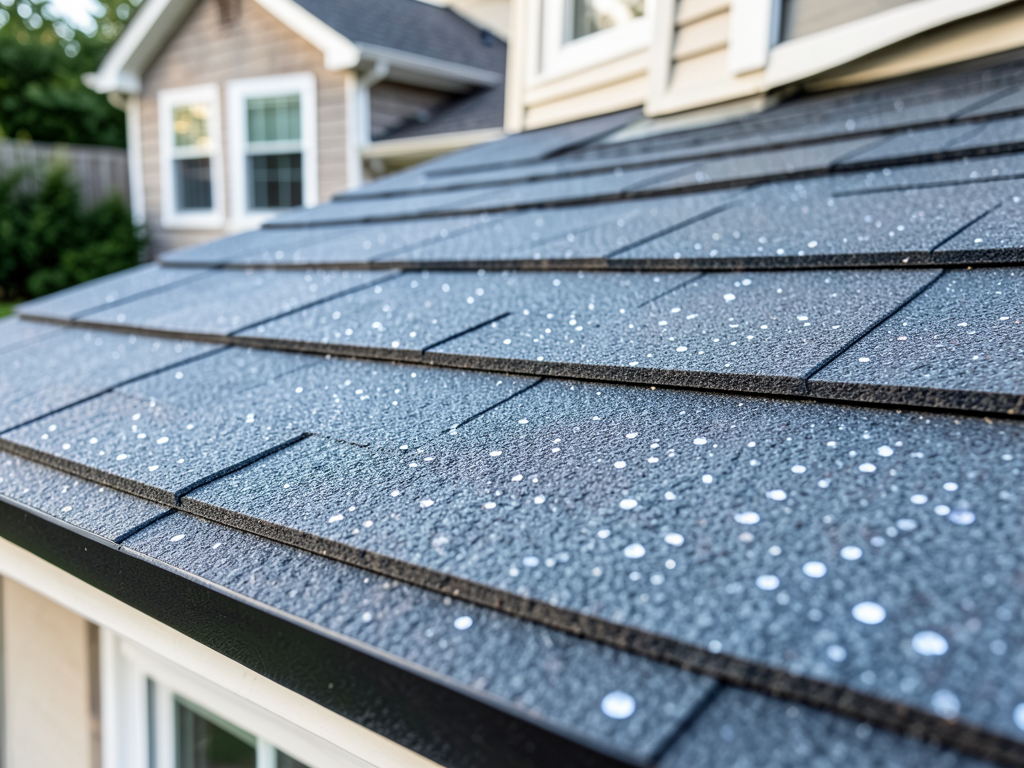
Advanced asphalt shingles now come with specialized granules that reflect infrared radiation while maintaining traditional aesthetics. These cool roof shingles meet Energy Star certification requirements and can reduce roof surface temperatures by up to 50°F compared to standard shingles. Specialized Slate and Tile Roofing Services for Historic Homes in Myers Park.
For Charlotte’s humid climate, look for shingles with:
- Solar Reflectance Index (SRI) rating of 29 or higher
- Algae-resistant technology to prevent black streaks
- Class 4 impact resistance for hail protection
- Wind ratings of 110-130 mph
Recycled Synthetic Shingles
Made from recycled rubber, plastic, and other materials, these composite shingles offer the look of slate or cedar shake without the environmental impact. They’re particularly well-suited for NoDa’s historic district where architectural guidelines often require traditional appearances. The Best Shingles to Withstand the Charlotte Summer Heat and Humidity.
Benefits include:
- Made from 80-95% recycled materials
- Lightweight and easy to install on older structures
- Excellent impact resistance for Charlotte’s occasional hail storms
- Typically 50-year warranties
Solar-Ready Roofing Systems
Preparing your roof for future solar panel installation makes sense for eco-conscious homeowners. Solar-ready roofing includes enhanced structural support and optimized orientation for maximum sun exposure.
Features to consider:
- Reinforced decking to support panel weight
- Optimized roof pitch (typically 4:12 to 6:12) for solar efficiency
- Integrated wiring channels for clean installation
- Reflective underlayments to maximize energy savings
Energy Savings and Tax Incentives in North Carolina
Investing in sustainable roofing can qualify you for significant financial incentives. The federal solar tax credit (Investment Tax Credit) currently allows you to deduct 30% of your solar installation costs from your federal taxes, with no upper limit. federal solar tax credit.
Duke Energy offers additional rebates for energy-efficient roofing improvements:
- Up to $400 for cool roof installations
- Additional incentives for homes that achieve specific energy performance targets
- Net metering programs that credit you for excess solar energy production
Mecklenburg County homeowners may also qualify for:
- Property tax abatements for energy-efficient improvements
- Green building certification incentives
- Stormwater fee reductions for roofs that manage runoff effectively
The long-term ROI for sustainable roofing in Charlotte typically ranges from 15-25% annually when factoring in energy savings, tax incentives, and increased home value. Homes with energy-efficient roofing often sell 5-10% faster than comparable properties with standard roofing.
Our Local Sustainable Installation Process
Installing sustainable roofing requires specialized knowledge of Charlotte’s building codes and climate conditions. Our process ensures your new roof performs optimally for decades:
- Comprehensive Roof Assessment
We evaluate your existing roof structure, attic ventilation, and energy performance using thermal imaging to identify heat loss points specific to NoDa and Villa Heights homes.
- Material Selection and Design
Based on your home’s architecture and energy goals, we recommend materials that balance aesthetics, performance, and budget. We consider factors like roof pitch, sun exposure, and neighborhood architectural guidelines.
- Permit Acquisition and Code Compliance
We handle all Mecklenburg County building permits and ensure compliance with North Carolina’s energy efficiency requirements and local historic district guidelines.
- Installation with Sustainable Practices
Our crews use dust containment systems and recycle all removed materials. We partner with local recycling facilities that process asphalt shingles into road paving materials.
- Final Inspection and Energy Performance Testing
We verify that your new roof meets all energy efficiency targets and provide documentation for tax credit applications.
Throughout the process, we use materials sourced from regional manufacturers when possible to reduce transportation emissions. Our installation teams are trained in the latest sustainable building practices and use equipment that minimizes environmental impact.
Case Studies: Eco-Friendly Roofs in Charlotte Neighborhoods
Understanding how sustainable roofing performs in real Charlotte homes helps you make informed decisions. Here are examples from local neighborhoods:
Historic Bungalow in Villa Heights
- Challenge: Required materials that matched historic district guidelines while providing modern energy efficiency
- Solution: Recycled synthetic slate that mimics traditional appearance but offers 40% better heat reflection
- Results: 25% reduction in cooling costs, preserved historic character, 50-year warranty
Mid-Century Modern in NoDa
- Challenge: Low-slope sections prone to heat buildup and moisture issues
- Solution: Cool roof membrane system with integrated solar-ready infrastructure
- Results: 35% energy savings, eliminated moisture problems, prepared for future solar installation
Craftsman Home Near Plaza Midwood
- Challenge: Steep roof pitch with complex valleys and dormers
- Solution: Standing seam metal roofing with enhanced ventilation system
- Results: 30% cooling cost reduction, superior storm protection, zero maintenance required
Comparing Sustainable Roofing Options
| Material Type | Initial Cost (per sq ft) | Energy Savings | Lifespan | Recycled Content |
|---|---|---|---|---|
| Standing Seam Metal | $8-12 | 25-35% | 50+ years | 30-60% |
| Cool Roof Shingles | $4-6 | 15-25% | 25-30 years | 15-25% |
| Recycled Synthetic | $6-9 | 20-30% | 40-50 years | 80-95% |
| Solar Shingles | $12-18 | 30-40% + power generation | 25-30 years | 20-30% |
Maintaining Your Sustainable Roof in Charlotte’s Climate
Charlotte’s humid climate creates specific maintenance needs for sustainable roofing. The combination of high humidity, occasional severe storms, and intense UV exposure requires a proactive approach.
Essential maintenance includes:
- Annual inspections to check for algae growth, particularly on north-facing slopes
- Gutter cleaning twice yearly to prevent water backup during heavy rains
- Checking roof penetrations around chimneys and vents after severe weather
- Monitoring attic ventilation to ensure proper airflow and prevent moisture buildup
Charlotte’s building code requires specific ventilation ratios for sustainable roofing systems. For every 150 square feet of attic floor space, you need at least 1 square foot of net free ventilation area. Proper ventilation extends the life of your sustainable roof by preventing heat and moisture damage.
Algae growth is particularly problematic in Mecklenburg County’s humid climate. Many sustainable roofing materials now include copper or zinc granules that inhibit algae growth, reducing the need for chemical treatments and preserving the roof’s reflective properties.
Frequently Asked Questions
How much more do sustainable roofing materials cost compared to traditional asphalt shingles?
Sustainable roofing materials typically cost 20-50% more upfront than standard asphalt shingles. However, when you factor in energy savings, tax incentives, and longer lifespan, the total cost of ownership is often lower over 15-20 years.
Will sustainable roofing work with my historic home in NoDa’s historic district?
Yes, many sustainable options are designed to meet historic district guidelines. Recycled synthetic materials can mimic traditional slate or wood shake while providing modern energy efficiency. We handle all historic district approval processes as part of our service.. Read more about Why Synthetic Slate Is Becoming the Go-To Choice for Historic Restoration in Wilmore and Oakhurst.
How do sustainable roofs perform during Charlotte’s severe weather?
Modern sustainable roofing materials are engineered to exceed standard building code requirements for wind and impact resistance. Metal roofing can withstand winds up to 140 mph, while impact-resistant cool shingles carry Class 4 ratings for hail protection.
What tax incentives are available for sustainable roofing in North Carolina?
The federal solar tax credit offers 30% of installation costs as a tax credit. Duke Energy provides rebates up to $400 for cool roof installations. Mecklenburg County offers additional incentives for energy-efficient home improvements that meet specific performance standards. Duke Energy Smart $aver incentives.
How long does sustainable roofing installation take?
Most sustainable roofing installations in Charlotte take 2-4 days, depending on roof size and complexity. We provide detailed timelines and work to minimize disruption to your daily routine.
Ready to Make Your NoDa or Villa Heights Home More Sustainable?
Sustainable roofing is more than just an environmental choice—it’s a smart investment in your home’s future and your family’s comfort. With Charlotte’s rising energy costs and increasing focus on environmental responsibility, now is the perfect time to upgrade to eco-friendly roofing.
Our team understands the unique challenges of roofing in NoDa and Villa Heights, from historic district requirements to the specific weather patterns that affect Charlotte homes. We’ll help you navigate material options, permitting processes, and available incentives to find the perfect sustainable solution for your home.
Don’t wait until the next heat wave or storm season to upgrade your roof. Call (980) 352-5899 today to schedule your free sustainable roofing consultation. We’ll assess your current roof, discuss your energy goals, and provide a detailed proposal with all available incentives factored in.
Pick up the phone and call (980) 352-5899 before the next Charlotte summer hits. Your future self—and the planet—will thank you.
{
“@context”: “https://schema.org”,
“@type”: “BlogPosting”,
“headline”: “Sustainable Roofing Options for Eco-Conscious Homeowners in NoDa and Villa Heights”,
“description”: “Discover eco-friendly roofing materials perfect for Charlotte’s climate. Learn about energy savings, tax incentives, and sustainable options for NoDa and Villa Heights homes.”,
“wordCount”: 1762,
“datePublished”: “2026-04-05T10:42:00.000Z”,
“dateModified”: “2026-04-05T10:42:00.000Z”,
“inLanguage”: “en-US”,
“mainEntityOfPage”: {
“@type”: “WebPage”,
“@id”: “https://fivestarroofingcharlotte.com”
},
“publisher”: {
“@type”: “LocalBusiness”,
“name”: “Five Star Roofing Charlotte”,
“url”: “https://fivestarroofingcharlotte.com”
},
“author”: {
“@type”: “Organization”,
“name”: “Five Star Roofing Charlotte”,
“url”: “https://fivestarroofingcharlotte.com”
},
“image”: {
“@type”: “ImageObject”,
“url”: “https://fivestarroofingcharlotte.com/wp-content/uploads/2026/03/sustainable-roofing-options-for-eco-conscious-home-1.png”
}
}
{
“@context”: “https://schema.org”,
“@type”: “RoofingContractor”,
“name”: “Five Star Roofing Charlotte”,
“url”: “https://fivestarroofingcharlotte.com”,
“address”: {
“@type”: “PostalAddress”,
“addressLocality”: “Charlotte”
},
“areaServed”: {
“@type”: “City”,
“name”: “Charlotte”
}
}
{
“@context”: “https://schema.org”,
“@type”: “FAQPage”,
“mainEntity”: [
{
“@type”: “Question”,
“name”: “How much more do sustainable roofing materials cost compared to traditional asphalt shingles?”,
“acceptedAnswer”: {
“@type”: “Answer”,
“text”: “Sustainable roofing materials typically cost 20-50% more upfront than standard asphalt shingles. However, when you factor in energy savings, tax incentives, and longer lifespan, the total cost of ownership is often lower over 15-20 years.”
}
},
{
“@type”: “Question”,
“name”: “Will sustainable roofing work with my historic home in NoDa’s historic district?”,
“acceptedAnswer”: {
“@type”: “Answer”,
“text”: “Yes, many sustainable options are designed to meet historic district guidelines. Recycled synthetic materials can mimic traditional slate or wood shake while providing modern energy efficiency. We handle all historic district approval processes as part of our service.”
}
},
{
“@type”: “Question”,
“name”: “How do sustainable roofs perform during Charlotte’s severe weather?”,
“acceptedAnswer”: {
“@type”: “Answer”,
“text”: “Modern sustainable roofing materials are engineered to exceed standard building code requirements for wind and impact resistance. Metal roofing can withstand winds up to 140 mph, while impact-resistant cool shingles carry Class 4 ratings for hail protection.”
}
},
{
“@type”: “Question”,
“name”: “What tax incentives are available for sustainable roofing in North Carolina?”,
“acceptedAnswer”: {
“@type”: “Answer”,
“text”: “The federal solar tax credit offers 30% of installation costs as a tax credit. Duke Energy provides rebates up to $400 for cool roof installations. Mecklenburg County offers additional incentives for energy-efficient home improvements that meet specific performance standards. Duke Energy Smart $aver incentives.”
}
},
{
“@type”: “Question”,
“name”: “How long does sustainable roofing installation take?”,
“acceptedAnswer”: {
“@type”: “Answer”,
“text”: “Most sustainable roofing installations in Charlotte take 2-4 days, depending on roof size and complexity. We provide detailed timelines and work to minimize disruption to your daily routine.”
}
},
{
“@type”: “Question”,
“name”: “Ready to Make Your NoDa or Villa Heights Home More Sustainable?”,
“acceptedAnswer”: {
“@type”: “Answer”,
“text”: “Sustainable roofing is more than just an environmental choice—it’s a smart investment in your home’s future and your family’s comfort. With Charlotte’s rising energy costs and increasing focus on environmental responsibility, now is the perfect time to upgrade to eco-friendly roofing.”
}
}
]
}
{
“@context”: “https://schema.org”,
“@type”: “HowTo”,
“name”: “Sustainable Roofing Installation Process”,
“step”: [
{
“@type”: “HowToStep”,
“position”: 1,
“name”: “Comprehensive Roof Assessment”,
“text”: “We evaluate your existing roof structure, attic ventilation, and energy performance using thermal imaging to identify heat loss points specific to NoDa and Villa Heights homes.”
},
{
“@type”: “HowToStep”,
“position”: 2,
“name”: “Material Selection and Design”,
“text”: “Based on your home’s architecture and energy goals, we recommend materials that balance aesthetics, performance, and budget. We consider factors like roof pitch, sun exposure, and neighborhood architectural guidelines.”
},
{
“@type”: “HowToStep”,
“position”: 3,
“name”: “Permit Acquisition and Code Compliance”,
“text”: “We handle all Mecklenburg County building permits and ensure compliance with North Carolina’s energy efficiency requirements and local historic district guidelines.”
},
{
“@type”: “HowToStep”,
“position”: 4,
“name”: “Installation with Sustainable Practices”,
“text”: “Our crews use dust containment systems and recycle all removed materials. We partner with local recycling facilities that process asphalt shingles into road paving materials.”
},
{
“@type”: “HowToStep”,
“position”: 5,
“name”: “Final Inspection and Energy Performance Testing”,
“text”: “We verify that your new roof meets all energy efficiency targets and provide documentation for tax credit applications.”
}
],
“image”: “https://fivestarroofingcharlotte.com/wp-content/uploads/2026/03/sustainable-roofing-options-for-eco-conscious-home-1.png”
}
{
“@context”: “https://schema.org”,
“@type”: “BreadcrumbList”,
“itemListElement”: [
{
“@type”: “ListItem”,
“position”: 1,
“name”: “Home”,
“item”: “https://fivestarroofingcharlotte.com”
},
{
“@type”: “ListItem”,
“position”: 2,
“name”: “Blog”,
“item”: “https://fivestarroofingcharlotte.com/blog”
},
{
“@type”: “ListItem”,
“position”: 3,
“name”: “Sustainable Roofing Options for Eco-Conscious Homeowners in NoDa and Villa Heights”
}
]
}
{
“@context”: “https://schema.org”,
“@type”: “Service”,
“serviceType”: “Roofing”,
“provider”: {
“@type”: “LocalBusiness”,
“name”: “Five Star Roofing Charlotte”,
“url”: “https://fivestarroofingcharlotte.com”
},
“areaServed”: {
“@type”: “City”,
“name”: “Charlotte”
},
“description”: “Discover eco-friendly roofing materials perfect for Charlotte’s climate. Learn about energy savings, tax incentives, and sustainable options for NoDa and Villa Heights homes.”
}