
The Best Time of Year to Schedule Your Roof Replacement in North Carolina
Charlotte homeowners face unique roofing challenges throughout the year. The humid Piedmont climate, spring pollen storms, and occasional winter ice events all impact when and how a roof replacement should be scheduled. The ideal window for most Charlotte homes falls between late September and early November, when temperatures stay between 45-85°F and humidity drops below 70%. This timing allows asphalt shingles to properly seal without the blistering heat of July or the constant rain of April and May. Charlotte climate data.
Why Charlotte’s Climate Makes Timing Critical
The Queen City sits in the transition zone between the Appalachian foothills and the coastal plain. This geography creates specific roofing challenges that out-of-state contractors often overlook. Charlotte’s average relative humidity exceeds 70% from May through September, which affects how quickly asphalt shingles can form their protective seal. When humidity stays high, the adhesive strips on shingles take longer to activate, leaving your roof vulnerable to wind uplift during summer thunderstorms. The Best Shingles to Withstand the Charlotte Summer Heat and Humidity.
Spring in Charlotte brings another unique factor: the annual pine pollen explosion. During peak pollen weeks in March and April, microscopic particles coat everything, including your roof deck. These particles interfere with adhesive activation and can create weak spots in the seal line. Professional roofers in Mecklenburg County know to account for this by extending seal-down time by 24-48 hours during heavy pollen periods. Getting Your Charlotte Roof Repaired After a Hail Storm — A Local Guide to Insurance Claims.
Seasonal Breakdown for Charlotte Roof Replacement
| Season | Temperature Range | Humidity Impact | Best For |
|---|---|---|---|
| Winter (Dec-Feb) | 30-55°F | Low, but risk of freezing | Emergency repairs, budget projects |
| Spring (Mar-May) | 45-75°F | Very high, pollen issues | Avoid if possible |
| Summer (Jun-Aug) | 70-95°F | Very high, UV damage | Emergency only |
| Fall (Sep-Nov) | 50-80°F | Moderate, ideal conditions | Best overall timing |
The Humidity Factor: How Charlotte’s Moisture Affects Installation
Asphalt shingles require specific conditions to properly seal. The adhesive strips need temperatures above 40°F and relative humidity below 80% to activate within the standard 24-48 hour window. In Charlotte’s summer months, when afternoon humidity often reaches 85-90%, this seal time extends to 72-96 hours. During this extended period, your roof remains vulnerable to wind damage.
Professional roofers use moisture meters to test deck conditions before installation. A reading above 15% moisture content means the wood cannot properly bond with underlayment. In Charlotte’s humid climate, this happens frequently during summer months when afternoon thunderstorms leave roof decks damp. Waiting 24-48 hours for proper drying often means the difference between a roof that lasts 15 years versus one that fails in 8.
Off-Peak Advantage: Winter Replacement Benefits
While fall offers ideal conditions, winter presents surprising advantages for Charlotte homeowners. From January through early March, roofing demand drops significantly. This creates several benefits: shorter wait times (often 1-2 weeks versus 4-6 weeks in fall), more flexible scheduling, and typically 10-15% lower labor costs as crews look to fill their calendars. Why More Huntersville Homeowners Are Switching to Standing Seam Metal Roofs.
The key winter consideration is temperature. Asphalt shingles become brittle below 40°F, making them difficult to cut and install properly. However, Charlotte rarely sees sustained temperatures below freezing. Most winter days stay above 45°F, which is sufficient for proper installation if crews work during the warmest hours (typically 10 AM to 3 PM).
Ice and water shield becomes critical during winter installations. Mecklenburg County building codes require this protective membrane in valleys and along eaves where ice dams might form. The shield creates a watertight barrier even if temperatures drop below freezing during installation.
Emergency Signs That Override Seasonal Timing
Some roof problems cannot wait for ideal weather conditions. These warning signs indicate immediate replacement needs regardless of season:
- Active leaks appearing in multiple rooms
- Visible sagging or deck deflection
- Missing shingles after wind events exceeding 40 mph
- Water stains spreading across ceilings
- Daylight visible through roof boards in attic
When these conditions exist, seasonal timing becomes secondary to preventing structural damage. A small leak that allows water to reach your home’s wooden structure can cause thousands in damage within 24-48 hours.
Charlotte Climate Data for Roofing Planning
Understanding Charlotte’s specific weather patterns helps with timing decisions. The city receives an average of 43 inches of rain annually, with the highest totals occurring in July and August. These months also see the most thunderstorm activity, with an average of 8-10 days featuring winds over 30 mph.
Temperature extremes affect material performance. Asphalt shingles installed when temperatures exceed 85°F can experience thermal shock when evening temperatures drop 30-40 degrees. This expansion and contraction cycle stresses the seal line and can cause premature failure.
Charlotte’s elevation of 751 feet above sea level means slightly cooler temperatures than surrounding low-lying areas. This elevation difference creates microclimates where afternoon thunderstorms develop more frequently, particularly in the eastern and southern parts of Mecklenburg County.
The Cost Factor: When Prices Peak and Dip
Roofing costs in Charlotte follow predictable seasonal patterns. Late summer and early fall see the highest prices due to peak demand. Homeowners rushing to complete projects before winter often pay 15-20% premiums during this period.
Winter installations typically offer the best value, but with caveats. While material costs remain constant year-round, labor rates drop as contractors compete for fewer jobs. However, winter projects may require additional precautions like temporary heat for adhesives and extended seal-down monitoring.
Spring pricing sits in the middle range. Early spring (March-April) often sees moderate demand as homeowners address winter damage. Late spring (May-June) prices rise as pollen season ends and summer heat approaches.
Permit and Code Considerations in Mecklenburg County
Mecklenburg County requires building permits for all roof replacements. The permitting process typically takes 3-5 business days during normal volume periods. However, permit offices experience backlogs during peak seasons (September-October), sometimes extending wait times to 10-14 days.
North Carolina Residential Code Section R903 governs roofing installations. This code requires specific underlayment types based on roof pitch and local weather patterns. Charlotte’s moderate climate means standard requirements apply, but areas in higher elevations or near Lake Norman may need enhanced protection. North Carolina pollen information.
Wind uplift requirements in Mecklenburg County follow International Building Code standards. Most residential roofs must withstand 90-100 mph wind speeds. This requirement affects fastener spacing and underlayment selection, particularly important during Charlotte’s frequent summer thunderstorms.
Preparing for Your Replacement: The Week Before
Successful roof replacement starts with proper preparation. One week before your scheduled date, take these steps:
- Clear the Work Zone
Remove patio furniture, grills, and decorations from areas where debris might fall. Professional roofers need 15-20 feet of clearance around your home.
- Protect Interior Items
Roof removal creates vibrations that travel through walls. Remove pictures from exterior walls and cover items on shelves in rooms directly below the roof.
- Notify Neighbors
Roof work typically runs 7 AM to 6 PM. Alert neighbors about the project timeline, especially if homes sit close together.
During the replacement itself, expect noise levels similar to a construction site. Crews will use nail guns, power saws, and heavy equipment throughout the day. Most Charlotte homes require 1-2 days for complete replacement, depending on size and complexity.
Post-Installation Care and Warranty Considerations
After installation, the seal-down period becomes critical. In ideal fall conditions, shingles seal within 24-48 hours. During high humidity periods, this extends to 72 hours or more. During this time, avoid walking on the roof and keep gutters clear of debris that might interfere with seal formation.
Most asphalt shingle manufacturers require specific installation temperatures for warranty validity. In Charlotte, this typically means installation must occur when temperatures stay above 40°F for 48 hours before and after the work. Professional roofers document these conditions as part of the warranty process.
Regular maintenance extends roof life significantly. Annual inspections can identify minor issues before they become major problems. In Charlotte’s climate, pay special attention to areas around chimneys, valleys, and eaves where water tends to collect. Expert Roof Inspections for Waterfront Homes in Cornelius and Davidson.
Making Your Decision: Timing vs. Urgency
The best time for roof replacement balances several factors: weather conditions, contractor availability, cost considerations, and your home’s specific needs. While fall offers ideal conditions for most Charlotte homes, waiting for perfect weather when your roof shows emergency signs can cost far more in water damage than any seasonal savings. Chimney Leak Emergency Repair.
Consider these questions when making your decision:
- Are there active leaks or water damage inside your home?
- How old is your current roof, and what’s its expected remaining lifespan?
- Do you have flexibility in your timeline, or is this an urgent replacement?
- What’s your budget tolerance for seasonal price variations?
The answers help determine whether to wait for ideal conditions or proceed immediately. Remember that even winter installations, when done properly, provide the same long-term protection as those completed in perfect fall weather.
Frequently Asked Questions
What is the absolute best month for roof replacement in Charlotte?
October typically offers the ideal combination of moderate temperatures (55-75°F), low humidity (50-60%), and minimal rainfall. These conditions allow proper seal formation without the extreme heat of summer or the rain risks of spring.
Can a roof be replaced during Charlotte’s summer heat?
Yes, but with precautions. Installers must work during cooler morning hours, use heat-resistant underlayment, and extend seal-down monitoring periods. Summer installations often require 72+ hours for proper seal formation instead of the standard 24-48 hours.
How does Charlotte’s pollen season affect roofing schedules?
During peak pollen weeks (typically March 15-April 15), seal times extend by 24-48 hours as pollen particles interfere with adhesive activation. Many professional roofers in Charlotte avoid scheduling major projects during this period unless absolutely necessary.
What permits are required for roof replacement in Charlotte?
Mecklenburg County requires building permits for all roof replacements. The process typically takes 3-5 business days during normal volume periods, but can extend to 10-14 days during peak fall season when permit offices experience backlogs.
How long does a typical roof replacement take in Charlotte?
Most single-family homes in Charlotte require 1-2 days for complete replacement. Factors affecting timing include roof size, complexity (dormers, valleys), weather conditions, and crew size. Emergency replacements may be completed in one long day if conditions permit.
– Diagram showing proper shingle seal formation under different humidity conditions, with temperature and moisture level indicators
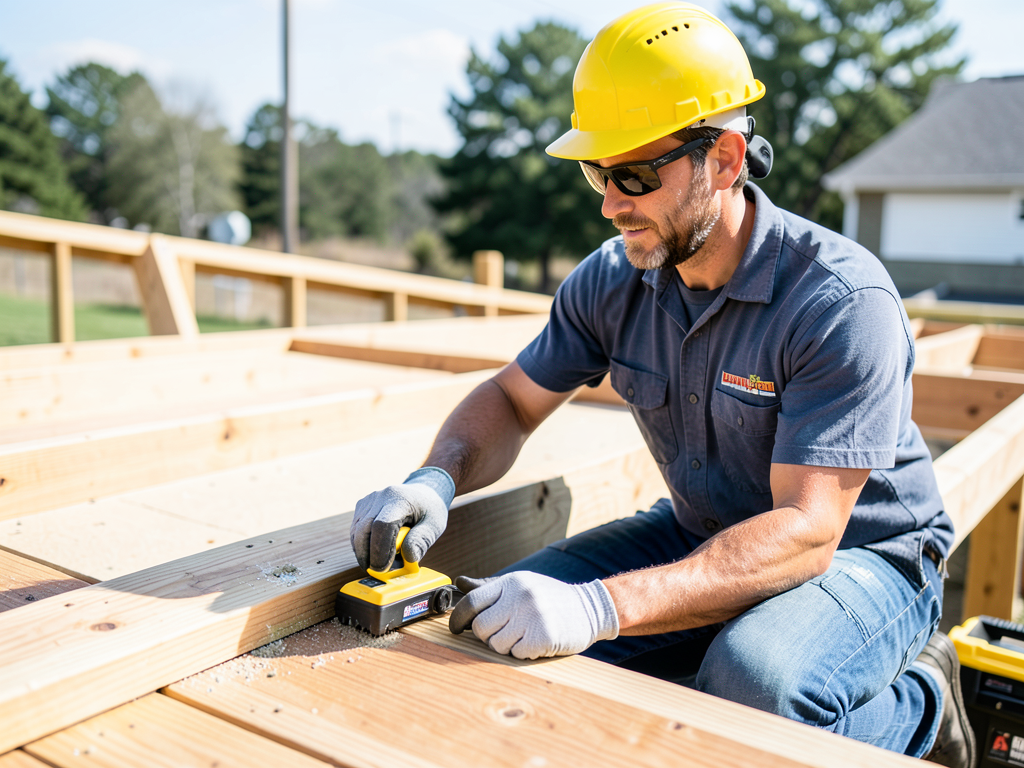
– Photo of a Charlotte roofing crew installing ice and water shield on a winter morning, showing proper safety equipment and techniques
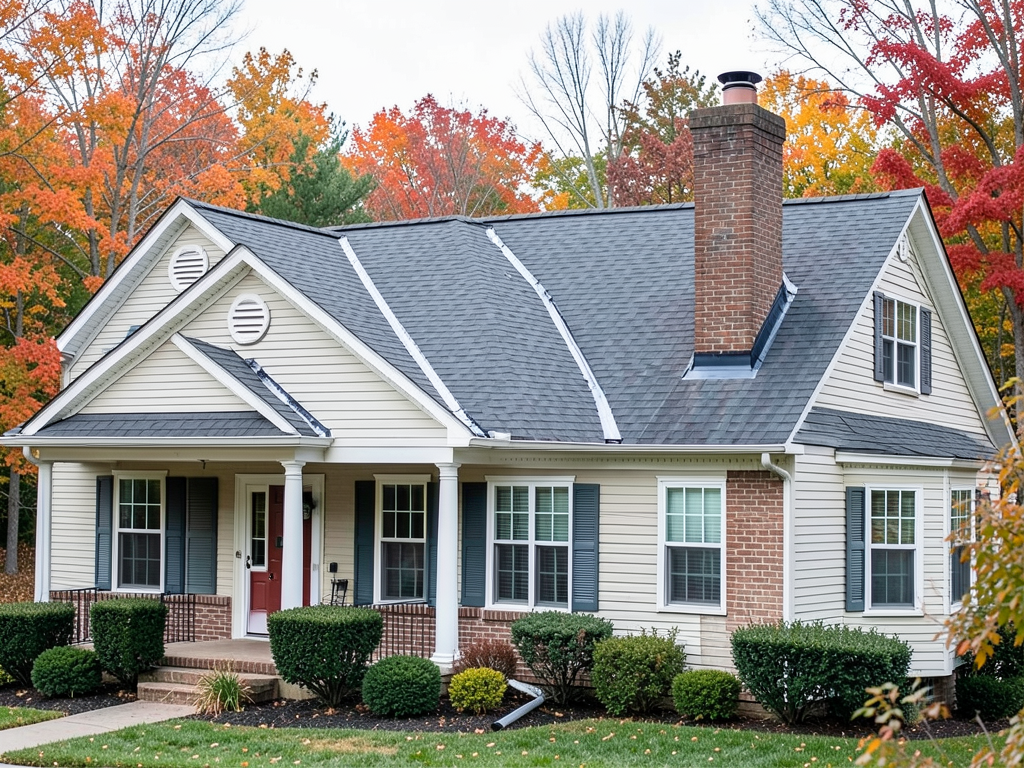
– Before and after comparison of a Charlotte home showing algae growth on old roof versus clean installation with algae-resistant shingles
Choosing the right time for your roof replacement can save you money and prevent future problems. Don’t wait until emergency damage forces your hand. Call (980) 352-5899 today to schedule your free inspection and get expert advice on the best timing for your specific situation. Our Charlotte-based team understands the local climate challenges and can help you plan the perfect replacement window.
Pick up the phone and call (980) 352-5899 before the next storm hits. We’ll help you protect your home with the right materials, installed at the right time, by Charlotte’s most trusted roofing professionals.
{
“@context”: “https://schema.org”,
“@type”: “BlogPosting”,
“headline”: “The Best Time of Year to Schedule Your Roof Replacement in North Carolina”,
“description”: “Discover the ideal seasons for roof replacement in Charlotte, NC. Learn how humidity, pollen, and weather patterns affect shingle installation and when to get the best value.”,
“wordCount”: 1874,
“datePublished”: “2026-06-03T08:54:00.000Z”,
“dateModified”: “2026-06-03T08:54:00.000Z”,
“inLanguage”: “en-US”,
“mainEntityOfPage”: {
“@type”: “WebPage”,
“@id”: “https://fivestarroofingcharlotte.com”
},
“publisher”: {
“@type”: “LocalBusiness”,
“name”: “Five Star Roofing Charlotte”,
“url”: “https://fivestarroofingcharlotte.com”
},
“author”: {
“@type”: “Organization”,
“name”: “Five Star Roofing Charlotte”,
“url”: “https://fivestarroofingcharlotte.com”
},
“image”: {
“@type”: “ImageObject”,
“url”: “https://fivestarroofingcharlotte.com/wp-content/uploads/2026/03/the-best-time-of-year-to-schedule-your-roof-replac-1.png”
}
}
{
“@context”: “https://schema.org”,
“@type”: “RoofingContractor”,
“name”: “Five Star Roofing Charlotte”,
“url”: “https://fivestarroofingcharlotte.com”,
“address”: {
“@type”: “PostalAddress”,
“addressLocality”: “Charlotte”
},
“areaServed”: {
“@type”: “City”,
“name”: “Charlotte”
}
}
{
“@context”: “https://schema.org”,
“@type”: “FAQPage”,
“mainEntity”: [
{
“@type”: “Question”,
“name”: “What is the absolute best month for roof replacement in Charlotte?”,
“acceptedAnswer”: {
“@type”: “Answer”,
“text”: “October typically offers the ideal combination of moderate temperatures (55-75°F), low humidity (50-60%), and minimal rainfall. These conditions allow proper seal formation without the extreme heat of summer or the rain risks of spring.”
}
},
{
“@type”: “Question”,
“name”: “Can a roof be replaced during Charlotte’s summer heat?”,
“acceptedAnswer”: {
“@type”: “Answer”,
“text”: “Yes, but with precautions. Installers must work during cooler morning hours, use heat-resistant underlayment, and extend seal-down monitoring periods. Summer installations often require 72+ hours for proper seal formation instead of the standard 24-48 hours.”
}
},
{
“@type”: “Question”,
“name”: “How does Charlotte’s pollen season affect roofing schedules?”,
“acceptedAnswer”: {
“@type”: “Answer”,
“text”: “During peak pollen weeks (typically March 15-April 15), seal times extend by 24-48 hours as pollen particles interfere with adhesive activation. Many professional roofers in Charlotte avoid scheduling major projects during this period unless absolutely necessary.”
}
},
{
“@type”: “Question”,
“name”: “What permits are required for roof replacement in Charlotte?”,
“acceptedAnswer”: {
“@type”: “Answer”,
“text”: “Mecklenburg County requires building permits for all roof replacements. The process typically takes 3-5 business days during normal volume periods, but can extend to 10-14 days during peak fall season when permit offices experience backlogs.”
}
},
{
“@type”: “Question”,
“name”: “How long does a typical roof replacement take in Charlotte?”,
“acceptedAnswer”: {
“@type”: “Answer”,
“text”: “Most single-family homes in Charlotte require 1-2 days for complete replacement. Factors affecting timing include roof size, complexity (dormers, valleys), weather conditions, and crew size. Emergency replacements may be completed in one long day if conditions permit.”
}
}
]
}
{
“@context”: “https://schema.org”,
“@type”: “HowTo”,
“name”: “Preparing for Roof Replacement”,
“step”: [
{
“@type”: “HowToStep”,
“position”: 1,
“name”: “Clear the Work Zone”,
“text”: “Remove patio furniture, grills, and decorations from areas where debris might fall. Professional roofers need 15-20 feet of clearance around your home.”
},
{
“@type”: “HowToStep”,
“position”: 2,
“name”: “Protect Interior Items”,
“text”: “Roof removal creates vibrations that travel through walls. Remove pictures from exterior walls and cover items on shelves in rooms directly below the roof.”
},
{
“@type”: “HowToStep”,
“position”: 3,
“name”: “Notify Neighbors”,
“text”: “Roof work typically runs 7 AM to 6 PM. Alert neighbors about the project timeline, especially if homes sit close together.”
}
],
“image”: “https://fivestarroofingcharlotte.com/wp-content/uploads/2026/03/the-best-time-of-year-to-schedule-your-roof-replac-1.png”
}
{
“@context”: “https://schema.org”,
“@type”: “BreadcrumbList”,
“itemListElement”: [
{
“@type”: “ListItem”,
“position”: 1,
“name”: “Home”,
“item”: “https://fivestarroofingcharlotte.com”
},
{
“@type”: “ListItem”,
“position”: 2,
“name”: “Blog”,
“item”: “https://fivestarroofingcharlotte.com/blog”
},
{
“@type”: “ListItem”,
“position”: 3,
“name”: “The Best Time of Year to Schedule Your Roof Replacement in North Carolina”
}
]
}
{
“@context”: “https://schema.org”,
“@type”: “Service”,
“serviceType”: “Roofing”,
“provider”: {
“@type”: “LocalBusiness”,
“name”: “Five Star Roofing Charlotte”,
“url”: “https://fivestarroofingcharlotte.com”
},
“areaServed”: {
“@type”: “City”,
“name”: “Charlotte”
},
“description”: “Discover the ideal seasons for roof replacement in Charlotte, NC. Learn how humidity, pollen, and weather patterns affect shingle installation and when to get the best value.”
}