The Connection Between a Healthy Roof and the Indoor Air Quality of Your Charlotte Home
Your roof does more than keep rain out—it directly impacts the air you breathe inside your Charlotte home. The humid Piedmont climate creates perfect conditions for mold growth on roofs, and those spores don’t stay outside. Through attic bypasses and HVAC systems, roof mold travels into your living space, triggering allergies and respiratory issues. Understanding this connection helps you protect both your roof investment and your family’s health. Getting Your Charlotte Roof Repaired After a Hail Storm — A Local Guide to Insurance Claims.
How Roof Mold Travels Into Your Living Space
Mold spores from your roof enter your home through what building scientists call the “stack effect.” Warm air rises through your attic, creating negative pressure that pulls air from outside through gaps around light fixtures, plumbing penetrations, and attic access doors. In Charlotte’s 70%+ summer humidity, this means moist air carrying mold spores continuously cycles through your home.
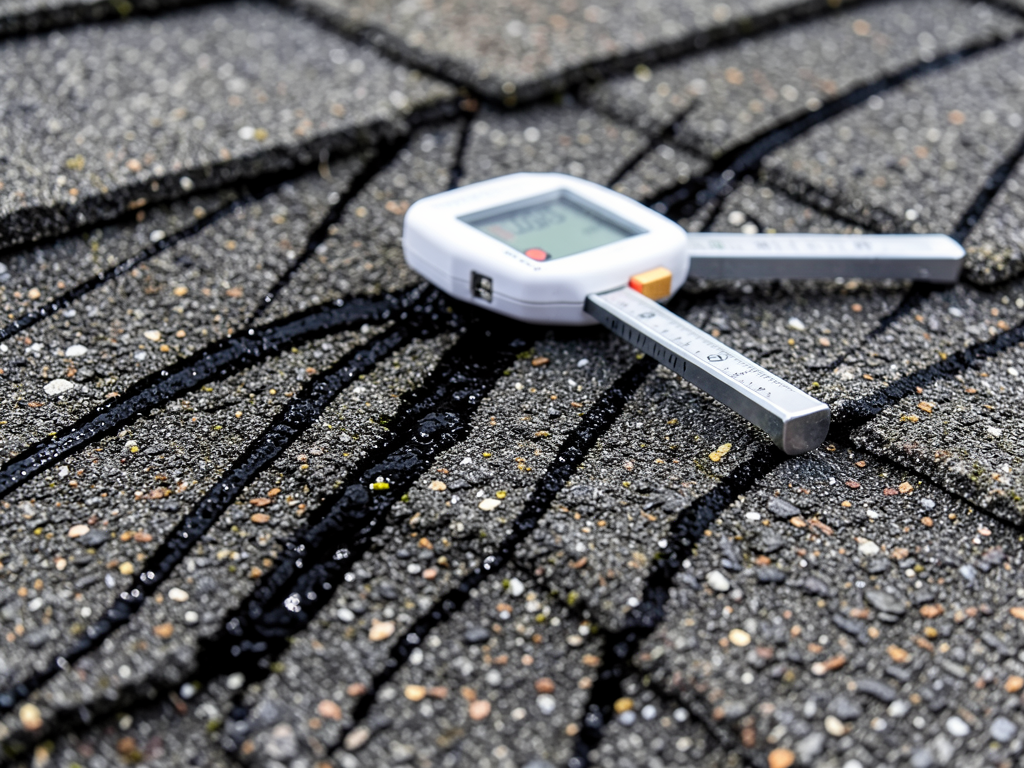
Common roof mold types in Charlotte include Gloeocapsa Magma, which creates those black streaks on asphalt shingles, and Aspergillus, which can trigger severe allergic reactions. The North Carolina Department of Health and Human Services reports that indoor mold exposure causes symptoms ranging from coughing and wheezing to more serious respiratory distress in sensitive individuals.
Identifying Roof Mold vs. Structural Damage
Not all dark spots on your roof indicate mold. Here’s how to tell the difference:
| Mold Type | Appearance | Health Risk | Treatment Needed |
|---|---|---|---|
| Gloeocapsa Magma | Black streaks, especially on north-facing slopes | Low to moderate | Professional cleaning |
| Algae | Green or brown discoloration | Minimal | Cleaning or prevention |
| Structural Rot | Soft, discolored wood | High (if mold present) | Deck replacement |
Charlotte’s clay soil expands and contracts with moisture changes, causing foundation shifts that create stress points on roof structures. These stress points become entry points for water, accelerating mold growth. Homes in areas like Myers Park with older construction often have more attic bypasses due to settling over decades.
The Role of Attic Ventilation in Air Quality
Proper attic ventilation prevents moisture buildup that feeds mold growth. The International Residential Code (IRC) Section R806 requires minimum ventilation ratios of 1 square foot of net free area per 150 square feet of attic space. In Charlotte’s climate, inadequate ventilation creates condensation on the underside of roof decking during temperature swings.
Common ventilation problems we see in Charlotte homes:
- Blocked soffit vents from insulation installation
- Missing or undersized ridge vents
- Improperly installed bathroom exhaust fans venting into the attic
- Damaged or missing flashing around chimneys and vents
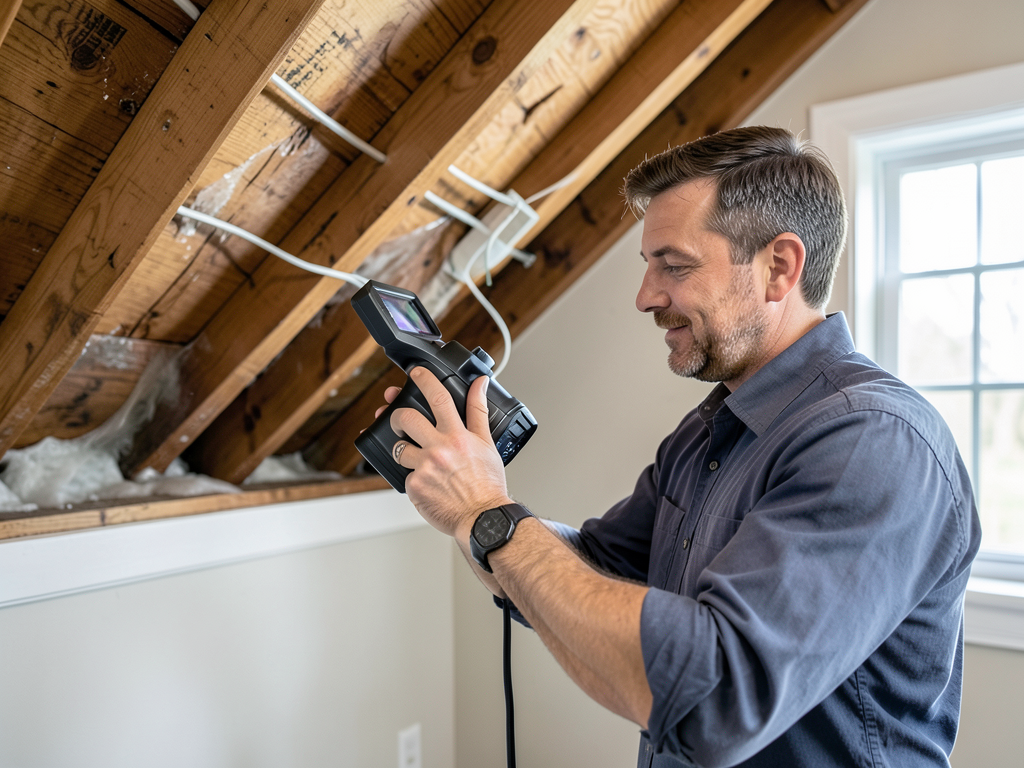
During a roof inspection, technicians use moisture meters to detect hidden dampness in decking. A reading above 20% moisture content indicates active water intrusion that requires immediate attention. The “screwdriver test” involves pressing a screwdriver into suspect wood—if it penetrates easily, the wood is compromised.
Health Symptoms Linked to Poor Roof-Related IAQ
Many Charlotte homeowners mistake roof-related air quality issues for seasonal allergies. Common symptoms include:
- Chronic sinus congestion that improves when away from home
- Worsening asthma symptoms, especially at night
- Unexplained fatigue and headaches
- Musty odors that persist despite cleaning
The EPA’s guidelines on indoor air quality emphasize that mold exposure affects people differently. Children, elderly individuals, and those with compromised immune systems face higher risks. If you notice these symptoms correlating with humidity spikes or after heavy rains, your roof may be the source. EPA mold guidelines.
According to the North Carolina Department of Environmental Quality, Mecklenburg County’s average humidity levels of 70-75% during summer months create conditions where roof mold can colonize within 24-48 hours of water exposure. This rapid growth cycle means problems escalate quickly without intervention. North Carolina Department of Health and Human Services.
Professional Solutions for Roof-Related Air Quality Issues
Addressing roof-related air quality problems requires a systematic approach. Here are the steps we follow:
- Comprehensive Inspection
We examine the entire roof system, including decking, underlayment, flashing, and attic ventilation. Using thermal imaging, we identify moisture intrusion points invisible to the naked eye.
- Mold Assessment
Lab testing determines mold species and spore counts. This information guides treatment protocols and helps assess health risks.
- Ventilation Correction
We ensure compliance with IRC requirements and optimize airflow patterns to prevent future moisture buildup.
- Targeted Cleaning or Replacement
Depending on severity, we either clean affected areas with EPA-registered biocides or replace compromised materials.
- Prevention Systems
We install zinc or copper strips that release metal ions to inhibit future algae and mold growth.
Insurance coverage varies significantly. While sudden damage from storms is typically covered, gradual mold growth due to maintenance issues often falls under homeowner responsibility. The North Carolina Office of the Commissioner of Insurance reports that roof-related claims have increased 15% over the past five years due to extreme weather patterns.
Local Building Considerations for Charlotte Homes
Charlotte’s building codes have specific requirements for roof ventilation and moisture control. The Mecklenburg County building permit office mandates that all new roof installations include proper intake and exhaust ventilation systems. Homes built before 2012 may not meet current standards, creating higher risks for air quality issues.
Architectural styles common in Charlotte neighborhoods affect vulnerability:
- Cape Cod and Colonial homes with complex roof lines have more valleys where water collects
- Ranch-style homes built in the 1960s-70s often have inadequate original ventilation
- Modern open-concept homes require careful planning to prevent stack effect issues
The Piedmont region’s red clay soil contributes to foundation movement that stresses roof structures. Homes in areas like Davidson and Huntersville experience different challenges than those in central Charlotte due to varying soil compositions and drainage patterns.
Prevention Strategies for Long-Term Air Quality Protection
Preventing roof-related air quality issues is more cost-effective than remediation. Key strategies include:
- Annual professional inspections to catch problems early
- Keeping gutters clean to prevent water backup under shingles
- Trimming tree branches that shade the roof and trap moisture
- Installing proper attic insulation without blocking soffit vents
Energy efficiency upgrades can also improve air quality. Proper attic insulation (R-38 to R-60 in Charlotte’s climate zone) prevents condensation while reducing HVAC strain. The U.S. Department of Energy reports that well-ventilated, properly insulated attics can reduce cooling costs by 15-20% while improving air quality.
Frequently Asked Questions
Can I power wash roof mold myself?
Power washing damages asphalt shingles and voids warranties. High-pressure water forces moisture under shingles, creating conditions for more mold growth. Professional soft washing uses low pressure and specialized solutions that kill mold without damaging roofing materials. The Best Shingles to Withstand the Charlotte Summer Heat and Humidity.
How often should I have my roof inspected for air quality issues?
Annual inspections are recommended, with additional checks after severe weather events. Charlotte’s climate requires more frequent monitoring than drier regions. Early detection prevents small problems from becoming major air quality hazards.
Does homeowners insurance cover mold remediation?
Coverage depends on the cause. Sudden, accidental water damage is typically covered, but gradual mold growth due to maintenance issues is usually excluded. Review your policy and consider adding mold coverage if available.
How long does professional roof mold treatment take?
Most residential treatments take 1-2 days. The process includes inspection, cleaning, and preventive treatment. Complex cases requiring structural repairs may take longer. We provide detailed timelines after assessment. Roof Cleaning & Maintenance.
What’s the connection between roof age and air quality?
Older roofs (15+ years) have higher failure rates due to material degradation. Cracked shingles, failed flashing, and deteriorated underlayment create more entry points for moisture. Regular maintenance extends roof life while protecting indoor air quality.
Call (980) 352-5899 today to schedule your professional roof and attic inspection. Don’t wait until mold affects your family’s health. Our experienced technicians serve Charlotte, Matthews, Monroe, and surrounding areas with thorough inspections that identify both visible and hidden air quality threats.
Pick up the phone and call (980) 352-5899 before the next storm hits. Early intervention prevents costly repairs and protects your family’s respiratory health. We’ll provide a comprehensive assessment and explain exactly what your roof needs to keep your indoor air clean and healthy.
Remember, your roof is your home’s first line of defense against moisture intrusion. A healthy roof means healthier air for your family to breathe. Contact us now to schedule your inspection and take the first step toward better indoor air quality.
You may also find this helpful. Keeping the Noise Out (The Best Roofing Materials for Homes Near Charlotte Douglas Airport).
{
“@context”: “https://schema.org”,
“@type”: “BlogPosting”,
“headline”: “The Connection Between a Healthy Roof and the Indoor Air Quality of Your Charlotte Home”,
“description”: “Learn how your Charlotte roof affects indoor air quality. Discover the link between roof mold, attic ventilation, and your family’s health. Call (980) 352-5899 for inspection.”,
“wordCount”: 1380,
“datePublished”: “2026-05-30T14:27:00.000Z”,
“dateModified”: “2026-05-30T14:27:00.000Z”,
“inLanguage”: “en-US”,
“mainEntityOfPage”: {
“@type”: “WebPage”,
“@id”: “https://fivestarroofingcharlotte.com”
},
“publisher”: {
“@type”: “LocalBusiness”,
“name”: “Five Star Roofing Charlotte”,
“url”: “https://fivestarroofingcharlotte.com”
},
“author”: {
“@type”: “Organization”,
“name”: “Five Star Roofing Charlotte”,
“url”: “https://fivestarroofingcharlotte.com”
},
“image”: {
“@type”: “ImageObject”,
“url”: “https://fivestarroofingcharlotte.com/wp-content/uploads/2026/03/the-connection-between-a-healthy-roof-and-the-indo-1.png”
}
}
{
“@context”: “https://schema.org”,
“@type”: “RoofingContractor”,
“name”: “Five Star Roofing Charlotte”,
“url”: “https://fivestarroofingcharlotte.com”,
“address”: {
“@type”: “PostalAddress”,
“addressLocality”: “Charlotte”
},
“areaServed”: {
“@type”: “City”,
“name”: “Charlotte”
}
}
{
“@context”: “https://schema.org”,
“@type”: “FAQPage”,
“mainEntity”: [
{
“@type”: “Question”,
“name”: “Can I power wash roof mold myself?”,
“acceptedAnswer”: {
“@type”: “Answer”,
“text”: “Power washing damages asphalt shingles and voids warranties. High-pressure water forces moisture under shingles, creating conditions for more mold growth. Professional soft washing uses low pressure and specialized solutions that kill mold without damaging roofing materials. The Best Shingles to Withstand the Charlotte Summer Heat and Humidity.”
}
},
{
“@type”: “Question”,
“name”: “How often should I have my roof inspected for air quality issues?”,
“acceptedAnswer”: {
“@type”: “Answer”,
“text”: “Annual inspections are recommended, with additional checks after severe weather events. Charlotte’s climate requires more frequent monitoring than drier regions. Early detection prevents small problems from becoming major air quality hazards.”
}
},
{
“@type”: “Question”,
“name”: “Does homeowners insurance cover mold remediation?”,
“acceptedAnswer”: {
“@type”: “Answer”,
“text”: “Coverage depends on the cause. Sudden, accidental water damage is typically covered, but gradual mold growth due to maintenance issues is usually excluded. Review your policy and consider adding mold coverage if available.”
}
},
{
“@type”: “Question”,
“name”: “How long does professional roof mold treatment take?”,
“acceptedAnswer”: {
“@type”: “Answer”,
“text”: “Most residential treatments take 1-2 days. The process includes inspection, cleaning, and preventive treatment. Complex cases requiring structural repairs may take longer. We provide detailed timelines after assessment. Roof Cleaning & Maintenance.”
}
},
{
“@type”: “Question”,
“name”: “What’s the connection between roof age and air quality?”,
“acceptedAnswer”: {
“@type”: “Answer”,
“text”: “Older roofs (15+ years) have higher failure rates due to material degradation. Cracked shingles, failed flashing, and deteriorated underlayment create more entry points for moisture. Regular maintenance extends roof life while protecting indoor air quality.”
}
}
]
}
{
“@context”: “https://schema.org”,
“@type”: “HowTo”,
“name”: “Roof Air Quality Solutions”,
“step”: [
{
“@type”: “HowToStep”,
“position”: 1,
“name”: “Comprehensive Inspection”,
“text”: “We examine the entire roof system, including decking, underlayment, flashing, and attic ventilation. Using thermal imaging, we identify moisture intrusion points invisible to the naked eye.”
},
{
“@type”: “HowToStep”,
“position”: 2,
“name”: “Mold Assessment”,
“text”: “Lab testing determines mold species and spore counts. This information guides treatment protocols and helps assess health risks.”
},
{
“@type”: “HowToStep”,
“position”: 3,
“name”: “Ventilation Correction”,
“text”: “We ensure compliance with IRC requirements and optimize airflow patterns to prevent future moisture buildup.”
},
{
“@type”: “HowToStep”,
“position”: 4,
“name”: “Targeted Cleaning or Replacement”,
“text”: “Depending on severity, we either clean affected areas with EPA-registered biocides or replace compromised materials.”
},
{
“@type”: “HowToStep”,
“position”: 5,
“name”: “Prevention Systems”,
“text”: “We install zinc or copper strips that release metal ions to inhibit future algae and mold growth.”
}
],
“image”: “https://fivestarroofingcharlotte.com/wp-content/uploads/2026/03/the-connection-between-a-healthy-roof-and-the-indo-1.png”
}
{
“@context”: “https://schema.org”,
“@type”: “BreadcrumbList”,
“itemListElement”: [
{
“@type”: “ListItem”,
“position”: 1,
“name”: “Home”,
“item”: “https://fivestarroofingcharlotte.com”
},
{
“@type”: “ListItem”,
“position”: 2,
“name”: “Blog”,
“item”: “https://fivestarroofingcharlotte.com/blog”
},
{
“@type”: “ListItem”,
“position”: 3,
“name”: “The Connection Between a Healthy Roof and the Indoor Air Quality of Your Charlotte Home”
}
]
}
{
“@context”: “https://schema.org”,
“@type”: “Service”,
“serviceType”: “Roofing”,
“provider”: {
“@type”: “LocalBusiness”,
“name”: “Five Star Roofing Charlotte”,
“url”: “https://fivestarroofingcharlotte.com”
},
“areaServed”: {
“@type”: “City”,
“name”: “Charlotte”
},
“description”: “Learn how your Charlotte roof affects indoor air quality. Discover the link between roof mold, attic ventilation, and your family’s health. Call (980) 352-5899 for inspection.”
}