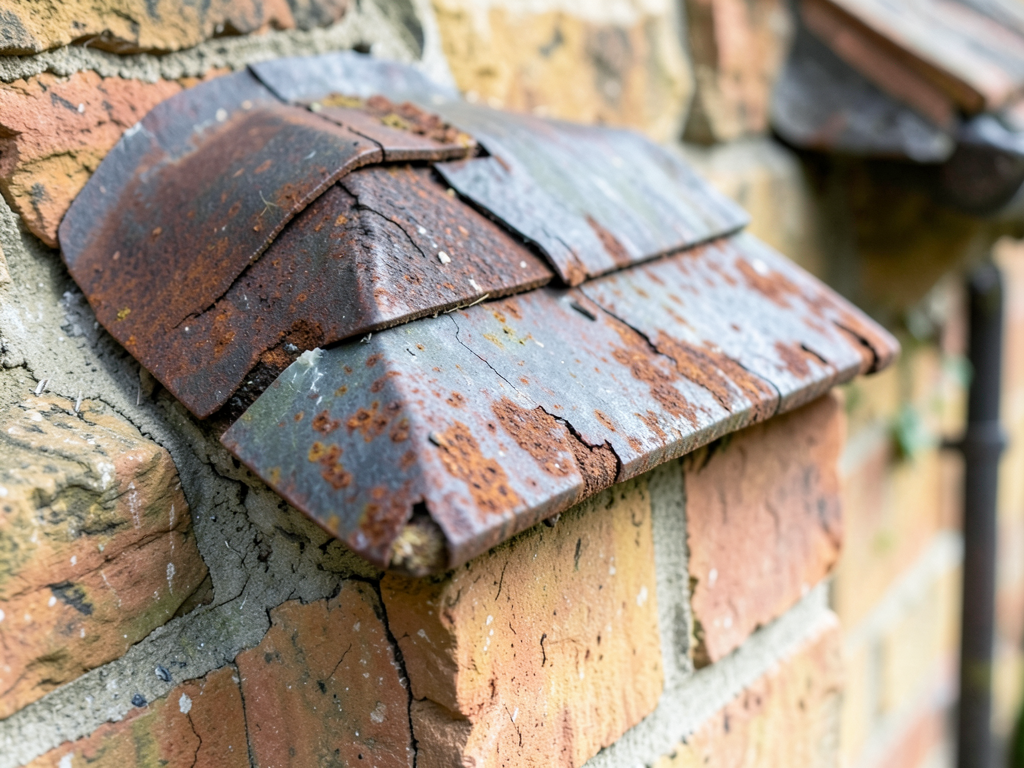
Chimney flashing failures in Cotswold homes create silent water damage that spreads through walls and ceilings before homeowners notice. The junction where brick chimneys meet roofing shingles forms a vulnerable seam that deteriorates faster than other roof areas. In older Cotswold neighborhoods, many homes built before 2000 use galvanized steel flashing that corrodes within 15-20 years. Once that flashing fails, rainwater seeps behind shingles and into attic spaces, causing rot, mold, and structural weakening. chimney flashing repair techniques.
Cotswold’s mature tree canopy and frequent summer thunderstorms accelerate flashing deterioration. Falling debris and wind-driven rain stress these connections daily. The clay-rich Piedmont soil also causes subtle foundation shifts that crack mortar joints around chimneys, creating additional entry points for moisture. Homeowners often mistake ceiling stains for roof problems when the real culprit lies at the chimney base. moisture control in homes.
Common Signs Your Cotswold Home Needs Chimney Flashing Repair
Water damage around chimneys shows specific patterns that differ from general roof leaks. Ceiling stains directly below the chimney chase indicate flashing failure rather than shingle problems. Damp spots on interior walls near the fireplace suggest water traveling down the chimney structure itself. Outside, look for rusted metal flashing, missing mortar between bricks, or separated caulking at the roof-chimney junction.
During heavy rains, water may drip inside the firebox or run down interior chimney walls. This happens when flashing gaps allow direct water entry. Attic inspections reveal wet insulation or wood rot near chimney chases. In some cases, homeowners hear water dripping sounds in walls during storms – a clear sign of flashing failure. Expert Roof Inspections for Waterfront Homes in Cornelius and Davidson.
Seasonal temperature changes worsen these problems. Charlotte’s freeze-thaw cycles cause metal flashing to expand and contract, breaking sealant bonds. Summer humidity promotes algae growth on mortar, which holds moisture against flashing surfaces. These combined factors mean Cotswold chimneys need inspection every 3-5 years, not just when leaks appear. Getting Your Charlotte Roof Repaired After a Hail Storm — A Local Guide to Insurance Claims.
Our Step-by-Step Chimney Flashing Repair Process
Professional flashing repair requires systematic removal and replacement of all compromised materials. The process begins with careful shingle removal around the chimney base to access old flashing. Technicians inspect underlying wood decking for rot or water damage – a critical step many DIY attempts miss. Damaged decking gets replaced before new flashing installation begins.
Base flashing installation creates the primary water barrier. This L-shaped metal extends under shingles and up the chimney sides. Step flashing then interlocks with shingles in an overlapping pattern that channels water downward. Counter flashing gets embedded into chimney mortar joints, creating a mechanical bond that sealant alone cannot achieve. The Best Shingles to Withstand the Charlotte Summer Heat and Humidity.
High-temperature polyurethane sealant applied at all joints provides the final waterproof barrier. This specialized caulk remains flexible through temperature extremes, unlike standard silicone products. The entire system gets tested with water before final shingle replacement. Quality repairs include installing a cricket – a small diversion ridge that prevents water pooling behind chimneys on steep roofs. Specialized Slate and Tile Roofing Services for Historic Homes in Myers Park.
Call (980) 352-5899 today to schedule your chimney flashing inspection before the next storm hits.
Why Charlotte Weather Demands High-Quality Flashing Materials
Charlotte’s climate creates unique challenges for chimney flashing longevity. Summer humidity levels often exceed 85%, promoting corrosion on standard galvanized steel flashing. Afternoon thunderstorms deliver intense rainfall in short bursts, testing flashing seals under maximum stress. Winter brings occasional ice storms that freeze water in flashing gaps, expanding cracks.
Material selection becomes critical in this environment. Copper flashing, though more expensive initially, lasts 50+ years in Charlotte conditions. Its natural patina resists corrosion while maintaining flexibility. Aluminum offers a mid-range option with 25-30 year lifespans when properly coated. Galvanized steel remains common but requires replacement every 15-20 years in our climate.
Flashing thickness also matters. Heavier gauge metal resists wind uplift during summer storms. Charlotte Building Code Section 1507.2.6 requires minimum 0.019-inch thick flashing for chimneys over 30 inches wide. This regulation exists because thin flashing fails during high-wind events, creating emergency situations for homeowners. Why More Huntersville Homeowners Are Switching to Standing Seam Metal Roofs.
Types of Chimney Flashing We Specialize In
Different chimney configurations require specific flashing approaches. Step flashing works best for chimneys on sloped roofs where shingles need to overlap the metal. This method creates multiple water barriers as each shingle layer covers the flashing below it. Counter flashing provides the critical secondary barrier by embedding into mortar joints above the step flashing.
Continuous apron flashing suits chimneys on low-slope roofs or where step flashing isn’t practical. This single-piece metal apron extends from the roof surface up the chimney face. While simpler to install, it requires perfect sealing to prevent water infiltration. Apron flashing works well on modern homes but may not suit historic Cotswold architecture.
Chimney crickets prevent water pooling behind large chimneys. These small peaked structures divert water around both sides of the chimney rather than letting it collect. Building Code Section R903.2 requires crickets for chimneys over 30 inches wide where the roof slope exceeds 3:12. Many older Cotswold homes lack these critical components, leading to chronic leaks.
Chimney Flashing Repair Costs in the Charlotte Area
Flashing repair costs vary based on chimney size, material selection, and roof complexity. Minor repairs involving sealant replacement and small flashing patches typically cost $300-$600. Complete flashing replacement for average-sized chimneys runs $1,200-$2,500. Premium copper flashing installations can exceed $4,000 but provide lifetime durability.
Factors affecting cost include chimney height, roof pitch, and accessibility. Steep roofs require additional safety equipment and labor time. Multi-story homes need scaffolding or lift equipment. Chimney crickets add $400-$800 to base flashing costs but prevent future water damage. Wood rot discovery during repairs can double project costs due to necessary decking replacement.
Insurance coverage varies by policy and damage cause. Storm damage from wind or hail often qualifies for coverage. Gradual deterioration from age typically doesn’t. Homeowners should document visible damage before filing claims. Professional inspections provide the evidence needed for insurance approval.
Frequently Asked Questions
How long does chimney flashing repair take?
Most flashing repairs complete in one day. Complex replacements involving wood rot or cricket installation may require two days. Weather conditions can extend timelines, as work requires dry conditions for proper sealant curing.
Can I use roof sealant instead of metal flashing?
Sealant alone provides temporary fixes but fails within months. Metal flashing creates permanent waterproof barriers that sealant cannot match. Proper repairs always include both components – metal for structure, sealant for finishing.
How often should chimney flashing be inspected?
Annual inspections catch problems early. Homes in tree-heavy areas like Cotswold need biannual checks due to increased debris accumulation. Post-storm inspections become critical after severe weather events.
What causes chimney flashing to fail?
Multiple factors contribute: UV exposure degrades sealants, temperature cycles crack metal, foundation settling breaks mortar joints, and poor initial installation creates weak points. Most failures result from multiple causes over time.
Is copper flashing worth the extra cost?
For Charlotte’s climate, copper flashing provides excellent long-term value. Its 50+ year lifespan means one installation versus multiple replacements of cheaper materials. The initial premium often pays for itself through avoided repair costs.
Pick up the phone and call (980) 352-5899 before the next storm hits. Don’t let hidden water damage destroy your home’s structure.
{
“@context”: “https://schema.org”,
“@type”: “BlogPosting”,
“headline”: “The Hidden Danger of Failed Chimney Flashing in Older Cotswold Homes”,
“description”: “Learn how failed chimney flashing causes hidden water damage in Cotswold homes. Expert Charlotte roofing repairs prevent costly structural issues.”,
“wordCount”: 1242,
“datePublished”: “2026-03-10T11:33:00.000Z”,
“dateModified”: “2026-03-10T11:33:00.000Z”,
“inLanguage”: “en-US”,
“mainEntityOfPage”: {
“@type”: “WebPage”,
“@id”: “https://fivestarroofingcharlotte.com”
},
“publisher”: {
“@type”: “LocalBusiness”,
“name”: “Five Star Roofing Charlotte”,
“url”: “https://fivestarroofingcharlotte.com”
},
“author”: {
“@type”: “Organization”,
“name”: “Five Star Roofing Charlotte”,
“url”: “https://fivestarroofingcharlotte.com”
},
“image”: {
“@type”: “ImageObject”,
“url”: “https://fivestarroofingcharlotte.com/wp-content/uploads/2026/03/the-hidden-danger-of-failed-chimney-flashing-in-ol-1.png”
}
}
{
“@context”: “https://schema.org”,
“@type”: “RoofingContractor”,
“name”: “Five Star Roofing Charlotte”,
“url”: “https://fivestarroofingcharlotte.com”,
“address”: {
“@type”: “PostalAddress”,
“addressLocality”: “Charlotte”
},
“areaServed”: {
“@type”: “City”,
“name”: “Charlotte”
}
}
{
“@context”: “https://schema.org”,
“@type”: “FAQPage”,
“mainEntity”: [
{
“@type”: “Question”,
“name”: “How long does chimney flashing repair take?”,
“acceptedAnswer”: {
“@type”: “Answer”,
“text”: “Most flashing repairs complete in one day. Complex replacements involving wood rot or cricket installation may require two days. Weather conditions can extend timelines, as work requires dry conditions for proper sealant curing.”
}
},
{
“@type”: “Question”,
“name”: “Can I use roof sealant instead of metal flashing?”,
“acceptedAnswer”: {
“@type”: “Answer”,
“text”: “Sealant alone provides temporary fixes but fails within months. Metal flashing creates permanent waterproof barriers that sealant cannot match. Proper repairs always include both components – metal for structure, sealant for finishing.”
}
},
{
“@type”: “Question”,
“name”: “How often should chimney flashing be inspected?”,
“acceptedAnswer”: {
“@type”: “Answer”,
“text”: “Annual inspections catch problems early. Homes in tree-heavy areas like Cotswold need biannual checks due to increased debris accumulation. Post-storm inspections become critical after severe weather events.”
}
},
{
“@type”: “Question”,
“name”: “What causes chimney flashing to fail?”,
“acceptedAnswer”: {
“@type”: “Answer”,
“text”: “Multiple factors contribute: UV exposure degrades sealants, temperature cycles crack metal, foundation settling breaks mortar joints, and poor initial installation creates weak points. Most failures result from multiple causes over time.”
}
},
{
“@type”: “Question”,
“name”: “Is copper flashing worth the extra cost?”,
“acceptedAnswer”: {
“@type”: “Answer”,
“text”: “For Charlotte’s climate, copper flashing provides excellent long-term value. Its 50+ year lifespan means one installation versus multiple replacements of cheaper materials. The initial premium often pays for itself through avoided repair costs.”
}
}
]
}
{
“@context”: “https://schema.org”,
“@type”: “BreadcrumbList”,
“itemListElement”: [
{
“@type”: “ListItem”,
“position”: 1,
“name”: “Home”,
“item”: “https://fivestarroofingcharlotte.com”
},
{
“@type”: “ListItem”,
“position”: 2,
“name”: “Blog”,
“item”: “https://fivestarroofingcharlotte.com/blog”
},
{
“@type”: “ListItem”,
“position”: 3,
“name”: “The Hidden Danger of Failed Chimney Flashing in Older Cotswold Homes”
}
]
}
{
“@context”: “https://schema.org”,
“@type”: “Service”,
“serviceType”: “Roofing”,
“provider”: {
“@type”: “LocalBusiness”,
“name”: “Five Star Roofing Charlotte”,
“url”: “https://fivestarroofingcharlotte.com”
},
“areaServed”: {
“@type”: “City”,
“name”: “Charlotte”
},
“description”: “Learn how failed chimney flashing causes hidden water damage in Cotswold homes. Expert Charlotte roofing repairs prevent costly structural issues.”
}