
The Real Difference Between an Actual Roof Leak and Simple Window Flashing Failure
Water dripping inside your home creates instant panic. You grab a bucket and wonder: is this a roof leak or something else? In Charlotte’s humid climate with frequent summer thunderstorms, the source of water intrusion can fool even experienced homeowners. The truth is that roof leaks and window flashing failures produce different patterns of damage, require different repairs, and have different insurance implications. Understanding these differences before you call for help can save you hundreds of dollars and days of stress. Charlotte climate data from the National Weather Service.
Let me walk you through exactly how to tell the difference. As a roofing contractor who has inspected thousands of homes in the Charlotte area, I’ve seen countless cases where homeowners assumed the worst about their roof when the real culprit was failing window flashing or even siding issues. Here’s what you need to know. Why More Huntersville Homeowners Are Switching to Standing Seam Metal Roofs.
Key Diagnostic Signs That Point to a Roof Leak
Roof leaks follow specific patterns based on how water travels across your roof system. When you have an actual roof leak, water typically enters at a high point and travels along rafters or decking before dripping down. This means the visible stain inside your home may be several feet away from the actual entry point on the roof.
Look for these telltale signs of a roof leak:
- Water stains appearing in the center of ceilings rather than along edges
- Dampness or water spots in your attic during or after rain
- Missing or damaged shingles visible from the ground
- Algae growth or dark streaks on roof surfaces
- Leaks that worsen during heavy, wind-driven rain
The timing matters too. Roof leaks often become apparent only during specific weather conditions. A small hole might only leak when wind drives rain up under shingles or when ice dams form in winter. If you notice water entry only during severe storms or specific wind directions, that’s a strong indicator of a roof-related issue. The Best Shingles to Withstand the Charlotte Summer Heat and Humidity.
Charlotte’s building code requires specific underlayment standards for roof installations. According to the North Carolina Residential Code, roofs in our area need a minimum of one layer of No. 30 asphalt felt or one layer of ASTM D226 asphalt-saturated organic felt under shingles. This code requirement exists because our region experiences enough wind and rain to warrant extra protection against water infiltration. Getting Your Charlotte Roof Repaired After a Hail Storm — A Local Guide to Insurance Claims.
Window Flashing Failure: The Often-Misdiagnosed Culprit
Window flashing failures create a completely different pattern of water entry. When window flashing fails, water typically enters at the window frame and travels down the wall cavity. This produces distinct signs that many homeowners miss.
Here are the diagnostic indicators of window flashing problems:
- Water pooling on the interior window sill or window track
- Peeling paint or bubbling wallpaper around the window frame
- Condensation between double-pane glass (indicating seal failure)
- Corroded window hardware or rotting wood window frames
- Water entry that occurs even during light rain or when sprinklers hit the house
The key difference is that window-related water entry often happens regardless of storm severity. A compromised flashing seal will let water in during any moisture exposure, not just during heavy weather events.. Read more about What Happens if You Wait Too Long to Fix a Minor Roof Leak in the North Carolina Humidity.
Window flashing in Charlotte homes must comply with specific moisture management requirements. The North Carolina Building Code mandates that flashing be installed to direct water away from window assemblies and that all joints be sealed with approved sealants. When these details are skipped or done poorly, water finds its way in.
The ‘Gray Area’: When Siding or Flashing Transitions Are to Blame
Many water intrusion problems occur not at the roof or window itself, but at the transition zones where different building materials meet. These areas are particularly vulnerable in Charlotte’s climate.
Common transition failure points include:
- Dormer windows where roof meets vertical walls
- Chimney flashing intersections
- Wall-to-roof junctions on multi-story homes
- Where brick veneer meets roof lines
In older Charlotte neighborhoods like Dilworth and Elizabeth, many homes feature complex roof lines with multiple dormers and valleys. These architectural details create numerous potential failure points where water can penetrate if flashing is compromised.
The technical term for this intersection is the ‘kick-out flashing’ zone. This specialized flashing piece directs water away from where the roof edge meets a sidewall. When missing or improperly installed, water runs behind the siding and causes damage that appears far from the actual entry point. Specialized Slate and Tile Roofing Services for Historic Homes in Myers Park.
Charlotte Climate Factors That Affect Both Roof and Window Performance
Charlotte’s unique climate creates specific challenges for both roofing and window systems. Our high humidity levels, averaging 70% annually, affect how building materials perform and fail.
Humidity impacts include:
- Accelerated sealant degradation around windows
- Increased algae and moss growth on north-facing roof slopes
- Higher condensation rates in attic spaces
- Greater thermal expansion and contraction of materials
Our summer thunderstorms bring another layer of complexity. Charlotte averages 43 inches of rain annually, with much of it falling in intense bursts during summer months. These storms often include wind speeds that can drive rain horizontally, testing the limits of both roof and window assemblies.
The thermal cycling in our region is particularly harsh. Summer temperatures regularly exceed 90°F while winter nights can drop below freezing. This 50-60 degree swing causes building materials to expand and contract, stressing sealants and flashing joints. Over time, this movement creates the hairline gaps where water infiltration begins.
DIY Inspection vs. Professional Assessment: When to Call Five Star Roofing
While you can identify many signs of water intrusion yourself, some diagnostic steps require professional equipment and expertise. Here’s how to decide what you can handle versus when to call us at (980) 352-5899. Expert Roof Inspections for Waterfront Homes in Cornelius and Davidson.
Safe DIY inspection steps:
- Check your attic during rain for active leaks or wet spots on rafters
- Examine exterior caulking around windows for cracks or gaps
- Look for missing or damaged shingles from ground level with binoculars
- Check your ceiling for water stains and note their location relative to exterior walls
Warning: Never walk on your roof yourself. Professional roofing contractors have safety equipment and training to navigate potentially dangerous roof surfaces.
Call Five Star Roofing when:
- You see active water entry during rain
- Water stains appear suddenly or are spreading
- You notice sagging ceiling areas or structural damage
- Multiple windows show signs of failure
- You need documentation for insurance claims
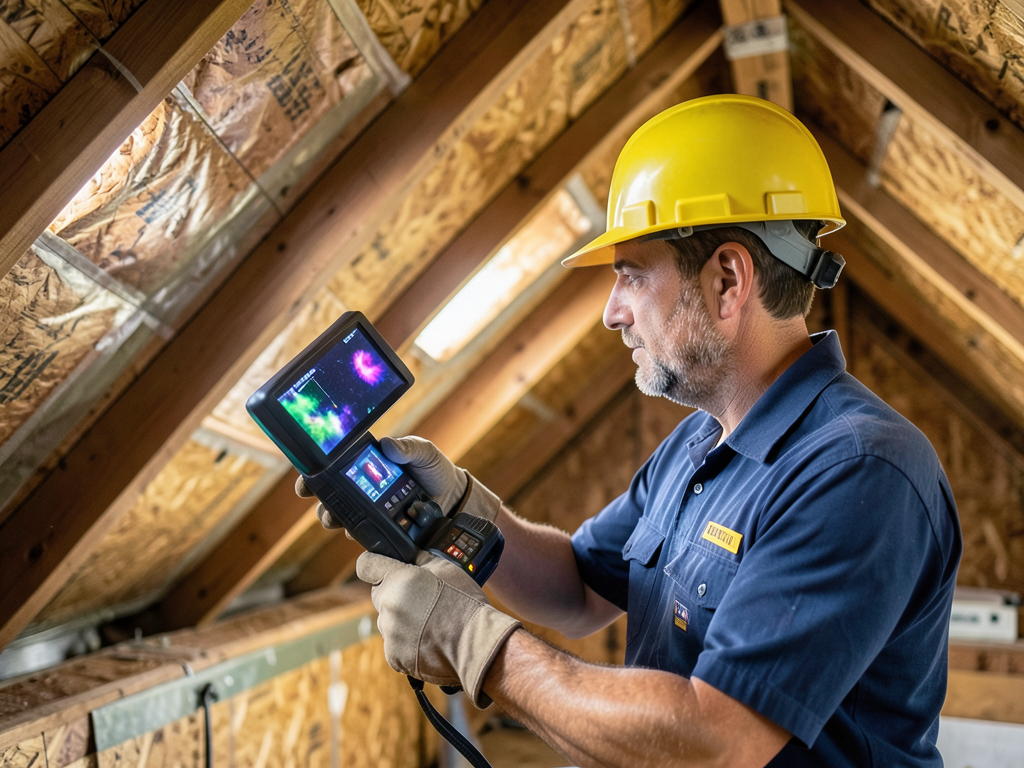
Professional assessment tools we use include infrared thermal imaging to detect moisture behind walls, moisture meters to measure water content in building materials, and drone inspections to safely examine steep or high roof sections. These tools can pinpoint the exact source of leaks that appear to be coming from multiple directions.
The Cost of Misdiagnosis: Why Getting It Right Matters
Misdiagnosing the source of water intrusion can lead to wasted money and continued damage. If you assume a roof leak and replace your roof when the problem is actually failing window flashing, you’ve spent thousands on the wrong repair.
Common misdiagnosis scenarios:
- Replacing a 5-year-old roof when window flashing was the issue
- Applying roof sealant to areas that need new window pan flashing
- Ignoring attic ventilation problems that cause condensation mistaken for leaks
- Overlooking clogged gutters that cause water to back up under roofing materials
Insurance coverage also varies significantly between roof and window failures. Most North Carolina homeowners policies cover sudden roof damage from covered perils like hail or falling trees. However, they often exclude damage from long-term window seal failure, considering it a maintenance issue rather than a sudden loss.
The National Fire Protection Association (NFPA) Standard 5000, while focused on building construction, establishes principles about moisture management that apply here: water intrusion left unaddressed can lead to mold growth within 24-48 hours in our humid climate. This makes timely, accurate diagnosis crucial for both your home’s structure and your family’s health. National Fire Protection Association Standard 5000.
Prevention Strategies for Charlotte Homeowners
Whether your issue is roof or window related, prevention is always less expensive than repair. Here are maintenance steps that protect both systems:
Seasonal maintenance checklist:
- Clean gutters twice yearly, especially after spring pollen and fall leaf drop
- Inspect and recaulk window perimeters every 3-5 years
- Trim tree branches that touch or overhang your roof
- Check attic ventilation to prevent moisture buildup
- Have professional roof inspections after severe storms
Charlotte’s building stock varies significantly by neighborhood. Homes in Ballantyne and Blakeney, built primarily in the 2000s, often have different failure patterns than the historic homes in Myers Park or Plaza Midwood. Newer homes might experience window seal failures due to settling, while older homes often have flashing deterioration from decades of weather exposure.
Material selection also matters. In our climate, we recommend algae-resistant shingles for roofs and vinyl or fiberglass windows with welded corners rather than aluminum frames, which corrode in our humid conditions. These choices can extend the service life of both systems by 5-10 years.
Making the Right Call: Your Next Steps
Water intrusion is stressful, but you don’t have to diagnose it alone. If you’re seeing signs of water damage and can’t determine the source, or if you’ve identified a problem but need professional confirmation before repairs, we’re here to help.
At Five Star Roofing, we offer free inspections that include a complete assessment of your roof, windows, and transition zones. We’ll provide photos of any issues we find and a clear explanation of recommended repairs. No pressure, no scare tactics—just honest assessment from local experts who understand Charlotte’s unique building challenges.
Don’t let water damage worsen. Call (980) 352-5899 today to schedule your inspection. Whether it’s a roof leak, window flashing failure, or something else entirely, we’ll find the source and recommend the right solution the first time.
Frequently Asked Questions
How can I tell if my water stain is from a roof leak or window?
Roof leaks typically create ceiling stains away from exterior walls and worsen during heavy rain. Window leaks often show water on sills, around frames, or create stains near window edges. Check your attic during rain to see if water is entering at the roof level.
Does homeowners insurance cover window flashing repairs?
Most policies cover sudden damage but consider gradual window seal failure a maintenance issue. Roof damage from covered perils like hail is typically covered. We can help document issues for insurance claims and explain what your policy likely covers.
How often should window flashing be inspected in Charlotte?
We recommend checking window flashing and caulking every 2-3 years in our climate. The humidity and temperature swings accelerate sealant deterioration. Professional inspection after severe storms is also wise, especially for second-story windows.
{
“@context”: “https://schema.org”,
“@type”: “BlogPosting”,
“headline”: “The Real Difference Between an Actual Roof Leak and Simple Window Flashing Failure”,
“description”: “Is that water stain from your roof or a window flashing failure? Learn the diagnostic signs, Charlotte climate factors, and when to call Five Star Roofing at (980) 352-5899.”,
“wordCount”: 1819,
“datePublished”: “2026-05-20T09:50:00.000Z”,
“dateModified”: “2026-05-20T09:50:00.000Z”,
“inLanguage”: “en-US”,
“mainEntityOfPage”: {
“@type”: “WebPage”,
“@id”: “https://fivestarroofingcharlotte.com”
},
“publisher”: {
“@type”: “LocalBusiness”,
“name”: “Five Star Roofing Charlotte”,
“url”: “https://fivestarroofingcharlotte.com”
},
“author”: {
“@type”: “Organization”,
“name”: “Five Star Roofing Charlotte”,
“url”: “https://fivestarroofingcharlotte.com”
},
“image”: {
“@type”: “ImageObject”,
“url”: “https://fivestarroofingcharlotte.com/wp-content/uploads/2026/03/the-real-difference-between-an-actual-roof-leak-an-1.png”
}
}
{
“@context”: “https://schema.org”,
“@type”: “RoofingContractor”,
“name”: “Five Star Roofing Charlotte”,
“url”: “https://fivestarroofingcharlotte.com”,
“address”: {
“@type”: “PostalAddress”,
“addressLocality”: “Charlotte”
},
“areaServed”: {
“@type”: “City”,
“name”: “Charlotte”
}
}
{
“@context”: “https://schema.org”,
“@type”: “FAQPage”,
“mainEntity”: [
{
“@type”: “Question”,
“name”: “How can I tell if my water stain is from a roof leak or window?”,
“acceptedAnswer”: {
“@type”: “Answer”,
“text”: “Roof leaks typically create ceiling stains away from exterior walls and worsen during heavy rain. Window leaks often show water on sills, around frames, or create stains near window edges. Check your attic during rain to see if water is entering at the roof level.”
}
},
{
“@type”: “Question”,
“name”: “Does homeowners insurance cover window flashing repairs?”,
“acceptedAnswer”: {
“@type”: “Answer”,
“text”: “Most policies cover sudden damage but consider gradual window seal failure a maintenance issue. Roof damage from covered perils like hail is typically covered. We can help document issues for insurance claims and explain what your policy likely covers.”
}
},
{
“@type”: “Question”,
“name”: “How often should window flashing be inspected in Charlotte?”,
“acceptedAnswer”: {
“@type”: “Answer”,
“text”: “We recommend checking window flashing and caulking every 2-3 years in our climate. The humidity and temperature swings accelerate sealant deterioration. Professional inspection after severe storms is also wise, especially for second-story windows.”
}
}
]
}
{
“@context”: “https://schema.org”,
“@type”: “BreadcrumbList”,
“itemListElement”: [
{
“@type”: “ListItem”,
“position”: 1,
“name”: “Home”,
“item”: “https://fivestarroofingcharlotte.com”
},
{
“@type”: “ListItem”,
“position”: 2,
“name”: “Blog”,
“item”: “https://fivestarroofingcharlotte.com/blog”
},
{
“@type”: “ListItem”,
“position”: 3,
“name”: “The Real Difference Between an Actual Roof Leak and Simple Window Flashing Failure”
}
]
}
{
“@context”: “https://schema.org”,
“@type”: “Service”,
“serviceType”: “Roofing”,
“provider”: {
“@type”: “LocalBusiness”,
“name”: “Five Star Roofing Charlotte”,
“url”: “https://fivestarroofingcharlotte.com”
},
“areaServed”: {
“@type”: “City”,
“name”: “Charlotte”
},
“description”: “Is that water stain from your roof or a window flashing failure? Learn the diagnostic signs, Charlotte climate factors, and when to call Five Star Roofing at (980) 352-5899.”
}