
Understanding the Total Weight of a New Roof (And if Your Older Charlotte Home Can Support It)
Older homes in Charlotte neighborhoods like Dilworth and Elizabeth were built decades before modern roofing materials became common. Many of these homes have structural systems designed for lighter asphalt shingles but may not support the weight of today’s premium materials like slate or clay tile. Before you invest in a heavier roofing system, you need to know if your home’s framing can handle the load. Specialized Slate and Tile Roofing Services for Historic Homes in Myers Park.
The weight of your roof directly impacts your home’s structural integrity. A roof that’s too heavy can cause sagging rafters, cracked ceiling joists, and even collapse in extreme cases. This guide breaks down everything you need to know about roof weight capacity, building codes in Mecklenburg County, and how to determine if your home can support your dream roofing material. Built-Up Roofing.
Standard Roof Weight Limits (Dead Load vs. Live Load)
Roof weight is measured in pounds per square foot (PSF), and building codes establish minimum requirements. The North Carolina Residential Building Code requires a minimum dead load capacity of 20 PSF for roofing systems. This includes the permanent weight of all roofing materials, underlayment, and any fixed equipment. North Carolina Residential Building Code Section R301.
Dead load refers to the permanent weight of the roof structure itself. Live load includes temporary weights like snow, workers during installation, or debris accumulation. In Charlotte’s climate, live loads are typically minimal since heavy snow is rare, but wind uplift during summer storms creates significant lateral forces that affect structural design. Getting Your Charlotte Roof Repaired After a Hail Storm — A Local Guide to Insurance Claims.
Most older Charlotte homes built before 1980 were designed with 2×6 or 2×8 rafters spaced 16 or 24 inches apart. These systems can typically handle 15-25 PSF dead loads, which is adequate for standard asphalt shingles but may be insufficient for heavier materials. The age and condition of your home’s framing also matters significantly. The Best Shingles to Withstand the Charlotte Summer Heat and Humidity.
Weight Capacity by Roofing Material
Different roofing materials have vastly different weights. Here’s a comparison of common roofing materials and their typical PSF values:
| Material | Weight Range (PSF) | Common in Charlotte |
|---|---|---|
| Asphalt Shingles (3-tab) | 2.0 – 2.5 | Yes |
| Asphalt Shingles (Architectural) | 3.5 – 4.5 | Yes |
| Metal Roofing (steel) | 1.5 – 2.5 | Yes |
| Wood Shakes | 3.0 – 4.5 | Limited |
| Slate Tile | 800 – 1,500 | No |
| Clay Tile | 900 – 1,200 | No |
| Concrete Tile | 900 – 1,200 | No |
The dramatic weight difference between asphalt shingles and tile materials is why structural assessment is critical. A typical 2,000-square-foot roof with asphalt shingles weighs about 5,000 pounds total. The same roof with clay tiles could weigh over 40,000 pounds.
Metal roofing, while appearing heavy, is actually one of the lightest options available. Steel panels typically weigh less than asphalt shingles while offering superior durability and wind resistance for Charlotte’s storm-prone climate.
North Carolina Building Code Requirements
The North Carolina Residential Building Code, based on the International Residential Code (IRC), establishes specific requirements for roof structural design. Section R301 covers design loads, while Section R802 addresses roof framing requirements for Charlotte and all of Mecklenburg County. International Residential Code Chapter 9.
For new construction or major renovations, the code requires engineered calculations that account for dead loads, live loads, and wind uplift. In Charlotte’s Piedmont region, the basic wind speed is 90-100 mph, which translates to specific uplift pressures that must be factored into the structural design.
Mecklenburg County building permits require structural drawings for any roof replacement that involves changing materials or modifying the existing structure. This means if you’re switching from asphalt to tile, you’ll need an engineer’s stamp on your plans before the permit is approved.. Read more about Roof Repair vs. Full Replacement (A Decision Guide for Homeowners in Older Gastonia Neighborhoods).
The code also specifies requirements for connections between rafters and top plates, hurricane ties in high-wind zones, and proper ventilation that affects structural performance. These requirements ensure your roof can withstand Charlotte’s summer thunderstorms and occasional tropical storm remnants.
Common Add-ons and Their Impact
Many Charlotte homeowners add features that increase roof weight beyond just the primary roofing material. Solar panels are increasingly popular but add significant weight. A typical residential solar installation adds 2-4 PSF, which may seem minimal but can push an older roof over its design limits. Why More Huntersville Homeowners Are Switching to Standing Seam Metal Roofs.
HVAC equipment mounted on the roof is another common weight concern. A residential air conditioning unit can weigh 200-500 pounds and creates concentrated point loads that may exceed the capacity of older roof structures. The weight distribution and mounting method are critical factors.
Satellite dishes, roof decks, and even heavy snow accumulation during rare winter storms all contribute to the total load. In Charlotte, we occasionally see 6-8 inches of snow that can add 5-10 PSF of live load across the entire roof surface.
Water accumulation is another factor many homeowners overlook. Ponding water on flat or low-slope sections can add 5-10 PSF of weight. This is particularly concerning for homes with modified bitumen or built-up roofing systems common in some Charlotte neighborhoods.
Signs Your Roof is Overstressed
Structural problems often develop gradually, making them easy to miss until serious damage occurs. One of the first signs of an overstressed roof is sagging in the ridge line or between rafters. This appears as a visible dip or curve where the roof should be straight.
Interior warning signs include cracks in ceiling drywall, particularly around the center of rooms or along walls. These cracks often appear as stair-step patterns in plaster or as long horizontal fissures in drywall joints. The cracks typically worsen during wet seasons when materials absorb moisture and become heavier.
Unusual noises from your attic are another diagnostic indicator. You might hear creaking, popping, or cracking sounds during windy conditions or when the attic temperature changes rapidly. These sounds indicate wood members are moving beyond their normal range and may be approaching failure.
Exterior signs include nail pops on shingles where fasteners are being pulled through the sheathing, or shingles that appear to be buckling or waving rather than lying flat. In severe cases, you might notice the eaves pulling away from the fascia or gutters sagging at connection points.
Professional Load Calculation
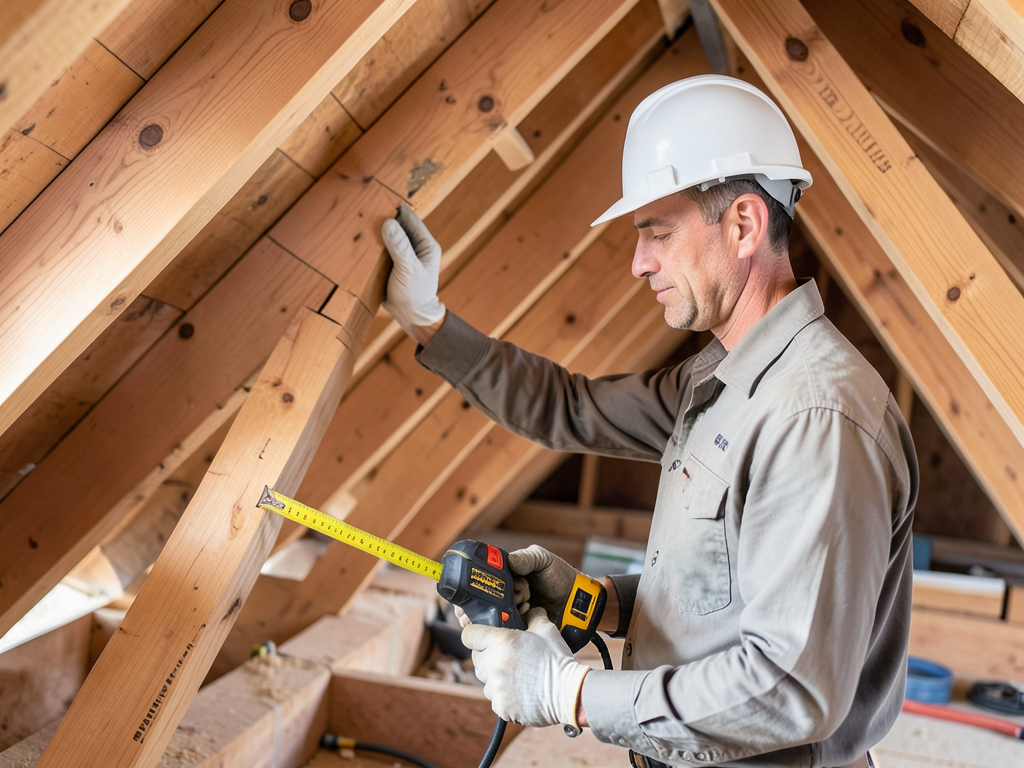
Determining whether your home can support a heavier roof requires professional assessment. A certified roofing contractor will examine your attic space, measure rafter size and spacing, check for existing damage or modifications, and assess the overall structural condition.
Structural engineers use specific formulas to calculate load capacity. They measure the actual dimensions of each rafter, determine the species and grade of lumber, and calculate the section modulus and moment of inertia for each member. This determines the maximum allowable load before failure occurs.
In Charlotte, we often find that homes built between 1940 and 1970 have adequate structure for architectural shingles but need reinforcement for tile products. The most common solution is adding collar ties or sistering existing rafters with new lumber to increase the load-bearing capacity.
The assessment process includes checking for signs of previous overloading, such as cracked ceiling joists, damaged rafter tails, or modified structural elements. We also evaluate the foundation and exterior walls to ensure they can handle any additional loads without transferring problems to other parts of the home.. Read more about How to Seamlessly Match Your New Roof to a Home Addition in Mount Holly.
Reinforcement Options for Heavier Roofs
If your home cannot support your desired roofing material, several reinforcement options exist. The most straightforward is adding additional rafters between existing ones to reduce the span and increase load capacity. This is often the most cost-effective solution for homes with 24-inch rafter spacing.
Installing collar ties or knee walls in the attic can dramatically increase structural strength. These horizontal members connect opposing rafters and prevent outward thrust that causes ridge sagging. For tile roofs, this reinforcement is often mandatory regardless of the existing structure’s condition.
In some cases, we recommend installing a structural ridge beam that eliminates the need for rafter ties altogether. This approach works well for homes with open attic spaces where you want to maintain high ceilings or create usable attic space.
The cost of reinforcement varies significantly based on your home’s specific conditions. Simple rafter sistering might cost $2,000-$4,000, while installing a new ridge beam and supporting posts could exceed $10,000. However, this investment protects your home and allows you to use premium roofing materials that may last 50+ years.
Special Considerations for Historic Charlotte Homes
Historic districts like Myers Park, Plaza-Midwood, and Wesley Heights have unique considerations for roof weight. Many of these homes feature balloon framing or other construction methods that require specialized engineering approaches. The Charlotte Historic District Commission may have specific requirements for any structural modifications.
Older homes often have hidden structural issues that complicate load calculations. Previous renovations may have removed load-bearing walls or modified roof structures without proper engineering. We frequently discover that what appears to be a simple roof replacement actually requires extensive structural repair.
The age of your home affects more than just the obvious structural elements. Decades of moisture cycling can cause wood to lose strength even when it appears sound. A 70-year-old rafter may only have 60-70% of its original load-bearing capacity, which must be factored into engineering calculations.
For historic homes, we often recommend preservation-minded solutions that maintain the home’s character while meeting modern structural requirements. This might include using hidden steel reinforcement or matching new lumber to existing dimensions and profiles.
Cost-Benefit Analysis of Heavier Roofing Materials
Premium roofing materials like slate and tile offer exceptional longevity but come with significant upfront costs. Slate roofs can last 75-100 years compared to 20-30 years for asphalt shingles. However, the total installed cost including necessary structural reinforcement often exceeds $30,000 for an average home.
The energy efficiency benefits of heavier materials should factor into your decision. Tile and slate provide excellent thermal mass that can reduce cooling costs in Charlotte’s hot summers. The natural air space under these materials also creates additional insulation value.
Insurance considerations matter too. Some carriers offer premium discounts for impact-resistant roofing materials, particularly in areas prone to hail damage. The Class 4 impact rating of many premium materials can reduce insurance costs over the roof’s lifetime.
Resale value is another factor. High-end roofing materials can increase home value and marketability, particularly in established Charlotte neighborhoods where architectural consistency matters. However, the return on investment varies significantly by neighborhood and market conditions.
Making the Right Choice for Your Home
The decision about roofing material involves balancing aesthetics, budget, structural capacity, and long-term value. For many Charlotte homeowners, architectural asphalt shingles provide the best combination of performance, cost, and compatibility with existing structures.
If you’re considering premium materials, start with a professional structural assessment. This typically costs $300-$500 but can prevent costly mistakes and ensure your investment is sound. The assessment will tell you exactly what’s possible and what modifications are needed.
Consider your timeline as well. If you plan to stay in your home for 10+ years, investing in premium materials and necessary reinforcement often makes financial sense. If you’re planning to sell within a few years, the return on investment may not justify the expense.
Finally, work with a roofing contractor who understands local building codes and structural requirements. Five Star Roofing Charlotte has extensive experience with both historic and modern homes throughout the area, ensuring your new roof is beautiful, durable, and structurally sound.
Frequently Asked Questions
How much does a typical roof weigh per square foot?
A standard asphalt shingle roof weighs 2.5-4.5 pounds per square foot, while premium materials like slate can weigh 800-1,500 pounds per square foot. Most homes built after 1980 can handle up to 20 pounds per square foot, but older homes may have lower capacity.
Can I install solar panels on my older roof?
Solar panels add 2-4 pounds per square foot, which may exceed the capacity of older roof structures. A professional assessment is required to determine if your roof can support the additional weight or if reinforcement is needed before installation.
What building codes apply to roof weight in Charlotte?
The North Carolina Residential Building Code requires minimum 20 PSF dead load capacity. Mecklenburg County enforces these codes and requires permits for roof replacements that involve material changes or structural modifications. Local wind load requirements also affect structural design.
How do I know if my roof needs reinforcement?
Signs include sagging ridges, ceiling cracks, popping noises in the attic, or visible deflection in rafters. A professional structural assessment using engineering calculations will determine if your specific roof can handle heavier materials or needs reinforcement.
Is it worth upgrading to a heavier roofing material?
Heavier materials like slate or tile offer 75-100 year lifespans and superior durability but require structural reinforcement that can double the project cost. The decision depends on your budget, how long you’ll stay in the home, and whether you want the premium appearance these materials provide.
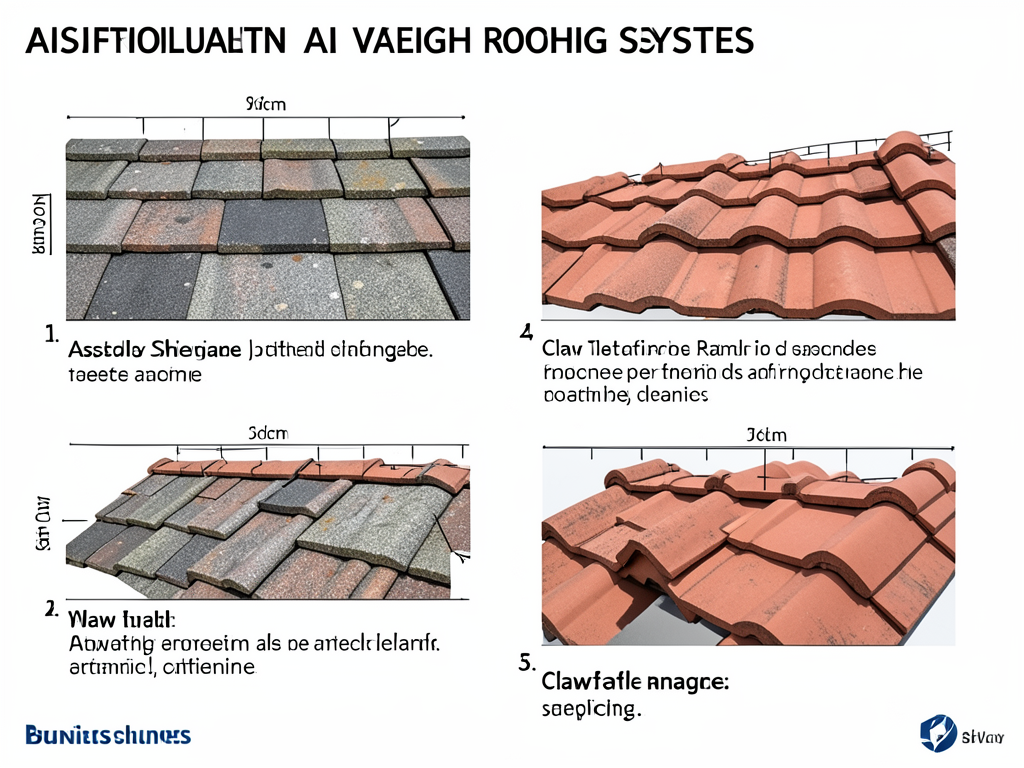
– Diagram showing how different roofing materials distribute weight across rafters and ceiling joists, with load calculations for common residential materials.
– Photo of a structural engineer using a moisture meter and measuring tape to assess rafter dimensions and condition in an attic space.
– Before and after images of rafter reinforcement showing sistering technique and collar tie installation for increased load capacity.
Understanding your roof’s weight capacity is essential before investing in new roofing materials. Older Charlotte homes often require structural assessment to ensure they can handle today’s premium options. Don’t risk costly damage or safety issues by guessing about your home’s structural capacity.
Call (980) 352-5899 today to schedule your professional roof weight assessment. Our experienced team will evaluate your home’s structure, explain your options, and ensure your new roof is both beautiful and structurally sound. Don’t wait until problems develop – get the facts now and make an informed decision about your roofing investment.
Pick up the phone and call (980) 352-5899 before the next storm hits. We’ll help you understand exactly what your roof can handle and provide honest recommendations for your specific situation. Your home deserves the right roofing solution, and we’re here to make that happen.
{
“@context”: “https://schema.org”,
“@type”: “BlogPosting”,
“headline”: “Understanding the Total Weight of a New Roof (And if Your Older Charlotte Home Can Support It)”,
“description”: “Discover how much your roof weighs and whether your Charlotte home can handle heavier materials like slate or tile. Get expert load calculations and code compliance info.”,
“wordCount”: 2369,
“datePublished”: “2026-05-27T10:15:00.000Z”,
“dateModified”: “2026-05-27T10:15:00.000Z”,
“inLanguage”: “en-US”,
“mainEntityOfPage”: {
“@type”: “WebPage”,
“@id”: “https://fivestarroofingcharlotte.com”
},
“publisher”: {
“@type”: “LocalBusiness”,
“name”: “Five Star Roofing Charlotte”,
“url”: “https://fivestarroofingcharlotte.com”
},
“author”: {
“@type”: “Organization”,
“name”: “Five Star Roofing Charlotte”,
“url”: “https://fivestarroofingcharlotte.com”
},
“image”: {
“@type”: “ImageObject”,
“url”: “https://fivestarroofingcharlotte.com/wp-content/uploads/2026/03/understanding-the-total-weight-of-a-new-roof-and-i-1.png”
}
}
{
“@context”: “https://schema.org”,
“@type”: “RoofingContractor”,
“name”: “Five Star Roofing Charlotte”,
“url”: “https://fivestarroofingcharlotte.com”,
“address”: {
“@type”: “PostalAddress”,
“addressLocality”: “Charlotte”
},
“areaServed”: {
“@type”: “City”,
“name”: “Charlotte”
}
}
{
“@context”: “https://schema.org”,
“@type”: “FAQPage”,
“mainEntity”: [
{
“@type”: “Question”,
“name”: “How much does a typical roof weigh per square foot?”,
“acceptedAnswer”: {
“@type”: “Answer”,
“text”: “A standard asphalt shingle roof weighs 2.5-4.5 pounds per square foot, while premium materials like slate can weigh 800-1,500 pounds per square foot. Most homes built after 1980 can handle up to 20 pounds per square foot, but older homes may have lower capacity.”
}
},
{
“@type”: “Question”,
“name”: “Can I install solar panels on my older roof?”,
“acceptedAnswer”: {
“@type”: “Answer”,
“text”: “Solar panels add 2-4 pounds per square foot, which may exceed the capacity of older roof structures. A professional assessment is required to determine if your roof can support the additional weight or if reinforcement is needed before installation.”
}
},
{
“@type”: “Question”,
“name”: “What building codes apply to roof weight in Charlotte?”,
“acceptedAnswer”: {
“@type”: “Answer”,
“text”: “The North Carolina Residential Building Code requires minimum 20 PSF dead load capacity. Mecklenburg County enforces these codes and requires permits for roof replacements that involve material changes or structural modifications. Local wind load requirements also affect structural design.”
}
},
{
“@type”: “Question”,
“name”: “How do I know if my roof needs reinforcement?”,
“acceptedAnswer”: {
“@type”: “Answer”,
“text”: “Signs include sagging ridges, ceiling cracks, popping noises in the attic, or visible deflection in rafters. A professional structural assessment using engineering calculations will determine if your specific roof can handle heavier materials or needs reinforcement.”
}
},
{
“@type”: “Question”,
“name”: “Is it worth upgrading to a heavier roofing material?”,
“acceptedAnswer”: {
“@type”: “Answer”,
“text”: “Heavier materials like slate or tile offer 75-100 year lifespans and superior durability but require structural reinforcement that can double the project cost. The decision depends on your budget, how long you’ll stay in the home, and whether you want the premium appearance these materials provide.”
}
}
]
}
{
“@context”: “https://schema.org”,
“@type”: “BreadcrumbList”,
“itemListElement”: [
{
“@type”: “ListItem”,
“position”: 1,
“name”: “Home”,
“item”: “https://fivestarroofingcharlotte.com”
},
{
“@type”: “ListItem”,
“position”: 2,
“name”: “Blog”,
“item”: “https://fivestarroofingcharlotte.com/blog”
},
{
“@type”: “ListItem”,
“position”: 3,
“name”: “Understanding the Total Weight of a New Roof (And if Your Older Charlotte Home Can Support It)”
}
]
}
{
“@context”: “https://schema.org”,
“@type”: “Service”,
“serviceType”: “Roofing”,
“provider”: {
“@type”: “LocalBusiness”,
“name”: “Five Star Roofing Charlotte”,
“url”: “https://fivestarroofingcharlotte.com”
},
“areaServed”: {
“@type”: “City”,
“name”: “Charlotte”
},
“description”: “Discover how much your roof weighs and whether your Charlotte home can handle heavier materials like slate or tile. Get expert load calculations and code compliance info.”
}