Why Chimney Cricket Installation is Non-Negotiable for Large Homes in Seven Eagles
Water pooling behind your chimney isn’t just an inconvenience—it’s a structural threat that can cost you thousands in repairs. In Seven Eagles, where large custom homes feature expansive brick chimneys, chimney cricket installation isn’t optional; it’s essential protection against Charlotte’s heavy rainfall and the unique roof geometries of our neighborhood. EPA water management guidelines.
A chimney cricket is a peaked metal or wood structure installed on the uphill side of your chimney that diverts water and debris around the chimney rather than allowing it to collect in the vulnerable valley behind. For chimneys wider than 30 inches, North Carolina Residential Code R903.2.2 mandates cricket installation to prevent water infiltration and structural damage. Without this critical component, your roof becomes a ticking time bomb for leaks, rot, and expensive interior damage. Chimney Leak Emergency Repair.
Seven Eagles homes, particularly those built between 2005-2015, often feature large central chimneys that create significant dead valleys on the roof surface. These dead valleys trap water, pine needles, and debris, creating the perfect conditions for deterioration. The combination of our region’s 44 inches of annual rainfall and the architectural prominence of these chimneys makes cricket installation non-negotiable for protecting your investment.
What is a Chimney Cricket and Why Does Your Roof Need One?
A chimney cricket functions as a miniature roof behind your main chimney, creating a sloped surface that directs water flow away from the vulnerable chimney-wall intersection. Think of it as a water management system specifically engineered for one of your roof’s most problematic areas.
The 30-inch rule comes directly from building code requirements. When a chimney exceeds this width, the flat surface behind it becomes too large to effectively shed water using standard flashing alone. Water accumulates, seeps under shingles, and eventually penetrates your roof deck. The cricket creates a secondary peak that breaks up this water collection zone. The Best Shingles to Withstand the Charlotte Summer Heat and Humidity.
In Seven Eagles, we see this issue magnified by several factors. First, our neighborhood’s custom homes often feature chimneys that exceed 36-48 inches in width. Second, many homes have 8:12 to 12:12 roof pitches, which while excellent for shedding water, create steep valleys that accelerate water flow toward the chimney base. Without a cricket, this concentrated water flow overwhelms standard flashing systems.
The cricket also addresses another critical issue: debris accumulation. Pine needles, oak leaves, and twigs from our mature tree canopy collect in chimney valleys. This organic matter retains moisture, accelerates shingle deterioration, and provides a pathway for water to work under roofing materials. A properly installed cricket keeps this debris moving down and off your roof.
During our diagnostic inspections, we use moisture meters to detect hidden water damage behind chimneys. We’ve found that homes without crickets show moisture readings 2-3 times higher than those with proper cricket installations, even on roofs less than 10 years old. Expert Roof Inspections for Waterfront Homes in Cornelius and Davidson.
The Step-by-Step Installation Process
Installing a chimney cricket requires precision framing, proper underlayment integration, and expert flashing techniques. Here’s how our certified roofing crews handle this critical installation:
- Structural Framing Assessment
We first evaluate the chimney’s structural connection to your roof deck. Large chimneys in Seven Eagles often require additional support framing to handle the cricket’s load, especially on homes with 12:12 pitches where snow and ice accumulation can be significant.
- Cricket Frame Construction
Using pressure-treated lumber, we build a peaked frame that extends 12-18 inches beyond each side of the chimney. The frame’s height is calculated at approximately 1/2 the chimney’s width to ensure proper water diversion. For a 36-inch chimney, the cricket peak rises about 18 inches above the main roof plane.
- Plywood Sheathing Installation
We apply 1/2-inch exterior-grade plywood over the frame, creating a solid nailing surface for underlayment and shingles. The plywood extends beyond the frame to integrate seamlessly with existing roof decking.
- Ice and Water Shield Application
Following Mecklenburg County building permit requirements, we install ice and water shield across the entire cricket surface and up the chimney sides for 12 inches. This self-adhering membrane provides secondary waterproofing that remains effective even if shingles fail.
- Step Flashing Integration
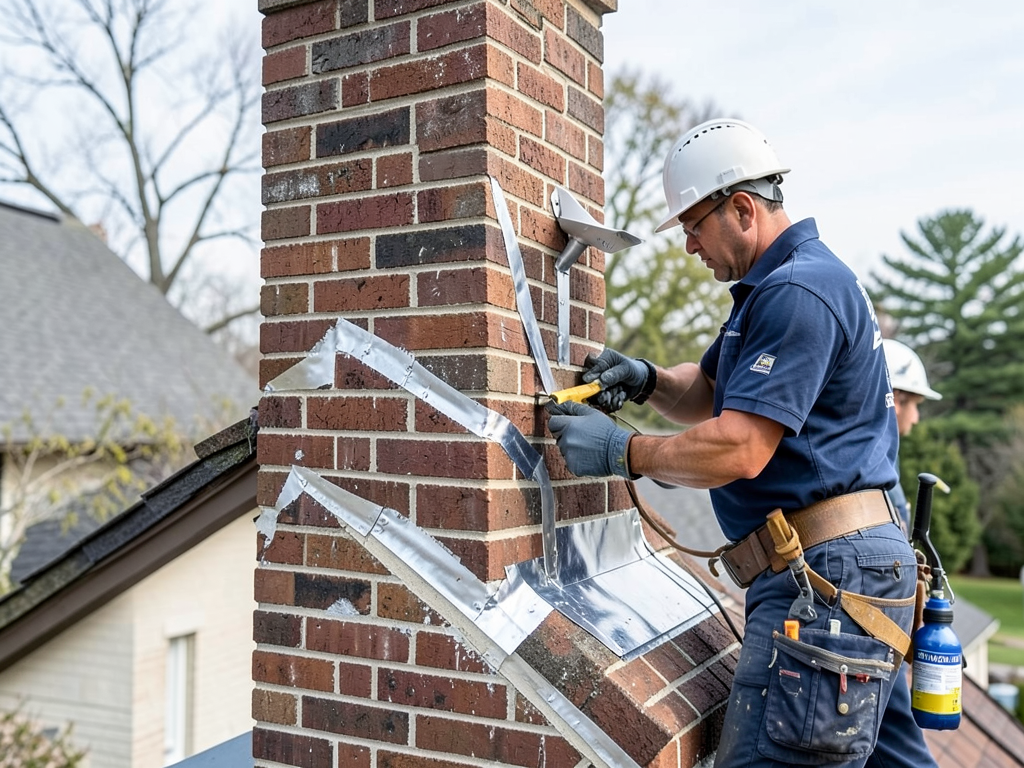
We install step flashing along both cricket sides, weaving it with shingles to create a watertight barrier. Each step flashing piece is nailed only to the roof deck, never to the chimney, allowing for independent movement during temperature changes.
- Counter-Flashing Installation
Counter-flashing is embedded into the chimney mortar joints and folded over the step flashing. This two-layer system creates redundancy—if one layer fails, the other continues protection.
- Shingle Integration and Sealing
We install matching shingles over the cricket, ensuring proper overlap patterns that direct water away from the chimney. All exposed fasteners receive manufacturer-approved sealant to prevent water infiltration.
The entire process typically requires 4-6 hours for a single chimney, though complex installations on steep-pitched roofs may take longer. Our crews work in teams of three to ensure proper flashing integration and quality control throughout the installation.
Common Signs Your Chimney Needs a Cricket
Many Seven Eagles homeowners don’t realize their chimney lacks proper water diversion until significant damage occurs. Here are the warning signs that indicate your chimney needs a cricket: Why More Huntersville Homeowners Are Switching to Standing Seam Metal Roofs.
Water Stains on Interior Walls – Brown discoloration appearing on walls near your fireplace often indicates water penetration through the chimney area. These stains typically start small but expand over time as water continues to penetrate.
Missing or Damaged Shingles – The area directly behind your chimney shows accelerated wear. Shingles in this zone often curl, crack, or go missing entirely due to constant moisture exposure and debris accumulation.
Moss or Algae Growth – Green or black growth on shingles behind your chimney signals persistent moisture. Our high humidity creates ideal conditions for biological growth, which further retains water and accelerates roof deterioration.
Interior Ceiling Leaks During Rain – Water dripping from ceiling corners near the fireplace indicates chimney-related leaks. These leaks often worsen during wind-driven rain when water is forced under shingles at the chimney base.
Rotting Fascia or Soffit Boards – Wooden trim around your chimney shows signs of decay. This damage often extends beyond what’s visible, compromising structural integrity.
Ice Dam Formation in Winter – During rare freezing events, ice builds up behind your chimney, creating dams that force water under shingles. This freeze-thaw cycle causes expansion damage to roofing materials.
If you notice any of these signs, schedule a professional inspection immediately. The cost of cricket installation is typically 60-70% less than repairing water damage to ceilings, walls, and structural components.
Chimney Cricket Installation Costs in Seven Eagles
Understanding the investment required for proper chimney cricket installation helps you budget for this essential protection. Costs vary based on several factors specific to Seven Eagles homes.
Basic Cricket Installation – For standard brick chimneys on accessible roof sections, expect $1,200-$1,800. This includes framing, underlayment, flashing, and shingle integration.
Complex Installation – Steep-pitched roofs (10:12 and above), chimneys requiring structural reinforcement, or those with decorative masonry work range from $2,000-$3,500. These installations require additional safety equipment and specialized flashing techniques.
Premium Materials – Copper flashing and premium underlayment systems add $500-$1,000 to the base cost but provide superior longevity, especially important for homes in the 28210 and 28226 zip codes where architectural quality drives property values.
Emergency Installation – If you’re dealing with active leaks, expedited service may cost 20-30% more, but prevents further interior damage that could multiply repair costs.
Most Seven Eagles homeowners find that cricket installation pays for itself within 3-5 years through prevented damage. One recent project saved a homeowner $8,000 in interior repairs that would have occurred without the cricket installation.
Insurance companies increasingly recognize the value of preventative installations. Some policies offer premium discounts for homes with documented code-compliant chimney protection, particularly in areas with high rainfall like Mecklenburg County.
Frequently Asked Questions
Can I install a cricket myself?
DIY chimney cricket installation is not recommended. Proper installation requires understanding of flashing integration, building codes, and waterproofing principles. Improper installation can void roofing warranties and create more problems than it solves. Professional installation ensures code compliance and manufacturer warranty protection.
How long does a chimney cricket last?
A properly installed chimney cricket should last as long as your roof system, typically 20-30 years. The cricket’s longevity depends on material quality, installation workmanship, and maintenance. Copper flashing systems can last 50+ years, while galvanized steel may need replacement after 15-20 years in our humid climate.
Will a cricket change my roof’s appearance?
From street level, a properly installed cricket is virtually invisible. The cricket sits behind your chimney and is covered with matching shingles, maintaining your home’s aesthetic. Only from certain angles on the roof itself is the cricket visible, and even then it blends with existing roof lines.
Do all chimneys need crickets?
Building codes require crickets for chimneys wider than 30 inches on sloped roofs. However, even smaller chimneys benefit from crickets in areas with heavy rainfall or where debris accumulation is significant. Our climate and mature tree canopy make crickets beneficial for most Seven Eagles chimneys.
How do I know if my chimney already has a cricket?
During a professional inspection, we can determine if your chimney has proper cricket protection. Signs of existing crickets include peaked structures behind the chimney, integrated flashing systems, and absence of water damage patterns. If you’re unsure, schedule an inspection before the next heavy rain season.
Protect Your Seven Eagles Home Today
Water damage from inadequate chimney protection doesn’t wait for convenient timing. Each heavy rain event compounds the problem, turning minor issues into major structural concerns. Seven Eagles’ combination of large chimneys, heavy rainfall, and mature tree canopy creates the perfect storm for chimney-related roof damage.
Our certified roofing crews understand the unique challenges of Seven Eagles homes. We’ve installed crickets on properties throughout the neighborhood, from the custom homes near Carmel Road to the established residences off Ardrey Kell. We know exactly what your home needs to withstand our local weather patterns.
Don’t wait for the next storm to reveal your chimney’s vulnerabilities. A professional inspection can identify potential problems before they cause interior damage. Our diagnostic process includes moisture testing, flashing evaluation, and comprehensive assessment of your roof’s water management systems.
Call (980) 352-5899 today to schedule your chimney inspection. Our team will evaluate your specific situation and provide clear recommendations for protecting your home. Whether you need a new cricket installation or maintenance on existing flashing, we’ll ensure your chimney area is properly protected.
Pick up the phone and call (980) 352-5899 before the next storm hits. The cost of prevention is always less than the cost of repair, and your home deserves the best protection available. Our Five Star Roofing Charlotte team is ready to help you safeguard your Seven Eagles home against water damage. Getting Your Charlotte Roof Repaired After a Hail Storm — A Local Guide to Insurance Claims.
Don’t let another rainy season pass without proper chimney protection. Contact us now to schedule your inspection and take the first step toward a leak-free, worry-free roof system. For more information, visit NRCA roofing standards.
{
“@context”: “https://schema.org”,
“@type”: “BlogPosting”,
“headline”: “Why Chimney Cricket Installation is Non-Negotiable for Large Homes in Seven Eagles”,
“description”: “Learn why chimney crickets are essential for preventing costly leaks in Seven Eagles’ large homes. Discover local building codes, installation process, and expert solutions.”,
“wordCount”: 1879,
“datePublished”: “2026-06-02T14:31:00.000Z”,
“dateModified”: “2026-06-02T14:31:00.000Z”,
“inLanguage”: “en-US”,
“mainEntityOfPage”: {
“@type”: “WebPage”,
“@id”: “https://fivestarroofingcharlotte.com”
},
“publisher”: {
“@type”: “LocalBusiness”,
“name”: “Five Star Roofing Charlotte”,
“url”: “https://fivestarroofingcharlotte.com”
},
“author”: {
“@type”: “Organization”,
“name”: “Five Star Roofing Charlotte”,
“url”: “https://fivestarroofingcharlotte.com”
},
“image”: {
“@type”: “ImageObject”,
“url”: “https://fivestarroofingcharlotte.com/wp-content/uploads/2026/03/why-chimney-cricket-installation-is-non-negotiable-1.png”
}
}
{
“@context”: “https://schema.org”,
“@type”: “RoofingContractor”,
“name”: “Five Star Roofing Charlotte”,
“url”: “https://fivestarroofingcharlotte.com”,
“address”: {
“@type”: “PostalAddress”,
“addressLocality”: “Charlotte”
},
“areaServed”: {
“@type”: “City”,
“name”: “Charlotte”
}
}
{
“@context”: “https://schema.org”,
“@type”: “FAQPage”,
“mainEntity”: [
{
“@type”: “Question”,
“name”: “What is a Chimney Cricket and Why Does Your Roof Need One?”,
“acceptedAnswer”: {
“@type”: “Answer”,
“text”: “A chimney cricket functions as a miniature roof behind your main chimney, creating a sloped surface that directs water flow away from the vulnerable chimney-wall intersection. Think of it as a water management system specifically engineered for one of your roof’s most problematic areas.”
}
},
{
“@type”: “Question”,
“name”: “Can I install a cricket myself?”,
“acceptedAnswer”: {
“@type”: “Answer”,
“text”: “DIY chimney cricket installation is not recommended. Proper installation requires understanding of flashing integration, building codes, and waterproofing principles. Improper installation can void roofing warranties and create more problems than it solves. Professional installation ensures code compliance and manufacturer warranty protection.”
}
},
{
“@type”: “Question”,
“name”: “How long does a chimney cricket last?”,
“acceptedAnswer”: {
“@type”: “Answer”,
“text”: “A properly installed chimney cricket should last as long as your roof system, typically 20-30 years. The cricket’s longevity depends on material quality, installation workmanship, and maintenance. Copper flashing systems can last 50+ years, while galvanized steel may need replacement after 15-20 years in our humid climate.”
}
},
{
“@type”: “Question”,
“name”: “Will a cricket change my roof’s appearance?”,
“acceptedAnswer”: {
“@type”: “Answer”,
“text”: “From street level, a properly installed cricket is virtually invisible. The cricket sits behind your chimney and is covered with matching shingles, maintaining your home’s aesthetic. Only from certain angles on the roof itself is the cricket visible, and even then it blends with existing roof lines.”
}
},
{
“@type”: “Question”,
“name”: “Do all chimneys need crickets?”,
“acceptedAnswer”: {
“@type”: “Answer”,
“text”: “Building codes require crickets for chimneys wider than 30 inches on sloped roofs. However, even smaller chimneys benefit from crickets in areas with heavy rainfall or where debris accumulation is significant. Our climate and mature tree canopy make crickets beneficial for most Seven Eagles chimneys.”
}
},
{
“@type”: “Question”,
“name”: “How do I know if my chimney already has a cricket?”,
“acceptedAnswer”: {
“@type”: “Answer”,
“text”: “During a professional inspection, we can determine if your chimney has proper cricket protection. Signs of existing crickets include peaked structures behind the chimney, integrated flashing systems, and absence of water damage patterns. If you’re unsure, schedule an inspection before the next heavy rain season.”
}
}
]
}
{
“@context”: “https://schema.org”,
“@type”: “HowTo”,
“name”: “Chimney Cricket Installation Process”,
“step”: [
{
“@type”: “HowToStep”,
“position”: 1,
“name”: “Structural Framing Assessment”,
“text”: “We first evaluate the chimney’s structural connection to your roof deck. Large chimneys in Seven Eagles often require additional support framing to handle the cricket’s load, especially on homes with 12:12 pitches where snow and ice accumulation can be significant.”
},
{
“@type”: “HowToStep”,
“position”: 2,
“name”: “Cricket Frame Construction”,
“text”: “Using pressure-treated lumber, we build a peaked frame that extends 12-18 inches beyond each side of the chimney. The frame’s height is calculated at approximately 1/2 the chimney’s width to ensure proper water diversion. For a 36-inch chimney, the cricket peak rises about 18 inches above the main roof plane.”
},
{
“@type”: “HowToStep”,
“position”: 3,
“name”: “Plywood Sheathing Installation”,
“text”: “We apply 1/2-inch exterior-grade plywood over the frame, creating a solid nailing surface for underlayment and shingles. The plywood extends beyond the frame to integrate seamlessly with existing roof decking.”
},
{
“@type”: “HowToStep”,
“position”: 4,
“name”: “Ice and Water Shield Application”,
“text”: “Following Mecklenburg County building permit requirements, we install ice and water shield across the entire cricket surface and up the chimney sides for 12 inches. This self-adhering membrane provides secondary waterproofing that remains effective even if shingles fail.”
},
{
“@type”: “HowToStep”,
“position”: 5,
“name”: “Step Flashing Integration”,
“text”: “We install step flashing along both cricket sides, weaving it with shingles to create a watertight barrier. Each step flashing piece is nailed only to the roof deck, never to the chimney, allowing for independent movement during temperature changes.”
},
{
“@type”: “HowToStep”,
“position”: 6,
“name”: “Counter-Flashing Installation”,
“text”: “Counter-flashing is embedded into the chimney mortar joints and folded over the step flashing. This two-layer system creates redundancy—if one layer fails, the other continues protection.”
},
{
“@type”: “HowToStep”,
“position”: 7,
“name”: “Shingle Integration and Sealing”,
“text”: “We install matching shingles over the cricket, ensuring proper overlap patterns that direct water away from the chimney. All exposed fasteners receive manufacturer-approved sealant to prevent water infiltration.”
}
],
“image”: “https://fivestarroofingcharlotte.com/wp-content/uploads/2026/03/why-chimney-cricket-installation-is-non-negotiable-1.png”
}
{
“@context”: “https://schema.org”,
“@type”: “BreadcrumbList”,
“itemListElement”: [
{
“@type”: “ListItem”,
“position”: 1,
“name”: “Home”,
“item”: “https://fivestarroofingcharlotte.com”
},
{
“@type”: “ListItem”,
“position”: 2,
“name”: “Blog”,
“item”: “https://fivestarroofingcharlotte.com/blog”
},
{
“@type”: “ListItem”,
“position”: 3,
“name”: “Why Chimney Cricket Installation is Non-Negotiable for Large Homes in Seven Eagles”
}
]
}
{
“@context”: “https://schema.org”,
“@type”: “Service”,
“serviceType”: “Roofing”,
“provider”: {
“@type”: “LocalBusiness”,
“name”: “Five Star Roofing Charlotte”,
“url”: “https://fivestarroofingcharlotte.com”
},
“areaServed”: {
“@type”: “City”,
“name”: “Charlotte”
},
“description”: “Learn why chimney crickets are essential for preventing costly leaks in Seven Eagles’ large homes. Discover local building codes, installation process, and expert solutions.”
}