
Why Most Roof Leaks Actually Start Where the Roof Meets the Wall
If you’re seeing water stains on your ceiling near an exterior wall or noticing peeling paint on your siding, the problem likely isn’t your roof’s surface at all. In fact, nearly 80% of roof leaks in Charlotte homes originate at the critical junction where the roof meets the wall. This vulnerable intersection is where flashing materials, sealants, and building components all converge under constant stress from our region’s heavy summer thunderstorms and high humidity. Getting Your Charlotte Roof Repaired After a Hail Storm — A Local Guide to Insurance Claims.
Understanding this weak point can save you thousands in structural repairs and prevent the kind of hidden damage that leads to mold growth and wood rot. Let’s examine why this specific area fails so frequently and what you can do about it before the next storm hits. EPA Mold Information.
Common Signs of a Roof-to-Wall Flashing Leak
Recognizing the early warning signs of a flashing failure can mean the difference between a simple repair and a major renovation. Here are the most common indicators that water is penetrating your roof-to-wall intersection:
- Water stains appearing on interior walls near exterior corners
- Peeling paint or bubbling drywall around window frames
- Mold growth on exterior siding, particularly on the north-facing walls where moisture lingers
- Damp spots on ceilings that follow the roofline rather than appearing directly above
- Cracked or missing sealant visible at roof-to-wall transitions
Many homeowners in Matthews and surrounding areas mistake these symptoms for plumbing leaks or HVAC condensation. However, a simple water test by a qualified roofing professional can quickly determine if your flashing is the culprit. Why More Huntersville Homeowners Are Switching to Standing Seam Metal Roofs.
Why Flashing Fails: The Charlotte Climate Factor
Charlotte’s unique climate creates a perfect storm of conditions that accelerate flashing deterioration. Our region experiences approximately 43 inches of rainfall annually, concentrated in intense summer thunderstorms that can dump several inches in just hours. This volume of water, combined with our high humidity levels that often exceed 70%, creates constant moisture stress on building materials.
The temperature fluctuations in the Piedmont region also play a significant role. When daytime temperatures soar into the 90s and then drop to the 70s at night, the metal flashing and surrounding materials expand and contract repeatedly. This thermal cycling causes sealant to crack, fasteners to loosen, and eventually creates gaps where water can penetrate.
Additionally, the red clay soil common throughout Mecklenburg County affects drainage patterns around homes. Poor grading or clogged gutters can cause water to back up against exterior walls, increasing the hydraulic pressure on your roof-to-wall flashing during heavy rains.
Types of Wall Flashing (Step vs. Counter Flashing)
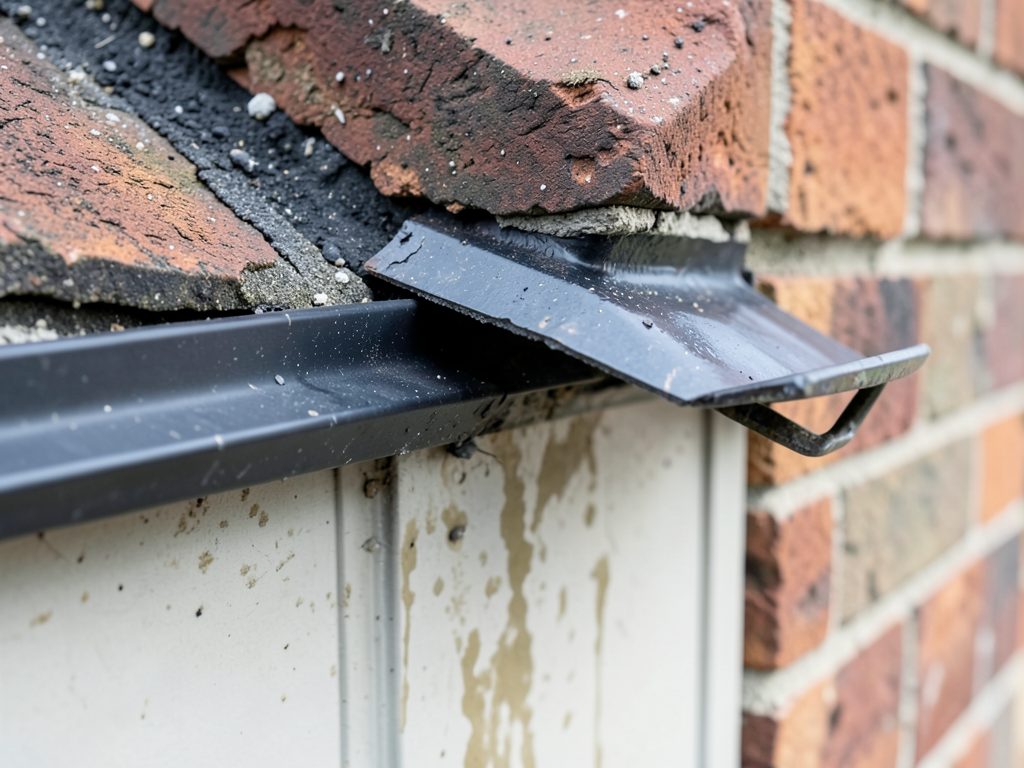
Understanding the different types of flashing is crucial for diagnosing problems. Step flashing consists of individual L-shaped pieces of metal that overlap each shingle and extend up the wall. This creates a water-shedding pathway that directs moisture down and away from the wall. Counter-flashing, on the other hand, is embedded into the wall material (typically brick or stucco) and folds down over the step flashing to create a secondary barrier.
The most common failure point occurs where these two systems meet. Over time, the sealant between step and counter-flashing deteriorates, creating an entry point for water. In older Charlotte homes, particularly those in historic districts like Fourth Ward, you’ll often find galvanized steel flashing that has rusted through after decades of exposure to our humid climate.
Modern installations use copper or aluminum flashing, which offer superior longevity. However, even these premium materials can fail if not installed correctly or if the wrong type of sealant is used for our specific climate conditions.
The Danger of Missing Kick-out Flashing
One of the most overlooked components in roof-to-wall transitions is kick-out flashing. This specialized piece of metal is designed to direct water away from the wall and into the gutter system at the critical point where a sloped roof meets a vertical wall. Without proper kick-out flashing, water sheets directly down the wall, saturating the siding and potentially causing extensive damage to the wall cavity. Specialized Slate and Tile Roofing Services for Historic Homes in Myers Park.
Many homes built before 2010 in the Charlotte area lack this crucial component entirely. Building codes now require kick-out flashing at these transitions, but countless existing homes remain vulnerable. The absence of kick-out flashing is particularly problematic on dormer walls and where roof sections intersect with chimneys or other vertical structures.
During our region’s frequent thunderstorms, the volume of water cascading down a roof without kick-out flashing can be substantial. This concentrated flow can overwhelm even properly installed step and counter-flashing, leading to water infiltration behind the siding.
DIY Inspection vs. Professional Repair: Safety First
While you can perform a basic visual inspection from ground level using binoculars, working on your roof yourself carries significant risks. The combination of steep slopes, moisture from recent rain, and the need to work near the roof edge makes this a dangerous task for untrained homeowners.
However, you can conduct a preliminary assessment by checking for these warning signs from a safe distance:
- Look for missing or damaged shingles near wall intersections
- Check for visible gaps in the sealant at roof-to-wall transitions
- Examine your siding for signs of water damage or staining
- Inspect your attic during daylight hours for pinpoints of light that might indicate gaps in flashing
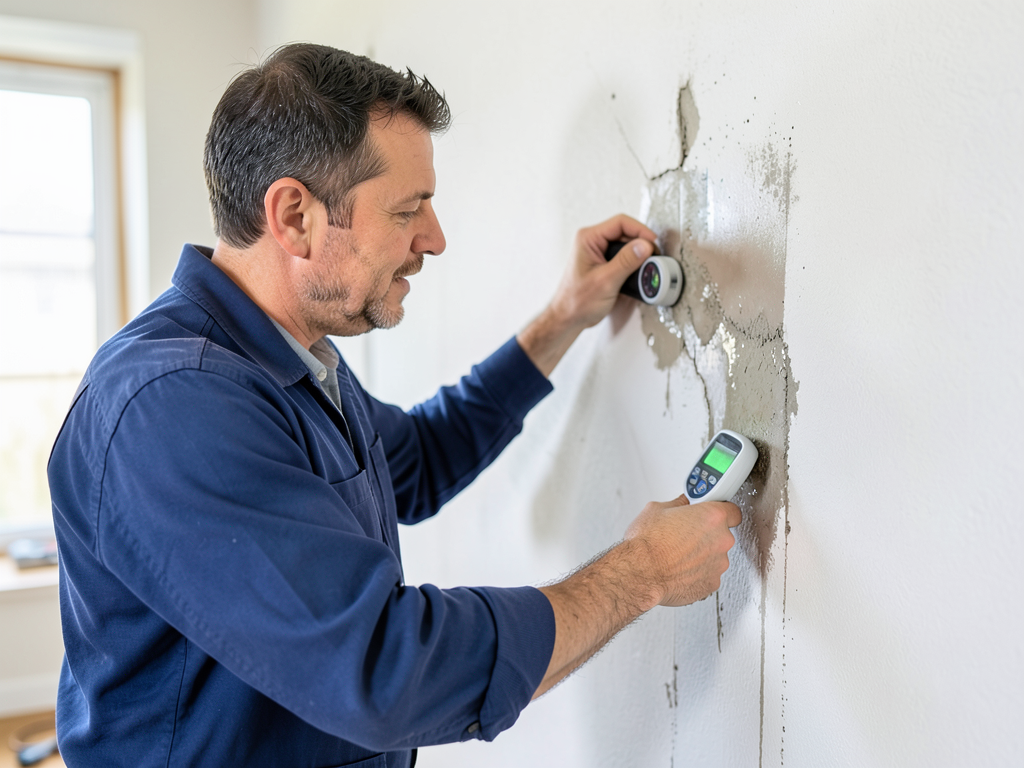
For a comprehensive evaluation, a professional roofing contractor will use specialized tools including moisture meters to detect hidden water infiltration and thermal imaging cameras to identify temperature variations that indicate moisture behind walls. This diagnostic approach is particularly important in Charlotte’s humid climate, where water damage often occurs without obvious external signs.
Our Step-by-Step Repair Process for Charlotte Homeowners
When we address roof-to-wall flashing leaks, we follow a systematic process that addresses both the immediate problem and the underlying causes. Here’s what you can expect when you call us for flashing repair:
- Comprehensive Inspection
We conduct a thorough examination of the entire roof-to-wall intersection, checking for hidden damage using moisture detection equipment and assessing the condition of all flashing components.
- Water Test Verification
Using controlled water application, we confirm the exact location and extent of the leak, ensuring we address all problem areas rather than just the most obvious ones.
- Material Assessment
We evaluate whether existing flashing can be repaired or needs replacement, considering factors like material type, age, and the specific demands of your home’s architecture.
- Preparation and Removal
Carefully remove damaged materials, taking care to preserve surrounding roofing and siding to minimize repair scope and cost.
- Installation of New Components
Install new flashing using materials appropriate for Charlotte’s climate, including proper sealants designed for high humidity and temperature fluctuations.
- Integration with Existing Systems
Ensure new flashing integrates seamlessly with your roof’s underlayment, shingles, and exterior wall systems for complete water protection. The Best Shingles to Withstand the Charlotte Summer Heat and Humidity.
- Final Water Test
Conduct a comprehensive water test to verify the repair has eliminated all leaks before completing the job.
This methodical approach ensures that we not only fix the immediate leak but also prevent future problems by addressing the root causes specific to Charlotte’s challenging climate conditions.
Comparing Flashing Materials: What Works Best in Charlotte
| Material Type | Average Lifespan in Charlotte Climate | Cost Range (per linear foot) | Best Applications |
|---|---|---|---|
| Galvanized Steel | 15-20 years | $3-$5 | Budget repairs, temporary solutions |
| Aluminum | 25-30 years | $6-$8 | Standard residential applications |
| Copper | 50+ years | $15-$25 | Premium installations, historic homes |
The data shows that while copper flashing requires a higher initial investment, its longevity in Charlotte’s climate often makes it the most cost-effective choice over the lifetime of your home. The material naturally develops a protective patina that resists corrosion, making it particularly well-suited to our humid environment.
Preventing Future Flashing Failures
Once your flashing has been repaired or replaced, taking proactive steps can significantly extend its lifespan and prevent future leaks. Regular maintenance is particularly important in Charlotte due to our climate’s demands on building materials.
Schedule annual roof inspections, especially after severe weather events. Clean your gutters regularly to prevent water backup that can force its way under flashing. Trim tree branches that overhang your roof to reduce debris accumulation and minimize the risk of impact damage during storms. Expert Roof Inspections for Waterfront Homes in Cornelius and Davidson.
Consider having your roof’s underlayment inspected every 5-7 years. In Charlotte’s climate, the ice and water shield at critical areas like roof-to-wall intersections should be replaced before it loses its adhesive properties, which typically occurs after 15-20 years of exposure to our temperature extremes.
Local Building Code Requirements for Flashing
North Carolina’s residential building code, specifically Section R903.3, mandates specific flashing requirements for roof-to-wall intersections. The code requires step flashing to extend up the wall at least 4 inches and overlap each other by at least 2 inches. Counter-flashing must extend down over the step flashing by at least 4 inches. North Carolina Residential Building Code.
Mecklenburg County has adopted these state requirements but also enforces additional standards for wind resistance given our region’s occasional tropical storm impacts. All flashing installations must withstand uplift forces of at least 60 pounds per square foot, which is significantly higher than many other parts of the country.
These code requirements exist for good reason. Proper flashing installation according to these standards can mean the difference between a leak-free home and thousands of dollars in water damage repairs, especially during Charlotte’s frequent severe weather events.
When to Call a Professional Immediately
Some situations require immediate professional attention to prevent extensive damage. If you notice active water dripping from your ceiling during a rainstorm, see visible gaps in your flashing, or detect a musty odor near exterior walls, don’t wait for regular business hours.
Emergency flashing repairs are particularly critical in Charlotte during hurricane season, which runs from June through November. A small gap in your flashing can allow hundreds of gallons of water to enter your home during a major storm, causing catastrophic damage to your walls, insulation, and even your home’s structural framing.
Don’t let a minor flashing issue become a major renovation project. Early intervention is always more cost-effective and less disruptive than emergency repairs after significant water damage has occurred.
The Cost of Neglect: Real Numbers for Charlotte Homeowners
Ignoring a roof-to-wall flashing leak can lead to repair costs that multiply exponentially over time. What starts as a $500 flashing repair can escalate to $5,000 or more if water damage spreads to your wall framing and insulation.
In Charlotte’s humid climate, the timeline for damage progression is particularly aggressive. Mold can begin growing within 24-48 hours of water exposure, and wood rot can compromise structural integrity in as little as 6-12 months if leaks persist. The combination of our high humidity and frequent rainfall creates ideal conditions for rapid deterioration of building materials.
Insurance companies are increasingly denying claims for water damage that results from neglected maintenance. Many policies now require homeowners to demonstrate regular roof inspections and timely repairs. A documented history of professional flashing maintenance can be the difference between a covered claim and a denied one when disaster strikes.
Why Choose Local Experience for Your Flashing Repair
Roofing in Charlotte presents unique challenges that out-of-town contractors simply don’t understand. Our specific combination of high humidity, intense summer heat, occasional winter ice storms, and the architectural styles common to our area requires specialized knowledge and experience.
Local contractors understand the importance of using sealants that remain flexible in our temperature extremes, selecting flashing materials that resist the accelerated corrosion caused by our humidity, and installing components to withstand the wind loads our region occasionally experiences during tropical systems.
We’ve repaired countless flashing failures in neighborhoods throughout Matthews, Monroe, and the greater Charlotte area. This experience means we can identify potential problems before they become emergencies and recommend solutions that account for your home’s specific construction style and age.
Frequently Asked Questions
How long does roof-to-wall flashing typically last in Charlotte?
Under normal conditions, quality flashing materials can last 20-30 years in Charlotte’s climate. However, factors like severe weather exposure, poor installation, or lack of maintenance can significantly reduce this lifespan. Regular inspections can help identify deterioration before leaks develop.
Can I just seal over a flashing leak instead of replacing it?
While sealant can provide a temporary fix for minor issues, it’s rarely a permanent solution for flashing problems. In Charlotte’s climate, sealants degrade quickly due to UV exposure and temperature fluctuations. Proper repair typically requires removing and replacing the affected flashing components.
How much does flashing repair typically cost in the Charlotte area?
Basic flashing repairs in Charlotte typically range from $300 to $800, depending on the extent of the damage and the materials needed. More complex repairs involving multiple wall intersections or structural damage can cost $1,500 to $3,000 or more. Emergency repairs during storms may carry premium pricing.
Will my homeowner’s insurance cover flashing repairs?
Insurance typically covers flashing damage caused by sudden, unexpected events like storm damage or falling trees. However, damage resulting from normal wear and tear or lack of maintenance is usually not covered. Check your specific policy details or consult with your insurance agent for clarification.
How can I tell if my flashing was installed correctly when my home was built?
Signs of proper installation include consistent overlap patterns, appropriate extension up the wall (at least 4 inches), and the presence of kick-out flashing at critical junctions. However, the only way to be certain is to have a professional roofing contractor inspect your flashing system, particularly if your home is more than 10 years old.
Roof leaks at wall intersections are among the most common and costly problems homeowners face in Charlotte. The combination of our climate, architectural styles, and the critical nature of this building junction makes understanding and maintaining your roof-to-wall flashing essential for protecting your home investment.
Don’t wait until you see water stains on your ceiling or feel that musty odor in your walls. Early detection and repair of flashing problems can save you thousands in structural repairs and prevent the health hazards associated with mold growth. If you suspect you might have a flashing issue, call us today at (980) 352-5899 for a comprehensive inspection. Our experienced team understands the unique challenges of Charlotte roofing and can provide solutions that protect your home for years to come.
Pick up the phone and call (980) 352-5899 before the next storm hits. Your home deserves the protection that only experienced local professionals can provide.
{
“@context”: “https://schema.org”,
“@type”: “BlogPosting”,
“headline”: “Why Most Roof Leaks Actually Start Where the Roof Meets the Wall”,
“description”: “Discover why roof-to-wall flashing failures cause most leaks in Charlotte homes. Learn the warning signs, repair options, and why local weather makes this intersection critical.”,
“wordCount”: 2435,
“datePublished”: “2026-04-11T13:25:00.000Z”,
“dateModified”: “2026-04-11T13:25:00.000Z”,
“inLanguage”: “en-US”,
“mainEntityOfPage”: {
“@type”: “WebPage”,
“@id”: “https://fivestarroofingcharlotte.com”
},
“publisher”: {
“@type”: “LocalBusiness”,
“name”: “Five Star Roofing Charlotte”,
“url”: “https://fivestarroofingcharlotte.com”
},
“author”: {
“@type”: “Organization”,
“name”: “Five Star Roofing Charlotte”,
“url”: “https://fivestarroofingcharlotte.com”
},
“image”: {
“@type”: “ImageObject”,
“url”: “https://fivestarroofingcharlotte.com/wp-content/uploads/2026/03/why-most-roof-leaks-actually-start-where-the-roof-1.png”
}
}
{
“@context”: “https://schema.org”,
“@type”: “RoofingContractor”,
“name”: “Five Star Roofing Charlotte”,
“url”: “https://fivestarroofingcharlotte.com”,
“address”: {
“@type”: “PostalAddress”,
“addressLocality”: “Charlotte”
},
“areaServed”: {
“@type”: “City”,
“name”: “Charlotte”
}
}
{
“@context”: “https://schema.org”,
“@type”: “FAQPage”,
“mainEntity”: [
{
“@type”: “Question”,
“name”: “How long does roof-to-wall flashing typically last in Charlotte?”,
“acceptedAnswer”: {
“@type”: “Answer”,
“text”: “Under normal conditions, quality flashing materials can last 20-30 years in Charlotte’s climate. However, factors like severe weather exposure, poor installation, or lack of maintenance can significantly reduce this lifespan. Regular inspections can help identify deterioration before leaks develop.”
}
},
{
“@type”: “Question”,
“name”: “Can I just seal over a flashing leak instead of replacing it?”,
“acceptedAnswer”: {
“@type”: “Answer”,
“text”: “While sealant can provide a temporary fix for minor issues, it’s rarely a permanent solution for flashing problems. In Charlotte’s climate, sealants degrade quickly due to UV exposure and temperature fluctuations. Proper repair typically requires removing and replacing the affected flashing components.”
}
},
{
“@type”: “Question”,
“name”: “How much does flashing repair typically cost in the Charlotte area?”,
“acceptedAnswer”: {
“@type”: “Answer”,
“text”: “Basic flashing repairs in Charlotte typically range from $300 to $800, depending on the extent of the damage and the materials needed. More complex repairs involving multiple wall intersections or structural damage can cost $1,500 to $3,000 or more. Emergency repairs during storms may carry premium pricing.”
}
},
{
“@type”: “Question”,
“name”: “Will my homeowner’s insurance cover flashing repairs?”,
“acceptedAnswer”: {
“@type”: “Answer”,
“text”: “Insurance typically covers flashing damage caused by sudden, unexpected events like storm damage or falling trees. However, damage resulting from normal wear and tear or lack of maintenance is usually not covered. Check your specific policy details or consult with your insurance agent for clarification.”
}
},
{
“@type”: “Question”,
“name”: “How can I tell if my flashing was installed correctly when my home was built?”,
“acceptedAnswer”: {
“@type”: “Answer”,
“text”: “Signs of proper installation include consistent overlap patterns, appropriate extension up the wall (at least 4 inches), and the presence of kick-out flashing at critical junctions. However, the only way to be certain is to have a professional roofing contractor inspect your flashing system, particularly if your home is more than 10 years old.”
}
}
]
}
{
“@context”: “https://schema.org”,
“@type”: “HowTo”,
“name”: “Roof Flashing Repair Process”,
“step”: [
{
“@type”: “HowToStep”,
“position”: 1,
“name”: “Comprehensive Inspection”,
“text”: “We conduct a thorough examination of the entire roof-to-wall intersection, checking for hidden damage using moisture detection equipment and assessing the condition of all flashing components.”
},
{
“@type”: “HowToStep”,
“position”: 2,
“name”: “Water Test Verification”,
“text”: “Using controlled water application, we confirm the exact location and extent of the leak, ensuring we address all problem areas rather than just the most obvious ones.”
},
{
“@type”: “HowToStep”,
“position”: 3,
“name”: “Material Assessment”,
“text”: “We evaluate whether existing flashing can be repaired or needs replacement, considering factors like material type, age, and the specific demands of your home’s architecture.”
},
{
“@type”: “HowToStep”,
“position”: 4,
“name”: “Preparation and Removal”,
“text”: “Carefully remove damaged materials, taking care to preserve surrounding roofing and siding to minimize repair scope and cost.”
},
{
“@type”: “HowToStep”,
“position”: 5,
“name”: “Installation of New Components”,
“text”: “Install new flashing using materials appropriate for Charlotte’s climate, including proper sealants designed for high humidity and temperature fluctuations.”
},
{
“@type”: “HowToStep”,
“position”: 6,
“name”: “Integration with Existing Systems”,
“text”: “Ensure new flashing integrates seamlessly with your roof’s underlayment, shingles, and exterior wall systems for complete water protection. The Best Shingles to Withstand the Charlotte Summer Heat and Humidity.”
},
{
“@type”: “HowToStep”,
“position”: 7,
“name”: “Final Water Test”,
“text”: “Conduct a comprehensive water test to verify the repair has eliminated all leaks before completing the job.”
}
],
“image”: “https://fivestarroofingcharlotte.com/wp-content/uploads/2026/03/why-most-roof-leaks-actually-start-where-the-roof-1.png”
}
{
“@context”: “https://schema.org”,
“@type”: “BreadcrumbList”,
“itemListElement”: [
{
“@type”: “ListItem”,
“position”: 1,
“name”: “Home”,
“item”: “https://fivestarroofingcharlotte.com”
},
{
“@type”: “ListItem”,
“position”: 2,
“name”: “Blog”,
“item”: “https://fivestarroofingcharlotte.com/blog”
},
{
“@type”: “ListItem”,
“position”: 3,
“name”: “Why Most Roof Leaks Actually Start Where the Roof Meets the Wall”
}
]
}
{
“@context”: “https://schema.org”,
“@type”: “Service”,
“serviceType”: “Roofing”,
“provider”: {
“@type”: “LocalBusiness”,
“name”: “Five Star Roofing Charlotte”,
“url”: “https://fivestarroofingcharlotte.com”
},
“areaServed”: {
“@type”: “City”,
“name”: “Charlotte”
},
“description”: “Discover why roof-to-wall flashing failures cause most leaks in Charlotte homes. Learn the warning signs, repair options, and why local weather makes this intersection critical.”
}