Why Poor Attic Ventilation Is Killing Your New Roof in Weddington and Waxhaw
Charlotte’s humid summers trap heat and moisture in attics, creating the perfect storm for premature roof failure. If your second floor feels like a sauna and your energy bills keep climbing, your attic ventilation system is likely the culprit. In Weddington and Waxhaw, where summer heat indexes regularly exceed 100°F, trapped attic air can reach 150°F or higher, literally cooking your shingles from the inside out. Energy Department ventilation guidelines.
Most homeowners focus on the visible parts of their roof, but the real battle happens in the attic. Poor ventilation creates a domino effect: trapped heat forces your AC to work overtime, moisture condenses on rafters causing wood rot, and shingle manufacturers void warranties when ventilation fails to meet code requirements. The North Carolina Residential Code mandates specific ventilation ratios because they know what happens when builders cut corners. Why More Huntersville Homeowners Are Switching to Standing Seam Metal Roofs.
How Charlotte’s Climate Makes Ventilation Critical
The Piedmont region’s high humidity creates unique ventilation challenges. When warm, moist air from your living space rises into the attic, it meets cooler surfaces and condenses. This moisture feeds mold growth, rots wooden structures, and degrades insulation effectiveness. During winter months, inadequate ventilation causes ice dam formation along eaves, forcing melting snow under shingles and into your home. The Best Shingles to Withstand the Charlotte Summer Heat and Humidity.
Weddington and Waxhaw homes often feature large attics with complex roof lines, making proper airflow distribution more difficult. The expansive red clay soil in these areas also affects foundation drainage, which can indirectly impact roof ventilation by altering moisture levels around your home’s perimeter.
Signs Your Weddington or Waxhaw Home Has Poor Ventilation
Recognizing ventilation problems early can save thousands in premature roof replacement costs. Here are the warning signs specific to our local climate:
- Peeling paint on exterior walls or ceilings, especially on south-facing exposures where heat buildup is worst
- Hot ceiling surfaces that make upper floors uncomfortable even with AC running
- Ice dam formation along roof edges during rare but significant winter storms
- Mildew smell in upstairs rooms or closets adjacent to attic spaces
- Premature shingle curling, cracking, or granule loss within 5-7 years of installation
- Dramatic temperature differences between upstairs and downstairs living areas
Homeowners in the 28104 and 28173 zip codes report these issues most frequently, particularly in older neighborhoods where building codes were less stringent about ventilation requirements.
Types of Roof Ventilation Systems for Charlotte Homes
Not all ventilation systems work equally well in our climate. Understanding the differences helps you make informed decisions about protecting your investment.
Ridge Vents: The Most Popular Option
Ridge vents run along the peak of your roof, providing continuous exhaust ventilation. When properly installed with adequate soffit intake vents, they create natural convection that pulls hot air out through the ridge while drawing cooler air in from below. The key is achieving the proper balance between intake and exhaust areas.
Modern ridge vents feature baffled designs that prevent rain and snow infiltration while maximizing airflow. In Weddington’s tree-lined neighborhoods, ridge vents work exceptionally well because they’re hidden from view and don’t interfere with the home’s aesthetic.
Soffit Vents: The Critical Intake Component
Soffit vents provide the fresh air intake that makes the entire ventilation system work. Without adequate soffit ventilation, ridge vents become ineffective, creating a vacuum effect that pulls conditioned air from your living space into the attic.
There are two main types: continuous soffit vents that run the entire length of the eave, and individual vent panels spaced at regular intervals. Continuous vents generally provide superior airflow, especially important in homes with complex roof designs common in Waxhaw’s newer developments.
Solar Attic Fans: Active Ventilation for Maximum Efficiency
Solar-powered attic fans provide mechanical ventilation that supplements natural convection. These units mount on the roof and use photovoltaic panels to power fans that actively exhaust hot air, even on calm days when natural ventilation is minimal.
For homes in Weddington’s newer developments with limited tree cover, solar fans can reduce attic temperatures by 20-30°F during peak summer months. The energy savings often offset the initial investment within 2-3 years through reduced AC runtime.
Gable Vents and Turbine Vents: Alternative Solutions
Gable vents mount on the triangular wall sections at the ends of your attic and work well in conjunction with ridge vents. However, they’re less effective in homes with complex roof lines where airflow becomes turbulent.
Turbine vents, also called whirlybirds, use wind power to spin and exhaust air. While inexpensive, they’re prone to bearing failure and can become noisy over time. In Charlotte’s occasional high winds, improperly secured turbines can actually draw rain into the attic. Getting Your Charlotte Roof Repaired After a Hail Storm — A Local Guide to Insurance Claims.
The Balanced Ventilation System: Intake vs. Exhaust
Building codes specify a 1:300 ratio for ventilation – one square foot of net free ventilation area for every 300 square feet of attic floor space. This ratio must be split evenly between intake and exhaust for optimal performance.
Many Weddington homes fail this requirement because builders install only ridge vents without adequate soffit intake. The result is negative pressure that pulls conditioned air from your living space, wasting energy and creating moisture problems.
Calculating your ventilation needs requires measuring your attic floor area and accounting for any vapor barriers present. Homes with vapor barriers can use a 1:450 ratio, but most older homes in Waxhaw lack this protection.
Building Code Compliance in Mecklenburg County
The North Carolina Residential Code, based on the International Residential Code, specifies detailed requirements for attic ventilation. Section R806 mandates minimum ventilation ratios and prohibits certain combinations of vent types that create airflow conflicts. National Association of Certified Home Inspectors.
Mecklenburg County building inspectors verify ventilation compliance during roof replacements. If your existing system doesn’t meet current standards, you’ll need to upgrade to pass inspection and maintain your manufacturer’s warranty.
Commercial buildings in the area must comply with additional requirements under the North Carolina State Building Code, particularly regarding fire-rated assemblies and energy efficiency standards.
Our Ventilation Audit Process
Before recommending any ventilation upgrades, we conduct a comprehensive attic assessment that includes:
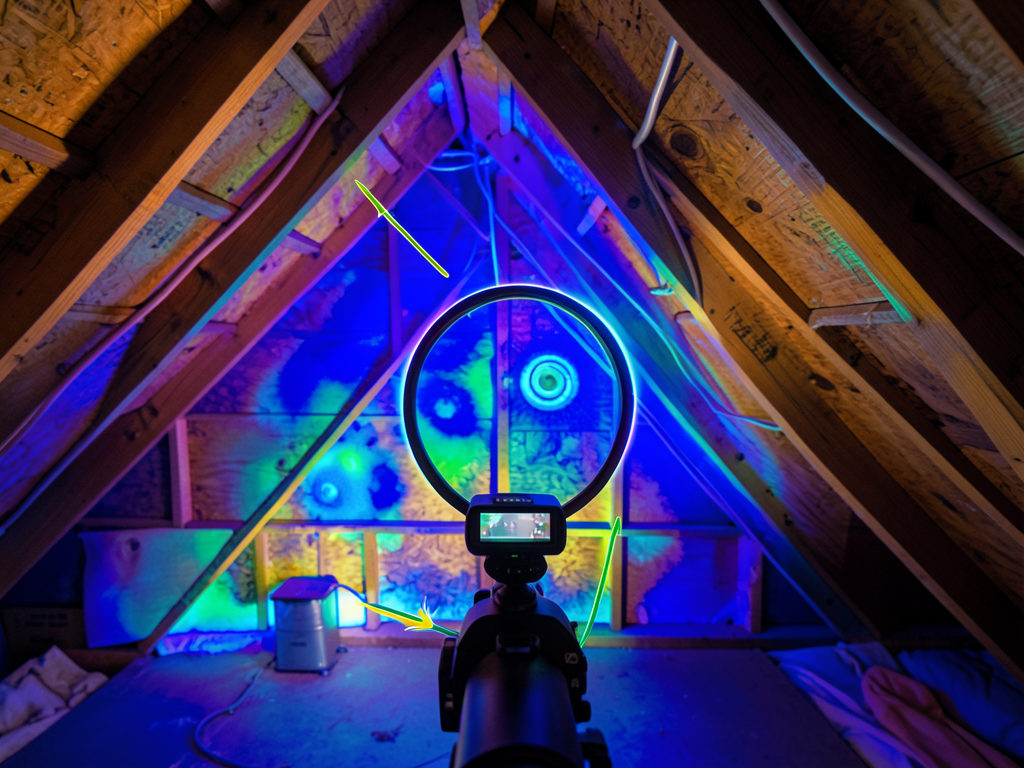
- Infrared temperature scanning to identify hot spots and airflow dead zones
- Moisture meter readings on rafters and decking to detect existing water damage
- Visual inspection of existing vents for blockages, damage, or improper installation
- Calculation of current ventilation ratios versus code requirements
- Assessment of insulation levels and vapor barrier presence
This diagnostic process typically takes 60-90 minutes and provides you with a clear picture of your attic’s health. We use thermal imaging cameras that show temperature variations across your attic floor, making it easy to spot areas where ventilation is failing.
Energy Savings and ROI in the Charlotte Market
Proper attic ventilation directly impacts your energy bills. In Weddington and Waxhaw, where cooling season runs from April through October, reducing attic temperatures by 20-30°F can lower your AC runtime by 15-25%.
The return on investment varies based on your home’s characteristics, but most homeowners see full payback within 3-5 years through energy savings alone. Additional benefits include extended shingle life (potentially adding 5-7 years to a 25-year shingle warranty) and improved indoor comfort.
Energy Star estimates that proper attic ventilation can reduce cooling costs by up to 20% in hot, humid climates like ours. When combined with adequate insulation, the savings become even more significant.
Common Ventilation Mistakes to Avoid
Even well-intentioned ventilation upgrades can fail if certain principles aren’t followed. Here are the most common errors we see in the Charlotte area:
- Mixing different vent types that compete for airflow (e.g., ridge vents with gable vents)
- Blocking soffit vents with insulation, a common problem in older homes
- Installing vents too close to bathroom exhaust fans, creating moisture traps
- Using undersized vents that can’t handle the volume of air in larger attics
- Neglecting to seal attic bypasses where conditioned air escapes into the attic
Professional installation ensures these mistakes don’t compromise your system’s effectiveness.
Maintenance and Long-Term Performance
Even the best ventilation systems require periodic maintenance to perform optimally. We recommend annual inspections to check for: Expert Roof Inspections for Waterfront Homes in Cornelius and Davidson.
- Debris buildup in soffit vents that restricts airflow
- Bearing wear in mechanical fans that can cause failure or noise
- Animal nesting in unprotected vent openings
- Shingle granule accumulation that can block ridge vents
- Ice dam formation along eaves during winter months
Most maintenance tasks are simple and inexpensive when caught early, but neglect can lead to system failure and costly repairs.
Why Professional Installation Matters
Ventilation installation requires understanding building science principles that most general contractors don’t possess. Proper installation involves:
- Calculating exact ventilation requirements based on attic geometry
- Ensuring proper sealing to prevent roof leaks
- Maintaining structural integrity while cutting ventilation openings
- Integrating with existing roofing materials for seamless appearance
- Meeting local building code requirements for permits and inspections
DIY ventilation projects often result in code violations, roof leaks, or ineffective systems that waste money without solving the underlying problems.
Frequently Asked Questions
How much does proper attic ventilation cost in Weddington or Waxhaw?
Costs vary based on your home’s size and existing conditions, but most ventilation upgrades range from $1,500 to $3,500. This includes professional installation and necessary building permits. The investment typically pays for itself within 3-5 years through energy savings and extended roof life.
Will improving my attic ventilation void my shingle warranty?
Actually, proper ventilation is required to maintain most shingle manufacturer warranties. Poor ventilation can void warranties by causing premature shingle failure. Upgrading to code-compliant ventilation often extends your warranty coverage and protects your investment.
How long does ventilation installation take?
Most residential ventilation projects can be completed in one day. The process includes removing old vents if necessary, installing new components, sealing all penetrations, and conducting final airflow testing. We always clean up thoroughly and leave your property in better condition than we found it.
Can I add ventilation to my existing roof without replacing it?
Yes, ventilation can be added to most existing roofs. However, if your shingles are nearing replacement age, it’s often more cost-effective to combine ventilation upgrades with a new roof installation. This ensures all components work together properly and meet current building codes.
What’s the difference between passive and active ventilation?
Passive ventilation relies on natural convection and wind to move air through your attic, using ridge vents, soffit vents, and gable vents. Active ventilation uses powered fans, typically solar-powered, to mechanically exhaust hot air. Active systems work better in homes with complex roof designs or limited natural airflow.
How do I know if my ventilation is working properly?
Signs of proper ventilation include consistent attic temperatures within 10-15°F of outdoor temperatures, no moisture accumulation on rafters or decking, and comfortable upstairs living spaces. We offer free ventilation assessments to homeowners in Weddington and Waxhaw who want to verify their system’s performance.
Take Control of Your Home’s Comfort and Efficiency
Your roof represents one of your largest home investments, and proper attic ventilation protects that investment while improving your daily comfort. The extreme heat and humidity in Weddington and Waxhaw create conditions where poor ventilation can literally cook your shingles and drive up energy costs.
Don’t wait until you’re facing premature roof replacement or battling unbearable upstairs temperatures. Our team understands the unique ventilation challenges of Charlotte’s climate and can design a system that works with your home’s specific architecture.
Call (980) 352-5899 today to schedule your free attic ventilation assessment. We’ll show you exactly what’s happening in your attic and provide a clear plan for improvement. Your roof, your energy bills, and your comfort are too important to leave to chance.
Pick up the phone and call (980) 352-5899 before the next heat wave hits. Your home deserves better than a failing ventilation system that’s costing you money every single day.
{
“@context”: “https://schema.org”,
“@type”: “BlogPosting”,
“headline”: “Why Poor Attic Ventilation Is Killing Your New Roof in Weddington and Waxhaw”,
“description”: “High humidity and poor attic airflow are destroying Weddington and Waxhaw roofs. Learn how proper ventilation extends shingle life and cuts energy costs in Charlotte’s climate.”,
“wordCount”: 1994,
“datePublished”: “2026-03-08T11:43:00.000Z”,
“dateModified”: “2026-03-08T11:43:00.000Z”,
“inLanguage”: “en-US”,
“mainEntityOfPage”: {
“@type”: “WebPage”,
“@id”: “https://fivestarroofingcharlotte.com”
},
“publisher”: {
“@type”: “LocalBusiness”,
“name”: “Five Star Roofing Charlotte”,
“url”: “https://fivestarroofingcharlotte.com”
},
“author”: {
“@type”: “Organization”,
“name”: “Five Star Roofing Charlotte”,
“url”: “https://fivestarroofingcharlotte.com”
},
“image”: {
“@type”: “ImageObject”,
“url”: “https://fivestarroofingcharlotte.com/wp-content/uploads/2026/03/why-poor-attic-ventilation-is-killing-your-new-roo-1.png”
}
}
{
“@context”: “https://schema.org”,
“@type”: “RoofingContractor”,
“name”: “Five Star Roofing Charlotte”,
“url”: “https://fivestarroofingcharlotte.com”,
“address”: {
“@type”: “PostalAddress”,
“addressLocality”: “Charlotte”
},
“areaServed”: {
“@type”: “City”,
“name”: “Charlotte”
}
}
{
“@context”: “https://schema.org”,
“@type”: “FAQPage”,
“mainEntity”: [
{
“@type”: “Question”,
“name”: “How much does proper attic ventilation cost in Weddington or Waxhaw?”,
“acceptedAnswer”: {
“@type”: “Answer”,
“text”: “Costs vary based on your home’s size and existing conditions, but most ventilation upgrades range from $1,500 to $3,500. This includes professional installation and necessary building permits. The investment typically pays for itself within 3-5 years through energy savings and extended roof life.”
}
},
{
“@type”: “Question”,
“name”: “Will improving my attic ventilation void my shingle warranty?”,
“acceptedAnswer”: {
“@type”: “Answer”,
“text”: “Actually, proper ventilation is required to maintain most shingle manufacturer warranties. Poor ventilation can void warranties by causing premature shingle failure. Upgrading to code-compliant ventilation often extends your warranty coverage and protects your investment.”
}
},
{
“@type”: “Question”,
“name”: “How long does ventilation installation take?”,
“acceptedAnswer”: {
“@type”: “Answer”,
“text”: “Most residential ventilation projects can be completed in one day. The process includes removing old vents if necessary, installing new components, sealing all penetrations, and conducting final airflow testing. We always clean up thoroughly and leave your property in better condition than we found it.”
}
},
{
“@type”: “Question”,
“name”: “Can I add ventilation to my existing roof without replacing it?”,
“acceptedAnswer”: {
“@type”: “Answer”,
“text”: “Yes, ventilation can be added to most existing roofs. However, if your shingles are nearing replacement age, it’s often more cost-effective to combine ventilation upgrades with a new roof installation. This ensures all components work together properly and meet current building codes.”
}
},
{
“@type”: “Question”,
“name”: “What’s the difference between passive and active ventilation?”,
“acceptedAnswer”: {
“@type”: “Answer”,
“text”: “Passive ventilation relies on natural convection and wind to move air through your attic, using ridge vents, soffit vents, and gable vents. Active ventilation uses powered fans, typically solar-powered, to mechanically exhaust hot air. Active systems work better in homes with complex roof designs or limited natural airflow.”
}
},
{
“@type”: “Question”,
“name”: “How do I know if my ventilation is working properly?”,
“acceptedAnswer”: {
“@type”: “Answer”,
“text”: “Signs of proper ventilation include consistent attic temperatures within 10-15°F of outdoor temperatures, no moisture accumulation on rafters or decking, and comfortable upstairs living spaces. We offer free ventilation assessments to homeowners in Weddington and Waxhaw who want to verify their system’s performance.”
}
}
]
}
{
“@context”: “https://schema.org”,
“@type”: “BreadcrumbList”,
“itemListElement”: [
{
“@type”: “ListItem”,
“position”: 1,
“name”: “Home”,
“item”: “https://fivestarroofingcharlotte.com”
},
{
“@type”: “ListItem”,
“position”: 2,
“name”: “Blog”,
“item”: “https://fivestarroofingcharlotte.com/blog”
},
{
“@type”: “ListItem”,
“position”: 3,
“name”: “Why Poor Attic Ventilation Is Killing Your New Roof in Weddington and Waxhaw”
}
]
}
{
“@context”: “https://schema.org”,
“@type”: “Service”,
“serviceType”: “Roofing”,
“provider”: {
“@type”: “LocalBusiness”,
“name”: “Five Star Roofing Charlotte”,
“url”: “https://fivestarroofingcharlotte.com”
},
“areaServed”: {
“@type”: “City”,
“name”: “Charlotte”
},
“description”: “High humidity and poor attic airflow are destroying Weddington and Waxhaw roofs. Learn how proper ventilation extends shingle life and cuts energy costs in Charlotte’s climate.”
}