Why Synthetic Slate Is Becoming the Go-To Choice for Historic Restoration in Wilmore and Oakhurst
Homeowners in Charlotte’s historic Wilmore and Oakhurst neighborhoods are discovering a roofing solution that delivers the timeless elegance of natural slate without the crushing weight and astronomical cost. Synthetic slate roofing has emerged as the smart alternative for preserving architectural character while meeting modern performance demands. This engineered material replicates the dimensional texture and color variations of quarried slate so precisely that even trained eyes struggle to tell the difference from street level. Specialized Slate and Tile Roofing Services for Historic Homes in Myers Park.
The transformation is happening right here in Charlotte’s historic districts where preservation boards once demanded natural slate for any exterior renovation. Today synthetic slate products from manufacturers like DaVinci and Brava have earned approval for their authentic appearance and proven durability. The material weighs just 200 to 300 pounds per square compared to natural slate’s 800 to 1,200 pounds making it ideal for homes with aging roof structures that cannot support additional load. Getting Your Charlotte Roof Repaired After a Hail Storm — A Local Guide to Insurance Claims.
Homeowners appreciate the Class 4 impact resistance that synthetic slate provides against North Carolina’s frequent hailstorms. The polymer composite material withstands impacts that would crack natural slate while maintaining its color and texture for decades. Energy efficiency represents another advantage with synthetic slate’s reflective properties helping reduce cooling costs during Charlotte’s sweltering summers. Why More Huntersville Homeowners Are Switching to Standing Seam Metal Roofs.
Installation requires specialized expertise since synthetic slate interlocks differently than natural stone. Our certified technicians at Five Star Roofing Charlotte understand the specific techniques needed to achieve the authentic staggered pattern that defines historic slate roofs. We’ve completed multiple projects in Wilmore and Oakhurst where homeowners wanted the slate look without the structural reinforcement costs. Expert Roof Inspections for Waterfront Homes in Cornelius and Davidson.
The decision between synthetic and natural slate often comes down to budget and structural considerations. Synthetic slate typically costs 40 to 60 percent less than quarried slate while offering comparable warranties of 50 years or more. For historic homes in Charlotte’s established neighborhoods, this represents the perfect balance of authenticity and practicality.
Call (980) 352-5899 today to schedule your inspection and see synthetic slate samples in person. Our team will evaluate your home’s structure and help you choose the perfect synthetic slate product for your historic restoration project.
Understanding Synthetic Slate Roofing Technology
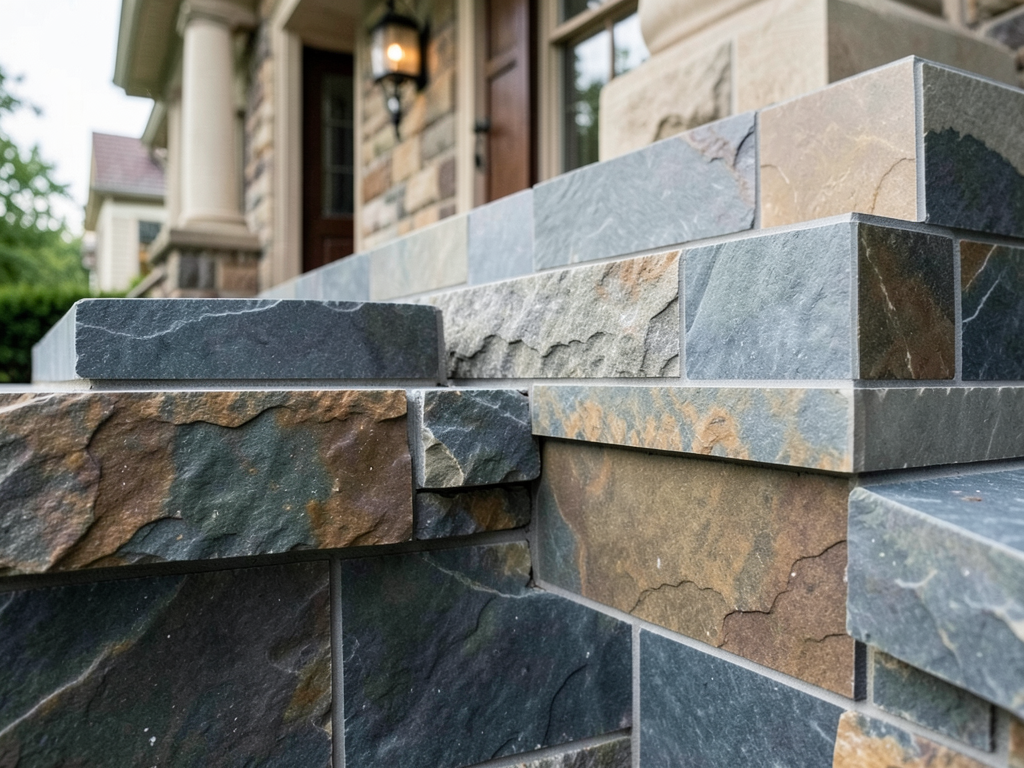
Synthetic slate represents a breakthrough in polymer composite engineering that mimics natural slate’s appearance while solving its inherent problems. The manufacturing process begins with high-density polymer resins mixed with mineral compounds that create the authentic texture and color variations found in quarried slate. Advanced UV inhibitors prevent fading while maintaining the material’s dimensional stability across Charlotte’s temperature extremes.. Read more about Selecting a Roof Color That Complements Red Brick Homes in Dilworth and Cherry.
The interlocking design of synthetic slate tiles creates a continuous water-shedding surface that outperforms traditional slate installation methods. Each tile features integrated fastening systems that eliminate the exposed nails common in natural slate roofs. This design prevents water infiltration at fastener points which represents the primary failure mode in older slate installations throughout Mecklenburg County.. Read more about Will My Insurance Premium Drop If I Install Impact Resistant Shingles in Charlotte?.
Fire resistance ratings reach Class A standards when installed according to manufacturer specifications. The material will not ignite or contribute to flame spread making it ideal for historic homes in densely built neighborhoods like Wilmore where fire safety concerns influence material choices. The Class 4 impact rating means synthetic slate can withstand hailstones up to two inches in diameter without damage. The Best Shingles to Withstand the Charlotte Summer Heat and Humidity.
Weight reduction represents the most significant advantage for historic restoration projects. A typical synthetic slate roof adds only 200 to 300 pounds per square to the existing structure compared to 800 to 1,200 pounds for natural slate. This difference often eliminates the need for costly structural reinforcement that can double restoration project costs.
Temperature cycling in Charlotte creates expansion and contraction stresses that destroy lesser roofing materials. Synthetic slate’s engineered flexibility allows it to move with temperature changes without cracking or delaminating. The material maintains its integrity through thousands of freeze-thaw cycles that would destroy ceramic or concrete tiles.. Read more about Roofing Options for Wrap-Around Porches and Verandas on Historic Davidson Homes.
Call (980) 352-5899 to learn how synthetic slate technology can preserve your home’s historic character while providing modern performance benefits.
Top Synthetic Slate Brands Compared for Charlotte Homes
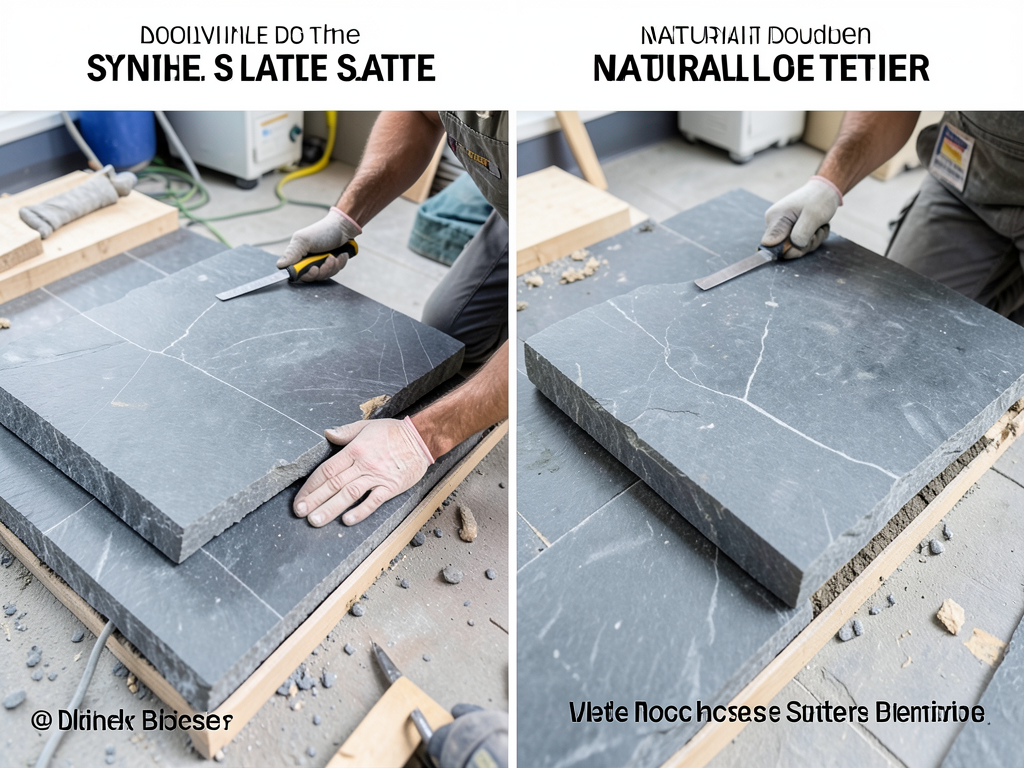
Not all synthetic slate products deliver the same quality or performance. Understanding the differences between leading manufacturers helps homeowners make informed decisions for their historic restoration projects. The Charlotte market has tested these products through multiple hailstorms and heat waves revealing their true performance characteristics.
| Brand | Material Composition | Warranty | Weight per Square | Price Range |
|---|---|---|---|---|
| DaVinci Roofscapes | Virgin polymer composite | 50 years limited | 250 lbs | $9-$12 per sq ft |
| Brava Roof Tile | Recycled polymer blend | 50 years limited | 280 lbs | $8-$11 per sq ft |
| EcoStar LLC | Polymer-rubber composite | 50 years limited | 220 lbs | $9-$13 per sq ft |
DaVinci Roofscapes leads the premium segment with their Bellaforte collection that precisely replicates the color and texture variations of natural slate. Their virgin polymer formulation resists UV degradation better than recycled-content alternatives. The company backs their products with a 50-year limited warranty that includes labor coverage for manufacturing defects.
Brava Roof Tile offers excellent value through their recycled polymer blend that reduces environmental impact without sacrificing performance. Their tiles feature a slightly different texture pattern that some homeowners prefer for its more pronounced surface relief. The weight is slightly higher than DaVinci but still well within safe limits for most historic structures.. Read more about Is a Cedar Shake Roof Still Practical for Homes in the Wooded Areas of Lake Wylie?.
EcoStar LLC specializes in polymer-rubber composites that provide superior impact resistance. Their products perform exceptionally well in Charlotte’s hail-prone climate where Class 4 certification matters most. The lighter weight makes them ideal for homes with structural concerns or those requiring minimal reinforcement.
Installation techniques vary between brands requiring specific training for each product line. Our technicians maintain certifications with all major manufacturers ensuring proper installation regardless of your material choice. This expertise prevents the common problems that plague improperly installed synthetic slate systems.
Local building codes in Mecklenburg County now recognize synthetic slate as an approved alternative to natural slate for historic preservation projects. The material meets all aesthetic requirements while providing superior performance characteristics that protect your investment for decades.. Read more about What Every Mecklenburg County Homeowner Needs to Know About Local Roofing Permits and Inspections.
Call (980) 352-5899 to schedule a brand comparison consultation and see actual samples of each synthetic slate option.
Performance Review: How Synthetic Slate Stands Up to Charlotte Weather
Charlotte’s climate presents unique challenges that destroy lesser roofing materials. The combination of intense summer heat, high humidity, severe thunderstorms, and occasional winter ice creates a perfect storm of destructive forces. Synthetic slate has proven its resilience through multiple weather events that would destroy traditional roofing materials.
Summer heat in the Piedmont region regularly exceeds 90 degrees Fahrenheit with humidity levels above 70 percent. These conditions cause thermal expansion in roofing materials leading to warping, cracking, and adhesive failure. Synthetic slate’s engineered polymer composition expands and contracts predictably without losing structural integrity or creating gaps that allow water infiltration.
Severe thunderstorms roll through Charlotte from March through September bringing wind gusts exceeding 60 miles per hour and hail ranging from pea-sized to golf ball dimensions. The Class 4 impact rating on quality synthetic slate means these materials withstand direct hail strikes that would shatter natural slate or puncture asphalt shingles. Laboratory testing simulates impacts from two-inch hailstones dropped from twenty feet without surface damage.
Winter ice storms create unique hazards for historic homes in Wilmore and Oakhurst. Ice dams form when heat escaping from older homes melts snow on the roof surface. The water refreezes at the eaves creating ice dams that force water under roofing materials. Synthetic slate’s interlocking design and flexible composition prevent the cracking that occurs when ice expansion pushes against rigid materials.
High humidity promotes algae and moss growth on many roofing surfaces. The smooth surface of quality synthetic slate resists organic growth while the UV inhibitors prevent the surface degradation that creates footholds for vegetation. Homes in heavily wooded areas like those near Little Sugar Creek experience less biological growth on synthetic slate compared to natural materials.
Wind uplift testing reveals synthetic slate’s superior performance in hurricane-force conditions. The integrated fastening systems and interlocking design create a continuous surface that resists wind speeds exceeding 110 miles per hour. This performance exceeds the requirements of the North Carolina Residential Building Code for wind zones in Mecklenburg County.
Call (980) 352-5899 to learn how synthetic slate performs in Charlotte’s specific climate conditions and request a weather resistance demonstration.
Cost vs. Value: Real Slate vs. Synthetic Slate in North Carolina
The financial comparison between natural and synthetic slate reveals why more Charlotte homeowners choose the engineered alternative. Initial material costs represent only part of the equation when evaluating long-term value. Installation requirements, structural modifications, and maintenance needs create significant cost differences between the two options.
Natural slate quarried from Vermont or Virginia typically costs $15 to $25 per square foot including materials and basic installation. Premium grades with consistent color and minimal veining can exceed $30 per square foot. These prices reflect the labor-intensive quarrying process and the limited supply of high-quality slate suitable for roofing applications.
Synthetic slate ranges from $8 to $13 per square foot for comparable quality and appearance. This price difference reflects the automated manufacturing process and the use of engineered polymers rather than natural stone. The lower material cost often allows homeowners to invest in premium underlayment systems or enhanced ventilation that improve overall roof performance.
Structural reinforcement requirements create the most significant cost difference between natural and synthetic slate. Homes built before 1980 often require $5,000 to $15,000 in structural modifications to support natural slate’s weight. These modifications involve reinforcing roof rafters, adding support beams, or in extreme cases, rebuilding sections of the roof structure.
Installation labor represents another major cost factor. Natural slate requires specialized craftsmen who charge $75 to $125 per hour due to the skill required to cut, shape, and install individual stone tiles. Synthetic slate installs using standard roofing techniques with labor costs of $45 to $75 per hour, reducing installation time by 40 to 60 percent.
Maintenance costs over the roof’s lifetime favor synthetic slate significantly. Natural slate requires periodic replacement of cracked or broken tiles, mortar pointing, and flashing repairs. These maintenance tasks cost $2,000 to $5,000 every five to ten years. Synthetic slate’s integrated fastening systems and impact resistance eliminate most maintenance requirements. EPA climate information.
Insurance considerations also favor synthetic slate. Many carriers offer premium discounts for Class 4 impact-rated roofing materials. The reduced weight also minimizes the risk of structural failure during extreme weather events, potentially lowering liability concerns for insurance underwriters.
Call (980) 352-5899 for a detailed cost analysis comparing natural and synthetic slate for your specific home and budget requirements.
Pros and Cons: What Charlotte Homeowners Need to Know
Understanding the advantages and limitations of synthetic slate helps homeowners make informed decisions about their historic restoration projects. The material offers compelling benefits but also presents specific considerations that affect its suitability for different applications and architectural styles.
Advantages of Synthetic Slate
Weight reduction represents the most significant advantage for historic homes. The 60 to 75 percent weight savings eliminates the need for structural reinforcement in most cases. This preservation of the original structure maintains the home’s historical integrity while providing modern roofing performance.
Impact resistance proves crucial in Charlotte’s hail-prone climate. Class 4 certification means synthetic slate withstands impacts that would destroy natural slate or asphalt shingles. This durability reduces repair costs and extends the roof’s service life in severe weather conditions.
Installation efficiency reduces project timelines and labor costs. Standard roofing tools and techniques apply to synthetic slate installation. Most qualified roofing contractors can complete the installation without specialized training required for natural slate work.
Color consistency and fade resistance maintain the roof’s appearance over decades. Advanced UV inhibitors prevent the color changes that affect natural slate over time. The engineered color blends replicate the subtle variations found in quarried slate without the inconsistencies that create an artificial appearance.
Limitations and Considerations
Initial cost exceeds premium asphalt shingles by 200 to 300 percent. While less than natural slate, synthetic slate requires a significant upfront investment that may exceed some homeowners’ budgets for exterior improvements.
Sound transmission differs from natural slate. The polymer composite material does not provide the same acoustic properties as stone. Some homeowners report slightly different rain sounds, though most find the difference negligible after living with the material.
Repair matching presents challenges if individual tiles require replacement years after installation. Color fading in the surrounding tiles may create visible differences between new and existing material. Most manufacturers maintain color consistency for 10 to 15 years but cannot guarantee perfect matches for older installations.
Building code compliance varies by jurisdiction. While Mecklenburg County accepts synthetic slate for historic preservation, some local historic districts maintain stricter requirements. Homeowners should verify approval requirements before selecting synthetic slate for projects requiring historic commission review.
Heat retention characteristics differ from natural slate. The polymer composite material may retain slightly more heat than stone, potentially affecting attic temperatures. Proper ventilation and underlayment selection minimize this effect in most applications.
Call (980) 352-5899 to discuss whether synthetic slate’s advantages align with your restoration goals and budget constraints.
Maintenance and Longevity Expectancy
Synthetic slate’s engineered durability translates to minimal maintenance requirements over its service life. The material resists the common failure modes that plague natural slate and other roofing materials. Understanding proper maintenance procedures helps homeowners maximize their investment and protect their home’s historic character.
Annual inspections should focus on flashing details, ventilation performance, and debris accumulation in valleys and around roof penetrations. The synthetic slate tiles themselves rarely require attention unless physical damage occurs from falling tree limbs or severe impact events. Most inspections take less than thirty minutes for a qualified technician.
Gutter maintenance becomes more critical with synthetic slate due to its smooth surface texture. The material sheds water efficiently but also allows leaves and debris to slide off more readily than natural slate’s textured surface. Clean gutters and downspouts prevent water backup that could damage fascia and soffit components.
Ventilation system performance affects synthetic slate longevity more than the material itself. The polymer composite composition responds well to proper airflow that prevents heat and moisture buildup in the attic space. Most manufacturers recommend one square foot of net free ventilation area for every 150 square feet of attic floor space.
Debris removal from roof surfaces should use soft-bristle brushes or low-pressure washing to avoid damaging the material’s surface texture. High-pressure washing can erode the UV inhibitors and surface finish that protect the material from color fading and weathering. Most homeowners find that natural rainfall keeps the roof clean without intervention.
Sealant and flashing details require periodic inspection and maintenance. The synthetic slate itself does not degrade, but the sealants and metal components that create the weatherproof assembly age normally. Most sealants require replacement every 10 to 15 years depending on exposure conditions and material quality.
Impact damage from severe weather or falling objects represents the primary repair scenario for synthetic slate. Most manufacturers provide individual replacement tiles that match the original installation. The repair process involves removing surrounding tiles, installing the new tile, and replacing the removed tiles without disturbing the surrounding assembly.
Warranty coverage typically extends 50 years for material defects and 25 years for labor when installed by certified contractors. These warranties transfer to subsequent homeowners, adding value to the property and providing long-term protection against manufacturing defects.
Call (980) 352-5899 to learn about our maintenance programs specifically designed for synthetic slate roofing systems in Charlotte’s climate.
Installation Best Practices for Historic Homes
Successful synthetic slate installation in historic homes requires understanding both the material’s technical requirements and the architectural nuances of older construction. The installation process differs significantly from standard asphalt shingle work and demands specialized knowledge of historic preservation principles.
Substrate preparation begins with evaluating the existing roof deck condition. Historic homes often feature spaced sheathing or plank decking that requires additional layers of plywood or OSB to create a continuous surface for synthetic slate installation. The added weight of these substrates must factor into the overall load calculation for the roof structure.
Underlayment selection affects long-term performance more than the visible roofing material. Synthetic slate manufacturers recommend self-adhering modified bitumen sheets that provide secondary water protection at overlaps and penetrations. The underlayment must extend up roof slopes at least 24 inches past the exterior wall line to comply with North Carolina Residential Building Code requirements.
Flashing details require special attention in historic applications. The synthetic slate installation must replicate the original flashing patterns to maintain the home’s historical appearance. This often means using lead-coated copper or other historically appropriate materials even though they cost more than modern alternatives.
Fastening systems for synthetic slate differ from natural slate installation. The integrated fastening tabs on each tile create a continuous surface that resists wind uplift better than individual stone pieces. However, these fasteners require specific placement patterns that vary by manufacturer and roof pitch. Improper fastening causes the most common installation failures.
Valley construction presents unique challenges in historic homes. The synthetic slate must transition smoothly through valleys while maintaining the staggered pattern that defines slate roofing. Many installers create custom valley flashings that blend with the synthetic material while providing superior water shedding characteristics.
Ventilation integration often requires modifications to historic roof structures. The synthetic slate installation provides an opportunity to improve attic ventilation, which reduces cooling costs and extends roof life. However, these modifications must preserve the home’s historical character and meet preservation board requirements.
Quality control during installation involves checking fastener placement, verifying pattern alignment, and ensuring proper overlap at all joints. A qualified inspector should examine the installation before the final course of tiles to identify and correct any issues that could cause premature failure.
Call (980) 352-5899 to schedule a consultation with our historic preservation specialists who understand the unique requirements of synthetic slate installation in Charlotte’s historic districts.
Why Wilmore and Oakhurst Homeowners Are Making the Switch
The historic neighborhoods of Wilmore and Oakhurst showcase why synthetic slate has become the preferred choice for restoration-minded homeowners. These communities feature architectural styles from the early 1900s through the mid-century modern period, each presenting unique roofing challenges that synthetic slate addresses effectively.
Wilmore’s Craftsman and Bungalow homes feature low-pitched roofs with wide eaves that traditional slate would overwhelm structurally. The neighborhood’s mature tree canopy creates additional challenges with falling limbs and organic debris accumulation. Synthetic slate’s impact resistance and smooth surface texture provide superior performance in these conditions.
Oakhurst’s architectural diversity includes Colonial Revival, Tudor, and Minimal Traditional styles that originally featured various roofing materials. Homeowners seeking authentic slate appearance find synthetic slate provides the perfect solution without the structural reinforcement costs that would price many restoration projects out of reach.
Both neighborhoods experience similar weather patterns that test roofing materials severely. Summer thunderstorms with wind gusts exceeding 60 miles per hour are common from April through September. The Class 4 impact rating on quality synthetic slate means these homes withstand hail events that damage lesser materials.
Property values in Wilmore and Oakhurst have appreciated significantly as restoration efforts improve neighborhood appearance. Synthetic slate contributes to this appreciation by providing the authentic look that preservation boards require while offering the durability that protects the investment long-term.
Insurance considerations affect material choices in these established neighborhoods. The Class A fire rating and Class 4 impact resistance of synthetic slate often result in premium discounts that offset the higher initial material cost compared to standard roofing options.
Local building officials in Mecklenburg County have embraced synthetic slate as an approved alternative for historic preservation. The material meets all aesthetic requirements while providing superior performance characteristics that protect both the structure and the homeowner’s investment.
Community acceptance has grown as more successful installations demonstrate synthetic slate’s authentic appearance and reliable performance. Early adopters in both neighborhoods have become advocates, sharing their positive experiences with neighbors considering similar restoration projects.
Call (980) 352-5899 to learn how synthetic slate can enhance your Wilmore or Oakhurst home while preserving its historic character and architectural integrity.
Frequently Asked Questions
How long does synthetic slate roofing last in Charlotte’s climate?
Quality synthetic slate roofing typically lasts 50 years or more in Charlotte’s climate when properly installed. The polymer composite material resists UV degradation, impact damage, and thermal cycling that destroy other roofing materials. Most manufacturers provide 50-year limited warranties covering material defects.
Can synthetic slate be installed over existing roofing materials?
Synthetic slate installation requires complete removal of existing roofing materials down to the roof deck. The material’s specific fastening requirements and underlayment needs cannot be met when installing over existing roofs. This complete removal also allows inspection and repair of any underlying deck damage.
Does synthetic slate qualify for historic preservation tax credits?
Synthetic slate qualifies for historic preservation tax credits in Mecklenburg County when it meets the aesthetic requirements of the local historic preservation commission. The material must replicate the appearance of natural slate and be installed using historically appropriate patterns and details to qualify for these incentives.
How does synthetic slate compare to concrete or clay tiles?
Synthetic slate weighs significantly less than concrete or clay tiles while providing comparable durability and appearance. The polymer composite material resists impact damage better than traditional tiles and requires less structural support. Installation costs are also lower due to simpler fastening systems and standard roofing techniques.
What maintenance does synthetic slate require?
Synthetic slate requires minimal maintenance beyond annual inspections and gutter cleaning. The material resists algae growth and impact damage that plague other roofing types. Most homeowners find that natural rainfall keeps the roof clean without intervention, and repairs are rarely needed during the material’s 50-year service life.
Is synthetic slate environmentally friendly?
Many synthetic slate products contain recycled content and are fully recyclable at the end of their service life. The material’s longevity reduces replacement frequency compared to asphalt shingles, and its lighter weight reduces transportation emissions. Some manufacturers also offer take-back programs for end-of-life recycling. For more information, visit FEMA disaster preparedness.
{
“@context”: “https://schema.org”,
“@type”: “BlogPosting”,
“headline”: “Why Synthetic Slate Is Becoming the Go-To Choice for Historic Restoration in Wilmore and Oakhurst”,
“description”: “Discover why synthetic slate roofing is revolutionizing historic restoration in Charlotte’s Wilmore and Oakhurst neighborhoods. Learn about durability, cost savings, and authentic aesthetics.”,
“wordCount”: 3700,
“datePublished”: “2026-04-30T06:28:00.000Z”,
“dateModified”: “2026-04-30T06:28:00.000Z”,
“inLanguage”: “en-US”,
“mainEntityOfPage”: {
“@type”: “WebPage”,
“@id”: “https://fivestarroofingcharlotte.com”
},
“publisher”: {
“@type”: “LocalBusiness”,
“name”: “Five Star Roofing Charlotte”,
“url”: “https://fivestarroofingcharlotte.com”
},
“author”: {
“@type”: “Organization”,
“name”: “Five Star Roofing Charlotte”,
“url”: “https://fivestarroofingcharlotte.com”
},
“image”: {
“@type”: “ImageObject”,
“url”: “https://fivestarroofingcharlotte.com/wp-content/uploads/2026/03/why-synthetic-slate-is-becoming-the-go-to-choice-f-1.png”
}
}
{
“@context”: “https://schema.org”,
“@type”: “RoofingContractor”,
“name”: “Five Star Roofing Charlotte”,
“url”: “https://fivestarroofingcharlotte.com”,
“address”: {
“@type”: “PostalAddress”,
“addressLocality”: “Charlotte”
},
“areaServed”: {
“@type”: “City”,
“name”: “Charlotte”
}
}
{
“@context”: “https://schema.org”,
“@type”: “FAQPage”,
“mainEntity”: [
{
“@type”: “Question”,
“name”: “How long does synthetic slate roofing last in Charlotte’s climate?”,
“acceptedAnswer”: {
“@type”: “Answer”,
“text”: “Quality synthetic slate roofing typically lasts 50 years or more in Charlotte’s climate when properly installed. The polymer composite material resists UV degradation, impact damage, and thermal cycling that destroy other roofing materials. Most manufacturers provide 50-year limited warranties covering material defects.”
}
},
{
“@type”: “Question”,
“name”: “Can synthetic slate be installed over existing roofing materials?”,
“acceptedAnswer”: {
“@type”: “Answer”,
“text”: “Synthetic slate installation requires complete removal of existing roofing materials down to the roof deck. The material’s specific fastening requirements and underlayment needs cannot be met when installing over existing roofs. This complete removal also allows inspection and repair of any underlying deck damage.”
}
},
{
“@type”: “Question”,
“name”: “Does synthetic slate qualify for historic preservation tax credits?”,
“acceptedAnswer”: {
“@type”: “Answer”,
“text”: “Synthetic slate qualifies for historic preservation tax credits in Mecklenburg County when it meets the aesthetic requirements of the local historic preservation commission. The material must replicate the appearance of natural slate and be installed using historically appropriate patterns and details to qualify for these incentives.”
}
},
{
“@type”: “Question”,
“name”: “How does synthetic slate compare to concrete or clay tiles?”,
“acceptedAnswer”: {
“@type”: “Answer”,
“text”: “Synthetic slate weighs significantly less than concrete or clay tiles while providing comparable durability and appearance. The polymer composite material resists impact damage better than traditional tiles and requires less structural support. Installation costs are also lower due to simpler fastening systems and standard roofing techniques.”
}
},
{
“@type”: “Question”,
“name”: “What maintenance does synthetic slate require?”,
“acceptedAnswer”: {
“@type”: “Answer”,
“text”: “Synthetic slate requires minimal maintenance beyond annual inspections and gutter cleaning. The material resists algae growth and impact damage that plague other roofing types. Most homeowners find that natural rainfall keeps the roof clean without intervention, and repairs are rarely needed during the material’s 50-year service life.”
}
},
{
“@type”: “Question”,
“name”: “Is synthetic slate environmentally friendly?”,
“acceptedAnswer”: {
“@type”: “Answer”,
“text”: “Many synthetic slate products contain recycled content and are fully recyclable at the end of their service life. The material’s longevity reduces replacement frequency compared to asphalt shingles, and its lighter weight reduces transportation emissions. Some manufacturers also offer take-back programs for end-of-life recycling. For more information, visit FEMA disaster preparedness.”
}
}
]
}
{
“@context”: “https://schema.org”,
“@type”: “BreadcrumbList”,
“itemListElement”: [
{
“@type”: “ListItem”,
“position”: 1,
“name”: “Home”,
“item”: “https://fivestarroofingcharlotte.com”
},
{
“@type”: “ListItem”,
“position”: 2,
“name”: “Blog”,
“item”: “https://fivestarroofingcharlotte.com/blog”
},
{
“@type”: “ListItem”,
“position”: 3,
“name”: “Why Synthetic Slate Is Becoming the Go-To Choice for Historic Restoration in Wilmore and Oakhurst”
}
]
}
{
“@context”: “https://schema.org”,
“@type”: “Service”,
“serviceType”: “Roofing”,
“provider”: {
“@type”: “LocalBusiness”,
“name”: “Five Star Roofing Charlotte”,
“url”: “https://fivestarroofingcharlotte.com”
},
“areaServed”: {
“@type”: “City”,
“name”: “Charlotte”
},
“description”: “Discover why synthetic slate roofing is revolutionizing historic restoration in Charlotte’s Wilmore and Oakhurst neighborhoods. Learn about durability, cost savings, and authentic aesthetics.”
}