
Why Synthetic Underlayment Is a Better Choice for Charlotte Weather Than Traditional Felt
Charlotte homeowners face unique roofing challenges with our hot, humid summers and sudden afternoon thunderstorms. When it comes to protecting your home, the underlayment beneath your shingles plays a critical role. Synthetic underlayment offers superior performance in our climate compared to traditional felt, providing better moisture resistance, UV stability, and tear strength that directly addresses the specific weather patterns we experience in the Piedmont region. Why More Huntersville Homeowners Are Switching to Standing Seam Metal Roofs.
Understanding Roofing Underlayment: Your Roof’s Hidden Defense System
Roofing underlayment serves as the secondary barrier between your roof deck and the shingles above. In Charlotte’s climate, where summer temperatures regularly exceed 90°F and humidity stays above 70%, this layer becomes crucial for preventing moisture intrusion and protecting your home’s structure. Traditional felt underlayment, typically made from asphalt-saturated paper, has been the standard for decades. However, synthetic alternatives made from polypropylene or polyethylene have emerged as superior options for our specific weather conditions. Asphalt Roofing Manufacturers Association.
Synthetic vs. Felt Underlayment: At-a-Glance Comparison
| Feature | Traditional Felt (15lb) | Synthetic Underlayment |
|---|---|---|
| Material | Asphalt-saturated paper | Polypropylene/Polyethylene |
| Weight per sq | 15-30 lbs | 3-5 lbs |
| UV Exposure Limit | 2-4 weeks | 6 months or more |
| Tear Strength | Low (tears easily when wet) | High (remains stable when wet) |
| Cost per sq | $10-15 | $25-35 |
| Perm Rating | 5-10 perms (breathable) | 20+ perms (highly breathable) |
The Traditional Choice: Asphalt Felt Underlayment
Asphalt felt underlayment has protected Charlotte homes for generations. The 15-pound felt weighs about 15 pounds per roofing square and consists of organic mat paper saturated with asphalt. Thirty-pound felt offers more durability but comes at a higher weight and cost. These materials work by allowing some moisture vapor transmission while blocking liquid water. Getting Your Charlotte Roof Repaired After a Hail Storm — A Local Guide to Insurance Claims.
The main advantage of felt is its lower initial cost. For a typical 2,500-square-foot home in Charlotte, felt underlayment costs approximately $300-400 less than synthetic alternatives. Felt also provides good breathability, allowing moisture from your attic to escape through the roof system.
However, felt has significant limitations in our climate. When exposed to Charlotte’s summer heat, felt can dry out and become brittle. During our frequent afternoon thunderstorms, wet felt loses much of its tear strength, making it vulnerable to damage during installation or if shingles are delayed. The material also absorbs water, which can lead to wrinkling and create uneven surfaces for shingle installation. The Best Shingles to Withstand the Charlotte Summer Heat and Humidity.
The Modern Standard: Synthetic Underlayment Technology
Synthetic underlayment represents a technological leap forward in roofing protection. These materials use woven or spun polypropylene or polyethylene fibers to create a durable, moisture-resistant barrier. The manufacturing process creates a consistent thickness and eliminates the organic components that can break down in our humid climate. Built-Up Roofing.
The key advantage of synthetic underlayment in Charlotte is its exceptional tear resistance. Even when wet from our summer thunderstorms, synthetic materials maintain their structural integrity. This means your roof remains protected if installation is delayed or if shingles are damaged by wind. The material also resists UV degradation, allowing it to remain exposed for months without breaking down.. Read more about Why the Valleys of Your Roof Are Most Likely to Leak (And How to Protect Them).
Synthetic underlayment typically weighs 60-80% less than felt, making it easier for roofing crews to handle and reducing the load on your roof structure. The material’s consistent thickness also creates a smoother surface for shingle installation, potentially improving the overall appearance and performance of your roof.
Charlotte’s Climate Impact: Why Material Choice Matters
Charlotte’s climate creates specific challenges that make synthetic underlayment the superior choice. Our summer temperatures regularly exceed 90°F, with heat indexes above 100°F. Traditional felt underlayment can reach temperatures over 150°F on these days, causing the asphalt to soften and the paper to become brittle. This thermal stress leads to cracking and reduced water resistance.
Our high humidity levels, often exceeding 70% in summer, create constant moisture exposure. While felt can absorb this moisture, synthetic materials repel it, maintaining their protective properties. During Charlotte’s frequent afternoon thunderstorms, synthetic underlayment continues to protect your home even when completely saturated, while wet felt becomes fragile and prone to tearing.
The North Carolina Residential Code recognizes these climate challenges. Section R903.2.3 requires underlayment to provide continuous protection from water infiltration. In our climate, synthetic materials more consistently meet this requirement due to their superior moisture resistance and durability.
Cost Analysis: Investment vs. Long-Term Protection
For a typical Charlotte home with a 2,500-square-foot roof, the underlayment cost difference between felt and synthetic materials is approximately $400-500. While synthetic costs more upfront, several factors make it the better investment for our climate.
First, synthetic underlayment’s durability reduces the risk of water damage during the vulnerable period between tear-off and re-shingling. In Charlotte’s unpredictable weather, this protection is invaluable. Second, the material’s lighter weight may reduce structural loading on your roof, particularly important for older homes common in neighborhoods like Dilworth and Elizabeth.
Third, synthetic underlayment’s longer exposure rating means your roof remains protected if installation faces weather delays common during our summer thunderstorm season. Finally, many synthetic products come with enhanced warranties when installed according to manufacturer specifications, providing additional peace of mind.
Installation Considerations for Charlotte Homes
Proper installation becomes even more critical given Charlotte’s weather patterns. Synthetic underlayment requires specific fastening patterns to account for thermal expansion and contraction. Most manufacturers recommend plastic cap nails or roofing staples rather than traditional roofing nails, as these provide better holding power in high winds common during our summer storms.
The installation process also affects your roof’s overall performance. Synthetic materials install more quickly due to their lighter weight and roll size, potentially reducing labor costs and exposure time. The material’s consistent thickness also creates a more uniform surface for shingle installation, which can improve both appearance and wind resistance.
For homes in Charlotte’s historic districts or with complex roof designs, synthetic underlayment’s flexibility and durability make it easier to navigate around chimneys, dormers, and other architectural features common in neighborhoods like Myers Park and Plaza Midwood. Chimney Leak Emergency Repair.
Energy Efficiency and Environmental Impact
Synthetic underlayment can contribute to better energy efficiency in Charlotte homes. The material’s consistent thickness and smooth surface reduce thermal bridging, potentially lowering cooling costs during our hot summers. Some synthetic products also feature reflective coatings that can reduce heat absorption, though this benefit is secondary to the primary waterproofing function.
From an environmental perspective, synthetic underlayment typically lasts longer than felt, reducing replacement frequency and waste. Many synthetic products are also recyclable at the end of their service life, while traditional felt often ends up in landfills due to contamination with asphalt and other materials.
The production process for synthetic underlayment generally requires less energy than manufacturing asphalt felt, as it doesn’t involve petroleum refining and asphalt saturation. This reduced carbon footprint becomes more significant when considering the material’s longer service life in our climate.
Making the Right Choice for Your Charlotte Home
The decision between synthetic and felt underlayment ultimately depends on your specific situation, but for most Charlotte homeowners, synthetic offers clear advantages. If your home is in a neighborhood prone to afternoon thunderstorms, like South End or Ballantyne, synthetic’s superior moisture resistance provides crucial protection.
For homes with complex roof designs or those in historic districts where installation quality is paramount, synthetic’s consistent thickness and durability make it the better choice. If you’re planning to stay in your home for more than five years, the additional upfront cost of synthetic underlayment typically pays for itself through improved protection and potentially lower energy costs.
However, if budget constraints are severe and your roof has a simple design in an area with minimal weather exposure, traditional felt might suffice. The key is understanding that in Charlotte’s climate, the cheapest option isn’t always the most cost-effective over the long term.
Frequently Asked Questions
Can I use synthetic underlayment with any type of roofing material?
Yes, synthetic underlayment works with asphalt shingles, metal roofing, tile, and most other roofing materials. However, always check the manufacturer’s specifications, as some specialty roofing systems may have specific underlayment requirements.
How long can synthetic underlayment be exposed to weather before installing shingles?
Most quality synthetic underlayment products can be exposed for 3-6 months, though this varies by manufacturer and product line. This extended exposure time is particularly valuable in Charlotte, where summer thunderstorms can delay roofing projects.
Is synthetic underlayment waterproof or just water-resistant?
Synthetic underlayment is highly water-resistant but not completely waterproof. It’s designed to shed water and prevent infiltration while allowing some vapor transmission. For areas requiring true waterproofing, such as valleys or around penetrations, additional ice and water shield products are recommended.
Does synthetic underlayment affect my roof’s wind rating?
The underlayment itself doesn’t directly affect wind ratings, but it does provide crucial secondary protection if shingles are damaged or blown off during high winds. This is particularly important in Charlotte, where summer thunderstorms can produce damaging winds.
Can I install synthetic underlayment myself to save money?
While DIY installation is possible, professional installation ensures proper fastening patterns, overlaps, and integration with other roofing components. Given the critical role underlayment plays in protecting your home, professional installation is strongly recommended, especially considering Charlotte’s challenging weather conditions.
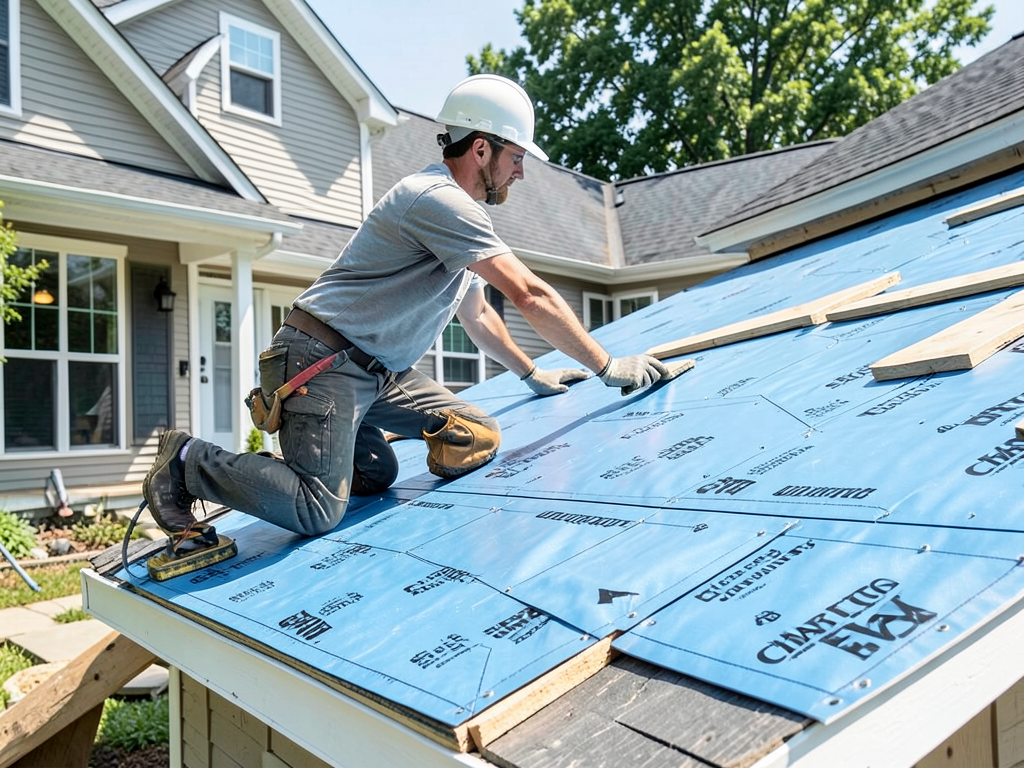
Diagram comparing tear strength of wet felt vs. synthetic underlayment during Charlotte summer thunderstorm conditions, showing synthetic maintaining 90% of dry strength while felt drops to 30%.
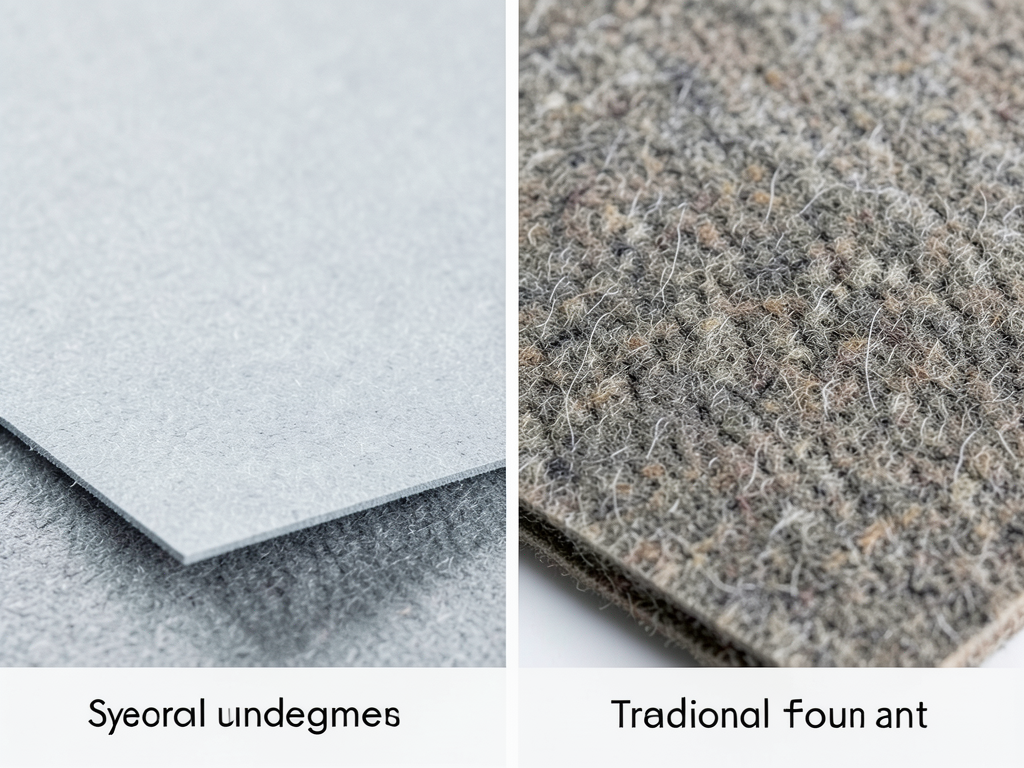
Close-up comparison of synthetic underlayment surface texture versus traditional felt, highlighting synthetic’s consistent thickness and smooth finish that improves shingle installation quality.
Thermographic comparison showing heat buildup on traditional felt vs. synthetic underlayment during Charlotte summer heat, demonstrating synthetic’s superior UV stability and temperature management.
Protect Your Charlotte Home with the Right Underlayment Choice
The underlayment beneath your shingles is your home’s last line of defense against Charlotte’s challenging weather. While traditional felt has served homeowners for decades, synthetic underlayment offers superior performance in our specific climate conditions. The material’s exceptional tear strength, moisture resistance, and UV stability directly address the challenges posed by our hot, humid summers and frequent afternoon thunderstorms.
For most Charlotte homeowners, the additional upfront cost of synthetic underlayment is offset by improved protection, potentially lower energy costs, and peace of mind knowing your home has the best possible defense against our weather. When combined with quality shingles and proper installation, synthetic underlayment helps ensure your roof performs optimally for years to come.
Don’t wait until the next Charlotte thunderstorm to discover your underlayment can’t handle our climate. Call (980) 352-5899 today to schedule a professional roof inspection and learn more about how synthetic underlayment can better protect your home. Our experienced team understands Charlotte’s unique weather challenges and can recommend the best materials for your specific situation.
Pick up the phone and call (980) 352-5899 before the next storm hits. Your home deserves the superior protection that synthetic underlayment provides in Charlotte’s demanding climate. For more information, visit National Roofing Contractors Association.
{
“@context”: “https://schema.org”,
“@type”: “BlogPosting”,
“headline”: “Why Synthetic Underlayment Is a Better Choice for Charlotte Weather Than Traditional Felt”,
“description”: “Learn why synthetic underlayment outperforms felt in Charlotte’s humid climate. Discover the technical advantages for your roof’s durability and your home’s protection.”,
“wordCount”: 1837,
“datePublished”: “2026-05-06T11:04:00.000Z”,
“dateModified”: “2026-05-06T11:04:00.000Z”,
“inLanguage”: “en-US”,
“mainEntityOfPage”: {
“@type”: “WebPage”,
“@id”: “https://fivestarroofingcharlotte.com”
},
“publisher”: {
“@type”: “LocalBusiness”,
“name”: “Five Star Roofing Charlotte”,
“url”: “https://fivestarroofingcharlotte.com”
},
“author”: {
“@type”: “Organization”,
“name”: “Five Star Roofing Charlotte”,
“url”: “https://fivestarroofingcharlotte.com”
},
“image”: {
“@type”: “ImageObject”,
“url”: “https://fivestarroofingcharlotte.com/wp-content/uploads/2026/03/why-synthetic-underlayment-is-a-better-choice-for-1.png”
}
}
{
“@context”: “https://schema.org”,
“@type”: “RoofingContractor”,
“name”: “Five Star Roofing Charlotte”,
“url”: “https://fivestarroofingcharlotte.com”,
“address”: {
“@type”: “PostalAddress”,
“addressLocality”: “Charlotte”
},
“areaServed”: {
“@type”: “City”,
“name”: “Charlotte”
}
}
{
“@context”: “https://schema.org”,
“@type”: “FAQPage”,
“mainEntity”: [
{
“@type”: “Question”,
“name”: “Can I use synthetic underlayment with any type of roofing material?”,
“acceptedAnswer”: {
“@type”: “Answer”,
“text”: “Yes, synthetic underlayment works with asphalt shingles, metal roofing, tile, and most other roofing materials. However, always check the manufacturer’s specifications, as some specialty roofing systems may have specific underlayment requirements.”
}
},
{
“@type”: “Question”,
“name”: “How long can synthetic underlayment be exposed to weather before installing shingles?”,
“acceptedAnswer”: {
“@type”: “Answer”,
“text”: “Most quality synthetic underlayment products can be exposed for 3-6 months, though this varies by manufacturer and product line. This extended exposure time is particularly valuable in Charlotte, where summer thunderstorms can delay roofing projects.”
}
},
{
“@type”: “Question”,
“name”: “Is synthetic underlayment waterproof or just water-resistant?”,
“acceptedAnswer”: {
“@type”: “Answer”,
“text”: “Synthetic underlayment is highly water-resistant but not completely waterproof. It’s designed to shed water and prevent infiltration while allowing some vapor transmission. For areas requiring true waterproofing, such as valleys or around penetrations, additional ice and water shield products are recommended.”
}
},
{
“@type”: “Question”,
“name”: “Does synthetic underlayment affect my roof’s wind rating?”,
“acceptedAnswer”: {
“@type”: “Answer”,
“text”: “The underlayment itself doesn’t directly affect wind ratings, but it does provide crucial secondary protection if shingles are damaged or blown off during high winds. This is particularly important in Charlotte, where summer thunderstorms can produce damaging winds.”
}
},
{
“@type”: “Question”,
“name”: “Can I install synthetic underlayment myself to save money?”,
“acceptedAnswer”: {
“@type”: “Answer”,
“text”: “While DIY installation is possible, professional installation ensures proper fastening patterns, overlaps, and integration with other roofing components. Given the critical role underlayment plays in protecting your home, professional installation is strongly recommended, especially considering Charlotte’s challenging weather conditions.”
}
}
]
}
{
“@context”: “https://schema.org”,
“@type”: “BreadcrumbList”,
“itemListElement”: [
{
“@type”: “ListItem”,
“position”: 1,
“name”: “Home”,
“item”: “https://fivestarroofingcharlotte.com”
},
{
“@type”: “ListItem”,
“position”: 2,
“name”: “Blog”,
“item”: “https://fivestarroofingcharlotte.com/blog”
},
{
“@type”: “ListItem”,
“position”: 3,
“name”: “Why Synthetic Underlayment Is a Better Choice for Charlotte Weather Than Traditional Felt”
}
]
}
{
“@context”: “https://schema.org”,
“@type”: “Service”,
“serviceType”: “Roofing”,
“provider”: {
“@type”: “LocalBusiness”,
“name”: “Five Star Roofing Charlotte”,
“url”: “https://fivestarroofingcharlotte.com”
},
“areaServed”: {
“@type”: “City”,
“name”: “Charlotte”
},
“description”: “Learn why synthetic underlayment outperforms felt in Charlotte’s humid climate. Discover the technical advantages for your roof’s durability and your home’s protection.”
}