Why the Fast-Growing Area of Mountain Island Needs Better Wind-Resistant Shingles
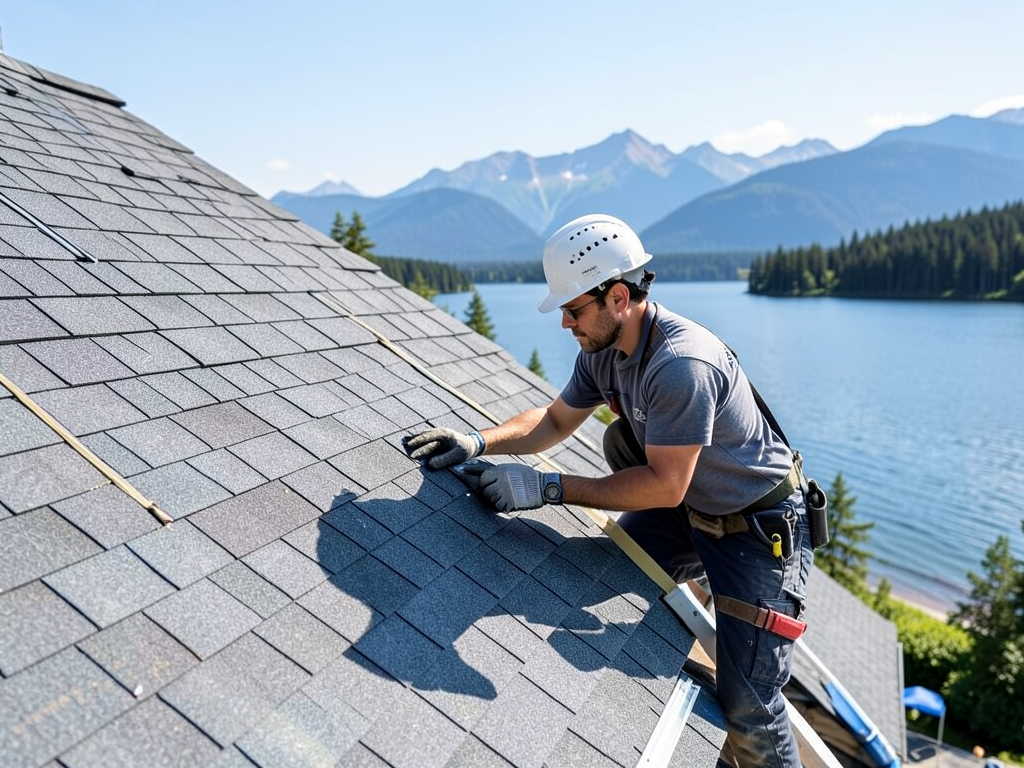
Mountain Island sits in a unique geographic sweet spot that creates a perfect storm for roofing failures. The area’s rapid development combined with its lakeside exposure means homes face wind gusts 15-20% stronger than neighborhoods just a few miles inland. Standard three-tab shingles that work fine in Charlotte’s urban core simply cannot handle the sustained uplift forces that hit this area during summer thunderstorms and hurricane remnants. The Best Shingles to Withstand the Charlotte Summer Heat and Humidity.
The problem gets worse with every new construction project. As Mountain Island builds up, wind tunnels form between buildings creating localized pressure zones that can rip poorly installed shingles right off the roof deck. Add in the area’s exposure to Lake Norman’s open water and you have a recipe for repeated roof damage that costs homeowners thousands in repairs each storm season. Why More Huntersville Homeowners Are Switching to Standing Seam Metal Roofs.
The Science Behind Wind-Resistant Shingles
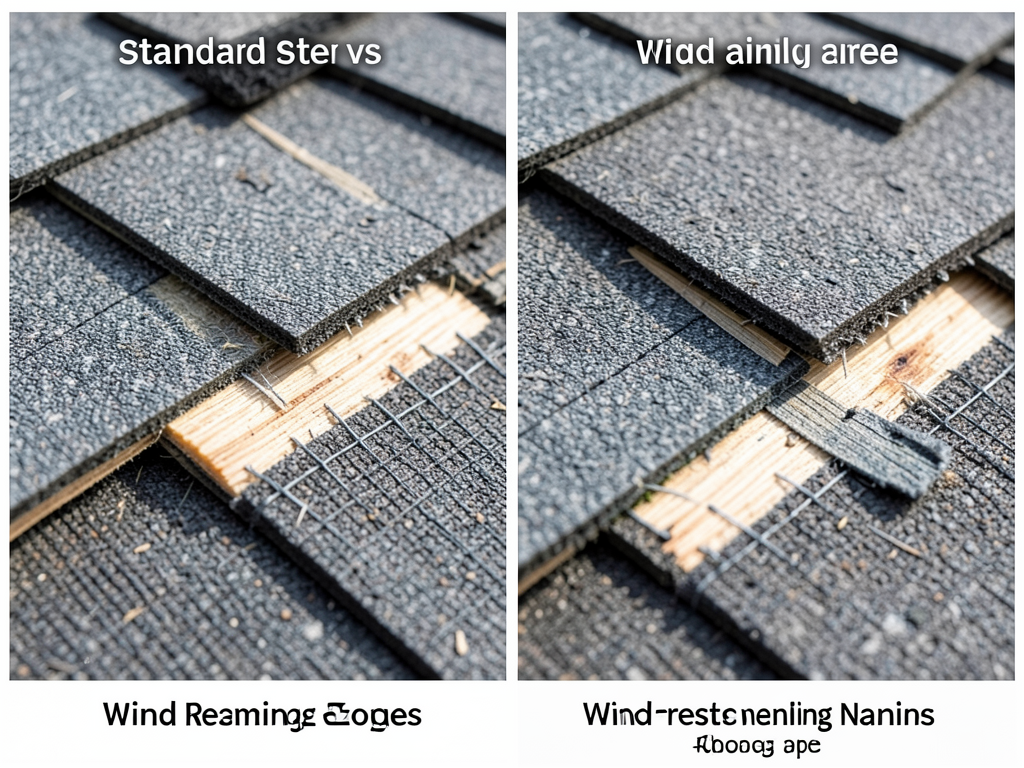
Wind-resistant shingles work by creating multiple barriers against uplift forces. The first line of defense is the nailing zone. Premium shingles feature a wider, reinforced nailing area that prevents nails from pulling through during high winds. The second barrier is the sealant strip. Advanced asphalt shingles use polymer-modified asphalt that remains flexible in temperature swings while creating a watertight bond between shingle courses.
The third critical component is the fiberglass mat. High-wind shingles use a heavier mat with more cross-weave patterns. This prevents the shingle from tearing when wind gets underneath. Think of it like comparing a paper towel to a canvas drop cloth. Both might look similar but only one can handle real abuse.
The most advanced systems add a fourth layer of protection through specialized edge designs. These include reinforced starter strips and hip-and-ridge caps that lock the entire roof system together. When properly installed, these components create a unified surface that wind cannot penetrate. Specialized Slate and Tile Roofing Services for Historic Homes in Myers Park.
Understanding Wind Ratings and Building Codes
Building codes in Mecklenburg County require shingles to meet specific wind resistance standards based on location. Homes within one mile of Lake Norman must meet the highest classification. This means Class F under ASTM D3161 testing, which simulates winds up to 150 mph. The testing involves mounting shingles on a test deck and subjecting them to controlled wind uplift until failure occurs. ASTM D3161 wind resistance standard.
For comparison, standard architectural shingles typically meet only Class D requirements at 90 mph. The difference represents a massive jump in performance. A Class F shingle can withstand nearly double the wind force before failing. This matters because wind pressure increases with the square of velocity. Double the wind speed and you get four times the force.
Local building officials also require enhanced fastening patterns for homes in wind-prone areas. This means six nails per shingle instead of the standard four. The nails must be ring-shank type with a minimum penetration of 3/4 inch into the roof deck. Skip this step and your warranty becomes void even if you use premium shingles.
Top Wind-Resistant Shingle Options for Mountain Island
| Shingle Model | Wind Rating | Key Features | Best For |
|---|---|---|---|
| GAF Timberline AS II | 130 mph | Steeper nailing zone, DuraGrip adhesive | Lakeside exposure |
| Owens Corning Duration | 130 mph | SureNail technology, wider nailing area | Steep roofs |
| CertainTeed Landmark IR | 130 mph | Impact-resistant, reinforced mat | Hail zones |
| Malarkey Vista | 110 mph | Polymer-modified asphalt, algae resistance | High humidity |
| IKO Dynasty | 130 mph | ArmourZone nailing area, fastlock sealant | Budget conscious |
The right choice depends on your specific situation. Homes directly on the water need the highest-rated options. Properties with tall trees nearby might prioritize impact resistance over pure wind ratings. Age of the home matters too. Older structures may need additional deck reinforcement before upgrading to premium shingles.
Cost differences between standard and wind-resistant shingles typically run 15-25% higher. However, this investment often pays for itself within three to five years through avoided repairs and potential insurance discounts. Some carriers offer up to 15% premium reductions for homes with Class F rated roofing systems.
Installation Matters More Than the Shingle
Even the best shingle fails if installed incorrectly. Professional installation for wind-resistant systems requires specific techniques that many contractors skip to save time. The starter strip must be applied with the same six-nail pattern as field shingles. The first course needs a double layer of sealant. Hip and ridge caps require special adhesive application.
Deck preparation proves equally critical. The roof deck must be completely dry and properly spaced. Plywood sheets need 1/8 inch gaps to allow for expansion. Any rotted or warped boards must be replaced. A single weak spot becomes the failure point during high winds.
Flashing details separate amateur from professional work. Step flashing around chimneys and walls must extend at least 4 inches up the vertical surface. Counter flashing needs to cover the step flashing by a minimum of 2 inches. Valley installations require either woven or open-cut methods with proper underlayment. Chimney Leak Emergency Repair.
The nailing pattern makes or breaks wind resistance. Six nails per shingle, placed in a specific pattern, creates the holding power needed for high-wind zones. The nails must be driven straight, not angled, and set flush with the shingle surface. Overdriven or underdriven nails create weak points that wind exploits.
Local Weather Patterns That Drive Roof Failures
Mountain Island experiences a unique microclimate due to its proximity to water. Summer thunderstorms often build strength as they cross Lake Norman, gaining energy from the warm water surface. These storms can produce sudden downdrafts that create localized wind bursts exceeding 70 mph. Standard shingles fail when these bursts hit because they cannot resist the sudden uplift.. Read more about Why Your Steep Driveway in Mountain Island Lake Needs Better Gutter Drainage Solutions.
Winter brings different challenges. Cold fronts moving across the lake pick up moisture and create freezing rain events. This ice buildup adds weight to roofs while making shingles brittle. The combination of added weight and reduced flexibility leads to cracking and tearing during subsequent wind events.
Spring and fall transitional seasons create the most dangerous conditions. Temperature swings cause shingles to expand and contract repeatedly. This movement weakens sealant bonds over time. When a strong wind event hits during these seasons, previously bonded shingles separate and fail.
The area’s rapid development has created new wind patterns. Construction sites often leave materials unsecured, which becomes dangerous projectiles during storms. These flying objects can puncture even the best shingles. Additionally, new construction changes local airflow patterns, sometimes directing stronger winds toward existing homes.
Diagnostic Signs Your Roof Is Vulnerable
Professional roofers use specific diagnostic techniques to identify wind vulnerability. The first test involves checking nail pull-through resistance. Using a specialized tool, technicians measure how much force it takes to pull a nail through a shingle. Results below 50 pounds indicate a high failure risk during wind events.
The second diagnostic check examines sealant integrity. Technicians use infrared thermometers to identify temperature variations across shingle surfaces. Inconsistent temperatures suggest failed sealant bonds. They also perform physical bond tests by attempting to lift shingle corners. If more than 10% of seals have failed, the roof needs immediate attention.
Edge condition provides another critical diagnostic indicator. Wind typically enters through roof edges first. Technicians check starter strip adhesion, rake edge condition, and hip-and-ridge cap security. Any loose or missing components at the perimeter indicate systemic installation problems throughout the roof.
Interior signs often reveal exterior problems. Water stains on ceilings or walls suggest failed flashing or underlayment. Sagging roof decks indicate moisture damage that weakens the entire structure. These issues compound wind vulnerability because the weakened structure cannot provide proper nail holding power.
Cost Factors and Investment Considerations
Wind-resistant shingle installation costs vary based on several factors. Roof pitch significantly impacts labor costs. Steeper roofs require additional safety equipment and slower work pace. A 12:12 pitch roof might cost 30% more to reroof than a 4:12 pitch due to increased labor and equipment needs.
Deck condition affects total project cost. If the existing deck needs replacement, costs can double. However, this represents a necessary investment. Installing premium shingles over a compromised deck guarantees failure. The new shingles might survive the first storm, but the weakened deck will fail catastrophically.
Removal costs depend on the number of existing layers. Most building codes allow only two layers of roofing material. If your home has two layers, both must be removed before installing new wind-resistant shingles. This adds $1-2 per square foot to the project cost.
Permit fees in Mecklenburg County run $200-500 depending on project scope. Some homeowners try to skip permits to save money, but this creates liability issues. Unpermitted work can void insurance coverage if wind damage occurs. Additionally, unpermitted installations must be removed if you sell your home.
Insurance Implications and Long-Term Value
Insurance companies recognize the value of wind-resistant roofing. Homes in high-wind zones often qualify for premium discounts of 5-15% when certified wind-resistant systems are installed. These discounts typically require documentation showing the specific shingle rating, installation method, and compliance with local building codes.
The certification process involves a post-installation inspection by a licensed roofing contractor. They verify that all installation requirements were met, including proper nailing patterns, flashing details, and underlayment installation. This inspection report becomes part of your insurance file and can be submitted for premium reduction.
Beyond insurance savings, wind-resistant roofs add measurable property value. Appraisers recognize that homes with premium roofing systems have lower maintenance costs and better storm resistance. This translates to higher resale values, often recovering 60-80% of the upgrade cost when the home sells.
The most significant financial benefit comes from avoided repair costs. A single major wind event can cause $5,000-15,000 in damage to a standard shingle roof. Wind-resistant systems often survive these events with minimal damage, saving homeowners the deductible and inconvenience of emergency repairs.
Maintenance Requirements for Wind-Resistant Systems
Wind-resistant shingles require specific maintenance to maintain their performance characteristics. Annual inspections should check sealant condition, particularly on north-facing slopes where UV exposure is minimal and sealant can become brittle over time. Any lifted or separated shingles need immediate re-sealing to prevent wind uplift. Expert Roof Inspections for Waterfront Homes in Cornelius and Davidson.
Gutter maintenance directly impacts roof performance. Clogged gutters cause water backup under shingles, leading to deck rot and nail corrosion. This weakens the entire system’s wind resistance. Clean gutters at least twice yearly, more often if your property has many trees.
Tree trimming prevents physical damage during storms. Overhanging branches can scrape and damage shingle surfaces, creating entry points for wind. They also drop leaves and debris that trap moisture against the roof surface. Maintain at least a 10-foot clearance between tree branches and your roof.
Attic ventilation affects shingle longevity. Poor ventilation causes excessive heat buildup, which can soften asphalt and weaken sealant bonds. Ensure your attic has proper intake and exhaust ventilation. This not only extends shingle life but also reduces cooling costs during summer months.
Frequently Asked Questions
How long do wind-resistant shingles last compared to standard shingles?
Wind-resistant shingles typically last 25-30 years versus 15-20 years for standard architectural shingles. The extended lifespan results from better materials and construction methods that resist both wind damage and general weathering. However, lifespan varies based on maintenance and local weather conditions.
Can I install wind-resistant shingles over my existing roof?
Most building codes allow only two layers of roofing material. If you already have two layers, both must be removed before installing new wind-resistant shingles. Installing over a single layer might be possible, but removal is recommended to inspect and repair any deck damage before the new installation.
Will wind-resistant shingles make my home completely storm-proof?
No roofing system is completely storm-proof. Wind-resistant shingles significantly reduce damage risk but cannot prevent all storm-related failures. Extreme wind events exceeding the shingle’s rated capacity can still cause damage. However, these systems typically perform much better than standard shingles during severe weather.
How do I know if my current shingles are wind-resistant?
Check your shingle packaging or manufacturer specifications for wind ratings. Look for ASTM D3161 Class F certification or UL 2390 Class 4 impact resistance. If you cannot find documentation, a professional roof inspection can determine your current system’s wind resistance capabilities and identify any vulnerabilities.
Are wind-resistant shingles worth the extra cost?
For homes in Mountain Island and similar high-wind areas, wind-resistant shingles typically provide positive return on investment within 5-7 years through avoided repairs, insurance discounts, and extended lifespan. The peace of mind during storm season also has significant value for many homeowners.
Mountain Island’s unique location creates roofing challenges that standard shingles cannot handle. The combination of lakeside exposure, rapid development, and severe weather patterns means homes in this area need specialized protection. Wind-resistant shingles provide that protection through advanced materials, superior installation methods, and proven performance in high-wind conditions.
The investment in wind-resistant roofing pays dividends through reduced maintenance costs, insurance savings, and peace of mind during storm season. More importantly, these systems protect your home’s structure and your family’s safety during severe weather events that are becoming increasingly common in our region.
Don’t wait for the next storm to discover your roof’s weaknesses. Call (980) 352-5899 today to schedule a professional wind-uplift inspection of your Mountain Island home. Our certified technicians will identify vulnerabilities and recommend the right wind-resistant solution for your specific situation.
Pick up the phone and call (980) 352-5899 before the next storm hits. Your home deserves better protection than standard shingles can provide. For more information, visit GAF Timberline AS II wind-resistant shingles.
{
“@context”: “https://schema.org”,
“@type”: “BlogPosting”,
“headline”: “Why the Fast-Growing Area of Mountain Island Needs Better Wind-Resistant Shingles”,
“description”: “Mountain Island faces higher wind risks due to its lakeside location and rapid development. Learn why standard shingles fail here and what wind-resistant options actually work.”,
“wordCount”: 2265,
“datePublished”: “2026-05-26T06:25:00.000Z”,
“dateModified”: “2026-05-26T06:25:00.000Z”,
“inLanguage”: “en-US”,
“mainEntityOfPage”: {
“@type”: “WebPage”,
“@id”: “https://fivestarroofingcharlotte.com”
},
“publisher”: {
“@type”: “LocalBusiness”,
“name”: “Five Star Roofing Charlotte”,
“url”: “https://fivestarroofingcharlotte.com”
},
“author”: {
“@type”: “Organization”,
“name”: “Five Star Roofing Charlotte”,
“url”: “https://fivestarroofingcharlotte.com”
},
“image”: {
“@type”: “ImageObject”,
“url”: “https://fivestarroofingcharlotte.com/wp-content/uploads/2026/03/why-the-fast-growing-area-of-mountain-island-needs-1.png”
}
}
{
“@context”: “https://schema.org”,
“@type”: “RoofingContractor”,
“name”: “Five Star Roofing Charlotte”,
“url”: “https://fivestarroofingcharlotte.com”,
“address”: {
“@type”: “PostalAddress”,
“addressLocality”: “Charlotte”
},
“areaServed”: {
“@type”: “City”,
“name”: “Charlotte”
}
}
{
“@context”: “https://schema.org”,
“@type”: “FAQPage”,
“mainEntity”: [
{
“@type”: “Question”,
“name”: “How long do wind-resistant shingles last compared to standard shingles?”,
“acceptedAnswer”: {
“@type”: “Answer”,
“text”: “Wind-resistant shingles typically last 25-30 years versus 15-20 years for standard architectural shingles. The extended lifespan results from better materials and construction methods that resist both wind damage and general weathering. However, lifespan varies based on maintenance and local weather conditions.”
}
},
{
“@type”: “Question”,
“name”: “Can I install wind-resistant shingles over my existing roof?”,
“acceptedAnswer”: {
“@type”: “Answer”,
“text”: “Most building codes allow only two layers of roofing material. If you already have two layers, both must be removed before installing new wind-resistant shingles. Installing over a single layer might be possible, but removal is recommended to inspect and repair any deck damage before the new installation.”
}
},
{
“@type”: “Question”,
“name”: “Will wind-resistant shingles make my home completely storm-proof?”,
“acceptedAnswer”: {
“@type”: “Answer”,
“text”: “No roofing system is completely storm-proof. Wind-resistant shingles significantly reduce damage risk but cannot prevent all storm-related failures. Extreme wind events exceeding the shingle’s rated capacity can still cause damage. However, these systems typically perform much better than standard shingles during severe weather.”
}
},
{
“@type”: “Question”,
“name”: “How do I know if my current shingles are wind-resistant?”,
“acceptedAnswer”: {
“@type”: “Answer”,
“text”: “Check your shingle packaging or manufacturer specifications for wind ratings. Look for ASTM D3161 Class F certification or UL 2390 Class 4 impact resistance. If you cannot find documentation, a professional roof inspection can determine your current system’s wind resistance capabilities and identify any vulnerabilities.”
}
},
{
“@type”: “Question”,
“name”: “Are wind-resistant shingles worth the extra cost?”,
“acceptedAnswer”: {
“@type”: “Answer”,
“text”: “For homes in Mountain Island and similar high-wind areas, wind-resistant shingles typically provide positive return on investment within 5-7 years through avoided repairs, insurance discounts, and extended lifespan. The peace of mind during storm season also has significant value for many homeowners.”
}
}
]
}
{
“@context”: “https://schema.org”,
“@type”: “BreadcrumbList”,
“itemListElement”: [
{
“@type”: “ListItem”,
“position”: 1,
“name”: “Home”,
“item”: “https://fivestarroofingcharlotte.com”
},
{
“@type”: “ListItem”,
“position”: 2,
“name”: “Blog”,
“item”: “https://fivestarroofingcharlotte.com/blog”
},
{
“@type”: “ListItem”,
“position”: 3,
“name”: “Why the Fast-Growing Area of Mountain Island Needs Better Wind-Resistant Shingles”
}
]
}
{
“@context”: “https://schema.org”,
“@type”: “Service”,
“serviceType”: “Roofing”,
“provider”: {
“@type”: “LocalBusiness”,
“name”: “Five Star Roofing Charlotte”,
“url”: “https://fivestarroofingcharlotte.com”
},
“areaServed”: {
“@type”: “City”,
“name”: “Charlotte”
},
“description”: “Mountain Island faces higher wind risks due to its lakeside location and rapid development. Learn why standard shingles fail here and what wind-resistant options actually work.”
}